In This Guide
- So, What Exactly Is a Blue Abyssinian Cat?
- Living with a Whirlwind: The Abyssinian Personality
- Caring for Your Blue Abyssinian Cat: A Practical Guide
- Health and Lifespan: What to Know
- Finding and Choosing a Blue Abyssinian Cat
- The Real Cost of an Abyssinian
- Your Blue Abyssinian Cat Questions, Answered
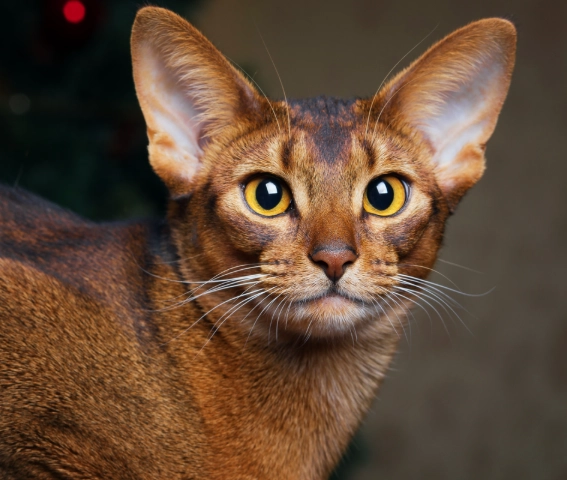
Let's be honest, you're probably here because you saw a picture. A stunning cat with a warm, silvery-blue coat that seems to glow, huge expressive ears, and eyes that look like they've seen the secrets of ancient Egypt. That's the Blue Abyssinian cat for you. It's the coat color that often stops people in their tracks. But I'm here to tell you, the color is just the gorgeous wrapping paper. What's inside is a feline package of boundless energy, deep curiosity, and a personality that's more "miniature mountain lion" than "lap cat." If you're thinking this is just another pretty cat breed, buckle up.
I've been around cats my whole life, and the Aby (as enthusiasts call them) is in a league of its own. They're not for everyone, and I'll get into the reasons why that might be. This isn't a fluffy, feel-good piece that just sells you on the dream. We're going deep. We'll talk about what it's really like to live with one, the good, the challenging, the expensive, and the utterly rewarding. Whether you're just curious or seriously considering bringing one of these ancient-looking creatures into your home, this guide aims to be the only one you need.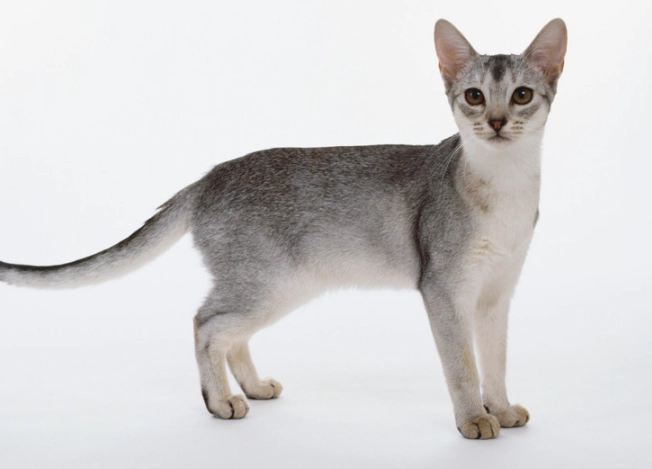
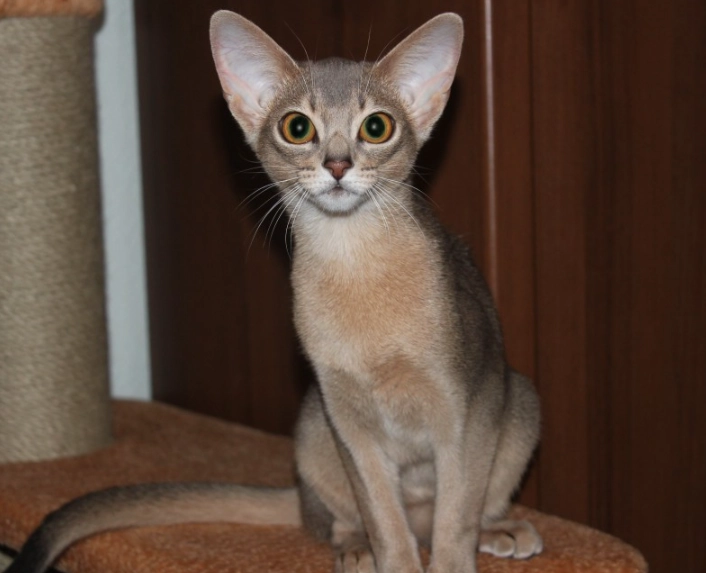
Quick Fact: The "Blue" in Blue Abyssinian cat doesn't mean a solid gray like a Russian Blue. It's a dilution of the classic ruddy (tawny) color. The result is a soft, warm slate blue base with a delicate cream undercoat, and each hair is tipped in a darker steel blue, creating that signature ticked, almost shimmering effect. The paw pads are a dusky mauve color, which is just one of those perfect little details.
So, What Exactly Is a Blue Abyssinian Cat?
First things first, let's clear something up. A Blue Abyssinian isn't a separate breed. It's a color variation within the Abyssinian breed. Think of it like different hair colors in humans. The breed standard, set by major cat registries like The Cat Fanciers' Association (CFA) and The International Cat Association (TICA), describes the ideal Aby body type, head shape, and personality. The Blue color is one of several accepted hues.
The breed's origins are shrouded in a bit of mystery and romance. They're often said to resemble the cats depicted in ancient Egyptian art, and while there's no direct lineage proven, the resemblance is uncanny. The first Abyssinians exhibited in England in the late 1800s were imported from Abyssinia (modern-day Ethiopia), hence the name. The blue coloration emerged through selective breeding, offering a cooler, more subtle alternative to the fiery ruddy.
The Blue Aby vs. Other Abyssinian Colors
How does the Blue stack up against its siblings? Personality-wise, there's no difference. A Blue Abyssinian cat has the same fiery spirit as a Ruddy or a Fawn. The difference is purely cosmetic, but it's a big part of their appeal.
| Color Name | Base Coat Color | Ticking Color | Undercoat | Paw Pads & Nose Leather |
|---|---|---|---|---|
| Ruddy (Usual) | Warm burnt orange/red | Black or dark brown | Orange/fawn | Black |
| Blue | Soft, warm slate blue | Darker steel blue | Pale cream or oatmeal | Mauve/pinkish-gray |
| Fawn | Light cocoa-beige | Deeper cafe-brown | Light cream | Salmon pink |
| Sorrel (Red) | Copper-red | Chocolate brown | Apricot | Pink |
I personally think the Blue Abyssinian cat has the most elegant and sophisticated look. The ruddy is stunning in a wild, fiery way, but the blue is just so... regal. It's less common than the ruddy, which can sometimes make finding a reputable breeder for this specific color a bit more of a hunt.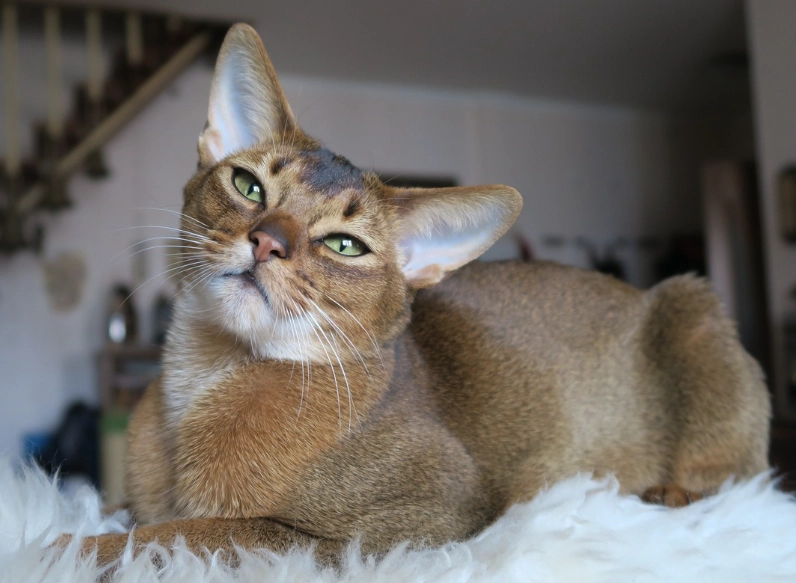
Living with a Whirlwind: The Abyssinian Personality
Okay, let's talk about what you're really signing up for. If you want a cat that will sleep 20 hours a day and occasionally grace you with a purr, look elsewhere. A Blue Abyssinian cat is an experience.
They are famously, intensely active. We're not just talking about a few bursts of zoomies. We're talking about a cat that views your entire home as a jungle gym, puzzle, and observation deck. They need to be involved in everything. Opening a cupboard? They're there. Typing on your laptop? Their paws are on the keys. Taking a shower? Don't be surprised to find them perched on the curtain rod.
A friend of mine has a Blue Aby named Luna. The first time I house-sat, I learned the hard way that "cat-proofing" for an Aby is on another level. She figured out how to open the lever-style door handles. I came home to find her on top of the kitchen cabinets, having apparently had a grand time exploring. Nothing was broken, but my heart sure was racing.
This intelligence is a double-edged sword. It makes them highly trainable (yes, you can teach them to fetch, walk on a harness, and do simple tricks) but also easily bored. A bored Abyssinian is a destructive Abyssinian. They will create their own fun, and you might not like their ideas.
Are They Affectionate?
This is a big one. They are incredibly affectionate, but on their own terms. They are not typically "lap cats" in the traditional, sit-for-hours sense. They are "shoulder cats," "keyboard cats," "newspaper-you're-reading cats." Their affection is shown through constant proximity and interaction. They will follow you from room to room, not because they're clingy in a needy way, but because you are the most interesting thing happening. They love to be talked to and will often answer with a soft, gentle chirp or meow. It's a conversational kind of love.
They often do well with other pets, especially another active cat or even a dog that respects cats, because they need a playmate. Leaving a Blue Abyssinian cat as the only pet in a home where people are gone 10 hours a day is, in my opinion, a recipe for an unhappy cat and a frustrated owner.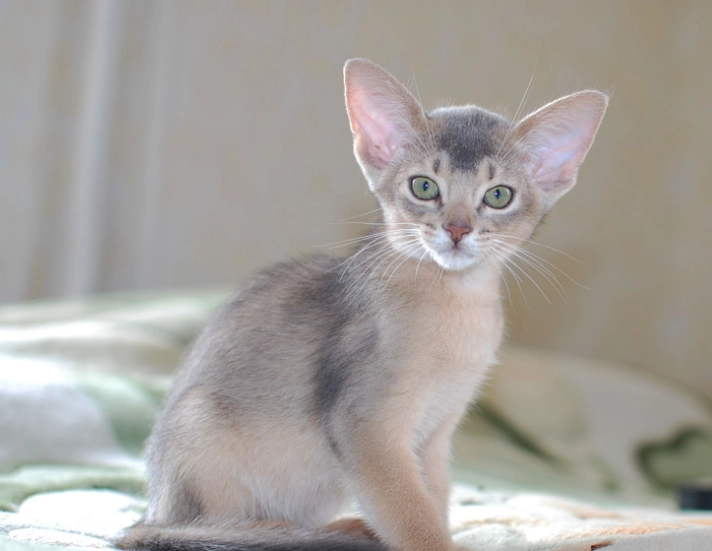
Think Twice If: You crave a quiet, sedentary, independent cat. You have a home full of fragile heirlooms at tail-whip height. You're away from home most of the day and aren't prepared to get a second pet for company. The Abyssinian's needs are specific and non-negotiable.
Caring for Your Blue Abyssinian Cat: A Practical Guide
Caring for an Aby isn't overly complex, but it needs to be proactive. Their high metabolism and active lifestyle dictate a lot of their needs.
Diet and Nutrition: Fueling the Engine
These cats burn calories like crazy. They require a high-quality, protein-rich diet. Look for cat foods where a named meat (chicken, turkey, fish) is the first ingredient. Many Aby owners, including breeders, lean towards wet food or a mixed feeding regimen because of its higher moisture content, which is great for urinary tract health. Dry food is okay, but make sure it's premium.
Portion control is still important to prevent obesity, but you'll likely find your Blue Abyssinian cat is a lean, muscular machine that can eat more than your average couch-potato feline. Always ensure fresh water is available. I'm a fan of water fountains, as the moving water often encourages them to drink more.
Grooming: Surprisingly Easy
Here's a nice break. Their short, fine, close-lying coat is very easy to care for. A quick weekly brushing with a fine-toothed comb or a rubber grooming mitt is usually enough to remove loose hairs and distribute skin oils. It's more of a bonding activity than a necessity. They shed, but it's less noticeable than with long-haired breeds.
During seasonal changes, you might need to brush a bit more often. The beauty of the Blue Abyssinian cat's coat is that it stays pretty neat on its own. Don't be tempted to bathe them often; it strips their natural oils and is usually a stressful ordeal for both of you.
Exercise and Enrichment: The Non-Negotiable
This is the most critical part of care. Physical and mental stimulation isn't a luxury; it's a requirement.
- Vertical Space: Cat trees, tall scratching posts, wall shelves, and window perches are mandatory. They love to be up high.
- Interactive Play: Daily play sessions are a must. Wand toys, laser pointers (always end with a physical toy they can "catch"), and puzzle balls that dispense treats are huge hits.
- Puzzle Feeders: Don't just put food in a bowl. Make them work for it. It engages their brain and slows down eating.
- Harness Training: Many Abys take exceptionally well to leash training. It's a fantastic way to safely satisfy their curiosity about the outdoors. Start young and be patient.
Without these things, a Blue Abyssinian cat will find its own entertainment, and you might not be happy with the results—think shredded curtains or items knocked off shelves.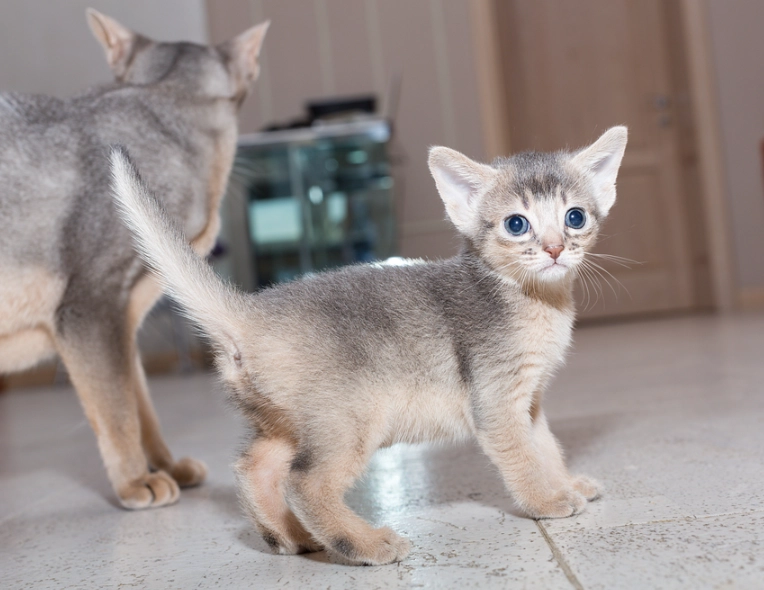
Health and Lifespan: What to Know
Abyssinians are generally a healthy, robust breed with a lifespan of 12-15 years, often longer with great care. However, like all purebreds, they have a predisposition to certain genetic conditions. A responsible breeder will test for these.
Potential Health Issues to Discuss with Your Vet
- Gingivitis/Periodontal Disease: Abys can be prone to dental issues. Establishing a teeth-brushing routine early is a fantastic idea. Annual dental check-ups are key.
- Patellar Luxation: A condition where the kneecap dislocates. It can range from mild to severe. Good breeders screen their breeding stock for this.
- Progressive Retinal Atrophy (PRA): A group of genetic diseases that cause the degeneration of the retina, eventually leading to blindness. A DNA test exists, and ethical breeders will test for it. The VCA Animal Hospitals resource on PRA provides a good medical overview.
- Renal Amyloidosis: A serious disease where amyloid proteins are deposited in organs, often the kidneys. It is more prevalent in Abyssinians than in some other breeds. There is no simple genetic test, so purchasing from a breeder with a long, documented health history of their lines is crucial.
Regular vet check-ups (at least annually), keeping vaccinations and parasite prevention up to date, and feeding a great diet are your best bets for a long, healthy life with your feline friend.
Finding and Choosing a Blue Abyssinian Cat
This is where you need to be patient and do your homework. The desire for that beautiful blue coat can lead people to make poor decisions.
Reputable Breeder vs. Everything Else
A reputable breeder is your best and safest path. They are not the cheapest path. Expect to pay anywhere from $1,200 to $2,500+ for a pet-quality Blue Abyssinian kitten. Why so much? Because ethical breeders invest heavily in:
- Genetic health testing of all breeding cats (for PRA, PK Def, etc.).
- Excellent prenatal and kitten care (vet visits, vaccines, deworming).
- Socializing kittens in their home environment.
- A lifelong commitment to the cats they produce.
They will interview you thoroughly. They will ask you about your home, your lifestyle, your cat experience. They will have a contract that includes a health guarantee and requires you to spay/neuter the kitten. They will let you visit their home (or provide extensive virtual tours) and meet the kitten's parents. Start your search with the breeder directories on the CFA and TICA websites.
Red Flags: Breeders who have multiple litters available at all times, who won't let you see where the cats live, who only communicate via text/email, who offer to ship a kitten without any conversation, or who have prices significantly below the norm. These are likely kitten mills or backyard breeders, and the risk of health and behavioral problems is high.
What About Rescue?
Purebred Abyssinians do occasionally end up in rescue, though Blues are rarer. It's more common to find adult or senior cats. Check with breed-specific rescues like Purebred Cat Rescue or network with local Abyssinian breed clubs. Adopting an adult can be wonderful—you skip the kitten crazies and get a cat whose personality is fully formed.
The Real Cost of an Abyssinian
Let's talk money, because the kitten price is just the start.
- Initial Purchase: $1,200 - $2,500+
- Initial Setup (carrier, litter box, tree, toys, bowls): $300 - $600
- First-Year Vet Costs (spay/neuter, vaccines, check-ups): $500 - $1,000
- Annual Ongoing Costs (food, litter, vet, insurance): $800 - $1,500+
- Pet Insurance: Highly, highly recommended. For a breed with potential genetic issues, it can be a financial lifesaver. Budget $30-$60/month.
Can it be cheaper? Sure, but cutting corners on food, vet care, or enrichment will almost certainly cost you more in the long run in health and behavior problems.
The joy of a Blue Abyssinian cat isn't in owning a living piece of art. It's in the daily conversation, the shared curiosity, the partnership with a tiny, brilliant, wild-hearted creature that chooses to share its life with you. It's work, but for the right person, it's the best kind of work.
Your Blue Abyssinian Cat Questions, Answered
I get asked these all the time. Let's tackle them head-on.
Are Blue Abyssinian cats hypoallergenic?
No cat is 100% hypoallergenic. Allergies are usually triggered by a protein (Fel d 1) in cat saliva and skin oils, not just the hair itself. While Abys have short, fine hair that sheds less noticeably than some breeds, they still groom themselves and produce the allergen. Some allergic people react less to them, but there's no guarantee. Always spend time with an Abyssinian before committing if you have allergies.
How do I stop my Aby from getting into everything?
You don't stop it; you manage it. Provide approved, more interesting alternatives. Cat-proof cabinets with child locks. Use deterrents like double-sided tape on counters you want off-limits (they hate the sticky feel). Most importantly, exhaust their energy and brain with play and puzzles. A tired Aby is a (slightly) less mischievous Aby.
Are they good with children and other pets?
Generally, yes, but with important caveats. They are playful and energetic, which can be great for older, respectful children. They might be too much for toddlers. They usually get along well with other cats and cat-friendly dogs, especially if introduced properly. Their social nature often means they prefer having a companion.
Do they talk a lot?
Not in the loud, yowly way of a Siamese. They are conversationalists. They have a soft, pleasant chirp or meow that they use to comment on things, greet you, or ask for play. It's not usually excessive or annoying, but it's a constant, gentle dialogue.
Is the blue color rare?
It's less common than the classic ruddy, but it's a well-established and sought-after color. You won't find it at every Abyssinian breeder, but it's not vanishingly rare either. Be prepared that you might be on a waitlist for a Blue Abyssinian kitten from a good breeder.
So, is a Blue Abyssinian cat the right cat for you? If you want an interactive, intelligent, energetic companion who will be a true participant in your daily life, and you're ready to meet their needs for activity and engagement, then you might have just found your perfect feline match. Just remember, you're not getting a decoration. You're getting a whirlwind with paws, a heart of gold, and a coat the color of a stormy sky.