Quick Guide
- Why No True Orange? The Genetics of Siamese Color
- Meet the "Orange" Siamese: Red Point & Flame Point
- Personality: Is a Flame Point Siamese Right for You?
- Health and Lifespan: What to Know Before You Commit
- Caring for Your Orange Siamese Cat Mix
- Finding a Flame Point Siamese: Breeder, Rescue, or Luck?
- The Final Word on These Sunny-Tipped Cats
Let's get this out of the way first. If you're picturing a classic, sleek Siamese but in a vibrant, pumpkin-orange coat from head to tail, you're going to be disappointed. That cat doesn't exist, at least not in the purebred sense. The traditional Siamese cat color palette is strictly limited to what's called "pointed" patterns—darker colors on the ears, face, paws, and tail against a lighter body. Think seal, chocolate, blue, and lilac. Orange isn't on that official list.
But hang on. Don't close the tab just yet.
Because if you've been scouring the internet or social media and seen photos of cats labeled "orange Siamese," you're not crazy. Those cats are very real. They often have the unmistakable blue almond-shaped eyes, the vocal personality, and the slender build that screams Siamese. But their points are a gorgeous, warm cream, apricot, red, or even a bright tangerine. So what gives?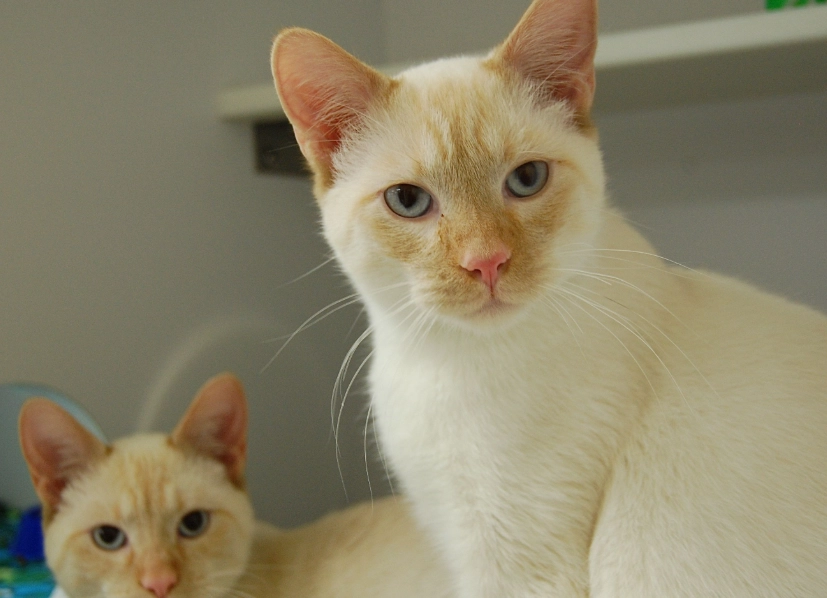
I remember the first time I saw one at a local cat show. I did a double-take. It had all the elegance of a Siamese, but the color was this soft, peachy cream. I asked the owner, "Is that... a Siamese?" She laughed and said, "It's a Flame Point. A Siamese mix." That sparked my obsession with understanding these unique felines.
Why No True Orange? The Genetics of Siamese Color
To understand the rarity of an orange Siamese cat, you have to dive a little into cat genetics. Don't worry, I'll keep it simple.
Siamese coloring is governed by two key genetic factors:
- The Pointed Gene (cs): This is a form of partial albinism that's temperature-sensitive. It prevents pigment from developing in warmer areas of the body. That's why the cooler extremities (points) are dark, and the warmer torso is light. All pure Siamese cats have two copies of this gene.
- The Color Genes: The specific color of those points depends on other genes. The classic Siamese colors come from genes for black-based pigments (diluted to blue or lilac) or brown-based pigments (chocolate).
Here's the kicker: The gene for orange fur (the "O" gene) is on the X chromosome. It's also dominant. But in the closed, purebred world of traditional Siamese breeding, this orange gene simply wasn't in the gene pool. Breeders were focused on refining the slim look and the four accepted point colors. So, a purebred Siamese cannot spontaneously produce orange offspring. The gene isn't there to express.
So, an orange Siamese cat appearance only enters the picture when a Siamese is bred outside its breed, introducing that coveted "O" gene from another cat.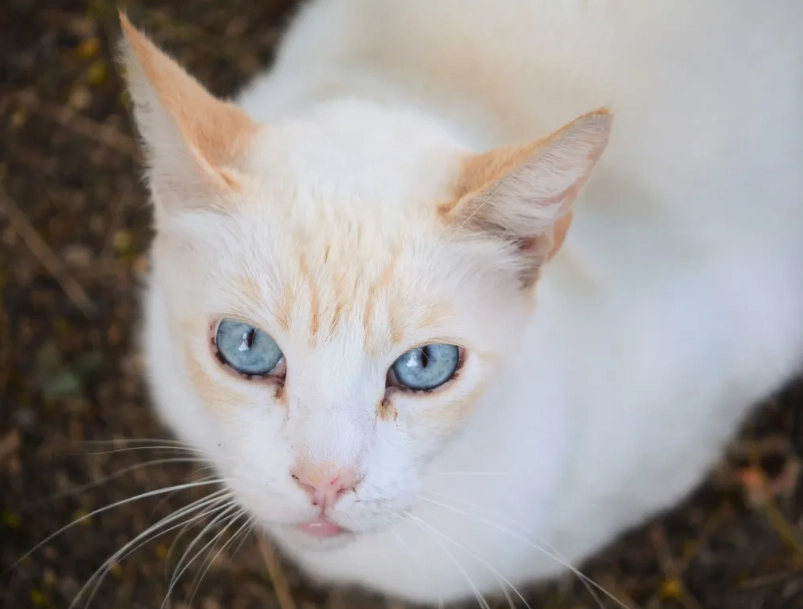
Meet the "Orange" Siamese: Red Point & Flame Point
This is where things get exciting. When you mix those sleek Siamese genes with orange tabby genes, you get some of the most strikingly beautiful cats around. They're recognized in some hybrid registries and are incredibly popular as pets, even if they aren't show-stoppers in purebred circles.
Let's break down the two main types you'll encounter:
| Type | What It Is | Key Appearance Clues | Personality Vibe |
|---|---|---|---|
| Red Point Siamese | A Siamese mixed with a solid red/orange cat. The points are a solid, rich red or cream color. | Points are a uniform apricot or red. Nose leather and paw pads are usually pink. Coat is short and lies close. | Often a strong, classic Siamese personality—vocal, demanding, deeply attached. |
| Flame Point Siamese | More specifically, a Siamese mixed with an orange tabby cat. The "flame" refers to the tabby striping. | You can see faint tabby stripes ("ghost striping") on the points, especially on the tail and legs. May have the classic "M" on the forehead. | Can be a slightly mellower mix, blending Siamese smarts with a tabby's playful, sometimes goofy side. |
Honestly, the terms are used pretty interchangeably online. Most people just see the orange-ish points and call them Flame Points. I tend to call them all Red Point Siamese mixes unless I see clear stripes.
What Does a Red Point Siamese Actually Look Like?
Forget the garish orange you might imagine. The color is usually more subtle and develops over time.
- Kittens: They are born almost completely white. It's hard to believe they'll become an orange Siamese cat! The points start to develop color within the first few weeks of life.
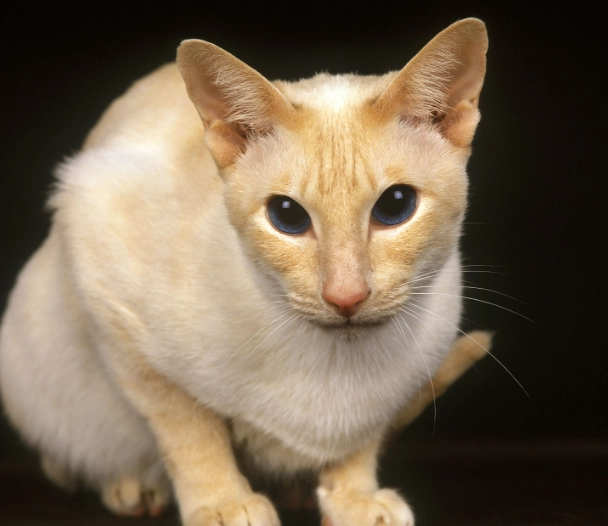
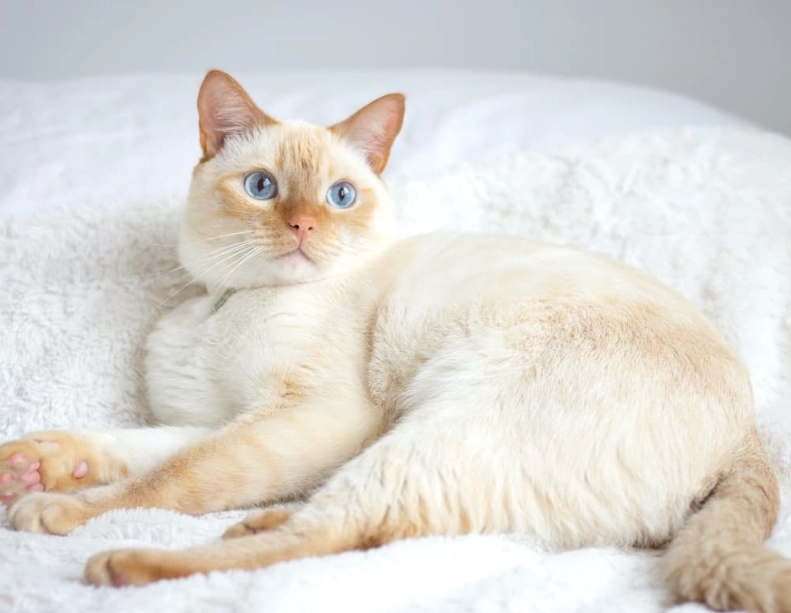
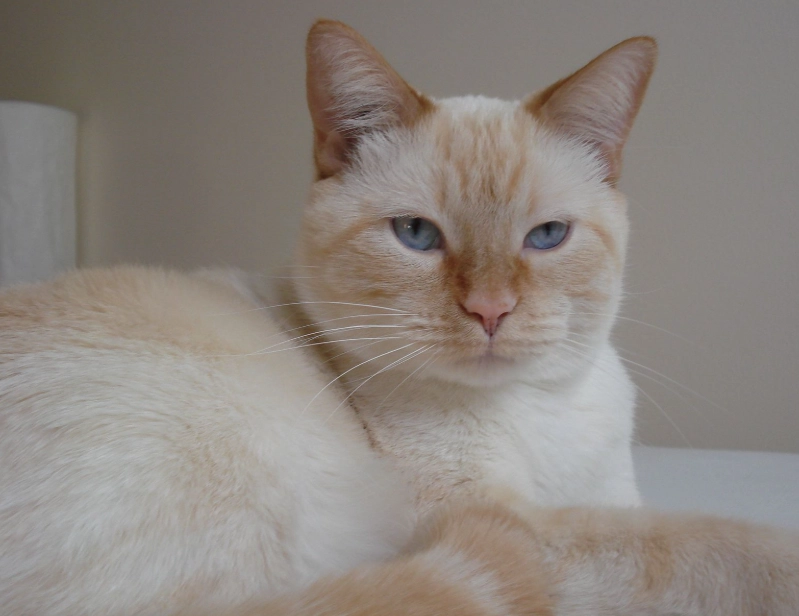
- Color Development: The points (ears, mask, tail, paws) slowly gain a warm, creamy apricot or light red hue. It's not neon; it's more like the color of a sunset or a ripe peach.
- The Body: The body remains a pale, off-white or ivory cream. The contrast is beautiful and elegant.
- Eyes: The iconic, deep sapphire blue eyes are a non-negotiable hallmark. If the cat has green or gold eyes, it's not a Siamese mix in the way we're talking about—it might be another breed entirely.
- Build: They typically inherit the Siamese's slender, muscular, and elongated body type, with long legs and a whip-like tail. Though, depending on the other parent, they can be a bit stockier.
Fun (and Important) Fact: The color of a Red Point's points can be influenced by temperature and climate! A cat living in a consistently warm environment might have lighter points than one in a colder climate, as the cooler extremities allow more pigment to develop. So your orange Siamese cat's color might literally change with the seasons.
Personality: Is a Flame Point Siamese Right for You?
This is the million-dollar question. You're not just getting a color; you're getting a personality cocktail.
From the Siamese side, expect a high-dose of the following:
- Extreme Vocalization: They talk. And talk. And talk. It's not just meowing; it's a range of chirps, trills, and loud, opinionated yowls. They want to tell you about their day, complain about an empty food bowl, or comment on the bird outside. If you love quiet, this might be your dealbreaker.
- Velcro Cat Tendencies: They form intense bonds with their people. A Flame Point Siamese cat will likely follow you from room to room, "help" you with chores, and demand to be involved in everything. They are not aloof, independent cats. They crave interaction and can suffer from separation anxiety.
- High Intelligence & Curiosity: These are clever cats who need mental stimulation. Puzzle feeders, clicker training, and interactive toys are a must. Boredom can lead to mischief—they're smart enough to figure out how to open cabinets or doors.
Now, what does the other parent contribute? If it's a mellow domestic shorthair, it might tone down the Siamese intensity a notch. If it's a lively tabby, you might get an even more energetic and playful cat. In my experience, most Red Points retain that core Siamese need for connection and conversation, just maybe in a slightly sweeter, less sharply demanding package than some purebreds. But it's a gamble—every mix is an individual.
Seriously, think about the talking. I love it, but my partner sometimes wears headphones.
Health and Lifespan: What to Know Before You Commit
Hybrid vigor can be a benefit here. By mixing gene pools, some of the hereditary issues common in purebred lines can be lessened. However, they can still be prone to conditions carried by their Siamese parentage.
- Progressive Retinal Atrophy (PRA): A genetic condition that can lead to blindness. Reputable breeders of Siamese mixes should test for this.
- Amyloidosis: A liver condition that is more common in Siamese and related breeds.
- Dental Issues: Siamese and their mixes seem prone to gingivitis and periodontal disease. Regular dental check-ups and teeth brushing are crucial.
- Crossed Eyes & Kinked Tails: These were once common in older Siamese lines (and are linked to the pointed gene). You might see a slight kink in the tail of a mix, which is harmless but something to be aware of.
On average, a healthy orange Siamese cat mix can live a robust 15 to 20 years. That's a long-term commitment to a very social creature.
For authoritative information on feline genetic health conditions, including those affecting Siamese, the Cornell Feline Health Center is an invaluable resource. It's always good to back up care tips with info from veterinary institutions.
Caring for Your Orange Siamese Cat Mix
Their care isn't too different from any active, shorthaired cat, but with a few emphasis points.
Grooming: Easy! Their short coat just needs a weekly brush to remove loose hair and distribute skin oils. They are not hypoallergenic—no cat truly is—but their short hair means less matting.
Diet: Feed a high-quality, protein-rich diet appropriate for their life stage. These are active cats; they need good fuel. Be careful not to overfeed, as they can gain weight if they become sedentary.
Exercise & Play: Non-negotiable. Daily interactive play sessions are critical to burn energy and stimulate their minds. A bored Siamese mix is a destructive Siamese mix. Cat trees, window perches, and feather wands are your best friends.
Environment: They need warmth (remember the temperature-sensitive coat!). Provide cozy beds away from drafts. Most importantly, they need your company. If you work long hours, seriously consider getting two kittens so they can keep each other occupied. The ASPCA's general cat care guide has great tips on enriching any cat's life, which is doubly important for social breeds like this.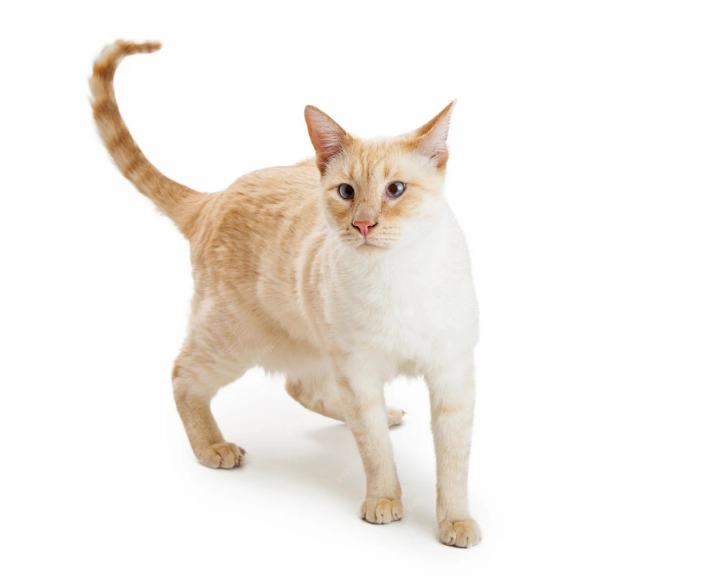
Finding a Flame Point Siamese: Breeder, Rescue, or Luck?
You won't find a true orange Siamese cat at a purebred Siamese breeder. So, your paths are:
- Specialized Hybrid Breeders: Some breeders focus specifically on Colorpoint Shorthairs (the breed category that includes Red Points) or Siamese mixes. Do your homework. Visit in person, ask for health testing proof for both parents (like PRA tests), and see how the kittens are raised. Expect to pay a premium, often comparable to purebreds.
- Rescue & Shelters: This is where I urge people to look first. Siamese mixes are not uncommon in shelters. Use Petfinder or Adopt-a-Pet and search for "Siamese mix" in your area. You might get lucky and find a stunning young Red Point needing a home. The personality will be just as wonderful.
- The Unexpected Litter: Sometimes, a neighbor's Siamese gets out and meets the local ginger tom. If you find such kittens, be prepared for a genetic lottery in looks and temperament.
Your Orange Siamese Cat Questions, Answered
The Final Word on These Sunny-Tipped Cats
Chasing the idea of an orange Siamese cat leads you down a fascinating path of genetics, hybrid vigor, and breathtaking beauty. What you find isn't a flaw or a fake, but a unique category of feline—the Red Point or Flame Point Siamese mix.
They offer the dazzling looks and captivating intelligence of the Siamese, painted in a uniquely warm and sunny palette. But they also come with the full package: the demanding conversation, the deep need for companionship, and the energetic curiosity.
If you're looking for a quiet, decorative pet that minds its own business, look elsewhere. But if you want a charismatic, talkative, deeply affectionate shadow who will fill your home with personality (and a little bit of orange-tinted magic), then your search for an orange Siamese cat might just lead you to a perfect, flame-pointed friend for life.
Just be ready to answer a lot of questions from visitors who can't believe their eyes. I still do.