Quick Guide to This Article
- A Stroll Through History: From Turkish Palaces to Your Living Room
- Beyond the Snow-White Myth: Looks and Colors
- Personality & Intelligence: Not Your Average Fluffy Cat
- The Real Deal on Care and Living Needs
- Health and Lifespan: What to Watch For
- Finding Your Turkish Angora: Breeder vs. Rescue
- Answering Your Big Questions (FAQ)
- Final Thoughts: Is a Turkish Angora Right for You?
Let's be honest, when most people think of a fluffy white cat, they picture something serene, maybe a bit aloof, sitting on a velvet cushion. I had that image too, until I met my first Turkish Angora cat at a friend's house. This creature wasn't just sitting. It was orchestrating the entire room, following conversations with bright, intelligent eyes, and then gracefully leaping to the top of a bookshelf just because it could. It was nothing like the placid lap cat I expected. That experience sent me down a rabbit hole, and now, after years of talking to breeders, owners, and digging into history, I want to share what makes this breed so fascinatingly different.
So, what is a Turkish Angora cat, really? Beyond the stunning white coat and movie-star looks lies one of the oldest and most naturally occurring cat breeds in the world, with a personality that's a wild mix of dog-like loyalty, monkey-like curiosity, and ballet-dancer grace. They're not for everyone, but if you're the right person, they might just be the most engaging pet you'll ever have.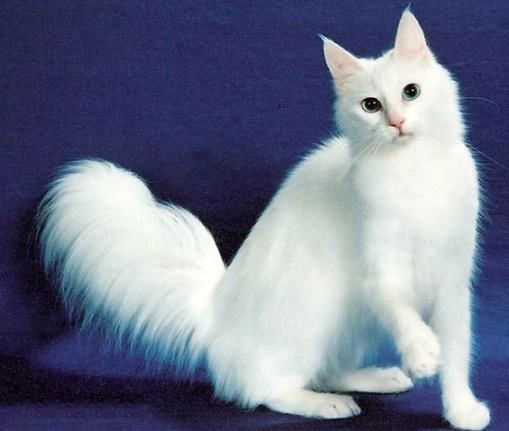
A Stroll Through History: From Turkish Palaces to Your Living Room
The story of the Turkish Angora is woven into history itself. We're not talking about a breed cooked up in a lab in the last 50 years. These cats have been documented in the Ankara region of Turkey (historically known as Angora) for centuries. Some records and genetic studies suggest they could be the source of the mutations for both long hair and white color in domestic cats.
Think about that for a second. Many of the long-haired cats we know today might trace their fluff back to ancestors from the mountains of Turkey. The breed was so prized that it was protected and nurtured within Turkey for generations. They were considered national treasures. In fact, the Ankara Zoo, in cooperation with the Turkish government, established a formal breeding program in the early 20th century to preserve the pure white, odd-eyed Turkish Angora, which they consider the true national standard. You can read about their conservation efforts on the official Anadolu University pages which often collaborate with cultural heritage projects (the zoo is under their purview).
The journey to the West is a classic tale of diplomacy and admiration. They were brought to Europe as early as the 16th century, becoming the coveted pets of aristocracy and royalty. Catherine the Great of Russia and French royalty were known admirers. However, their popularity almost became their downfall. When the Persian cat (with its much denser, double coat) became the rage, breeders started using Turkish Angoras to develop Persians, nearly diluting the original Angora bloodlines to extinction outside of Turkey.
It was the dedicated program in Turkey and later, importations by American servicemen and cat fanciers in the mid-20th century, that saved the breed. Major cat registries like The Cat Fanciers' Association (CFA) and The International Cat Association (TICA) now recognize the breed, with CFA being one of the first to grant it championship status in 1973.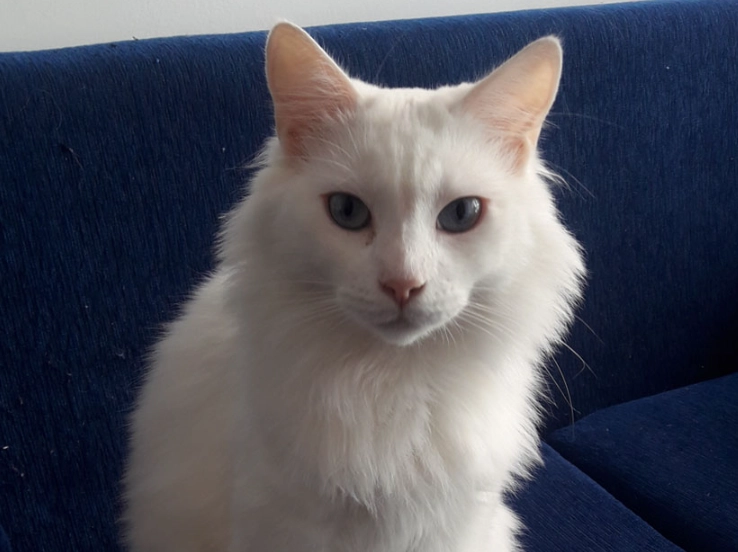
Beyond the Snow-White Myth: Looks and Colors
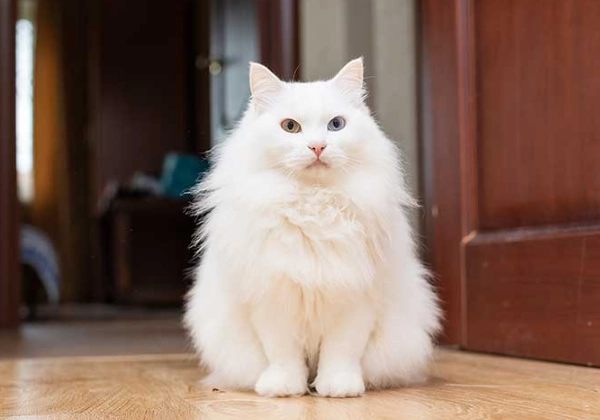
Okay, let's address the elephant in the room. Yes, the classic, most iconic Turkish Angora is the pure white one, often with one blue eye and one amber or green eye (a condition called heterochromia). This combination is breathtaking and deeply tied to their history. In Turkey, the odd-eyed white Angora is considered especially precious.
But here's something many people don't realize: Turkish Angora cats come in a rainbow of colors and patterns. The idea that they are only white is a persistent myth. Modern registries accept virtually all colors and patterns except for those indicating hybridization (like pointed patterns, which suggest Siamese ancestry).
So, you can find Turkish Angoras in black, blue, cream, red, silver, tabby, tortoiseshell, calico, and bicolor patterns. Their eyes can be blue, green, gold, amber, or a mix. The coat, however, remains distinctively different from a Persian or Maine Coon.
Coat Texture: The "Wash and Wear" of the Cat World
This is a crucial distinction. A Turkish Angora has a single coat. That means no dense, woolly undercoat. The hair is fine, silky, and lies flat against the body. It's designed to resist matting. Compare this to a Persian's double coat, which is a magnet for tangles. For an Angora, a quick weekly comb-through is often enough to keep things pristine. It's one of their most practical features, honestly.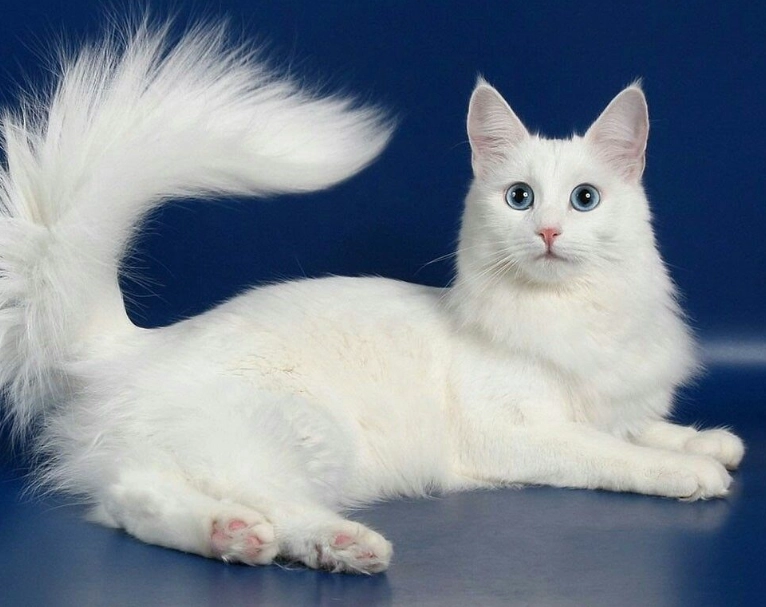
| Feature | Description | Why It Matters |
|---|---|---|
| Coat Type | Single, medium-length, fine and silky. | Minimal matting, easier grooming than most longhairs. |
| Classic Colors | Pure white (most famous), often with odd eyes. | Iconic look, but requires sun protection for light skin. |
| Accepted Colors | Black, blue, red, cream, tabby, tortie, calico, bicolor, and more. | The breed is far more diverse than popular culture shows. |
| Body Type | Elegant, fine-boned, muscular. Long legs and neck. | Gives them a graceful, athletic appearance and ability. |
| Tail | Long, tapering, and carried like a plume. | A signature feature, often brushed out and magnificent. |
| Eyes | Almond-shaped, large, and expressive. Can be any color. | Contributes to their intelligent, alert expression. |
A note on white cats and deafness:
It's a valid concern. The gene linked to a pure white coat and blue eyes is sometimes associated with congenital deafness. Not all white blue-eyed cats are deaf, but the incidence is higher. Reputable breeders will have their kittens BAER-tested (Brainstem Auditory Evoked Response) to check for deafness. An odd-eyed white Turkish Angora may have deafness in the ear on the blue-eyed side. This is important to know for safety reasons—a deaf cat should be indoors-only and may need alternative communication methods. A breeder who is transparent about these tests is a good breeder.
Personality & Intelligence: Not Your Average Fluffy Cat
If you want a decorative pet that sleeps 20 hours a day, look elsewhere. The Turkish Angora's beauty is matched, and often overshadowed, by its dynamic personality. They are the overachievers of the cat world.
They are famously people-oriented. This isn't a cat that tolerates you; it actively seeks your partnership. Many owners describe them as "dog-like" in their devotion. They will follow you from room to room, involve themselves in whatever you're doing (cooking, working on the computer, reading), and often choose one special person as their favorite. That bond is intense. They want to be with you, on you, or at least in the same room observing you.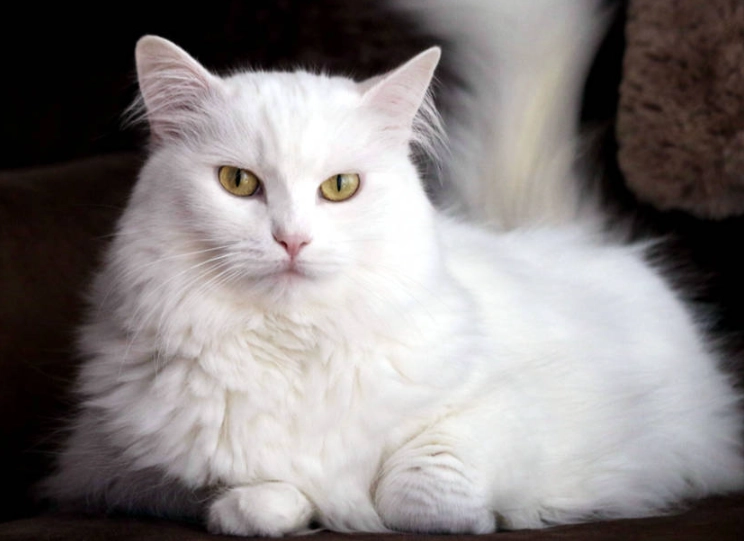
They are athletic and playful... for life. Don't expect the kitten crazies to fade at two years old. A Turkish Angora cat retains a playful, inquisitive spirit well into its senior years. They are incredible jumpers and climbers. Your bookshelves, the top of the refrigerator, door frames—nothing is off-limits. Providing tall, sturdy cat trees and shelves is not a luxury; it's a necessity for their happiness.
They are communicative. They tend to have soft, sweet voices and aren't usually overly loud, but they will "talk" to you. You'll learn a specific chirp for "hello," a different meow for "I'm hungry," and a distinct trill for "look what I found!" They enjoy interactive dialogue.
Here's a quick list of key Turkish Angora personality traits (the good and the challenging):
- The Good: Affectionate, loyal, highly intelligent, playful, graceful, relatively quiet-voiced, good with considerate children and other pets (if introduced properly).
- The Challenging: Can be stubborn and determined (they learn how to open doors), demands attention and interaction, can get into mischief if bored, may be reserved with strangers, that single coat still sheds (especially seasonally).
The Real Deal on Care and Living Needs
Let's get practical. What does it actually take to live happily with one of these feline aristocrats?
Grooming: Easier Than You Think
Thanks to that single coat, grooming a Turkish Angora is surprisingly straightforward. A thorough combing with a fine-toothed steel comb or a slicker brush once or twice a week is usually sufficient to remove loose hair and prevent any potential tangles, which are rare. During spring and fall shedding seasons, you might need to brush every other day.
Bathing? They have a reputation for enjoying water more than the average cat. That silky coat tends to repel dirt, and many Angoras keep themselves impeccably clean. You might only need a bath a few times a year, if at all. The key is positive, gentle introduction from a young age.
Diet and Nutrition: Fuel for an Athlete
These are active, lean cats with high metabolisms. They need high-quality, protein-rich food to support their energy levels. Whether you choose wet, dry, or a combination, look for a diet where meat is the first ingredient. Obesity is less common in this active breed, but it's still possible with free-feeding. Measured meals are a good practice. Always ensure fresh water is available. As mentioned, some develop a fascination with dripping taps, so a cat water fountain can be a great investment.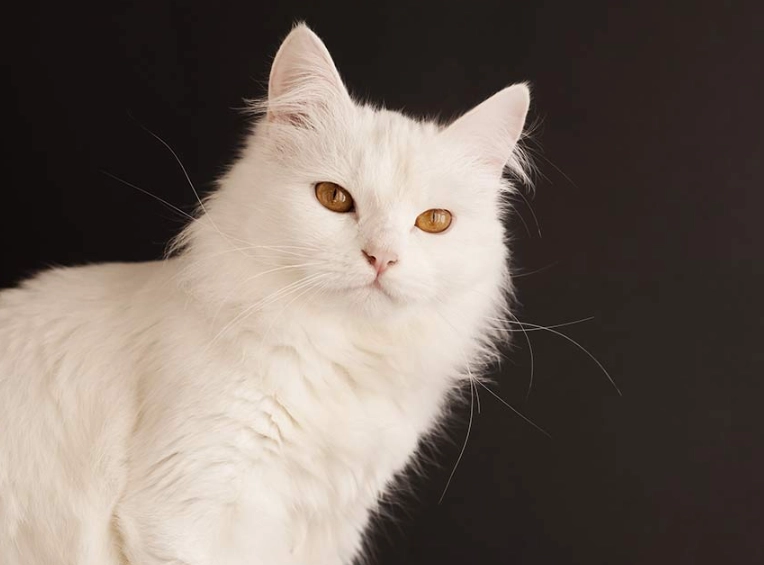
Exercise and Environment: Think Vertical
Your home needs to be their jungle gym. Cat trees, wall shelves, window perches, and secure, high spaces are mandatory. They love to survey their kingdom from the highest point in the room. Interactive play is also non-negotiable. Daily sessions with wand toys, laser pointers (always end with a physical toy they can "catch"), and fetch (many will retrieve!) are essential to burn mental and physical energy.
Health and Lifespan: What to Watch For
As a natural breed, the Turkish Angora is generally robust and healthy, with a typical lifespan of 12 to 18 years, sometimes longer. However, like all purebreds, they have a predisposition to certain genetic conditions. A responsible breeder will screen their breeding cats for these issues.
The main health concerns to be aware of are:
- Hypertrophic Cardiomyopathy (HCM): This is a form of heart disease where the heart muscle thickens. It's the most common heart condition in cats, not just Angoras. Reputable breeders will have their breeding cats regularly screened by a veterinary cardiologist via echocardiograms. There is no genetic test for HCM in this breed yet, so screening is key. The Cornell Feline Health Center provides excellent resources on understanding HCM.
- Ataxia (Turkish Angora Ataxia): This is a rare, recessive genetic disorder specific to the breed. It affects kittens, causing a severe lack of coordination and muscle control, usually leading to euthanasia. This is the big one. Ethical breeders test their cats for the gene that causes it (through labs like the Veterinary Genetics Laboratory at UC Davis) and will never breed two carriers together. Always ask a breeder about ataxia testing.
- Deafness: Associated with the white coat/blue eye gene, as discussed earlier.
Routine veterinary care, a good diet, dental care (they can be prone to tartar), and keeping them indoors are the best ways to ensure a long, healthy life for your Turkish Angora cat.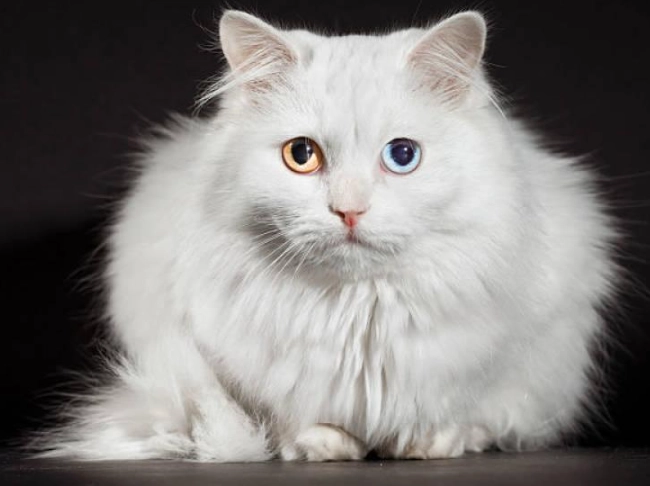
Finding Your Turkish Angora: Breeder vs. Rescue
This is a big decision. Because they are a less common breed, you usually have two paths.
Going through a Reputable Breeder: Expect to be on a waiting list. A good breeder is not someone with a website full of available kittens. They are a mentor and a resource for the life of your cat. They will:
- Ask you as many questions as you ask them.
- Show you their clean home environment where cats are part of the family.
- Provide health clearances for both parents (HCM echocardiogram reports, ataxia DNA test results, etc.).
- Have a contract that includes a health guarantee and requires you to return the cat to them if you can't keep it.
- Be a source of support forever. The CFA and TICA websites have breeder referral lists, but still do your due diligence.
Rescue and Adoption: Yes, purebred Turkish Angoras do end up in shelters and breed-specific rescues. Organizations like Petfinder allow you to search for specific breeds. You might also find mixes with strong Angora traits. This can be a wonderful, life-saving option. An adult cat's personality is already known, which can be a great fit.
Answering Your Big Questions (FAQ)
Are Turkish Angora cats hypoallergenic?
No cat is 100% hypoallergenic. Allergies are mostly to a protein (Fel d 1) in cat saliva and skin secretions, not just hair. However, because Turkish Angoras have a single coat and less undercoat, they may shed less dander and loose hair into the environment than double-coated breeds. Some allergy sufferers find they react less to them, but this is highly individual. Never get a cat assuming you won't be allergic. Spend time with the breed first if possible.
How much does a Turkish Angora cat cost?
From a reputable breeder, a pet-quality Turkish Angora kitten typically costs between $800 and $2,500 USD. Show-quality or rare-color kittens can be more. The price should reflect health testing, proper care, and the breeder's expertise. Adoption fees from a rescue are much lower, usually $100-$300.
Are they good with kids and other pets?
Generally, yes. Their social and playful nature can make them great companions for respectful, gentle children who understand how to interact with a cat. They can also get along well with other cats and even dog-friendly dogs, especially if raised together. Their strong personality means they often become the "ringleader" of the pet household. Slow, proper introductions are key.
What's the difference between a Turkish Angora and a Turkish Van?
They are both natural breeds from Turkey, but they are distinct. The most famous Turkish Van is the "swimming cat" with a chalk-white body and colored markings only on the head and tail. They have a heavier, more substantial build. The Turkish Angora is more finely built and comes in many solid colors and patterns. Their personalities are both intelligent and active, but the Van is often described as slightly more independent.
How can I tell if my cat is a Turkish Angora mix?
Look for the key traits: a fine-boned, elegant body; long, slender legs; a silky, medium-length single coat that doesn't mat easily; a plumed tail; and an exceptionally intelligent, people-focused personality. Many domestic longhairs share some traits, but the combination is distinctive. Without papers, it's a guess, but you might have a wonderful mix with strong Angora genes.
Final Thoughts: Is a Turkish Angora Right for You?
Living with a Turkish Angora cat is an active commitment. It's not passive pet ownership. You are getting a family member who will demand your attention, make you laugh with their antics, impress you with their cleverness, and likely claim your favorite chair (and your heart).
You might be a great match if: you want an interactive, engaging companion; you're home a fair amount; you enjoy playing with and training a pet; you appreciate elegance and intelligence; and you're prepared for a 15+ year commitment to a sometimes-demanding friend.
You might want to reconsider if: you're away from home most of the day and night; you prefer a low-energy, independent cat; you get frustrated by persistent curiosity (like things being knocked off shelves); or you're not prepared for the potential health screening and grooming responsibilities.
They're more than just a pretty face.
In the end, the Turkish Angora is a testament to natural beauty and brains. They've survived centuries, not just on their looks, but on their adaptability, charm, and fierce loyalty. If you're ready for the adventure, sharing your life with one of these captivating cats can be an incredibly rewarding experience. Just make sure your bookshelves are anchored to the wall first.