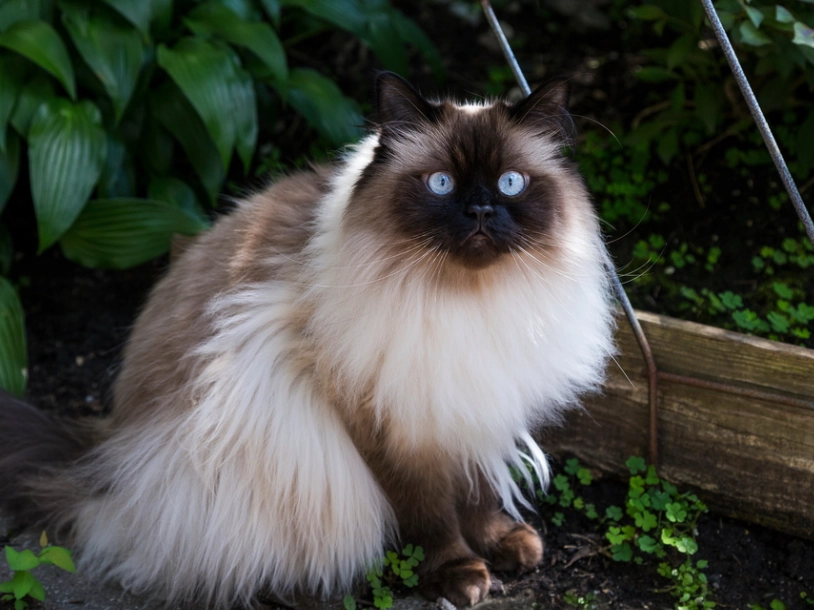
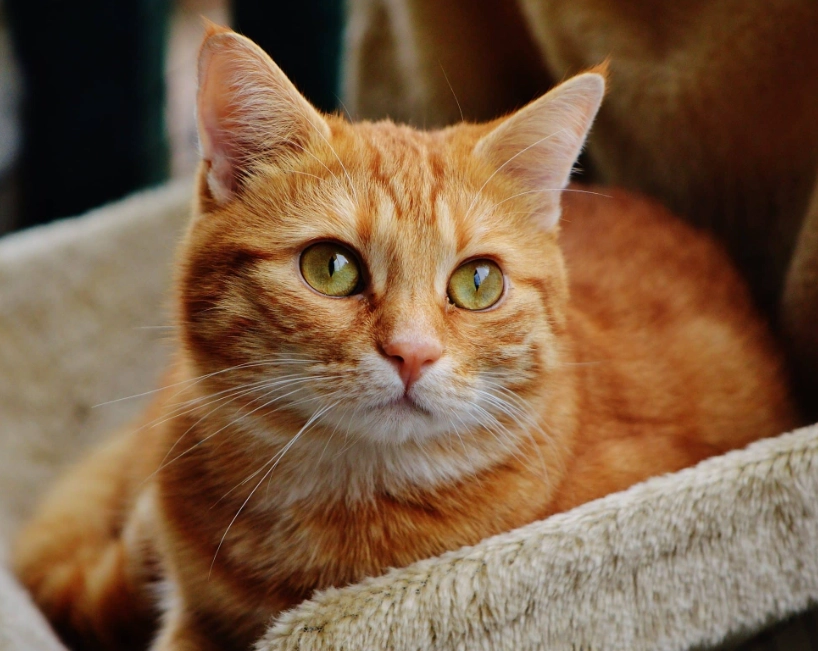
Imagine a cat that looks like it just walked out of a Norse fairy tale—tufted ears, a magnificent flowing coat, and a sturdy build that hints at its history surviving Scandinavian winters. That's the Norwegian Forest Cat, or "Wegie" for short. They're more than just pretty faces; they're gentle giants with a fascinating past and specific needs that many first-time owners aren't prepared for. I've shared my home with one for over a decade, and I've seen the common pitfalls. Let's dig in.
What You'll Discover
- From Viking Ships to Your Sofa: A Storied History
- Anatomy of a Legend: Key Physical Traits
- The Wegie Temperament: Independent but Affectionate
- Care Essentials: It's All About the Coat
- Health and Lifespan: What to Watch For
- Is a Norwegian Forest Cat the Right Pet for You?
- Your Norwegian Forest Cat Questions Answered
From Viking Ships to Your Sofa: A Storied History
This isn't a breed cooked up in a lab. The Norwegian Forest Cat's origins are shrouded in myth and practical history. One popular theory suggests their ancestors were shorthaired cats brought to Norway by the Vikings around 1000 AD, who then interbred with longhaired cats possibly introduced by Crusaders. Natural selection in Norway's harsh climate favored the biggest, hardiest cats with the thickest, water-resistant coats.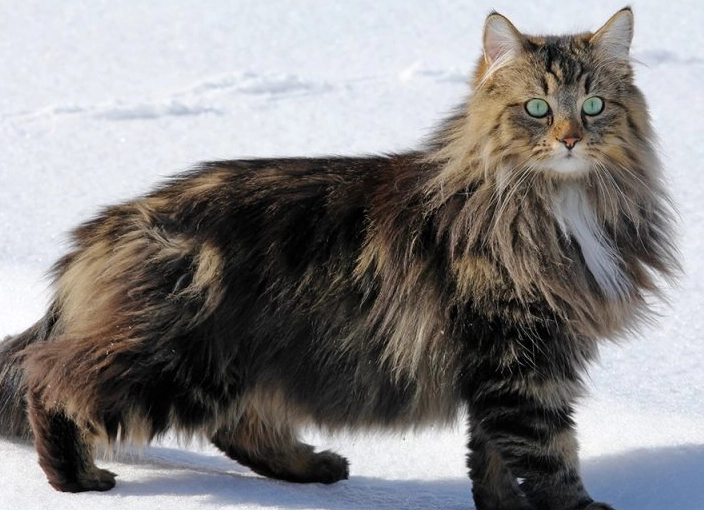
They became fixtures on Viking farms and ships, prized as skilled mousers. You'll find them in Norse mythology—some say the goddess Freya's chariot was pulled by two large, magical cats. By the 20th century, they were almost lost due to crossbreeding with other domestic cats. Dedicated breeders in Norway began a formal preservation program in the 1930s. The breed was officially recognized in Europe in the 1970s and by the Cat Fanciers' Association (CFA) in 1993. So when you look at a Wegie, you're looking at a living piece of history.
Anatomy of a Legend: Key Physical Traits
Everything about the Norwegian Forest Cat is built for survival and efficiency. They're a slow-maturing breed, often not reaching full size until they're around 5 years old.
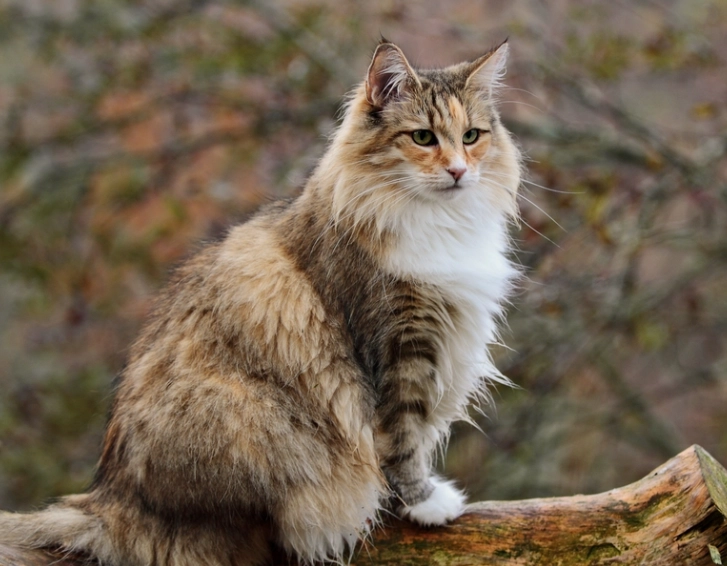
Size & Build: Males typically weigh 12 to 16 pounds, with females slightly smaller at 9 to 12 pounds. But it's not just weight—it's substance. They have a powerful, muscular build with a broad chest and strong bone structure. Their back legs are slightly longer than their front, giving them a distinctive, powerful stance and incredible jumping ability.
The Famous Coat: This is their crowning glory and the source of most owner questions. It's a double-layered coat:
- Dense, woolly undercoat: Provides insulation against the cold.
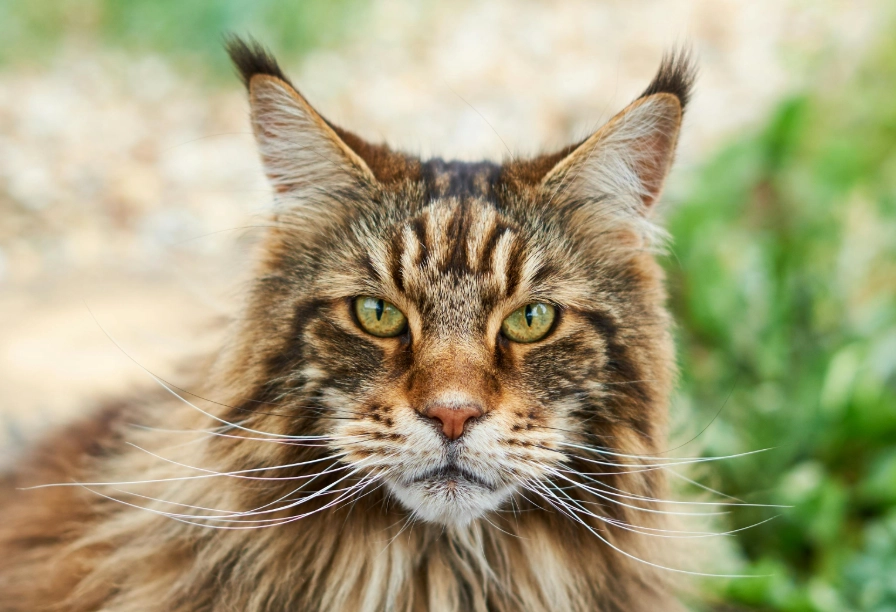
- Long, water-resistant topcoat: The guard hairs are smooth and oily, helping shed snow and rain. The coat is longest on the chest (the "bib"), back of the thighs ("britches"), and tail, which is incredibly bushy.
Contrary to what you might think, the texture isn't silky. It's more coarse, which helps prevent matting in the wild—though not completely in a domestic setting.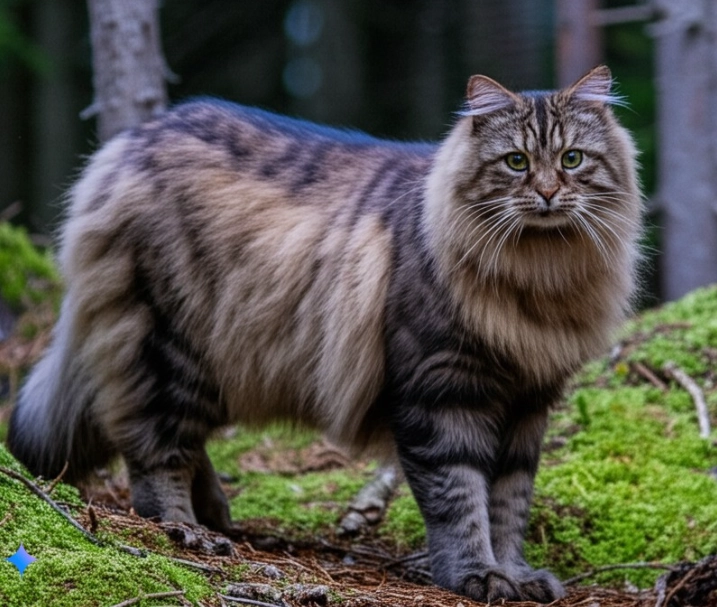
Color & Patterns: They come in almost every color and pattern except the pointed patterns seen in Siamese cats. You'll see solids, tabbies (classic, mackerel), tortoiseshell, calico, and bi-colors. The classic "tabby with white" is a very common and striking look.
Other Distinct Features: Look for the lynx-like tufts on their ears and the impressive ruff around their neck. Their paws are large, round, and heavily furred between the toes (snowshoe paws), acting as natural snowshoes.
The Wegie Temperament: Independent but Affectionate
If you want a cat that's glued to your lap 24/7, a Wegie might frustrate you. If you want a companion who shares your space with quiet confidence and occasional bursts of affection, you've hit the jackpot.
They're often described as "dog-like" in their loyalty. My boy follows me from room to room, not necessarily to be petted, but just to be near the action. He'll greet me at the door but then wander off after a quick head-butt. They form strong bonds with their family but usually aren't needy or overly demanding.
Intelligence & Play: These are smart cats. They enjoy puzzle feeders and can learn tricks (like fetch—many Wegies love it). They retain their strong hunting instincts, so wand toys that mimic birds or mice are a big hit. Don't be surprised to find them perched on the highest point in your home; they are phenomenal climbers and need vertical space.
Voice: They tend to be quiet. They communicate with soft chirps and trills more than loud meows. The classic image is of a Wegie sitting by a window, quietly observing the world.
A common misconception is that their thick fur makes them aloof or less cuddly. Not true. They enjoy affection on their own terms and can be wonderfully gentle and patient.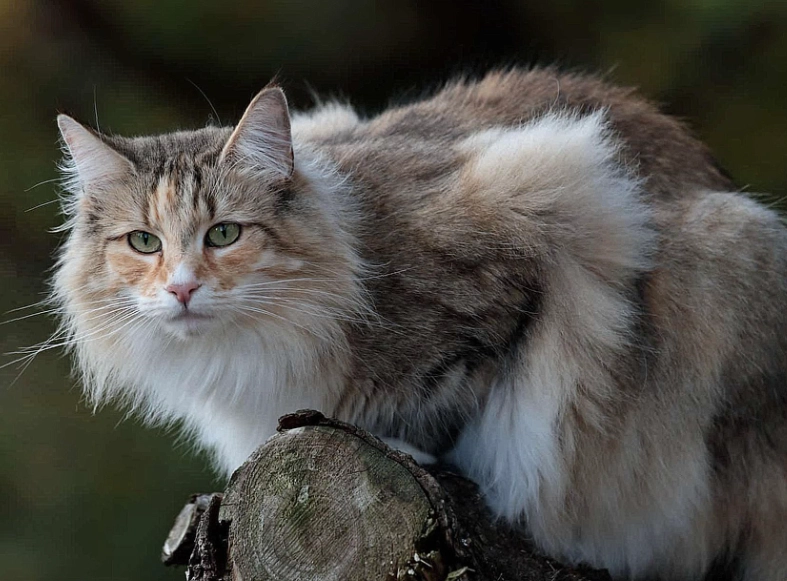
Care Essentials: It's All About the Coat
Here's where new owners get tripped up. That gorgeous coat doesn't maintain itself.
Grooming: The Non-Negotiable Routine
You can't just brush the surface. You need to get down to the undercoat. During most of the year, brushing 2-3 times a week with a wide-toothed metal comb and a slicker brush is perfect. The comb tackles undercoat tangles, the brush smooths the topcoat.
Then there's "the blow." Twice a year, usually in spring and fall, they shed their entire undercoat. This period lasts 4-6 weeks, and during it, daily brushing is mandatory. If you skip it, you'll get mats, especially under the arms and around the britches. Mats pull on the skin and are painful. I've had to carefully cut out a small mat or two when life got busy—it's a guilt trip you don't want.
Bathing? Rarely needed unless they get into something sticky. Their coat is naturally clean. Nail trimming and ear checks are standard for any cat.
Diet, Exercise, and Environment
They're large, active cats. Feed a high-quality diet appropriate for their life stage. Monitor their weight; despite their frame, they can become obese if overfed and under-stimulated.
Exercise is mental and physical. A tall, sturdy cat tree is the best investment you can make. Think floor-to-ceiling if possible. They need to climb. Interactive play sessions are a must to keep their minds sharp.
They adapt well to indoor life (which is safest), but they appreciate a secure catio or supervised time on a harness if you're patient with training.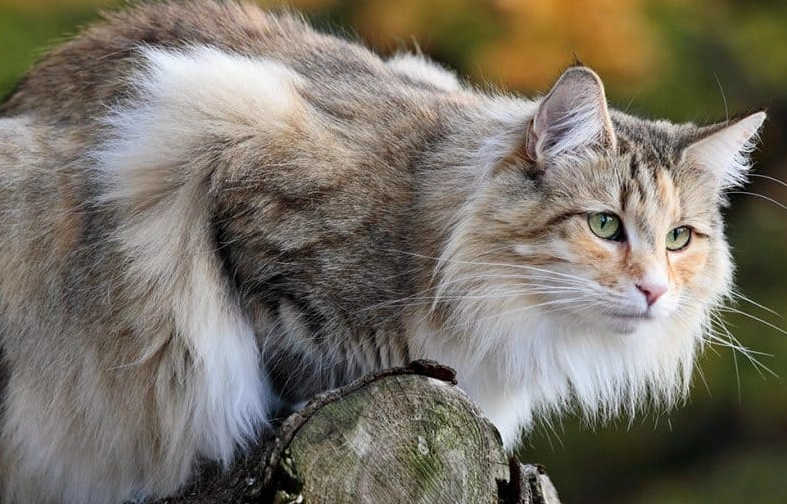
Health and Lifespan: What to Watch For
Norwegian Forest Cats are generally healthy with a lifespan of 14-16 years. However, being a purebred, they have some genetic predispositions responsible breeders screen for.
Hypertrophic Cardiomyopathy (HCM): This is a form of heart disease that can affect the breed. Reputable breeders test their breeding cats via echocardiograms. Ask for proof of parent testing.
Glycogen Storage Disease IV (GSD IV): A rare but serious inherited metabolic disorder. Most reputable breeders have eliminated this through DNA testing.
Hip Dysplasia: Due to their large size, some can be prone to hip issues. This is another reason to maintain a healthy weight.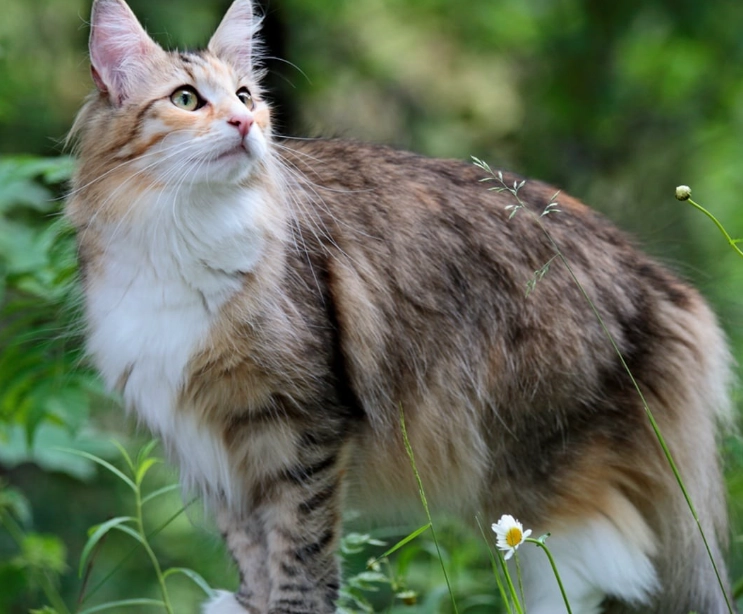
Regular vet check-ups are crucial. Their thick coat can also hide weight loss or lumps, so get hands-on during cuddle time to feel for anything unusual.
Is a Norwegian Forest Cat the Right Pet for You?
Let's be real. They're not for everyone.
Choose a Wegie if: You want a calm, family-oriented companion. You have other pets or children (they're typically very tolerant). You're committed to a regular grooming schedule. You can provide ample vertical space. You appreciate an intelligent, somewhat independent personality.
Think twice if: You want a low-maintenance coat. You're away from home constantly. You live in a very hot, humid climate without air conditioning (they suffer in heat). You need a cat that's always in your lap.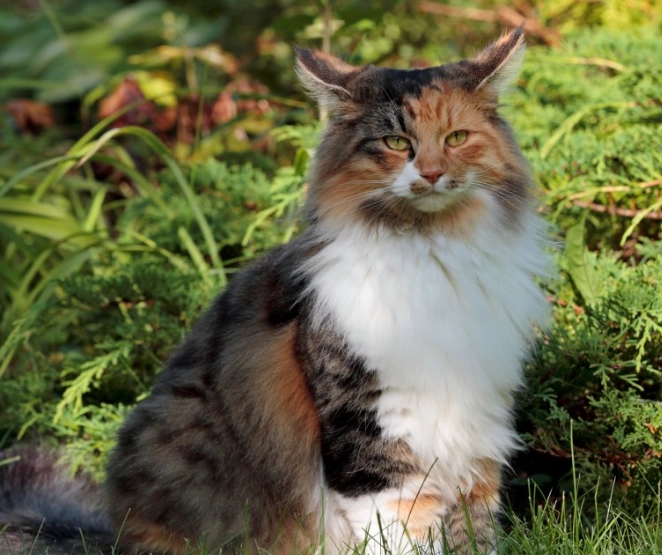
If you decide to get one, please go to a reputable breeder. Look for those who are registered with associations like CFA or TICA, who perform health screenings, who raise kittens in their home, and who ask you as many questions as you ask them. The waitlist might be long, but it's worth it for a healthy, well-socialized kitten. Adoption is rarer but possible; check breed-specific rescues.
Your Norwegian Forest Cat Questions Answered
Norwegian Forest Cat shedding: how bad is it really?
Can a Norwegian Forest Cat be an indoor-only pet?
What's the biggest mistake new Norwegian Forest Cat owners make?
Are Norwegian Forest Cats good with dogs and young children?
Owning a Norwegian Forest Cat is a commitment to grooming and providing the right environment, but the reward is a magnificent, gentle companion with a presence that's both regal and comforting. They're a living link to a wilder past, perfectly content to rule over your modern home with quiet grace.