In This Guide
Let's be honest. When you think of black cats, what's the first thing that pops into your head? For a lot of people, it's still that silly image of a cat crossing a path and bringing bad luck. It's everywhere—in cartoons, Halloween decorations, old wives' tales. I used to half-believe it myself, until a little jet-black kitten decided my porch was its new home.
That was ten years ago. His name is Shadow (original, I know), and he's been nothing but a purring, biscuit-making source of joy. The only "bad luck" he's brought is the bad luck of running out of his favorite treats too quickly. It got me thinking, why do these beautiful animals get such a rotten reputation? And more importantly, what are people missing out on because of it?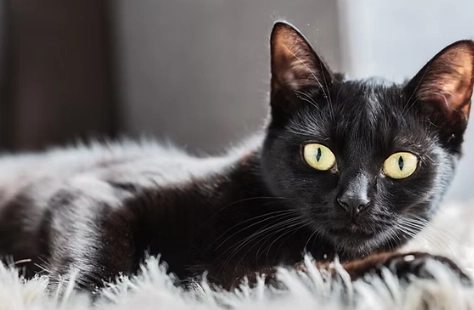
This isn't just about feel-good stories, though. If you're here, you're probably curious. Maybe you're considering adopting a black cat and want the real scoop. Maybe you already have one and are looking for better care tips. Or maybe you're just tired of the myths and want some facts. That's what this is for. We're going to dig into everything—the history of the superstition, the stunning variety of black cat breeds, how to actually care for them, and what their quirky behaviors really mean. Consider this your all-in-one manual for understanding and appreciating these sleek, mysterious, and utterly charming felines.
Did you know? In many cultures, black cats are considered good luck. In Japan, they are believed to attract suitors for single women. In the British Isles, a black cat entering your home or a bride receiving one as a gift is seen as highly fortunate. It's all about perspective.
The Heart of the Matter: Why Black Cats Are So Special
Forget the spooky stuff for a minute. What makes a black cat different from an orange tabby or a calico? On one level, nothing but the color. They have the same range of personalities—some are lap cats, some are aloof, some are playful goofballs. But there's something about their all-black coat that feels...elegant. It's like living with a miniature panther.
Their fur can be a revelation in sunlight. It's rarely just flat black. You'll see hidden hues of rusty brown, dark chocolate, or even a smokey grey. It shimmers. And their eyes? Against that dark canvas, colors like gold, green, or copper absolutely pop. It's a stunning contrast you don't get with other cats.
I've also noticed something else, though I don't have hard data to back it up—just my own experience and chats with other black cat owners. Many of them seem to have a particularly deep, resonant purr. Shadow's purr is like a little motorboat, and it's the first thing he does when he sees me. It feels like a secret, super-powered form of affection.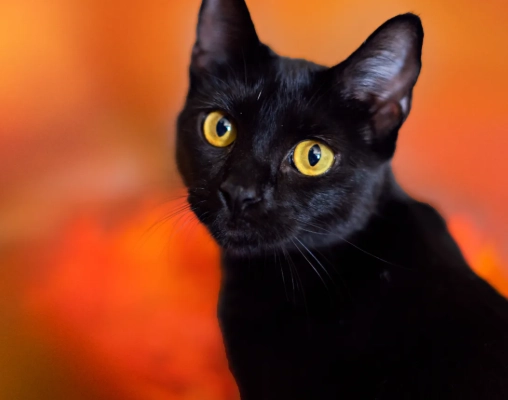
The Unfortunate Reality: Black Cat Syndrome
Here's the sad part, and it's a big reason why I'm writing this. Shelters across the U.S. and U.K. report a phenomenon often called "Black Cat Syndrome." It's the tendency for black cats (and often black dogs too) to be overlooked for adoption in favor of lighter-colored animals. The reasons are a messy mix of lingering superstition, their faces being harder to photograph clearly in shelter kennels (making online profiles less appealing), and just plain old-fashioned nonsense.
Organizations like the ASPCA (American Society for the Prevention of Cruelty to Animals) work tirelessly to promote all shelter pets, but the bias persists. It means wonderful black cats often wait longer for a home. That's a tragedy, because as anyone who has loved one knows, they make incredible companions. Adopting a black cat isn't just getting a pet; it's giving a deserving animal a chance it might not otherwise get.
Debunking the Myths: Let's Set the Record Straight
Myth #1: A black cat crossing your path brings bad luck. This is the big one. Its origins are murky, but it really took hold in Europe during the Middle Ages. Cats, being nocturnal and independent, were wrongly linked to witchcraft. The Pope himself even declared black cats to be an incarnation of the devil. Seriously. This fear led to the mass killing of cats, which historians think may have ironically worsened the spread of the Black Plague (carried by rats, which cats would have hunted). So, the real bad luck was not having the cats around!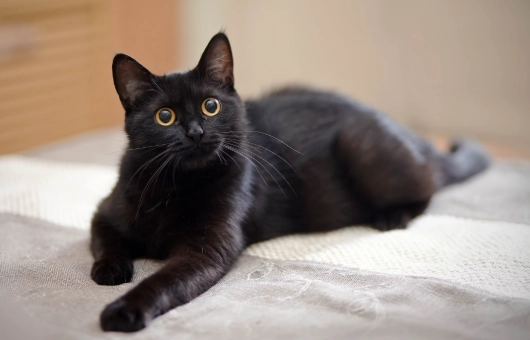
Think about it logically. Does a brown rabbit crossing your path mean anything? What about a grey squirrel? Of course not. A cat crossing a road is just a cat going from point A to point B. It has no cosmic awareness of your travel plans. Giving this power to an animal is, frankly, a bit silly when you break it down.
Myth #2: Black cats are associated with witches and evil. This is a classic case of guilt by association. During the witch hunts, it was believed that witches could turn into black cats to sneak around. Some also believed that witches kept black cats as "familiars," or spirit helpers. In reality, cats were probably just kept as pest control in homes and apothecaries. The association is a historical smear campaign, not a fact of their nature.
In fact, if you look at modern pop culture, black cats are often being reclaimed as symbols of mystery and magic—the cool kind. Think of Salem from *Sabrina the Teenage Witch* or the sleek feline in *Coraline*. They're characters with personality, not just evil props.
Myth #3: Black cats are less friendly or more aloof. This one really gets me. Coat color has zero genetic link to personality in cats. Personality is determined by breed, individual genetics, and, most importantly, early life socialization and experiences. I've met cuddly black cats, shy tortoiseshells, and aggressive orange tabbies. Shadow follows me from room to room like a dog. To judge a cat's heart by its coat is like judging a book by a single-color cover.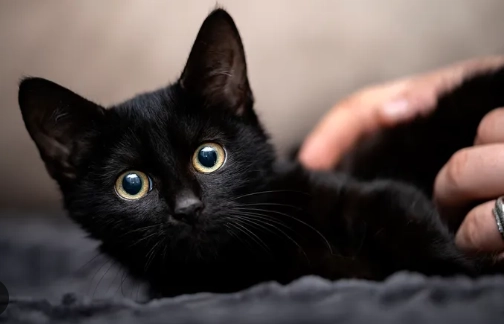
A World of Ebony: Popular Black Cat Breeds
Not all black cats are the same! While many are wonderful domestic shorthairs or longhairs (the fancy term for "mutt"), several purebred cats can come in stunning solid black. Here’s a look at some of the most notable ones.
| Breed | Coat Type | Key Personality Traits | Special Notes for Black Variants |
|---|---|---|---|
| Bombay | Short, sleek, patent-leather shine | Outgoing, people-oriented, playful, often "dog-like" | Bred specifically to look like a miniature black panther. Copper eyes are breed standard. |
| British Shorthair | Dense, plush, "crisp" plush coat | Calm, easygoing, dignified, not overly demanding | The black coat is rich and solid. Their round faces and eyes look especially charming. |
| Maine Coon | Long, shaggy, water-resistant | Gentle giant, friendly, intelligent, often enjoys water | A large, majestic black cat with tufted ears. Can have impressive, lion-like fur. |
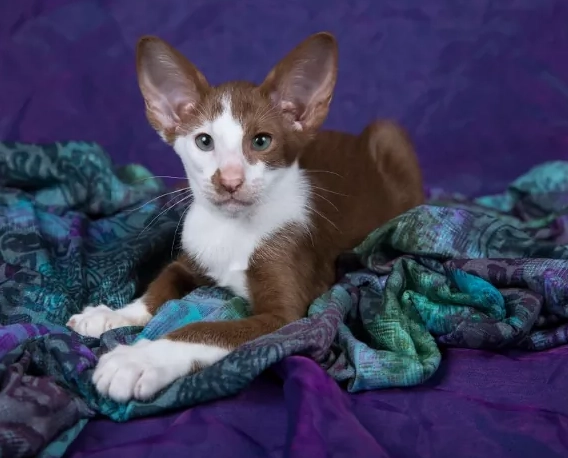
| Oriental Shorthair | Very short, fine, close-lying | Extremely vocal, social, active, and acrobatic | Ebony is a standard color. Their angular features and large ears create a striking silhouette. |
| Domestic Shorthair/Longhair | Varies widely | Varies widely—the ultimate personality lottery! | The most common type in shelters. Every black cat is unique. Health is often robust due to mixed genetics. |
My Shadow is a domestic shorthair, and his personality is a unique mix. He's chatty but not yowly, cuddly but only on his terms (usually at 3 AM), and has a bizarre obsession with stealing hair ties. You truly never know what you're going to get, and that's part of the fun.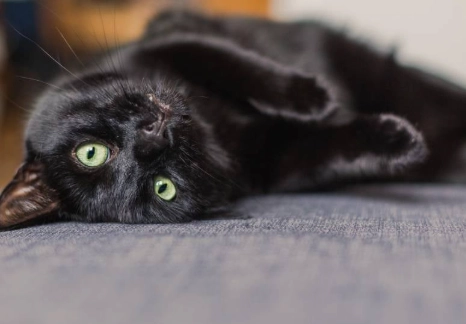
Your Guide to Black Cat Care: It's Not All Black and White
Caring for a black cat isn't fundamentally different, but their dark coat presents a few unique considerations. Let's get practical.
Grooming and Shedding (The Invisible Fur Problem)
Here's a classic black cat owner complaint: you wear a black shirt, you're covered in white fur. You wear a white shirt, you're covered in black fur. You can't win. Their fur shows up on everything. Regular brushing is your best friend—it controls shedding and reduces hairballs. For short-haired black cats, a rubber grooming brush or a fine-toothed comb once or twice a week works wonders. For long-haired black cats, daily brushing is essential to prevent mats, which can be painful and hard to spot in the dark undercoat.
Pro Tip: During brushing, run your hands over their body too. It's a bonding experience and lets you feel for any lumps, bumps, or tender spots that might be hidden by all that dark fur. Early detection is key for any health issue.
Health Considerations: Is There a Genetic Link?
This is a common question. The short answer is: maybe, but it's complicated. The gene for black fur is dominant. Some studies, like those referenced by resources from Cornell University's Feline Health Center, have suggested that the genetic mutations associated with black coat color might be linked to better disease resistance. The theory is that the genes for melanism (dark pigmentation) could be tied to stronger immune systems. It's fascinating, but not yet definitive.
What is more important is that black cats are not prone to any specific color-linked diseases like some purebred dogs are. Their main health needs are universal: a quality diet, regular veterinary check-ups, dental care, and keeping them indoors. Speaking of indoors...
The Indoor Cat Debate: A Non-Negotiable for Black Cats?
I'm going to be firm on this one. Black cats should be indoor-only cats. This isn't just about superstition around Halloween (though many shelters suspend black cat adoptions in October to prevent malicious acts). It's about year-round safety.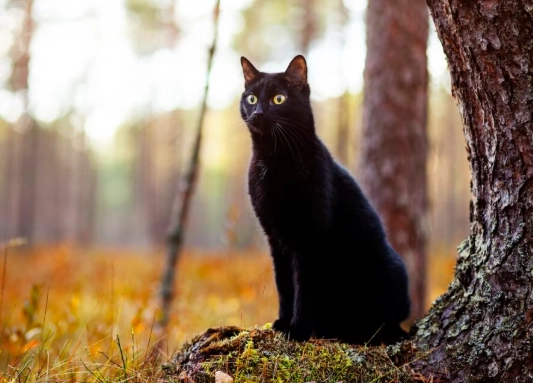
- Visibility: They are incredibly hard to see at night. Drivers might not see them dart across a road.
- Predation & Theft: They can be more vulnerable to other animals and, sadly, to people who might want to harm them based on their color.
- Longer Lifespan: The Humane Society of the United States states unequivocally that indoor cats live significantly longer, healthier lives on average than outdoor cats.
This doesn't mean they can't enjoy the outdoors. Leash training, catios (enclosed patio spaces for cats), or simply a secure, screened window perch can provide all the fresh air and stimulation they need safely.
Understanding Your Black Cat's Secret Language
Cats communicate with their whole bodies. With a black cat, you sometimes have to pay extra attention to the subtle signals since they can blend into shadowy corners!
Tail Talk
A tail held high like a flag means a happy, confident cat. A puffed-up tail means fear or aggression. A low, twitching tail can signal irritation or focused hunting mode. Watch that tail—it's a mood barometer.
The Meaning of the Meow
Cats don't meow at each other much; they developed it largely to communicate with us. A short, high-pitched meow is often a friendly "hello!" A long, drawn-out yowl might be a complaint ("My bowl is empty!") or a call (especially in unspayed females). Shadow has a specific trill he uses only when he brings me a "present" (usually a crumpled paper ball).
Eyes and Ears
Slow blinking is a cat's "I love you." Try slow blinking back at your black cat; you might be surprised when they do it back. Ears forward show interest, ears flattened sideways or back indicate fear or anger. In a dark room, those ear silhouettes are your clue.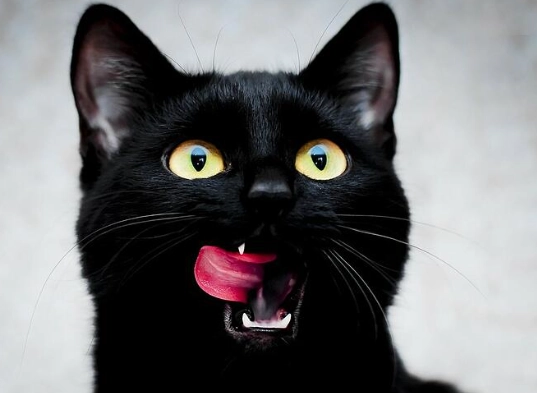
It's all about observation. The more you watch, the more you'll understand.
Answers to Your Burning Black Cat Questions
Let's tackle some of the specific things people search for.
No scientific evidence supports this. Affection is individual. However, some shelter workers anecdotally suggest that black cats who have been overlooked might be extra appreciative and loving once they finally get a home. It's not the color; it's the circumstance.
They can have any eye color! Yellow/gold and green are very common and stunning against the black fur. Some, like the Bombay breed, have brilliant copper eyes. Blue eyes are rarer in fully black cats and can sometimes be linked to deafness, especially if the cat is white-pawed (though this is more strongly associated with white cats).
This is called "rusting" and it's completely normal! It's caused by sun exposure breaking down the black pigment (melanin) in the hair, revealing underlying reddish tones. It's like how human hair can get sun-bleached. It doesn't mean they're unhealthy, just that they've been enjoying a sunny spot. Some cats have a genetic undercoat that is a lighter color, which can also show through.
Yes, this is a legitimate challenge. Their features can get lost in a dark blob in automatic camera modes. The trick is good, even lighting from the front, not behind. Get down on their level. Use your phone's portrait mode or tap to focus on their eyes. The payoff—a photo that captures their luminous eyes and sleek form—is worth the effort.
Ask yourself the same questions you would for any cat: Can I afford food, litter, and vet care? Do I have time for play and companionship? Is my home safe? Am I committed for their entire life (15+ years)? Then, add one more: Am I ready to be a proud ambassador against silly stereotypes and love this animal for the wonderful individual it is? If yes, you're in for a truly special experience.
Look, at the end of the day, a black cat is just a cat. But in another way, they're so much more. They're a walking lesson in not judging by appearances. They're a chance to be part of undoing centuries of unfair reputation. And most importantly, they're potential family members waiting in a shelter, full of love and personality, just hoping someone will see past the color of their fur and into the charm of their character.
Shadow is napping on my keyboard as I finish this. He's left a few extra "black cat glitter" (fur) on the keys as his contribution. I don't consider it bad luck. I consider it a reminder of the quiet, purring presence that has made my home happier for a decade. Maybe one will do the same for yours.