Quick Navigation
- The Heart of the Matter: Traditional vs. Modern Siamese
- Beyond the Two: The Spectrum and Recognized Variants
- Personality and Care: What Really Matters
- Health and Lifespan: Are There Differences Between the Types?
- How to Choose: Traditional or Modern Siamese?
- Finding Your Siamese: Breeders, Rescues, and Red Flags
So, you're asking the question that stumps a lot of potential cat owners and even some longtime enthusiasts: are there two types of Siamese cats? I remember the first time I saw a classic, round-faced Siamese painting in an antique shop, and then later that week, I met a friend's sleek, angular, chatty feline. I thought they were completely different breeds. It turns out, the answer is both simple and wonderfully complex. The short answer is yes, broadly speaking, there are two main camps—often called the Traditional (or Applehead) and the Modern (or Wedgehead). But to stop there would be a disservice to this incredible breed. It's more of a spectrum, a story of changing tastes in the cat fancy world, and understanding it helps you figure out which purring companion might be right for you.
Let's get one thing straight from my own experience browsing forums and talking to breeders: the debate can get heated. Purists on one side, modern enthusiasts on the other. I find the history behind it all more fascinating than the argument itself.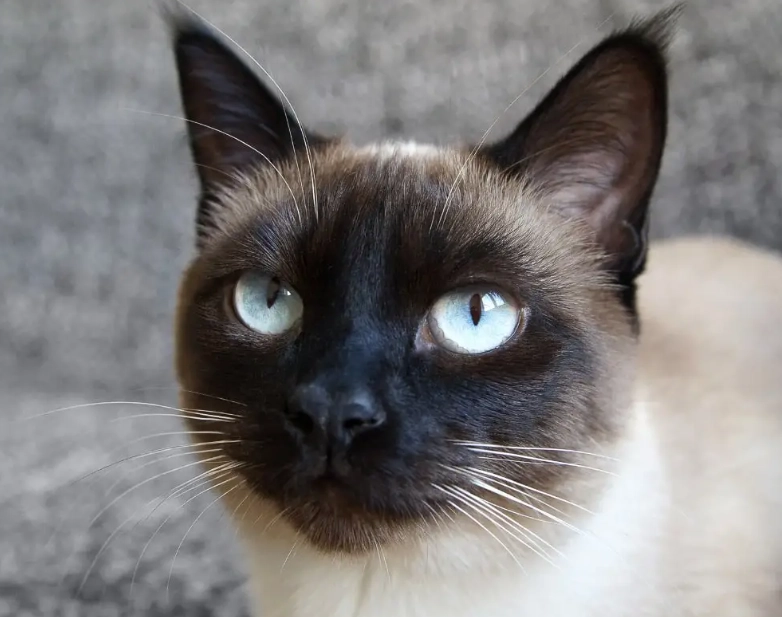
The Heart of the Matter: Traditional vs. Modern Siamese
When people wonder "are there two types of Siamese cats," they're usually sensing this fundamental split. It's not officially about separate breeds in most major registries like The Cat Fanciers' Association (CFA) or The International Cat Association (TICA). They have one Siamese breed standard. However, that standard has evolved dramatically over the decades, leading to two distinct physical appearances that coexist today.
Think of it like this: Imagine a car model that's been produced for 100 years. A 1920s version and a 2020s version are both "Model X," but they look and feel completely different due to design trends. That's the Siamese story.
The Traditional Siamese (Applehead or Old-Style)
This is the Siamese of your grandmother's stories, the one from the "Lady and the Tramp" movie. They are what originally came from Thailand (formerly Siam). Their look is more moderate, some might even say "cobby" compared to their modern relatives.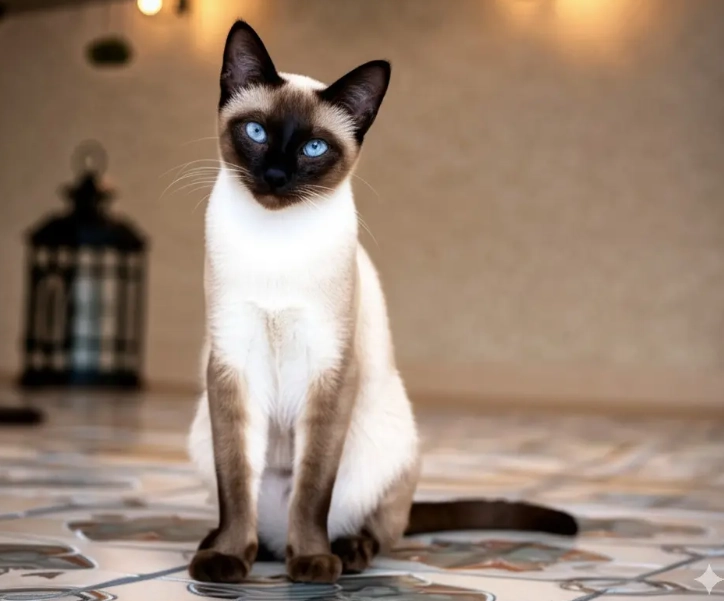
- Head: Rounded, often described as an "apple" shape. The skull is more rounded between the ears.
- Body: Sturdier, more muscular, and medium in size. They have a feeling of substance when you pick them up.
- Eyes: Still a stunning, deep blue, but they are almond-shaped, not overly slanted.
- Profile: There's a noticeable dip, but not an extreme straight line from forehead to nose.
- Ears: Medium-sized, proportional to the head.
Their personality is every bit the classic Siamese: vocal, affectionate, and deeply bonded to their people. But some owners and breeders of traditional lines claim their voices are slightly less piercingly loud. I'm not entirely convinced there's a major personality difference—they're all clever and demanding in my book.
The Modern Siamese (Wedgehead or Show-Style)
This is the Siamese you most commonly see in modern cat shows and popular media. Starting around the 1950s and 60s, breeders selectively aimed for a more extreme, refined look. The goal was elegance and length in every line.
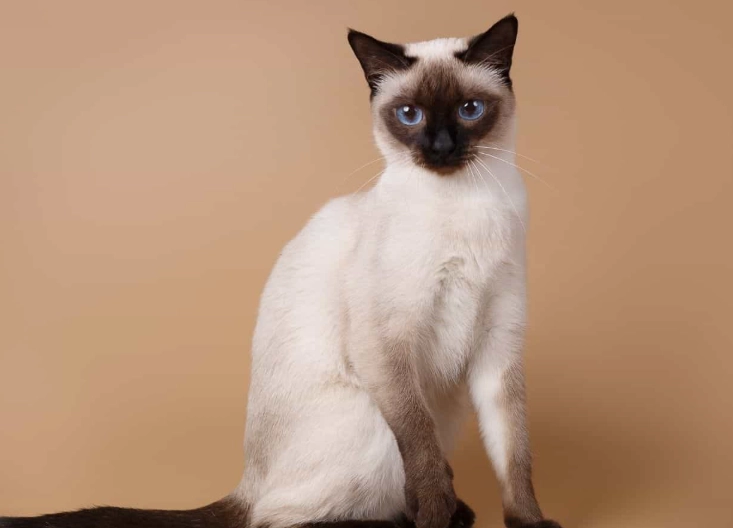
- Head: A long, triangular wedge. The lines from the nose to the tips of the ears form a perfect triangle. The skull is flat.
- Body: Long, tubular, slender, and svelte. They are fine-boned and feel light as a feather. They're all sleek angles and grace.
- Eyes: Brilliant blue, almond-shaped, but distinctly slanted, following the line of the wedge.
- Profile: A perfectly straight line from the forehead to the tip of the nose. No break.
- Ears: Strikingly large, wide at the base, and pointed, continuing the wedge lines.
They possess the legendary Siamese personality in spades—incredibly talkative, athletic, and intelligent. That piercing, raspy meow? You'll get it in full force. They can be real comedians and are constantly in motion.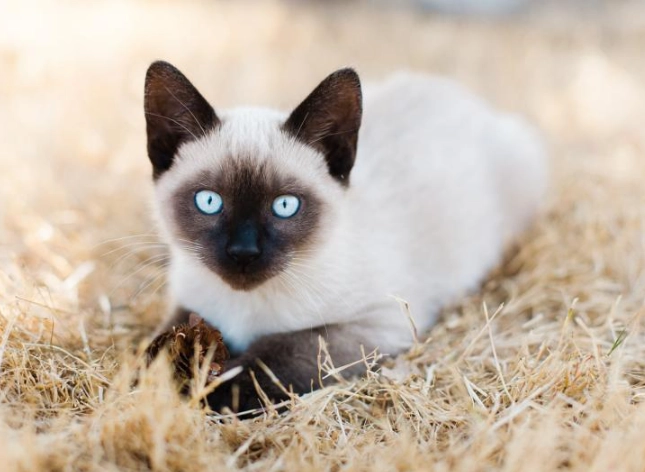
| Feature | Traditional Siamese (Applehead) | Modern Siamese (Wedgehead) |
|---|---|---|
| Head Shape | Rounded "apple" shape | Long, triangular "wedge" |
| Body Type | Medium, muscular, substantial | Long, slender, tubular, fine-boned |
| Eyes | Almond-shaped blue | Almond-shaped, slanted blue |
| Profile | Visible dip/break | Perfectly straight line |
| Ears | Medium, proportional | Very large, wide-set |
| Historical Era | Original import, pre-1950s | Post-1950s show standard evolution |
| Common Nickname | Old-Style, Classic | Show-Style, Contemporary |
So, when someone asks are there two types of Siamese cats, you can confidently point to this table. But here's where it gets interesting. The cat fancy world isn't black and white.
Beyond the Two: The Spectrum and Recognized Variants
Calling it just "two types" is a bit of a simplification, and this is where many shorter articles drop the ball. Between the ultra-traditional and the ultra-modern, there's a whole range. Some cats are "moderate traditional" or "moderate modern." Furthermore, several distinct color-point shorthair breeds sprang directly from the Siamese, which complicates the picture for newcomers.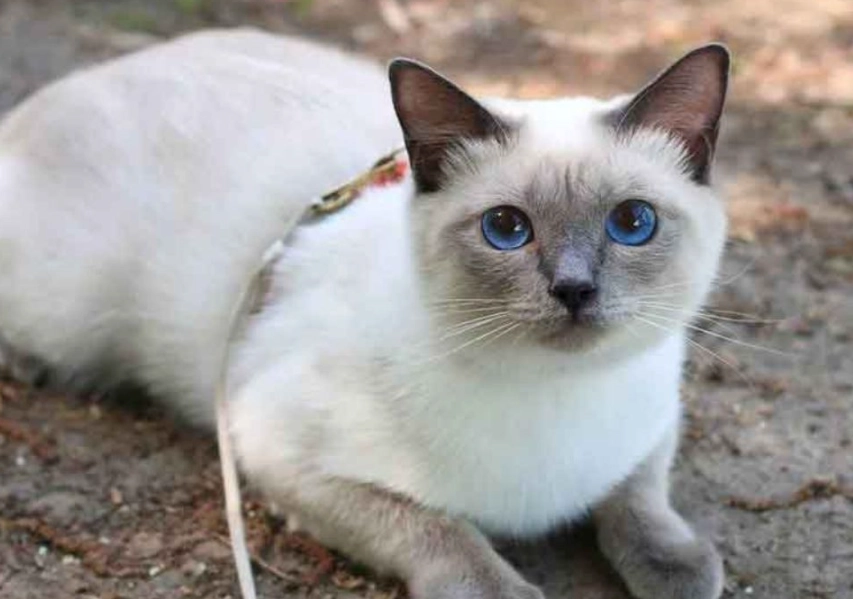
The "In-Between" Cats
Many responsible breeders don't aim for the most extreme versions. You'll find cats that blend traits—a moderately wedge-shaped head on a body that isn't excessively slender, for instance. These cats are often healthier and just as beautiful, in my opinion. Organizations like TICA sometimes have a broader standard that allows for more body types than the CFA's very specific wedge ideal.
Close Cousins: The Colorpoint Family
This is crucial. In the mid-20th century, breeders outcrossed Siamese to other breeds to introduce new point colors. The resulting cats were initially called "Colorpoint Longhairs" (now Balinese) and "Colorpoint Shorthairs."
- Balinese: Essentially a long-haired Siamese. They have the same modern body type and personality, just with a silky, medium-length coat. No undercoat, so they're not prone to matting.
- Oriental Shorthair: This is the Siamese in every way—body, personality, energy—but without the point restriction. They come in over 300 colors and patterns (solid, tabby, shaded, etc.). If you love the Siamese personality but want a black or tabby cat, this is your breed.
- Javanese (in some registries): A long-haired version of the Colorpoint Shorthair/Oriental. Confusingly, the naming varies between associations.
The Cornell Feline Health Center groups these breeds together when discussing common genetic health concerns, which is a smart way to look at it.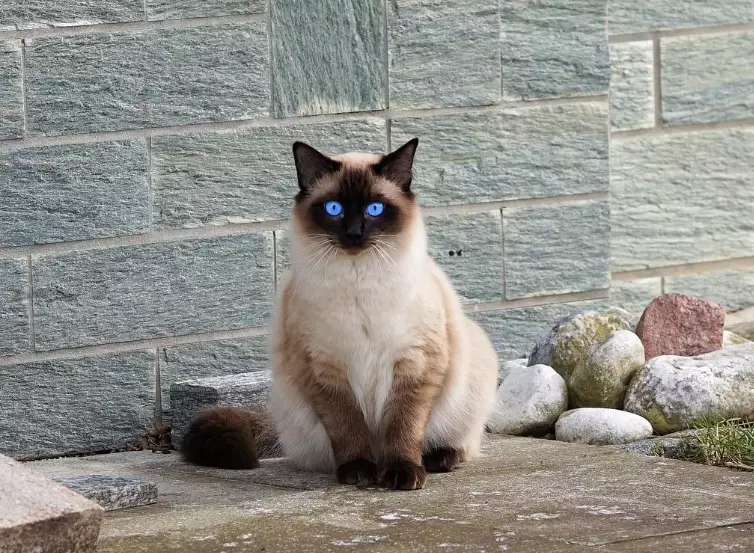
Personality and Care: What Really Matters
Look, the looks are what start the conversation about the two types of Siamese cats, but the personality is why people fall in love. And here, the differences are subtle. Whether Traditional or Modern, you are signing up for a highly social, intelligent, and vocal companion.
The Unifying Siamese Temperament
Don't get a Siamese if you want a quiet, independent lap cat that ignores you. That's not happening. They are often called "dog-like" for good reason.
- Extremely Vocal: They don't just meow. They converse. They have opinions on your work, the empty food bowl, the weather, and everything in between. The modern type's voice is often described as louder and more raspy, but any Siamese can be a chatterbox.
- Demanding of Attention: They form deep, singular bonds and want to be involved in everything you do. They will follow you from room to room. Separation anxiety can be a real issue if they are left alone too long.
- Playfully Intelligent: These cats need mental stimulation. Puzzle feeders, clicker training, leash walks, and interactive toys are not luxuries—they are necessities to prevent boredom and destructive behavior.
I once catsat for a Modern Siamese who learned how to open the specific model of cabinet where the treats were stored. It took him two days. I was equal parts impressed and defeated.
Care Considerations for All Types
Their short coat is easy—a weekly brush is plenty. The real care is in meeting their social and mental needs.
- Consider getting two. Seriously. Having another feline playmate (another Siamese or an equally active breed like an Abyssinian) can save your sanity and keep them happy when you're out.
- Cat-proof your home. Their curiosity and agility are top-tier. Secure high perches, window seats, and tall cat trees. They love to be up high.
- Commit to daily interactive play. Two 15-minute sessions of chasing a wand toy are better than leaving out a mountain of static toys.
Health and Lifespan: Are There Differences Between the Types?
This is a serious consideration and a point of contention. The move toward extreme physical traits in any breed can sometimes bring health issues. When evaluating the two types of Siamese cats, it's wise to look at the potential health implications.
Traditional Siamese advocates often argue their cats are hardier, citing the potential problems linked to the ultra-slim, fine-boned modern build. It's not that Modern Siamese are inherently unhealthy—many live long, robust lives—but the breeding for extremes requires extra caution.
Potential health concerns to discuss with any breeder, regardless of type, include:
- Progressive Retinal Atrophy (PRA): A genetic eye disease that can lead to blindness. Reputable breeders test for this.
- Amyloidosis: A disease where abnormal protein deposits can damage organs, particularly the liver. It has been noted in the Siamese family.
- Dental Issues: Some lines seem prone to gingivitis and stomatitis. Good dental care from a young age is key.
- Respiratory Issues & Crossed Eyes: Historically linked to the original pointed pattern gene, but responsible breeding has made these much less common. You rarely see the crossed eyes (strabismus) anymore.
The most important factor for health is the breeder, not the type. A breeder of Modern Siamese who does full genetic health testing, avoids breeding overly extreme specimens, and prioritizes temperament is a far better choice than a breeder of Traditionals who does none of that.
"The goal of any responsible breeder should be a healthy, temperamentally sound cat that conforms to the breed standard. Extremes that compromise welfare are not acceptable." – A sentiment echoed by many ethical breeders and veterinary resources.
How to Choose: Traditional or Modern Siamese?
So, you've decided a Siamese is for you. The final step in answering "are there two types of Siamese cats" is figuring out which one fits your life and aesthetic.
Ask yourself these questions:
My personal, totally subjective view? I love the look of the Modern Siamese but find some of the most extreme examples a bit… alien. I lean toward the moderate versions or the Traditionals. There's a sweet, wise expression in those apple heads that really gets me. But I'd never turn down either type if they needed a home!
Finding Your Siamese: Breeders, Rescues, and Red Flags
Once you know which of the two types of Siamese cats you're leaning toward, the search begins.
Working with a Breeder
This is the most likely route for getting a specific type, especially a Traditional, as they are less common in general shelters.
- Be Specific: Tell them you are exploring the differences between Traditional and Modern Siamese and ask which they breed. Good breeders are passionate educators.
- Visit the Cattery: See the conditions, meet the parent cats. Do they look healthy and social? A Modern Siamese parent shouldn't look emaciated or frail.
- Ask for Health Records: They should freely offer proof of genetic testing for PRA and other issues, and discuss the health history of their lines.
- Beware of "Cheaper" Kittens: A well-bred, healthy Siamese kitten from health-tested parents is an investment. Low prices often mean cut corners on health and care.
Considering Rescue
Don't overlook breed-specific rescues or even your local shelter. Siamese and Siamese-mixes are not uncommon in rescue. You might not get a kitten, and you might not know the exact lineage, but you can absolutely find a cat with that iconic personality and look. Websites like Petfinder allow you to search by breed. You can often tell by photos if a cat leans Traditional or Modern.
Wrapping It All Up
So, are there two types of Siamese cats? Yes, in the most practical, visual sense. The Traditional Applehead and the Modern Wedgehead represent two ends of a fascinating breed history. One is not better than the other—they are different expressions of the same wonderful, challenging, hilarious, and loving feline spirit.
The real question isn't just about the two types of Siamese cats. It's about which of these magnificent, talkative companions has the look and feel that speaks to your heart, and whether you have the dedicated, active, and patient home their larger-than-life personality requires. Do your homework, choose a source (breeder or rescue) that prioritizes health and ethics, and get ready for life with a feline who will never, ever let you be lonely or bored again.
Honestly, after all this research and talking to owners, I'm tempted myself. That classic applehead look is really growing on me… but then I see a modern one do an incredible backflip for a toy and I'm torn all over again. Maybe the answer is one of each.