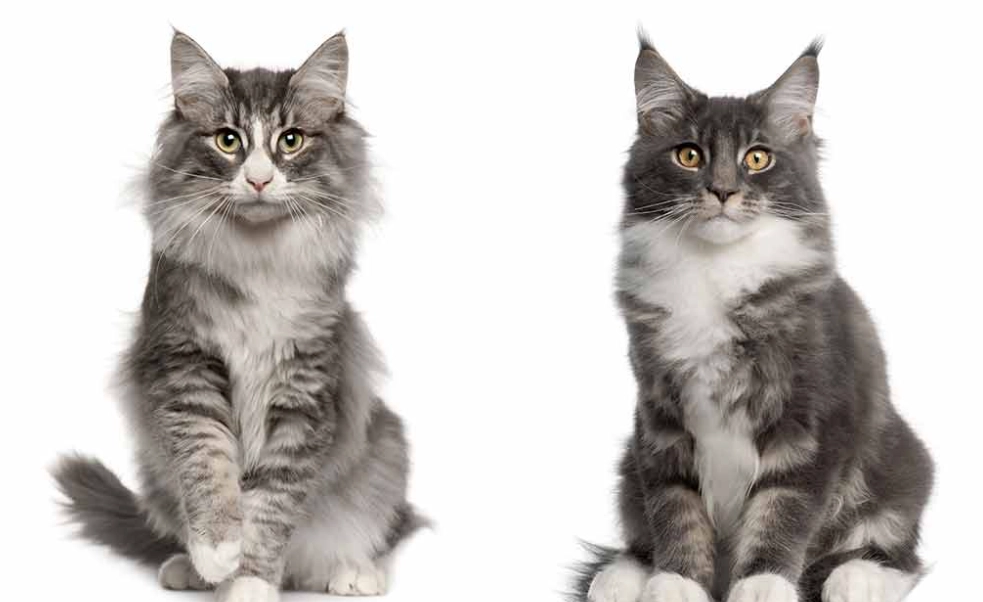
You've seen the pictures. The majestic, long-haired cat with lynx-like ear tufts, looking like it just stepped out of a Scandinavian fairy tale. And now you're wondering, can you actually find one of these mythical creatures in the United States? The short, definitive answer is yes, absolutely. Norwegian Forest Cats, affectionately called "Wegies," have had a established presence in American homes for decades. But finding one, and more importantly, finding a good one from a responsible source, is where the real story begins.
This isn't just a breed you'll stumble upon at every local shelter (though miracles happen). Bringing a Wegie into your life requires a bit of navigation. I've been around these cats and the people who love them for years, and I've seen the excitement and the pitfalls firsthand.
What's in This Guide?
What Makes a Norwegian Forest Cat Unique?
Let's clear something up first. They're not just "big fluffy cats." They're a specific breed with a purpose-built design. Imagine a cat engineered by Vikings for Norse winters. That's the Wegie.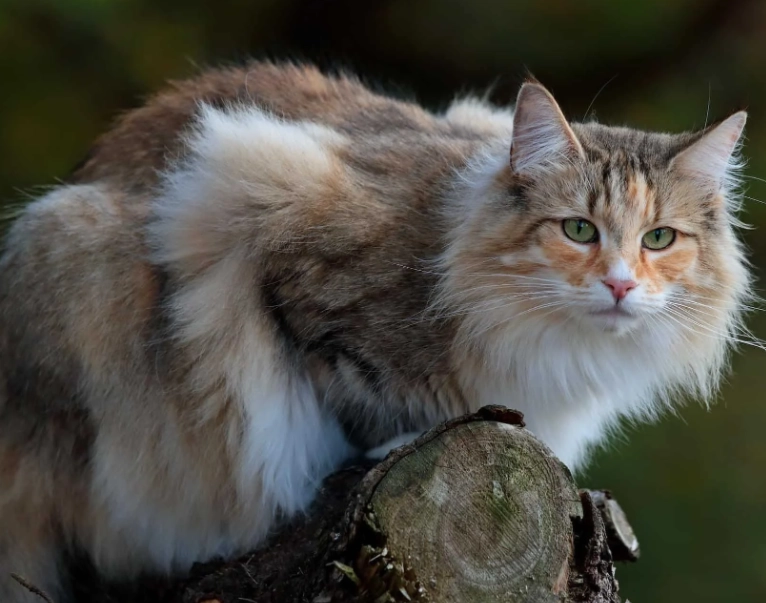
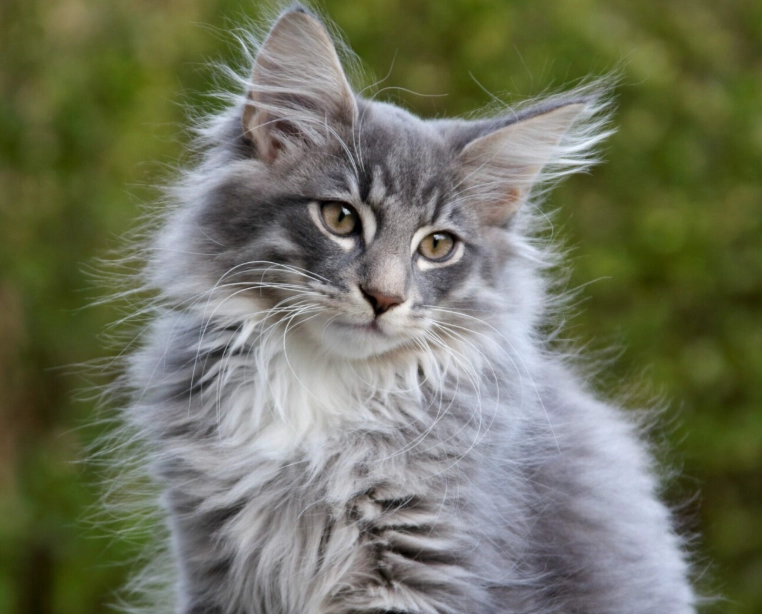
Their most famous feature is the double coat. A dense, woolly undercoat is covered by long, water-shedding guard hairs. This isn't for mere cuteness; it's survival gear. It keeps them warm and dry. Their back legs are slightly longer than the front, making them powerful jumpers and climbers—think of a feline lumberjack. And those ear tufts and full neck ruff? Pure insulation.
Personality-wise, they're often described as gentle giants. They tend to be calm, observant, and deeply bonded to their families without being clingy. They're playful but not hyper, intelligent but not mischievous in a destructive way. Many have a quiet, chirping voice rather than a loud meow.
A Quick Reality Check: That glorious coat comes with a price. During shedding seasons (spring and fall), you will find hair everywhere, no matter how much you brush. They are not a low-maintenance breed in the grooming department. If you're looking for a cat that never sheds, this isn't it.
A Brief History of Wegies in the United States
So how did a cat from the fjords end up in Florida or California? The breed was first officially imported to the US in 1979. The International Cat Association (TICA) was the first major registry to grant them championship status in 1984, with the Cat Fanciers' Association (CFA) following suit in 1993.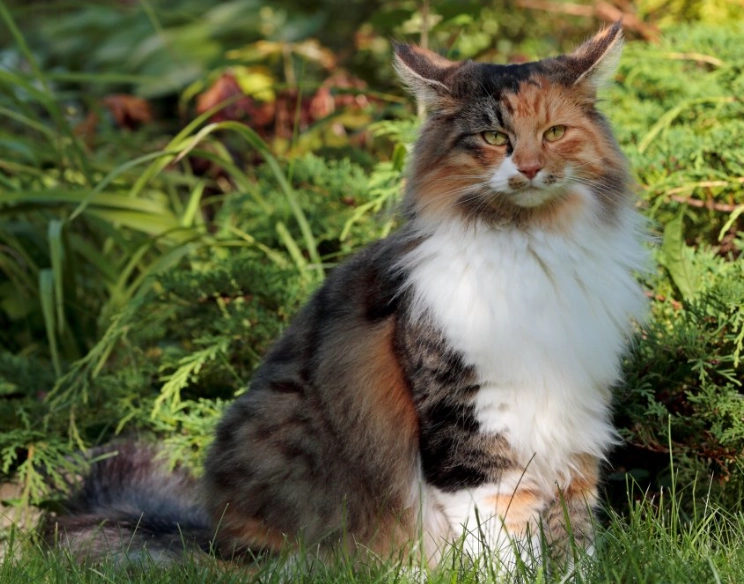
This official recognition was crucial. It meant breeders on this side of the Atlantic could establish pedigreed lines, adhere to a breed standard, and start promoting Wegies beyond a niche curiosity. Early American breeders worked hard to import cats from Europe to ensure genetic diversity and maintain the breed's health and characteristics.
Today, they're not as common as Persians or Maine Coons (a breed they're often compared to), but they have a dedicated following. You'll find breeders and enthusiast clubs in nearly every region.
How to Find a Reputable Norwegian Forest Cat Breeder in the US
This is the most critical step. A good breeder is your gateway to a healthy, well-socialized kitten that truly represents the breed. A bad one can lead to heartbreak, health issues, and a cat that doesn't act or look like the Wegie you wanted.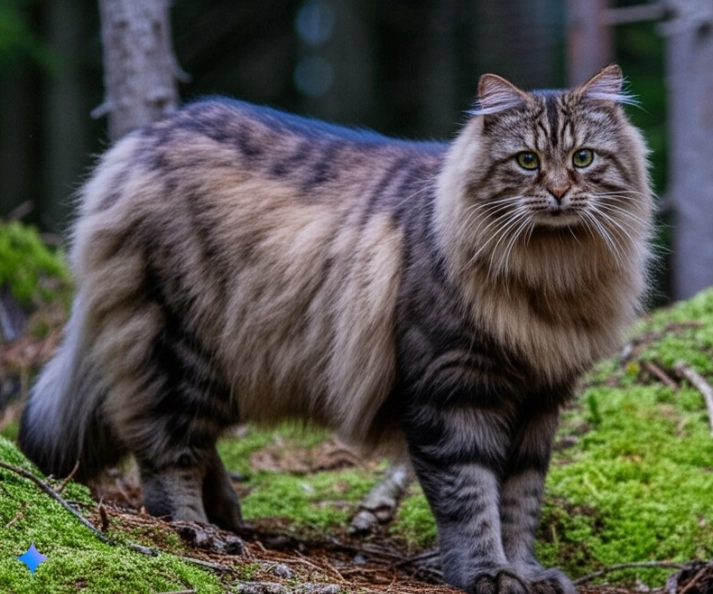
Here’s my blunt advice, born from seeing too many people rush this process: If a breeder has kittens "available now" with no waitlist, that's your first red flag. Reputable breeders plan their litters carefully and often have waiting lists.
Where to Start Your Search
Don't start with Google ads or generic pet listing sites. Start with the breed clubs and registries.
- The Cat Fanciers' Association (CFA) and The International Cat Association (TICA) have online breeder directories. These are vetted starting points.
- Look for the Norwegian Forest Cat Fanciers' Association (NFCFA). A breed-specific club is a goldmine for connecting with dedicated experts.
The Interrogation Checklist (What to Ask a Breeder)
When you contact a breeder, be prepared. A good one will welcome these questions.
| What to Ask | Why It Matters | The Red Flag Response |
|---|---|---|
| Can I see the health testing results for the parent cats? | Norwegian Forest Cats have a few genetic concerns, like Hypertrophic Cardiomyopathy (HCM) and Glycogen Storage Disease IV (GSD IV). Reputable breeders test for these. | "They're healthy, I've never had problems." or "The vet said they're fine." Demand to see the actual lab reports from a cardiologist and genetic screening. |
| Can I visit your home and see the kittens and their mother? | You want to see where the cats live. Are they part of the family? Is the environment clean and stimulating? | "No, for health reasons." While some may have limited visitation post-pandemic, a flat refusal is suspicious. Video calls are a reasonable modern alternative. |
| What is included with the kitten? (Contract, guarantee, vet records) | A responsible breeder provides a detailed contract, a health guarantee, proof of vaccinations and deworming, and registration papers. | No contract, or a contract that doesn't require you to spay/neuter or return the cat to them if you can't keep it. |
| What do you feed them, and what is your socialization process? | This shows their day-to-day care philosophy. Kittens should be exposed to various household sounds, surfaces, and gentle handling. | Vague answers, or the kittens are isolated in a basement or outdoor cattery. |
Expect to pay between $900 and $2,500 for a kitten from a reputable breeder. The price reflects all that testing, care, and expertise.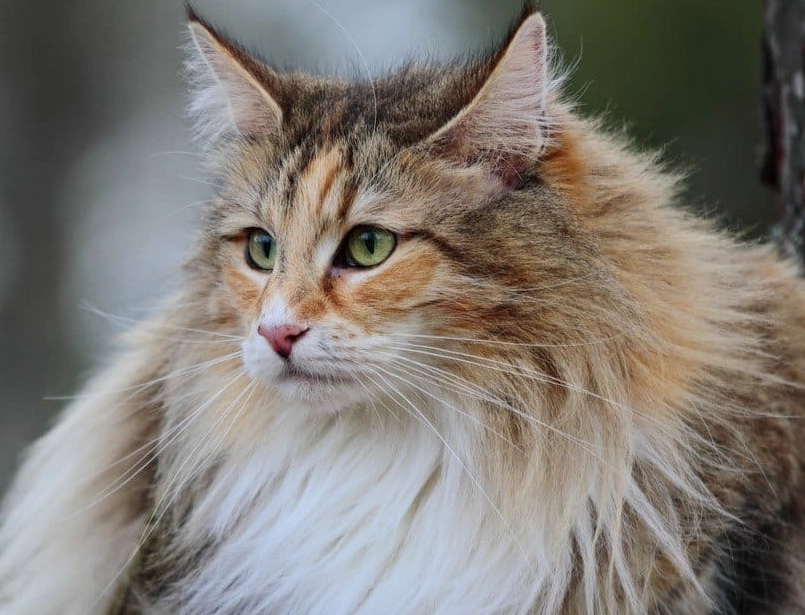
Considering Adoption or Rescue
Purebred Norwegian Forest Cats do occasionally end up in shelters or breed-specific rescues. It's rare, but it happens due to owner illness, life changes, or irresponsible breeding.
How do you find one?
- Petfinder.com and Adoptapet.com: Use the breed filter, but be patient. You might check for months before one appears.
- Breed-Specific Rescues: Some regional rescue groups specialize in purebred cats. A Google search for "Norwegian Forest Cat rescue [your state/region]" can yield results.
- Network with Breeders: Ironically, good breeders are often the first to know about a Wegie in need of rehoming. They maintain a safety net for cats they've bred.
Adopting an adult Wegie can be incredibly rewarding. You skip the crazy kitten phase and get a known personality. The downside? You'll likely have less choice in color, age, and you need to be prepared to address any unknown history.
What It's Really Like to Live with a Wegie in America
Let's talk about daily life. Your American home isn't a Norwegian forest, so some adaptations are helpful.
Climate: People in Arizona or Texas ask, "Can they handle the heat?" Their coat insulates against heat as well as cold, but common sense prevails. Provide air conditioning, cool surfaces (tile floors), and plenty of water. Never shave them—their coat protects their skin from sunburn.
Space & Enrichment: These are agile climbers. A tall, sturdy cat tree is non-negotiable. Think of it as their personal sequoia. They enjoy puzzle toys and interactive play that mimics hunting. A bored Wegie is a sad Wegie.
Grooming Routine: This is the big one. Brush at least twice a week to prevent mats, especially under the arms and around the hindquarters. During heavy sheds, daily brushing is better. Get them used to it as kittens. You'll also need to trim their claws regularly.
Health: Besides the genetic testing mentioned, be proactive with your vet about maintaining a healthy weight. A large frame can hide pounds, and obesity is a major health risk for any cat. Their long hair can also lead to more hairballs.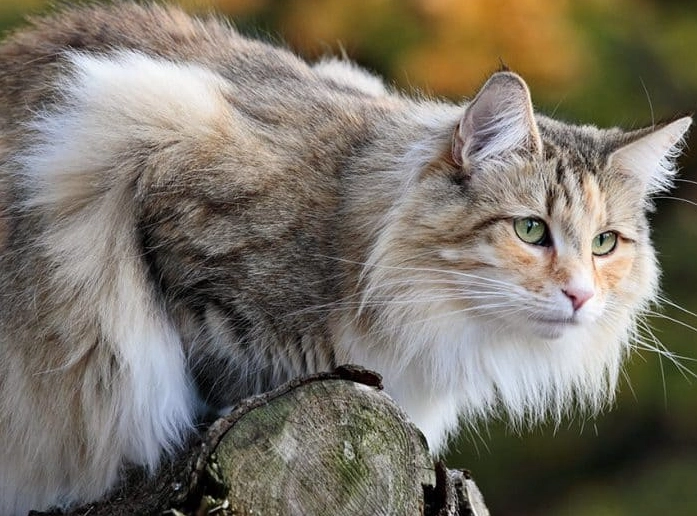
Your Top Questions Answered
So, are there Norwegian Forest cats in the United States? Unequivocally yes. They're here, they're thriving, and they're waiting in carefully planned litters and, occasionally, in rescue groups, for the right home. Finding one requires patience, research, and a commitment to their specific needs. But for those who make the effort, the reward is a breathtakingly beautiful, gentle companion—a little piece of Nordic magic right in your living room.
The journey to getting one is part of the commitment. Do it right, and you'll have a friend for the next 12-15 years who will constantly remind you of the wild, elegant spirit they carry within.