Quick Guide
- Where Did the Tonkinese Cat Come From? A Bit of Feline History
- What Does a Tonkinese Cat Look Like? The Mink Coat and Aqua Eyes
- The Tonkinese Personality: Not a Wallflower
- Living With a Tonk: Care, Health, and the Daily Grind
- Finding Your Tonkinese Kitten: Breeder vs. Rescue
- The Final Word: Is a Tonkinese Cat Right for You?
So you're thinking about getting a Tonkinese cat? Or maybe you just saw a picture of one with those stunning aqua eyes and got curious. I don't blame you. These cats have a way of grabbing your attention. They're not as famous as Siamese or as ubiquitous as the domestic shorthair, but let me tell you, once you've met a Tonk, you don't easily forget them. I remember the first time a friend brought hers over. The cat didn't hide under the couch like mine would have. Nope. He marched straight into the living room, hopped onto the coffee table, and chirped at me as if to say, "So, you're the new human? Entertain me." That's the Tonkinese personality in a nutshell.
This guide isn't just a dry list of facts. It's the culmination of talking to breeders, owners, and my own deep dive into what makes this breed tick. We're going to cover everything from their surprisingly complex history (it's not as straightforward as you might think) to the nitty-gritty of daily care, health concerns you absolutely need to know about, and the real, unvarnished truth about living with one of these energetic furballs. Is a Tonkinese cat the right fit for your home? Let's find out.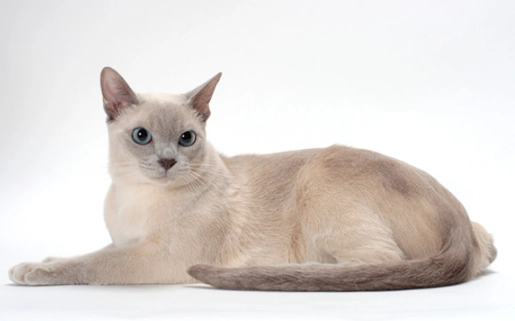
Quick Breed Snapshot: The Tonkinese is a medium-sized cat, a deliberate cross between the Siamese and the Burmese. The goal was to create a "best of both worlds" cat—the pointed patterns and chatty nature of the Siamese, tempered by the stockier build and slightly more laid-back (but only slightly!) sweetness of the Burmese. The result is a cat that is often described as having a "mink" coat, both in texture and color, and a personality that's off-the-charts social.
Where Did the Tonkinese Cat Come From? A Bit of Feline History
The name might sound exotic, like it's from an island somewhere, but the breed's development is a modern story. While there are tales of similar cats existing centuries ago in Southeast Asia (sometimes called "copper cats" in Thailand), the Tonkinese we know today is a 20th-century creation.
The story really begins in the 1930s with a cat named Wong Mau. She was brought to the United States from Burma and is considered the foundation cat for both the modern Burmese and, indirectly, the Tonkinese. Breeders noticed Wong Mau wasn't a typical Siamese, but something in between. Fast forward to the 1950s and 60s, breeders in both the US and Canada, like Jane Barletta in New Jersey and Margaret Conroy in Canada, started intentionally crossing Siamese and Burmese cats. They weren't trying to create a new breed at first; they were experimenting. But the kittens were so consistently charming and beautiful that the effort gained momentum.
It was a bit of a battle for recognition, to be honest. Established cat fancy clubs can be skeptical of new "hybrids." But the cats sold themselves. The Canadian Cat Association (CCA) was the first major organization to grant championship status to the Tonkinese cat breed in the 1970s. Other major registries like The International Cat Association (TICA) and the Cat Fanciers' Association (CFA) followed suit, though it took the CFA until 1984. You can still see the official breed standards on their websites, which is helpful if you're considering showing your cat.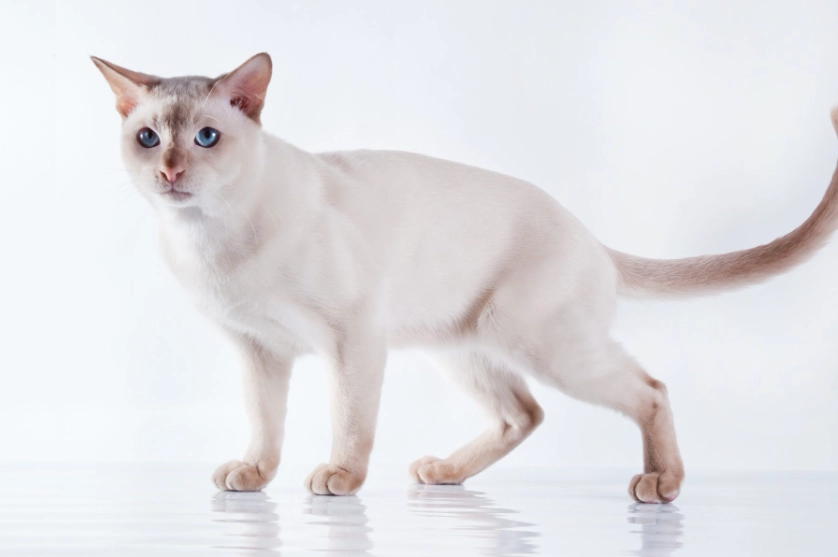
Fun fact: The name "Tonkinese" was chosen from a suggestion by a breeder who was reminded of the Tonkin region of Indochina. It had a nice ring to it, even if the cat's origins were North American.
What Does a Tonkinese Cat Look Like? The Mink Coat and Aqua Eyes
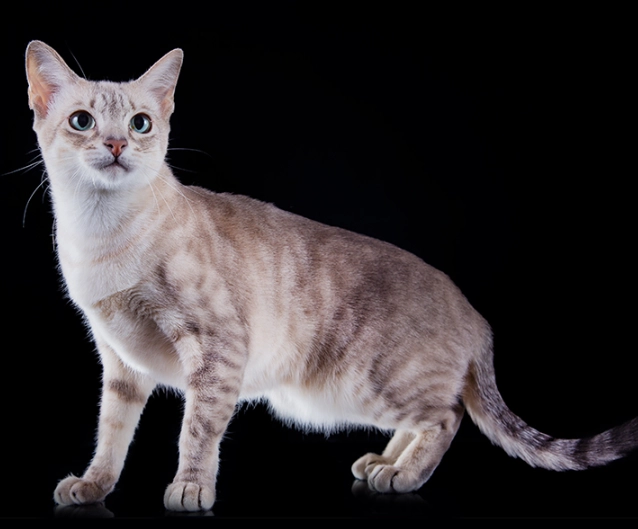
Forget the idea of an extremely slender, tubular Siamese or the cobbier, rounded Burmese. The Tonkinese strikes a perfect middle ground. They're moderately muscular and feel surprisingly solid when you pick them up—a nice heft to them. Their body is often described as "athletic" without being bony.
But the real showstoppers are the coat and the eyes.
The Famous Mink Coat & Color Points
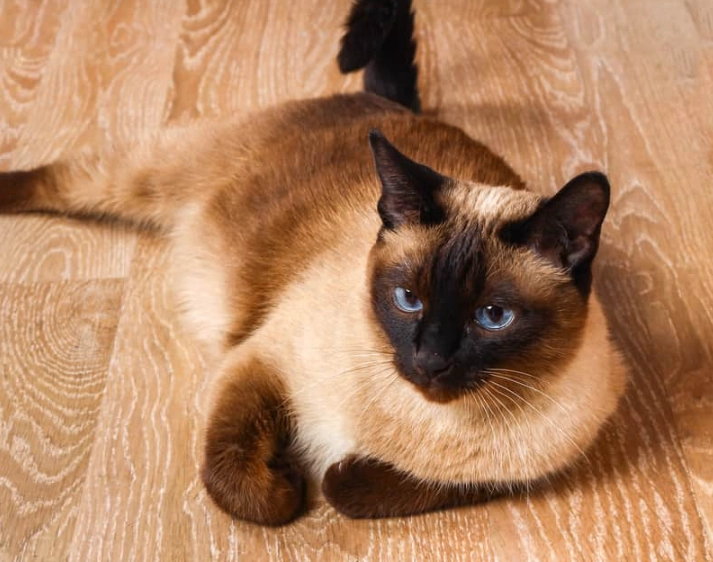
Their coat is short, silky, and lies close to the body. It has a distinctive, subtle sheen that's been compared to mink fur, hence the description. The color-point pattern is what defines them, but it's softer than a Siamese's stark contrast. The points (ears, face mask, legs, tail) are a darker shade of the body color, with a gentle gradient between them.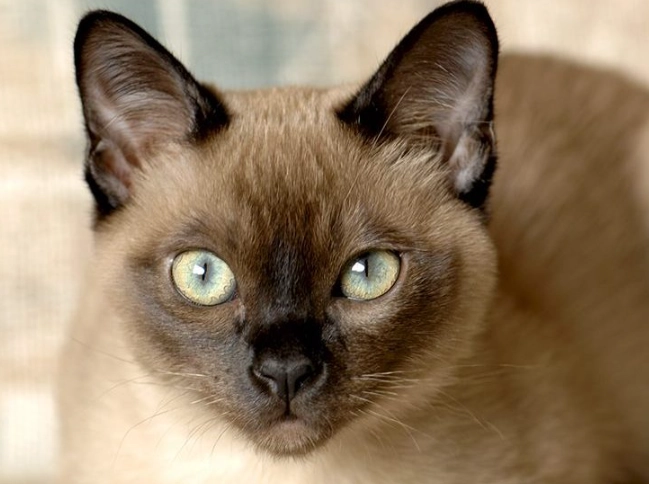
Tonkinese cats come in four base colors that create a spectrum of beautiful patterns:
| Base Color | Point Color | Body Color | Eye Color |
|---|---|---|---|
| Natural Mink | Medium brown | Warm tan | Aqua |
| Champagne Mink | Light beige-brown | Pale cream | Aqua |
| Blue Mink | Soft blue-gray | Frosty gray-beige | Aqua |
| Platinum Mink | Pale gray | Pale silver-gray | Aqua |
You might also hear terms like "solid" or "pointed" in relation to Tonkinese. This refers to the genetics inherited from their parent breeds. A "solid" pattern (from the Burmese side) has the least contrast, a "pointed" pattern (from the Siamese side) has the most, and the "mink" pattern is the beautiful middle ground that is the breed standard.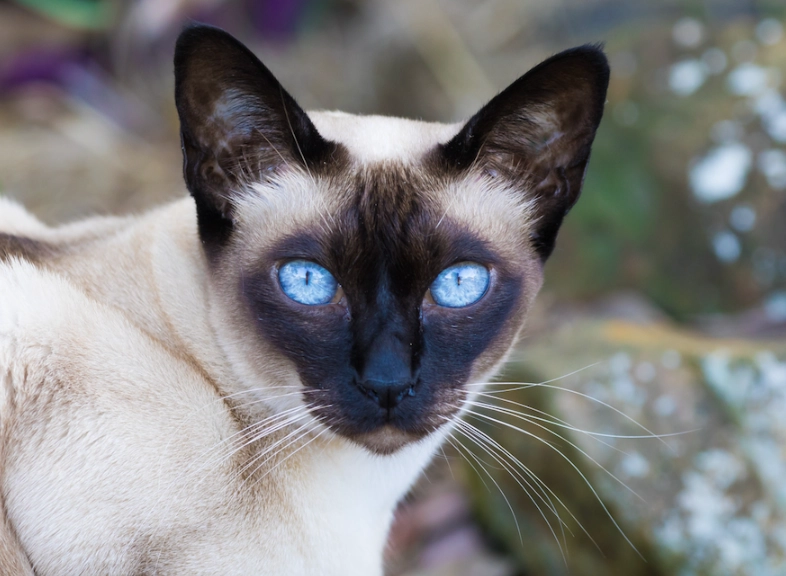
Those Eyes
The eyes are typically a captivating aqua or blue-green color, shaped like a modified almond—not as round as a Burmese, not as slanted as a Siamese. In certain lights, they can look almost luminous. It's one of their most distinctive features.
I have to say, while all the colors are beautiful, there's something about the warmth of a Natural Mink Tonkinese that just feels classic. The contrast is gentle but defined, and it really makes their eyes pop. But ask any owner, and they'll swear their cat's color is the best.
The Tonkinese Personality: Not a Wallflower
If you want a cat that ignores you, decorates your windowsill, and is purely decorative, stop reading now. A Tonkinese cat is the opposite of that. This is a breed that needs to be involved in everything. I mean everything.
They are famously, sometimes overwhelmingly, social. They form incredibly strong bonds with their people, often following them from room to room. Going to the bathroom? Expect a supervisor. Making dinner? You have a new sous-chef, probably trying to sniff every ingredient. They crave interaction—not just petting, but conversation and play.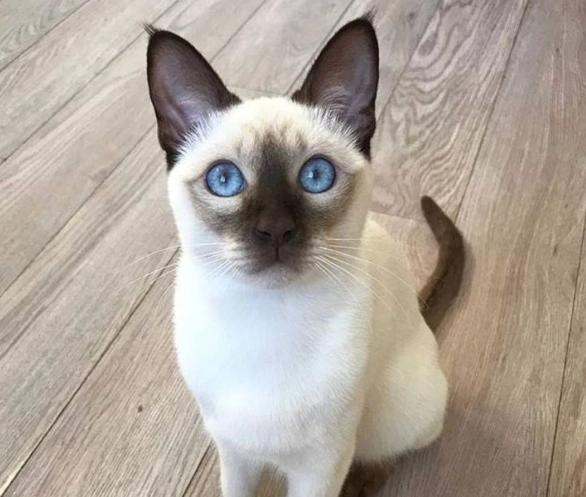
And yes, they talk. But it's not the loud, demanding yowl of some Siamese lines (though some Tonks can get there). It's more of a conversational chirp, a trill, a soft meow. They'll "talk" back to you. You ask, "How was your day?" and you might get a soft "mrrp?" in return. It's endearing, but potential owners should know the volume can vary. Some are quiet commentators, others are more vocal.
The Good: Affectionate, playful, intelligent, dog-like in their loyalty, great with families and other pets, relatively easy to train (they can learn fetch, tricks, even to walk on a leash).
The... Challenging: Can suffer from separation anxiety if left alone too long. They demand attention and mental stimulation. A bored Tonkinese is a destructive Tonkinese—they will find something to get into, whether it's your plants, your cords, or the contents of your cupboard.
They are also clowns. They have a playful, sometimes goofy streak that lasts well into adulthood. Don't be surprised to see your dignified adult Tonk suddenly race across the room for no reason, slide into a wall, and then look at you as if to say, "I meant to do that."
They're not just pets; they're participants in your life.
Living With a Tonk: Care, Health, and the Daily Grind
Okay, so you're smitten with the idea. What does it actually take to care for one of these cats?
Grooming Needs (Easy Peasy)
This is the easy part. Their short, close-lying coat doesn't mat. A quick brush with a rubber grooming mitt or a fine-bristle brush once a week is plenty to remove loose hair and distribute skin oils. It's more of a bonding activity than a necessity. Trim their nails every couple of weeks, and check their ears occasionally for wax. Dental care is important, as with all cats—try to get them used to tooth brushing early.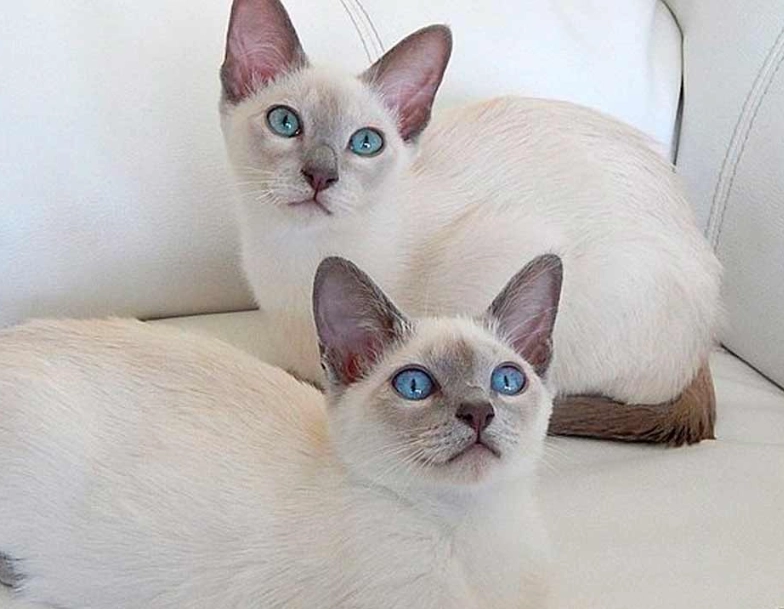
Diet and Exercise (The Important Stuff)
Tonkinese cats are active. They need an outlet for that energy. This isn't a cat that will be happy with a lone toy mouse in the corner.
- Interactive Play: Daily sessions are non-negotiable. Wand toys, laser pointers (always end with a physical toy they can "catch"), puzzle feeders that make them work for their kibble. Think of it as mandatory fun time.
- Vertical Space: They love to climb. A tall, sturdy cat tree is a fantastic investment. It gives them a perch to survey their kingdom and satisfies that climbing instinct.
- Diet: Feed a high-quality cat food appropriate for their age and activity level. Because they are muscular and active, they can be prone to becoming overweight if they transition to a sedentary lifestyle (like if you get busy and playtime drops off). Monitor their weight. Your vet is the best source for specific dietary advice, and resources like the Cornell Feline Health Center offer great, vet-backed info on feline nutrition.
Watch the Treats: They are clever and charming and will convince you they are starving. They're not. Over-treating is a fast track to an unhealthy cat. Stick to their regular meals and use play, not food, as the primary reward.
Common Health Issues in Tonkinese Cats
Overall, they are considered a robust breed, a benefit of hybrid vigor from crossing two distinct breeds. However, they can be prone to some conditions inherited from their parent lines. A responsible breeder will screen for these.
- Gingivitis/Periodontal Disease: They seem a bit predisposed to dental issues. Good home care and regular veterinary dental check-ups are crucial.
- Feline Asthma: Some lines may have a higher incidence. Signs include coughing or wheezing.
- Conditions from Parent Breeds: While less common in Tonks due to crossbreeding, it's wise to be aware of issues seen in Siamese (like certain heart conditions, crossed eyes) and Burmese (like hypokalemia, a potassium deficiency). A good breeder will have tested the parent cats.
The single most important thing you can do is get your Tonkinese cat from a breeder who does genetic health testing on their breeding stock and provides you with documentation. Don't be shy about asking for it.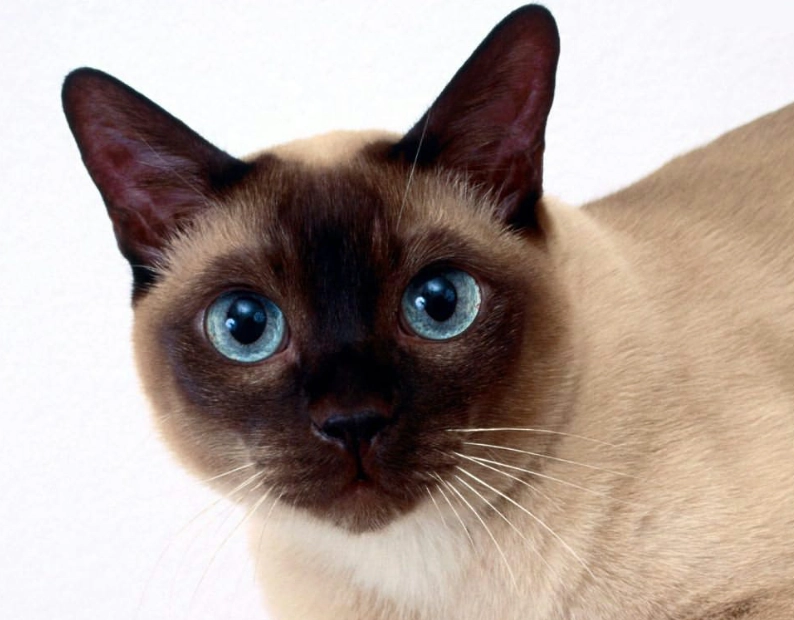
Finding Your Tonkinese Kitten: Breeder vs. Rescue
This is the big decision. A kitten from a reputable breeder is the most common route, but it's not the only one.
Working with a Reputable Breeder
Expect to be on a waiting list. Good breeders don't have litters available every week. They will interview you as much as you interview them. They should:
- Ask you detailed questions about your home, lifestyle, and experience.
- Welcome you to visit their cattery (or provide extensive videos/pictures) to see where the cats live.
- Show you health clearances for the parent cats for common issues.
- Keep kittens until they are at least 12-16 weeks old, ensuring proper socialization and weaning.
- Provide a written contract covering health guarantees and requiring you to spay/neuter unless sold for breeding (and breeding rights are a whole other conversation).
- Be a resource for you for the cat's entire life.
Be wary of anyone who always has kittens available, who won't let you see the mother cat, or who pressures you to pay upfront sight unseen. The TICA website and the CFA website have breeder referral lists that can be a starting point.
Considering Rescue or Adoption
Purebred Tonkinese cats do sometimes end up in shelters or breed-specific rescues. Adults are often surrendered because someone didn't understand the energy level and need for companionship. Adopting an adult can be wonderful—you skip the crazy kitten phase and get a cat whose personality is already developed. Check with organizations like Petfinder and search for breed-specific rescues. It might take patience, but it's a rewarding path.
Your Tonkinese Questions, Answered
The Final Word: Is a Tonkinese Cat Right for You?
Let's be real. The Tonkinese cat is not a low-maintenance pet. They are a high-engagement companion animal. If you travel frequently for work, work 12-hour days, or crave a quiet, independent pet, this breed will likely be a source of stress for both of you. Their potential for separation anxiety is real.
But.
If you want a cat that will greet you at the door, make you laugh daily, snuggle deeply, and feel like a true member of the family, then you might have found your match. They give back tenfold the love and energy you put into them. They are intelligent, beautiful, and endlessly entertaining.
Do your homework. Talk to multiple breeders. If possible, meet some adult Tonkinese cats to see their energy level firsthand. It's a big commitment, but for the right person or family, a Tonkinese cat isn't just a pet—it's a lifelong friend with aqua eyes and a lot to say.
And maybe, just maybe, you'll be the one telling stories about the cat who decided your life needed a little more chaos and a whole lot more love.