Quick Guide
I remember the first time I saw one. It was at a small, specialized cat show years ago, tucked away in a corner. Not a flashy exhibit, but this cat... it had this quiet, almost regal presence. Snow-white fur that looked impossibly soft, and these piercing blue eyes that seemed to look right through you. The owner called it a White Russian. I'd heard of Russian Blues, of course, but a pure white version? I was hooked, and spent the next hour bombarding the poor breeder with questions. Since then, I've learned a ton – through research, talking to breeders, and yes, a bit of healthy obsession.
If you're here, you've probably seen a picture or heard a whisper about them too. Maybe you're wondering if they're just a myth, a white-coated version of the famous Russian Blue. Or perhaps you're seriously considering bringing one of these elegant creatures into your home. Well, you've come to the right place. This isn't just a quick breed summary. We're going to dive deep into everything about the White Russian cat – the facts, the myths, the care, and the reality of living with one. I'll share what I've learned, point out some common misconceptions (and there are a few), and try to give you the full picture.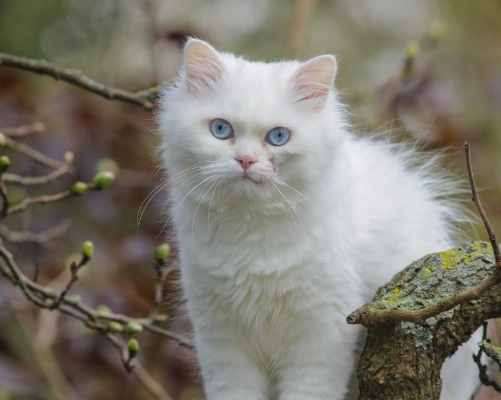
Let's clear one thing up right away. The terminology can be confusing. "White Russian cat" is often used, but it's a bit of an umbrella term. Purists and major cat registries like The Cat Fanciers' Association (CFA) and The International Cat Association (TICA) typically recognize the "Russian White" as a separate color division within the Russian breed group. Think of it as a Russian Blue, but with a stunning white coat and those captivating blue, green, or odd (one blue, one green) eyes. It's the same elegant, muscular build and sweet personality, just wrapped in a different, brilliant package.
What's a White Russian Cat Really Like? Personality First.
Forget the aloof, independent cat stereotype. If that's what you want, you might want to look elsewhere. The personality of a White Russian is, in my opinion, its biggest selling point. They are often described as gentle, quiet, and deeply affectionate with their chosen people.
I've spoken to owners who say their White Russian follows them from room to room, not in a needy way, but like a quiet, furry shadow. They want to be near you, often curling up beside you rather than directly on you (though some lap cats do exist!). They tend to be observant and intelligent. You might catch them watching you work or solve a puzzle, their bright eyes taking everything in. They're not usually the most vocal cats, but they have a soft, melodic chirp or trill they use to communicate, which is utterly charming.
But here's a personal opinion – they can be a bit reserved with strangers. That initial aloofness is often mistaken for shyness or snobbery. It's not. It's more like cautious assessment. Once they decide you're okay, the trust is given fully. This makes them fantastic companions for quieter households or people who appreciate a more nuanced bond. They're not the party animals of the cat world; they're the thoughtful, loyal friends.
The Look: More Than Just a White Coat
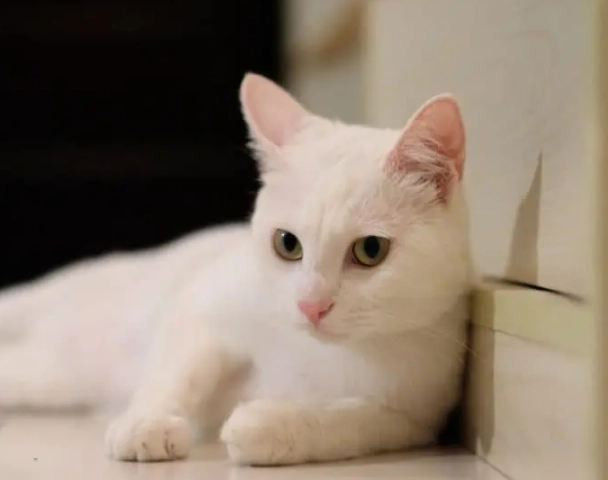
Okay, let's talk about the obvious – they're stunning. But there's specific beauty in the details. The coat is short, dense, and plush. It's often described as having a "standing-out" texture, a bit like seal fur. The white should be pure, clear, and bright from root to tip. No yellowing or shading, which can be a challenge to maintain (more on that later).
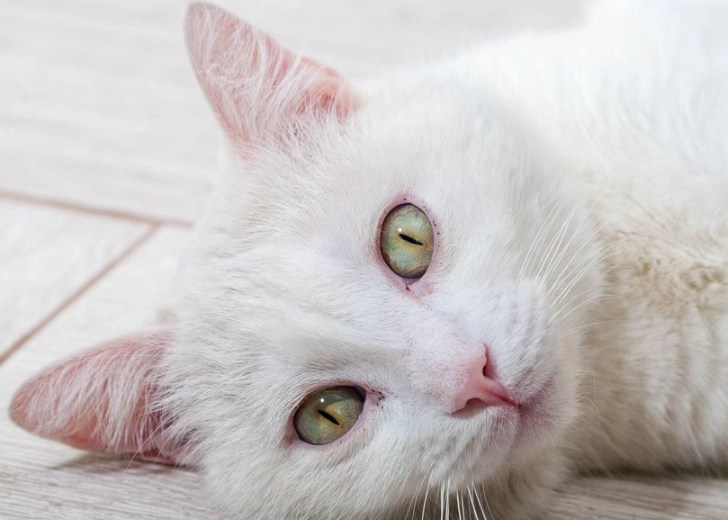
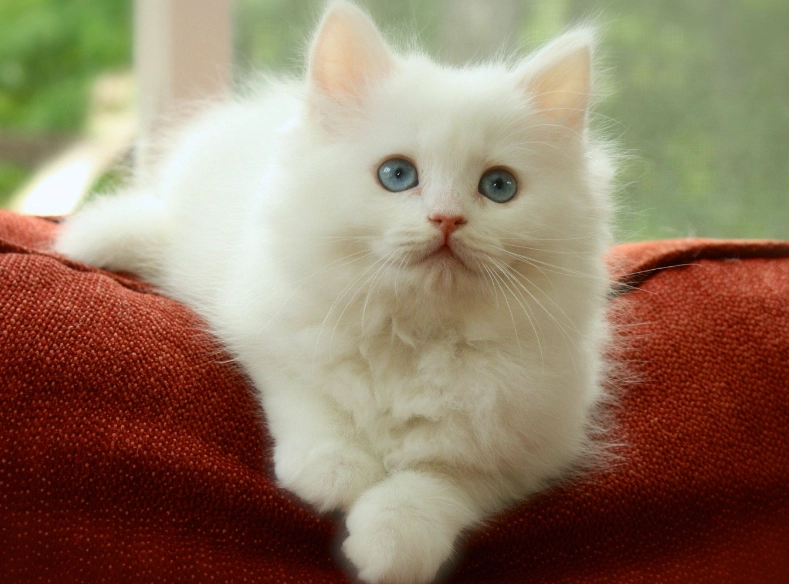
Then there are the eyes. Oh, the eyes. They can be a deep, vivid blue, a brilliant green, or sometimes odd-eyed (heterochromia), with one blue and one green eye. This odd-eyed trait is particularly striking and adds to their mystical appearance. The body is foreign in type – graceful, elongated, and muscular without being bulky. They move with a ballet dancer's elegance. The head is a distinctive wedge shape with large, wide-set ears, giving them an alert, intelligent expression.
To see the official breed standard, which applies to the White color class, you can check the CFA's Russian Blue page. It details the ideal structure that Russian Whites should also possess.
Living with a White Russian: The Daily Reality
This is where the rubber meets the road. Owning any pet is a commitment, but a White Russian cat comes with some specific considerations. Let's be brutally honest about the pros and the challenges.
Grooming: It's Not Just About Vanity
That gorgeous white coat is a magnet for dirt. You'll see every speck of dust, every little mark. It's a fact of life. But grooming is relatively straightforward. Their short coat doesn't mat easily. A weekly brush with a soft bristle or rubber grooming brush is usually enough to remove loose hair and distribute skin oils. It's more about keeping the coat bright than managing tangles.
The real grooming focus? Their eyes. White cats, in general, can be prone to a bit of tear staining. You might notice reddish-brown streaks in the corner of their eyes. This is normal, but on a white face, it's very visible. A daily gentle wipe with a soft, damp cloth is usually sufficient to manage it. Don't use human makeup removers or harsh chemicals. If staining is severe, it's worth a chat with your vet to rule out any underlying issues.
Health and Lifespan: What to Expect
Generally, Russian cats are considered a robust and healthy breed with a lifespan of 15-20 years, sometimes longer. There are no breed-specific diseases that plague them, which is excellent news. However, the white coat and blue eyes are linked to a genetic factor: the dominant white gene, which can sometimes be associated with a higher prevalence of congenital deafness, especially in blue-eyed white cats.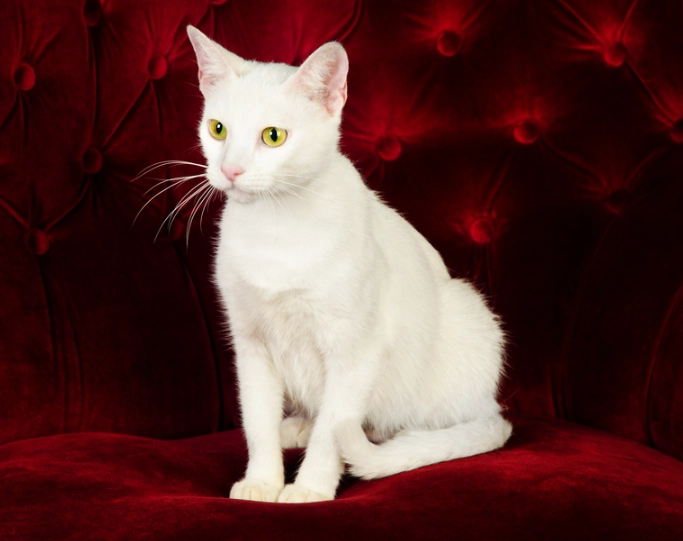
This is a crucial point. Not all White Russian cats are deaf, but the risk is statistically higher. Reputable breeders will often have their kittens BAER (Brainstem Auditory Evoked Response) tested to check for hearing. Always, always ask a breeder about this test. A responsible one will be transparent. The Cornell Feline Health Center provides great resources on feline genetics and health conditions if you want to dive deeper into the science.
Other than that, they need the same core care as any cat: annual vet check-ups, a high-quality diet, plenty of fresh water, and lots of love. Dental health is important, so getting them used to tooth brushing early is a smart move.
Diet, Exercise, and Environment
They're not hyperactive, but they are athletic and enjoy play. Interactive wand toys, puzzle feeders, and cat trees for climbing will keep their body and mind engaged. A bored intelligent cat can become mischievous.
Diet is key to maintaining that gleaming coat. Look for foods rich in high-quality animal proteins. Some owners swear that a diet with limited artificial colors or certain fillers helps keep the white coat brighter. It's an area where you might need to experiment a bit, under your vet's guidance. Always ensure fresh water is available; some cats prefer flowing water from a fountain.
Environmentally, they thrive on predictability. They appreciate having high perches to survey their domain and cozy, enclosed beds for secure naps. Because they can be sensitive, introducing changes (new people, furniture, pets) slowly is the best approach.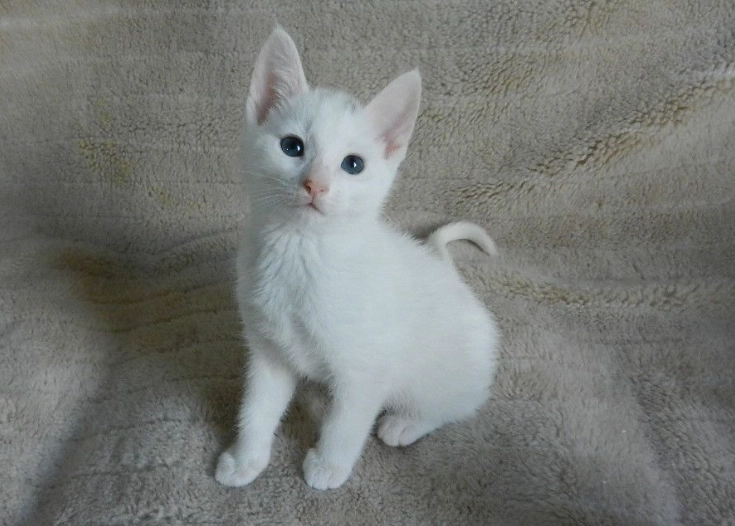
The Big Question: Where Do You Even Find One?
Here's the kicker: White Russian cats are rare. You won't find them in shelters often (though it's not impossible—always check!). Most come from dedicated, ethical breeders. This rarity is why you need to be patient and extremely careful.
Choosing a Breeder: A Non-Negotiable Checklist
Finding a good breeder is the single most important step. A bad one can lead to heartbreak, health problems, and supporting unethical practices.
- Registry Affiliation: They should be registered with a major organization like CFA or TICA and actively show their cats to prove they meet the breed standard.
- Health Testing: They must test for genetic issues (like deafness via BAER test) and provide documentation. They should also test for common feline viruses like FeLV/FIV.
- Kitten Environment: You should be able to visit (or have a detailed virtual tour) to see kittens raised underfoot in a clean, social home environment, not isolated in cages.
- Questions for YOU: A good breeder will interview you extensively. They want to know about your home, lifestyle, and cat experience. They care where their kittens go.
- Contract & Guarantee: They will provide a written contract outlining health guarantees, spay/neuter requirements (for pet-quality kittens), and a clause requiring you to return the cat to them if you can no longer care for it, ever.
- No Early Releases: Kittens should stay with their mother and littermates until at least 12-16 weeks old for proper social development.
Be prepared for a waitlist. Ethical breeders have limited litters. If someone has kittens "always available" or pressures you to pay quickly, see it as a major red flag.
Cost: The Investment
Let's talk money. Because of their rarity and the costs of ethical breeding (health testing, premium food, vet care), a White Russian kitten from a reputable breeder is not cheap. Prices typically range from $1,500 to $3,000+ in the US, depending on lineage, location, and whether the kitten is considered pet, breeding, or show quality.
Pet-quality kittens (which are perfectly healthy and wonderful, but may have a minor cosmetic flaw like a tail kink or incorrect eye color for showing) are usually at the lower end of the range. Show-quality kittens from champion lines command higher prices.
White Russian Cat vs. Other White Breeds
It's easy to get confused. There are other beautiful white cats out there. How is a White Russian different from, say, a Turkish Angora or a white Domestic Shorthair?
The biggest difference is in the underlying "blueprint." A White Russian has the specific Russian body type, head shape, and double-layered plush coat texture. Their personality is also distinctively the quiet, loyal Russian temperament. A Turkish Angora is more finely boned, often more active and playful, with a single, silky coat. A white Domestic Shorthair can be any mix of genetics, leading to a wide variety of body types and personalities.
Here’s a quick comparison to highlight the key distinctions:
| Breed/Trait | White Russian Cat | Turkish Angora (White) | White Domestic Shorthair |
|---|---|---|---|
| Primary Distinction | Color variant of the Russian breed | A distinct, ancient breed | Mixed ancestry, no specific breed |
| Coat Texture | Short, dense, plush "double coat" | Medium-long, silky, single coat | Varies widely |
| Body Type | Foreign: Long, muscular, elegant | Foreign: Fine-boned, delicate | No standard type |
| Typical Personality | Quiet, gentle, reserved, loyal | Active, playful, intelligent, social | Unpredictable, varies by individual |
| Common Eye Color | Blue, Green, or Odd-eyed | Blue, Green, Amber, or Odd-eyed | Any color |
| Deafness Link | Higher risk in blue-eyed individuals | Higher risk in blue-eyed individuals | Risk depends on specific genetics |
Answers to Questions You're Probably Asking
Final Thoughts: Is a White Russian Cat Right for You?
This isn't a decision to make on a whim. Bringing a White Russian cat into your life is a long-term commitment to a sensitive, intelligent, and somewhat rare animal.
Choose a White Russian if:
- You want a calm, quiet, and deeply bonded companion.
- You prefer a cat that is observant and gentle over one that is constantly in "play mode."
- You have a stable, relatively peaceful home environment.
- You are prepared for the grooming and maintenance of a pure white coat.
- You have the patience and resources to find and work with an ethical breeder.
Think twice if:
- You have very young children or a consistently loud, busy household.
- You want a low-maintenance, "leave-it-alone" type of cat.
- You are on a tight budget (consider adoption costs, initial setup, and potential future health care).
- You are unwilling to go through a rigorous breeder screening process and potentially wait a long time.
At the end of the day, the White Russian cat is more than just a pretty face. They are a living piece of feline artistry with a heart of gold. They offer a unique kind of companionship—quiet, loyal, and incredibly rewarding for the right person. If their description has resonated with you, and you're ready for the journey, start your search with care. Connect with the Russian Blue Breed Council or similar organizations for breeder referrals. Do your homework. The wait and the effort will be worth it when you finally bring home that elegant, blue-eyed companion who will grace your life for years to come.
And who knows? Maybe one day, you'll be the one at the cat show, patiently answering questions about your beautiful, mysterious White Russian.