Quick Guide to Siberian Cats and Allergies
- What Makes a Siberian Cat "Hypoallergenic"? It's All About the Protein
- Beyond Fel d 1: Coat Texture and Grooming Habits
- "Hypoallergenic" Breed Showdown: How Does the Siberian Really Stack Up?
- The Non-Negotiable First Step: How to Test if YOU Are Allergic to a Siberian Cat
- Living with a Siberian Cat: Pro-Tips for Minimizing Allergens
- Addressing Your Burning Questions: The Siberian Cat Hypoallergenic FAQ
- The Other Side of the Coin: The Siberian Cat Personality and Care
- The Final, Unvarnished Takeaway
Let's be honest here. If you're reading this, you or someone you love probably gets that itchy-eyed, sneezy, miserable feeling around cats, but your heart still yearns for a furry companion. I get it. You've heard whispers, maybe seen hopeful forum posts, about this magical creature called the Siberian cat that's supposedly hypoallergenic. The idea is intoxicating, right? A beautiful, fluffy cat that won't send you scrambling for the antihistamines. Before you let that hope run away with you, let's sit down and talk about what "Siberian cat hypoallergenic" really means. It's not a simple yes or no answer, and anyone who tells you it is isn't doing you any favors.
My own journey with this started years ago. A close friend with pretty severe asthma and cat allergies was desperate for a pet. She fell in love with the idea of a Siberian after some online digging. Watching her go through the process of testing, visiting breeders, and finally bringing home a kitten was an education in itself. It worked for her, but I've also talked to people for whom it didn't pan out. That's the key thing to understand upfront: the Siberian cat's hypoallergenic reputation is based on real, fascinating biology, but it's not a universal guarantee. It's a story of probability, not certainty.
What Makes a Siberian Cat "Hypoallergenic"? It's All About the Protein
Alright, let's get into the science, but I'll keep it painless. The main villain for most cat allergy sufferers (about 90% of them) is a protein called Fel d 1. Cats produce this in their saliva, skin glands (sebaceous glands), and, to a lesser extent, their urine. When a cat grooms itself, the saliva dries on its fur, and the lightweight, sticky protein becomes airborne. That's what you breathe in, and if your immune system decides to overreact, you get the classic symptoms.
So, what's the Siberian's secret? Research, including studies referenced by organizations like the American Academy of Allergy, Asthma & Immunology (AAAAI), indicates that the Siberian cat breed, on average, produces a significantly lower level of this Fel d 1 protein. Some individual Siberians produce remarkably little. This isn't just folklore; it's a genetic trait that has been observed and is the central pillar of the Siberian cat hypoallergenic claim.
Think of it like this: all cats produce Fel d 1, but Siberians tend to have the volume knob turned down lower than, say, your average domestic shorthair. It's this quantitative difference, not a qualitative one, that creates the potential for fewer or milder reactions.
Beyond Fel d 1: Coat Texture and Grooming Habits
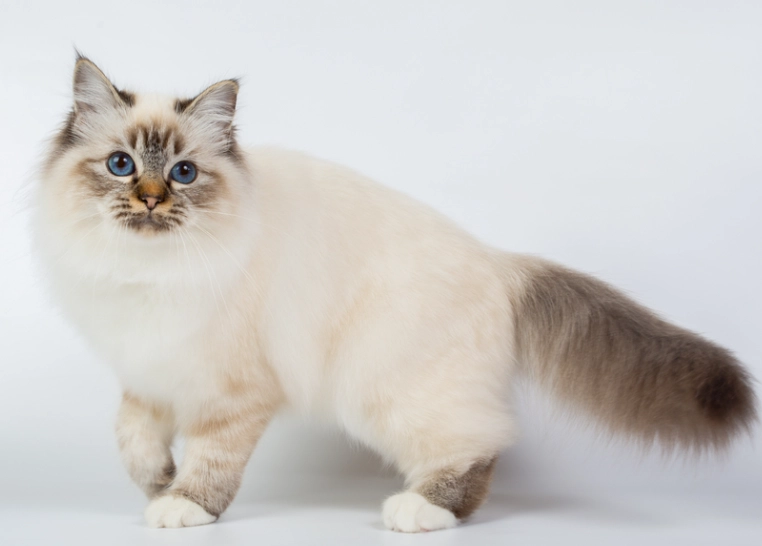
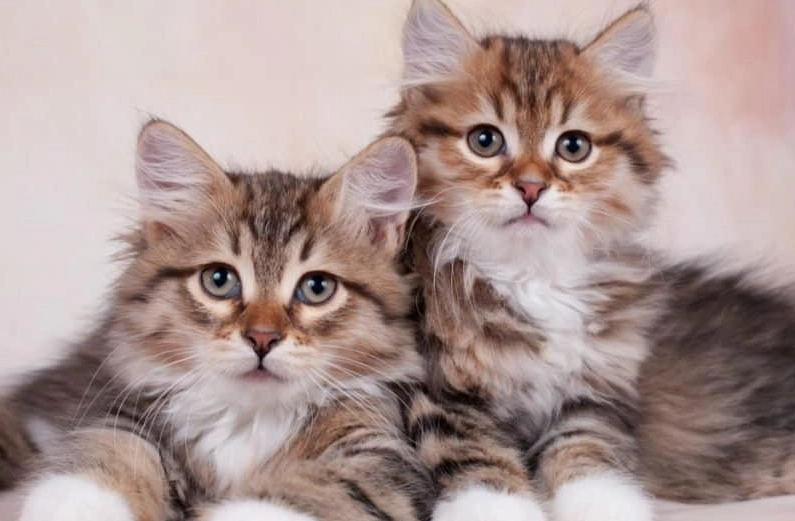
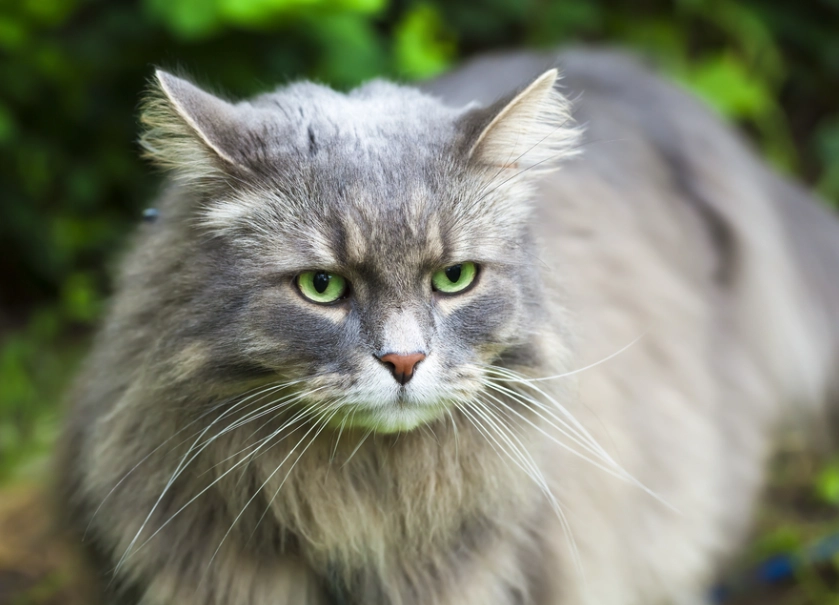
The protein level is the star of the show, but the supporting cast matters too. Siberians have a unique triple coat—a dense undercoat, awn hairs, and guard hairs. This magnificent fur is designed for surviving Russian winters, but it also has implications for allergy sufferers. Their coat is somewhat more water-resistant and may trap dander (the skin flakes that carry the allergen) a bit differently than the fine, downy fur of some breeds.
Furthermore, while they are fastidious groomers, the texture of their coat might mean less saliva is required for effective grooming compared to a cat with a very fine, single coat. Less saliva spread during grooming could mean less allergen being deposited on the fur in the first place. It's a secondary factor, but it's part of the overall picture of why the Siberian cat hypoallergenic profile exists.
"Hypoallergenic" Breed Showdown: How Does the Siberian Really Stack Up?
You'll see a few breeds consistently on "hypoallergenic cat" lists. Let's see how the Siberian compares. Remember, we're talking about general trends and averages—individual cats within any breed can be outliers.
| Breed | Key Hypoallergenic Trait | Considerations vs. Siberian | Allergy Sufferer Feedback (General Trend) |
|---|---|---|---|
| Siberian | Naturally produces lower levels of Fel d 1 protein. | The most robust natural claim based on protein production. A "full package" cat with a classic feline personality. | Many report dramatic reductions in symptoms; some have no reaction at all. Success rate appears high but not universal. |
| Balinese / Oriental Longhair | Often cited as producing less Fel d 1. Single, fine coat. | Claims are common but may have less consistent scientific backing than Siberian research. Very different body type and coat. | Mixed reports. Some allergy sufferers do well with them, while others don't notice a difference. |
| Russian Blue | Dense double coat that may trap dander. Anecdotal reputation. | Reputation is strong anecdotally, but specific Fel d 1 level studies are less prominent than for Siberians. | Good anecdotal success stories, but the evidence is more experiential than scientific. |
| Sphynx (Hairless) | No fur to trap dander and saliva. | Still produces Fel d 1 in saliva and skin oils. Requires frequent bathing to remove oily, allergen-rich secretions. | Can be problematic as allergens are directly on the skin and easily transferred. Not a magic solution. |
| Devon Rex / Cornish Rex | Very short, fine, curly coat that sheds less hair. | Less hair shedding means fewer airborne hair-dander particles. They still produce Fel d 1. | Helpful for those whose symptoms are triggered more by airborne hair, but less so for those sensitive to the protein itself. |
Looking at this, the Siberian's position is unique. Its claim is rooted in a measurable, biological difference in allergen production. For someone whose primary trigger is Fel d 1, this puts the Siberian cat hypoallergenic potential at the top of the list from a scientific standpoint. The International Cat Association (TICA) and other breed registries acknowledge this widely discussed trait, though they rightly stop short of making medical claims.
 So, is the Siberian the "winner"? For the Fel d 1-sensitive individual, on paper, yes. But your own body gets the final vote.
The Non-Negotiable First Step: How to Test if YOU Are Allergic to a Siberian Cat
This is the most critical advice I can give you. Do not, under any circumstances, buy or adopt a Siberian cat based on hope alone. You must test your personal reaction. Here’s a practical, step-by-step guide that responsible breeders encourage and any allergy specialist would approve of.
- Find a Reputable Breeder Who Understands Allergies: This is key. Ethical Siberian breeders are used to this. They should be willing to facilitate a test. Be wary of any breeder who guarantees you won't be allergic or refuses to let you test.
- Arrange a Visit (The Fur & Saliva Test): Plan to spend at least 1-2 hours at the cattery. Don't just pop in for 10 minutes. Your goal is to interact with adult cats, not just kittens. Kittens often produce very low levels of Fel d 1 until they reach sexual maturity, so an adult cat gives a more accurate picture of your lifelong potential reaction.
- Pet the cats extensively. Rub your hands all over their backs, flanks, and especially around their cheeks and necks (where scent glands are).
- Let them rub against your clothes.
- Bring a clean towel or cloth, rub it on several cats, and then later, at home, inhale near it or rub it on your face (sounds weird, but it's a good test).
- If possible, sit in a room where the cats live and relax for a while, allowing airborne allergens to circulate.
- The "Take-Home" Test: Some breeders will offer to send you a bag of fur they've collected from brushing, or a piece of bedding the cats have slept on. You can expose yourself to this at home over a couple of days. This is a great secondary test.
- Monitor Your Symptoms Rigorously: Do you start sneezing? Do your eyes itch or get puffy? Does your throat feel scratchy? Do you develop a rash on your skin where the cat touched you? Do you feel wheezy or tight-chested? Take this seriously. A mild tickle might be manageable; asthma-like symptoms are a major red flag.
- Consult Your Allergist: Talk to your doctor about your plans. They can provide guidance and may even be able to perform specific IgE tests for Fel d 1. Resources from the Allergy & Asthma Network can help frame these conversations.
I can't stress this enough. Skipping this step is the number one reason people end up heartbroken, having to rehome a beloved pet. Testing is an act of love for both you and the future cat.
Living with a Siberian Cat: Pro-Tips for Minimizing Allergens
Let's say you've tested, and your reaction was minimal or nonexistent. Fantastic! But to keep things that way, a proactive home management strategy is your best friend. Think of it as creating an ecosystem where allergens can't build up. Here’s what works, drawn from conversations with dozens of owners in online Siberian forums and groups.
- Grooming is a Partnership: Brush your Siberian frequently, ideally outdoors or in a well-ventilated area. This removes loose fur and dander before it can spread. Some owners even give their Sibs a weekly wipe-down with pet-safe allergen-reducing wipes or a damp cloth.
- Wash What You Can: Wash the cat's bedding, your own bedding, and any soft furnishings they lounge on weekly in hot water (at least 130°F/55°C).
- The Bedroom Question: This is a tough one. The most effective way to reduce nighttime symptoms is to make the bedroom a cat-free zone. I know, it's sad. But for severe allergy sufferers, it's a game-changer, giving your immune system 8 hours of respite each day.
- Vacuum Like a Pro: Use a vacuum cleaner with a HEPA filter. Vacuum carpets, rugs, upholstery, and even hard floors regularly. Consider a robot vacuum for daily maintenance.
- Filter Your Furnace: Use high-quality MERV-rated filters in your central heating/cooling system and change them on schedule.
Honestly, these habits are good for any pet owner, but for someone relying on the Siberian cat hypoallergenic nature, they're essential insurance.
Addressing Your Burning Questions: The Siberian Cat Hypoallergenic FAQ

The Other Side of the Coin: The Siberian Cat Personality and Care
It would be irresponsible to talk only about allergies. You're considering bringing a living being into your home for 12-15 years or more. The Siberian cat hypoallergenic trait is one factor, but is the breed right for your lifestyle?
Siberians are amazing, but they're not low-maintenance decor. They are:
- Social and Dog-Like: They often follow you from room to room, greet you at the door, and can be trained to play fetch. They don't do well being left alone for long hours every day.
- Playful and Athletic: These are strong, muscular cats that love to climb. A tall, sturdy cat tree is a must, not a suggestion.
- Vocal but Not Yowly: They have a soft, chirpy voice and will "talk" to you with gentle trills and meows to converse.
- Affectionate on Their Terms: They can be lap cats, but often in bursts. They show love by being near you, following you, and engaging in play.
And that coat? The glorious, hypoallergenic triple coat? It's surprisingly easy to care for. It doesn't mat as easily as a Persian's coat, but it does shed—heavily, twice a year during seasonal changes (the "blow coat" period). During those times, daily brushing is necessary. Outside of those periods, a few times a week is sufficient.
The Final, Unvarnished Takeaway
So, what's the final word on the Siberian cat hypoallergenic question? Here's my straight opinion.
The reputation is based on solid biological ground. For a significant number of people with cat allergies, the Siberian cat offers a real, life-changing opportunity to have a feline companion where it was once thought impossible. The stories are real. The science points in the right direction. It is the most promising natural option available.
But.
It is not a cure. It is not a guarantee. It is a roll of the dice with much better odds than other breeds. Treating it as a sure thing is how cats end up back in the breeder's care or in shelters, and how people end up devastated.
Do the work. Find a fantastic, ethical breeder who health-tests their cats (ask for proof of HCM and PKDef testing—that's a whole other article). Spend time with their adult cats. Be brutally honest with yourself about your reactions. Invest in the right tools to manage your home environment. If you do all that, and the stars align, you might just find yourself with a magnificent, fluffy, chatty best friend who doesn't make you sneeze. And that, I can tell you from watching my friend, is a pretty wonderful thing.
Good luck. Do your homework. And maybe, just maybe, your Siberian hypoallergenic dream will become a wonderful, sniffle-free reality.