I've had my orange tabby boy, Simba, for over ten years now. When I first brought him home, everyone had an opinion—orange cats are lazy, they're extra friendly, they're prone to health issues. Some of it's true, some of it's nonsense. Let's get straight to the point: orange male cats are fascinating creatures with specific needs that often get overlooked. If you're considering adopting one or already have one, this guide will save you a lot of guesswork. Based on my experience and research from places like the Cornell Feline Health Center, I'll walk you through everything from genetics to daily care.
Quick Navigation
What Makes Orange Male Cats Unique?
First off, the color orange in cats isn't just cosmetic—it's genetic. Most orange cats are male because the gene for orange fur is linked to the X chromosome. Males have one X, so if they inherit the orange gene, they're orange. Females need two copies, making them rarer. I remember when I got Simba, the shelter mentioned this, and it sparked my interest in cat genetics.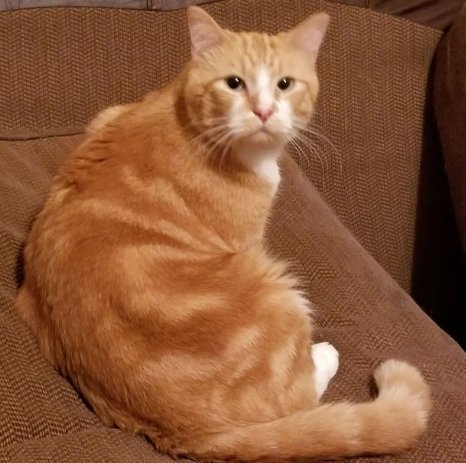
But here's something most people don't talk about: not all orange cats are the same shade. Simba has a classic mackerel tabby pattern, but I've seen orangecats with spots or swirls. The color can range from pale cream to deep reddish-orange. It doesn't affect personality directly, but it does influence grooming needs—darker oranges might show dirt more easily.
Pro tip: If you're adopting, don't get hung up on stereotypes. I've met orange males who are shy and others who are social butterflies. Genetics play a role, but upbringing is huge.
The Genetics Behind the Color
According to resources like the International Cat Care, the orange gene (called O) is dominant. This means a male cat with one copy will be orange, while females need two. That's why about 80% of orange cats are male. It's a neat bit of science that explains why you see so many orange boys out there.
I once thought all orange cats were tabbies, but that's not entirely true. The tabby pattern is separate, but it often shows up with orange because of how the genes interact. If you're curious, check out studies from feline genetics journals—they dive deep into this.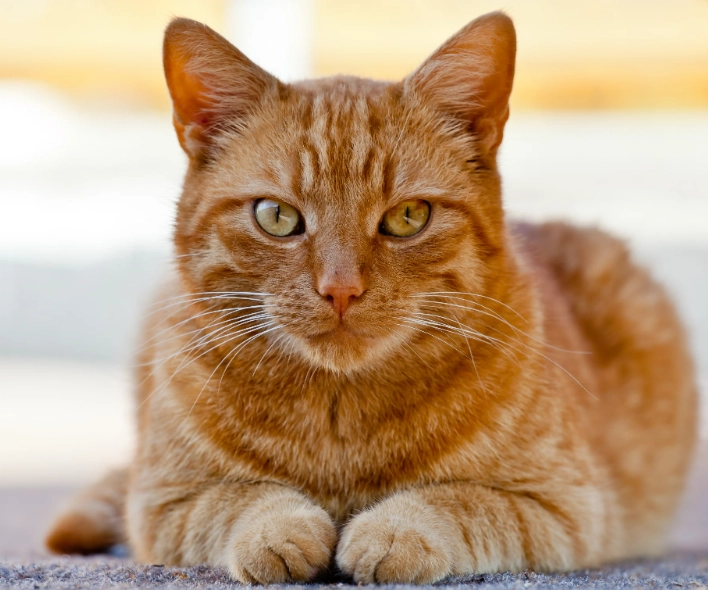
How to Care for Your Orange Tabby Boy
Caring for an orange male cat isn't rocket science, but there are nuances. From my decade with Simba, I've learned that a structured routine prevents a lot of headaches. Let's break it down.
Diet and Nutrition
Male cats, especially oranges, can be prone to weight gain and urinary issues. I feed Simba a mix of wet and dry food. Wet food helps with hydration, which is crucial for urinary health. Dry food keeps his teeth clean. Here's a simple table comparing options:
| Food Type | Benefits | Drawbacks | My Recommendation |
|---|---|---|---|
| Wet Food | High moisture, good for kidneys | Can be pricey, spoils fast | Use daily, especially for older males |
| Dry Food | Convenient, dental benefits | Low moisture, risk of overeating | Measure portions, avoid free-feeding |
| Raw Diet | Natural, high protein | Risk of bacteria, requires prep | Consult a vet first—I tried it and it was messy |
I made the mistake of free-feeding Simba early on, and he gained weight fast. Now, I stick to scheduled meals: wet food in the morning, dry kibble in the evening. The American Veterinary Medical Association emphasizes portion control for male cats to prevent obesity.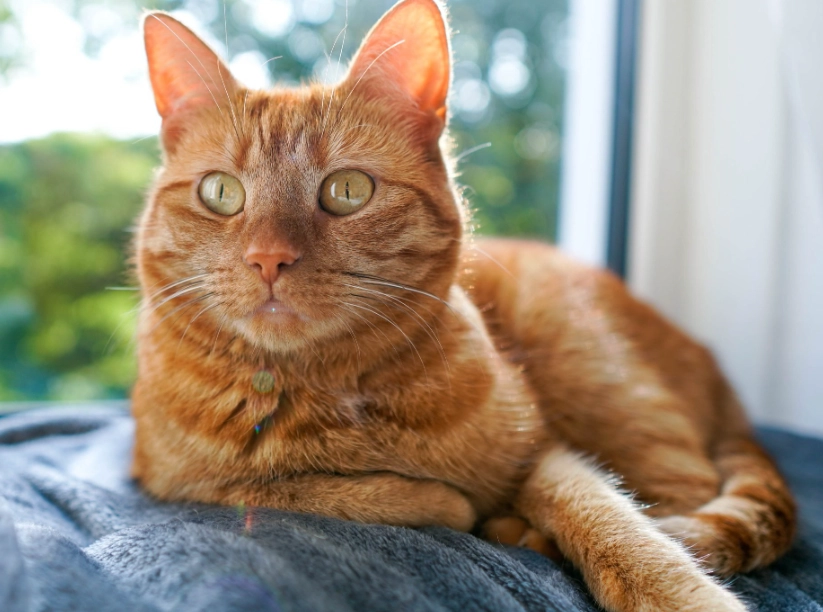
Grooming and Hygiene
Orange coats can be high-maintenance. Simba sheds a lot, especially in spring. I brush him twice a week with a slicker brush—it reduces hairballs and keeps his fur shiny. If you skip grooming, you'll find orange hair everywhere. Trust me, I learned that the hard way when my couch turned orange.
Bathing isn't necessary unless he gets into something dirty. I bathe Simba maybe once a year, using cat-safe shampoo. His claws need trimming every few weeks, and I check his ears for wax buildup monthly.
Common Health Issues in Orange Male Cats
Orange males aren't inherently unhealthy, but they share risks with other male cats. The big one is urinary tract issues. Simba had a scare last year—he was straining in the litter box. The vet said male cats have narrower urethras, making blockages more common. We switched to a prescription diet with more moisture, and it helped.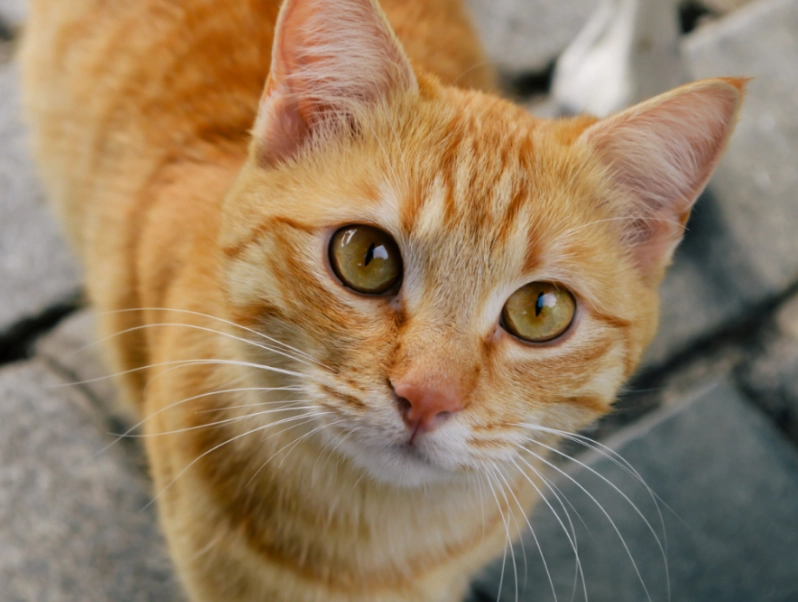
Other issues to watch for:
- Obesity: Orange cats can be food-motivated. Simba would eat all day if I let him. Regular play and measured meals are key.
- Dental problems: Dry food helps, but annual vet cleanings are a must. I neglected this once, and Simba needed a tooth extraction.
- Skin conditions: Their skin can be sensitive. I use a hypoallergenic shampoo if he gets itchy.
The Cornell Feline Health Center has great resources on feline urinary health—I often refer to their guides for updates.
Preventive Care Checklist
Here's what I do yearly for Simba:
- Vet check-up: Blood work, weight check, vaccination boosters.
- Dental exam: Cleanings if needed.
- Parasite control: Flea and tick prevention, even if he's indoors.
- Diet review: Adjust based on age and activity level.
It sounds like a lot, but it's cheaper than emergency visits. I budget around $300 per year for basics.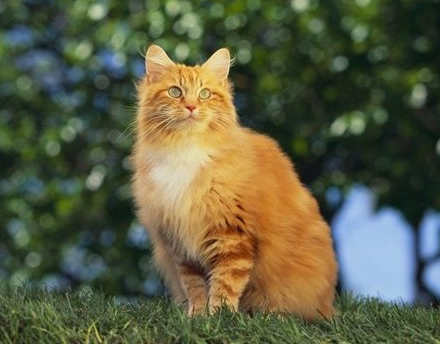
Orange Cat Male Behavior: Myths and Facts
Let's debunk some myths. People say orange males are lazy or overly aggressive. In my experience, that's rubbish. Simba is vocal and demands attention, but he's not aggressive. He's actually quite timid around strangers.
One myth I hear often: orange cats are smarter. There's no scientific backing for that. Behavior depends more on breed mix and environment. Simba is a domestic shorthair, and he's learned tricks like fetching—but that's because I trained him consistently.
Real talk: If your orange male is acting out, look at his environment. Boredom is a common culprit. I added a cat tree and puzzle feeders, and Simba's behavior improved dramatically.
Training Tips from Experience
Training an orange male cat isn't hard, but it requires patience. I used positive reinforcement with treats. For example, to stop him from scratching furniture, I redirected him to a scratching post and rewarded him. It took weeks, but it worked.
Another thing: orange males can be clingy. Simba follows me around the house. Some owners find this annoying, but I see it as a sign of bonding. If you need space, set boundaries early—like keeping the bedroom off-limits at night.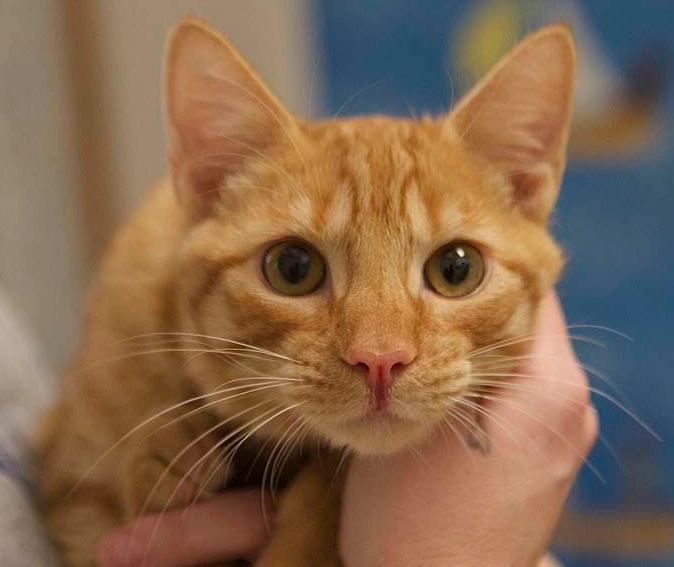
FAQ: Your Questions Answered
Wrapping up, owning an orange male cat is a rewarding experience if you're prepared. They're not just pretty faces—they need specific care and understanding. From genetics to daily routines, paying attention to details makes all the difference. If you take anything from this, remember: listen to your cat, consult reliable sources like veterinary associations, and enjoy the journey. Simba has taught me more about patience and love than I ever expected.