Explore This Guide
- What Exactly Is a Cornish Rex Cat? A Genetic Roll of the Dice
- The Cornish Rex Personality: Not a Cat, a Companion
- Caring for Your Wavy Friend: It's Not Just About Grooming
- Health & Lifespan: What to Watch For
- The Hypoallergenic Myth: Let's Clear the Air
- Choosing a Cornish Rex: Kitten vs. Adult, Breeder vs. Rescue
- Final Thoughts: Is a Cornish Rex Cat Your Perfect Match?
Okay, let's be honest. The first time you see a Cornish Rex, you do a double-take. Is that a cat? A bat? A little alien wrapped in crushed velvet? Those enormous satellite-dish ears, the gangly legs, and that coat—oh, that coat. It's not fur like you're used to. It's a landscape of soft, marcel waves, like someone gave a cat a permanent. It feels like warm suede or heated silk. I remember visiting a breeder years ago, and the moment one jumped into my lap and started making biscuits, I was a goner. The purr was like a motorboat, and the warmth radiating through that single layer of down was surprising.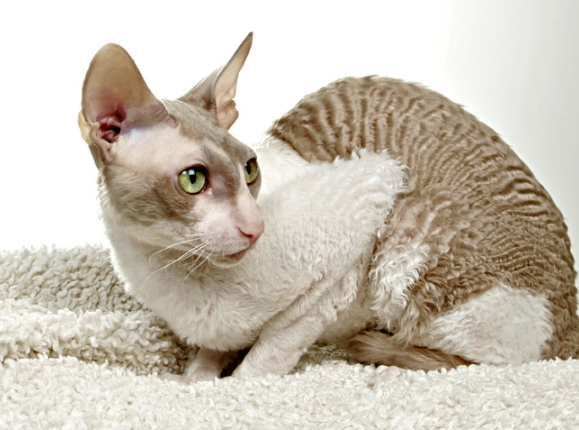
But here's the thing a picture can't tell you. Owning a Cornish Rex cat isn't just about having a living piece of abstract art. It's about committing to a personality that's equal parts acrobat, comedian, and Velcro. They don't just sit near you; they become a part of you. If you're looking for an aloof, independent feline that minds its own business, stop reading now. This breed will redefine your idea of a "cat person." This guide isn't a dry list of facts. It's the real scoop from talking to breeders, owners (and being one myself), and sifting through resources like the Cat Fanciers' Association (CFA) breed profile. We're going to get into the messy, wonderful, and sometimes challenging reality of life with a Cornish Rex.
What Exactly Is a Cornish Rex Cat? A Genetic Roll of the Dice
Every single Cornish Rex on the planet can trace its lineage back to one cat. One. In 1950, on a farm in Cornwall, England, a barn cat named Serena gave birth to a litter. Among the normal-coated kittens was a curly-coated red and white male. The farm owner, Nina Ennismore, named him Kallibunker (seriously). A geneticist confirmed this wasn't just a weird fluke—it was a spontaneous, natural mutation affecting the hair structure. All the hair follicles are in the anagen (growth) phase, and the guard hairs (the topcoat) are missing. What's left is just the soft, wavy undercoat. That's the secret behind the feel.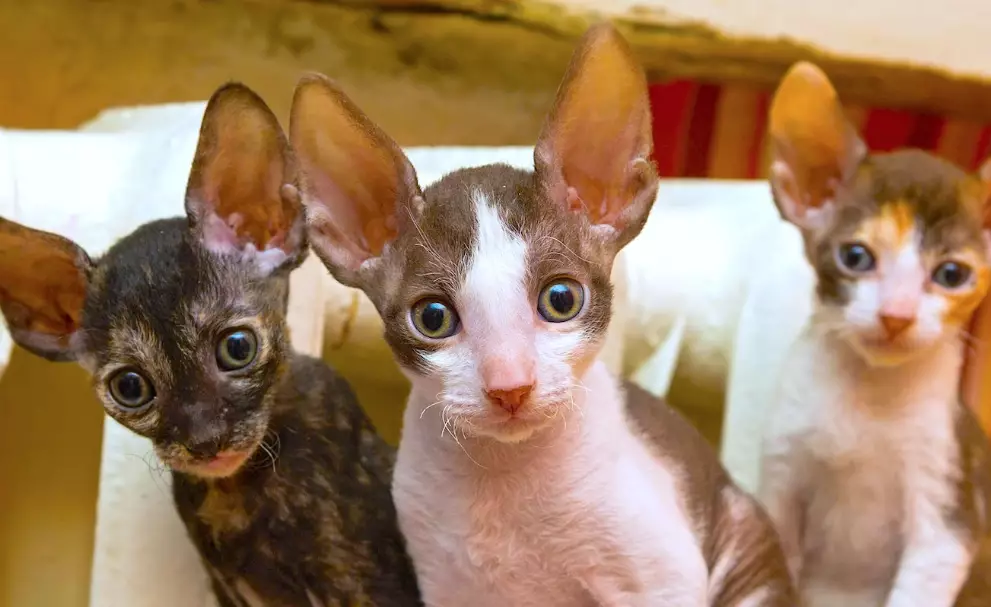
It's a recessive gene. That means both parents must carry the gene to produce curly offspring. This tight genetic pool early on does mean breeders have to be incredibly careful, which we'll touch on later. The breed was developed by crossing Kallibunker back to his mother (a practice called backcrossing common in establishing new breeds) and later outcrossing to other breeds like Siamese and British Shorthairs. This introduced diversity and, crucially, that chatty, outgoing personality. The International Cat Association (TICA) has a great historical overview if you're into the nitty-gritty.
So, physically, what are you looking at?
- The Coat: The marcel waves are tightest on the back, sides, and tail. It's short, plush, and lacks the coarse outer layer. It sheds very little, but it's not non-shedding. The loose hairs tend to get caught in the waves, so they often need a wipe-down with a damp cloth.
- The Body: Think of a whippet or a greyhound. They are fine-boned, slender, and surprisingly heavy for their size—all muscle. The arch in the back is a key breed signature, especially when they're standing alert.
- The Head: Egg-shaped. Really. A long, straight profile, high cheekbones, and those legendary large, wide-set ears.
- The Whiskers & Eyebrows: Often curly and brittle! They can break off easily, which is perfectly normal for the breed.
In a nutshell: a heat-seeking, curly-coated egghead on stilts.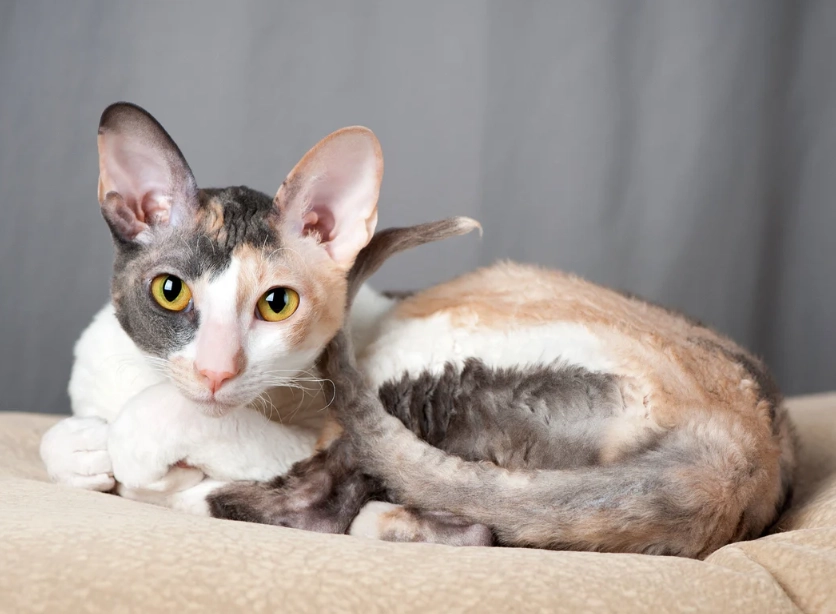
The Cornish Rex Personality: Not a Cat, a Companion
This is where the breed truly shines (or becomes a dealbreaker). Describing a Cornish Rex cat as "friendly" is like describing the ocean as "damp." It's a profound understatement.
They are often called "Velcro cats" or "shadow cats," and it's 100% accurate. They form intense bonds with their people and prefer to be involved in every single activity. This isn't a lap cat that will sit still for hours; this is a cat that wants to be on you, under the covers, perched on your shoulder, or cradled in your arms like a baby. They crave physical contact and warmth, partly because that lack of a full coat makes them seek out heat sources—radiators, sunny spots, your neck.
Their intelligence is off the charts. They learn tricks easily (fetch is a common favorite), can figure out puzzle feeders in seconds, and are notorious for opening cabinets, doors, and drawers. Childproof locks aren't a joke in a Cornish Rex household. They're also incredibly playful well into their senior years. A bored Cornish Rex is a destructive Cornish Rex. They need mental and physical stimulation daily.
And the voice! They are talkative, but not in the loud, demanding way of a Siamese. It's more of a constant, conversational chirp, trill, and purr. They'll answer when you speak to them, comment on your activities, and generally make their presence known in the sweetest way.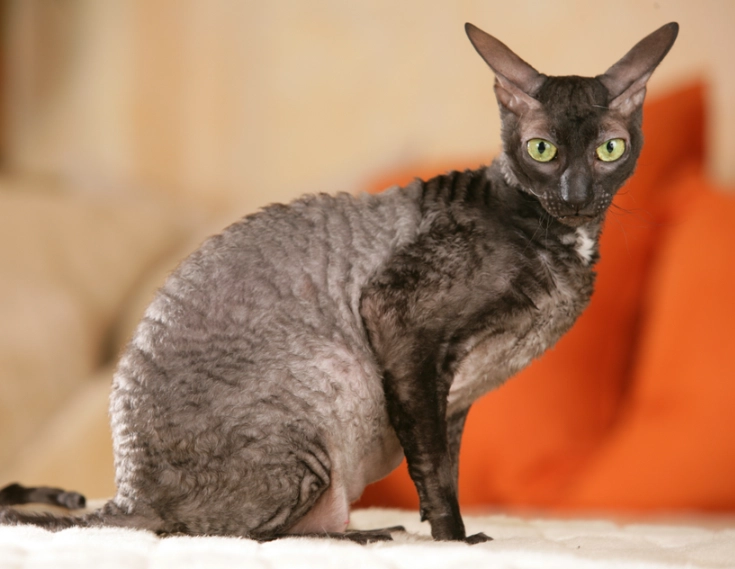
Is the Cornish Rex Personality Right for You? A Quick Reality Check
The Good: Unbelievably affectionate, loyal, entertaining, intelligent, playful, good with other pets and respectful children, relatively quiet voice.
The Challenging: Can suffer from separation anxiety if left alone too long, demands constant interaction, can be mischievous and get into trouble, needs a warm environment.
If you work 12-hour days and want a pet to greet you calmly at the door, this isn't your cat. If you want a interactive, dog-like companion who fills your home with activity and love, you're on the right track.
Caring for Your Wavy Friend: It's Not Just About Grooming
Because their coat is so unique, people get fixated on grooming. But caring for a Cornish Rex cat is a holistic thing. Let's break it down.
Grooming: The Suede Needs Love Too
Contrary to what you might think, they do need grooming. Not brushing with a standard slicker brush—that can damage the delicate hairs. Instead, use a very soft bristle brush or, my preferred method, a chamois cloth or soft grooming glove. This removes loose hairs and distributes skin oils, giving them that lovely sheen. They also need regular baths, every 4-8 weeks. Their skin can produce more oil than a typical cat because there's less hair to absorb it, leading to a greasy feel or even clogged pores. Use a gentle, cat-specific shampoo.
Here’s a simple gear table I wish I had when I started:
| Tool | Purpose | Frequency | Note |
|---|---|---|---|
| Chamois Cloth | Wipe down to remove dust/debris | Daily/Every other day | Great for quick clean-ups |
| Soft Bristle Brush | Gentle brushing to distribute oils | 1-2 times per week | Must be extremely soft |
| Cat Shampoo (Hypoallergenic) | Bathing to prevent oily skin | Every 4-8 weeks | Warm bathroom, dry thoroughly |
| Pet Wipes | Clean ears & paws | As needed (weekly check) | Ears can get waxy |
Diet & Nutrition: Fueling the Furnace
These cats are metabolism machines. They burn calories just by existing because they're working to stay warm. Most owners find their Cornish Rex cats need more food, and higher quality food, than an average cat of the same weight. Look for high-protein, high-fat diets. Obesity is less common in this active breed, but it's still possible with free-feeding. I feed mine a combination of measured dry food available all day and a wet food meal in the evening. Consult your vet, but expect to be surprised by how much this slender cat can pack away.
Environment: Keeping the Hairless(ish) Warm
They get cold. Easily. In cooler climates or air-conditioned homes, you'll find them under blankets, on top of electronics, or burrowed into your bed. Provide plenty of warm sleeping spots—heated cat beds (with safety covers) are a godsend. Sweaters are not just a fashion statement; many Rexes tolerate or even enjoy them in winter. Keep your home at a comfortable, warm temperature. A chilly Cornish Rex is a miserable, shivering Cornish Rex.
Sunbathing is a serious hobby. Ensure sunny windowsills are safe and accessible.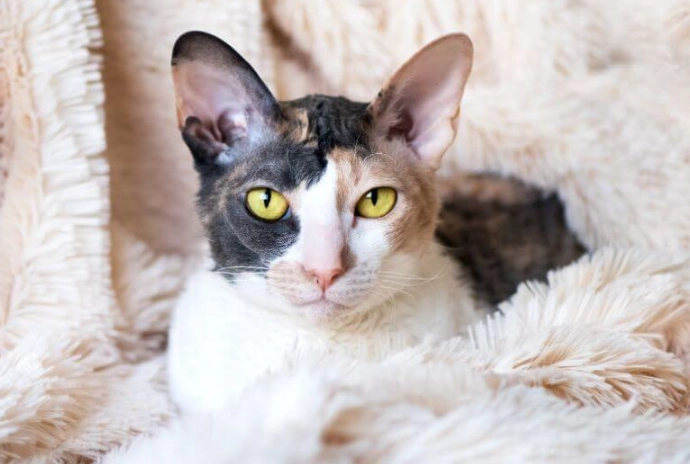
Health & Lifespan: What to Watch For
Generally, the Cornish Rex is a healthy, robust breed with a typical lifespan of 11-15 years, sometimes longer. However, that narrow genetic foundation introduced a few conditions potential owners should be aware of. A responsible breeder will screen for these.
- Hypertrophic Cardiomyopathy (HCM): This is the big one, a form of heart disease common in many cat breeds. Reputable breeders will have their breeding cats regularly scanned (by a veterinary cardiologist) to ensure they are not passing on this trait. Ask any breeder for proof of recent HCM screening on the parents.
- Patellar Luxation: A fancy term for a slipping kneecap. It's seen in some lines. It can range from mild (occasional skip in their step) to severe (requiring surgery).
- Skin Conditions: Some can be prone to urticaria pigmentosa (small crusty skin lesions) or sunburn due to the lack of coat coverage. Lighter-colored Rexes need sunscreen on ears and noses if they sunbathe.
- Genetic Diversity Issues: Because of the small gene pool, it's crucial to choose a breeder who outcrosses responsibly to maintain health. The comprehensive guide to HCM on PetMD is a useful resource to understand this condition, regardless of breed.
The key takeaway? Health testing in the parent cats is non-negotiable. Don't be shy about asking for documentation.
The Hypoallergenic Myth: Let's Clear the Air
This is probably the number one question. Are Cornish Rex cats hypoallergenic? The short, honest answer is: no cat is 100% hypoallergenic. Most cat allergies are triggered by a protein called Fel d 1, found primarily in cat saliva and sebaceous (skin oil) glands.
Now, here's why people think the Cornish Rex is better for allergies:
- Less Shedding: Since they only have an undercoat and shed very little, the allergen-carrying dander (dried skin flakes) and hair don't get launched into the environment as aggressively.
- Easier to Clean: Wiping them down with a damp cloth regularly can physically remove saliva and dander from their coat before it dries and becomes airborne.
However, they still produce the allergen. They still lick themselves. If you are severely allergic, you will likely still react. The best advice is to spend extended time with a Cornish Rex before committing. Visit a breeder's home, sit with the cats for an hour or two, and see how your body responds. It might be better, but it's not a guarantee.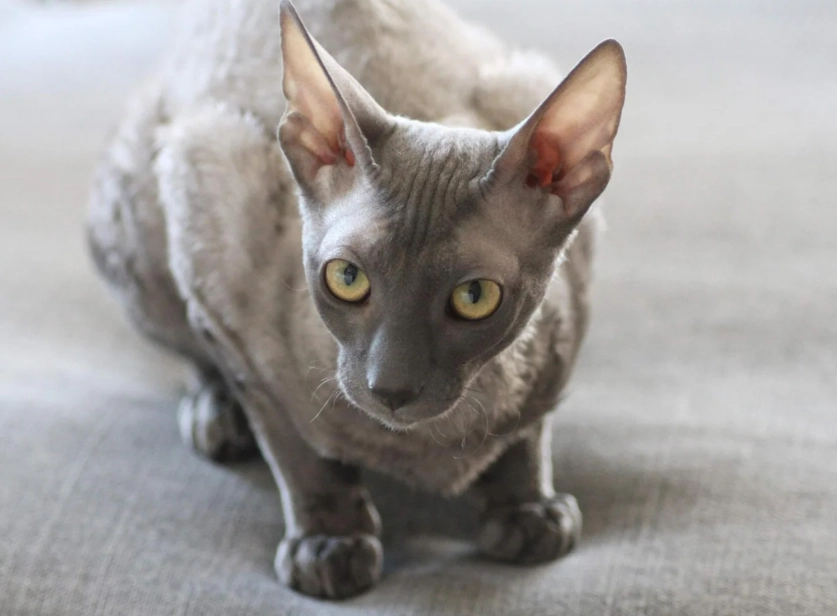
Choosing a Cornish Rex: Kitten vs. Adult, Breeder vs. Rescue
So you've decided to take the plunge. What's next?
Finding a Reputable Breeder: This is paramount. A good breeder's priority is the health and temperament of their cats. They will:
- Welcome questions and ask you just as many.
- Have the kittens raised underfoot in their home, socialized with people, sounds, and other pets.
- Provide a written health guarantee and documentation of vaccinations, deworming, and health screenings for the parents (HCM, patellas).
- Never have kittens available 24/7; they will have a waiting list.
- Be a resource for you for the cat's entire life.
Be prepared to pay a significant price, reflecting this care and testing.
Consider an Adult Cat: Don't overlook adult Cornish Rexes from breeders (retired show/breeding cats) or breed-specific rescues. Adults have established personalities, so what you see is what you get. They often settle into a new home incredibly quickly and are just as loving. I got my second Rex as a retired adult, and he was the easiest transition ever.
Rescue: While rare, Cornish Rex cats do sometimes end up in shelters or with general rescue groups. Checking with organizations like the Petfinder network and using the breed filter can sometimes yield results. Breed-specific rescues also exist.
Final Thoughts: Is a Cornish Rex Cat Your Perfect Match?
Living with a Cornish Rex is a commitment to constant companionship. It's finding cat hair in a different way (more like a fine dust). It's learning to type with a warm, purring weight on your wrists. It's laughing daily at their antics and being constantly amazed by their intelligence.
They are not low-maintenance pets. They are high-maintenance in their need for warmth, interaction, and mental engagement. But the return on that investment is immense. You don't just own a Cornish Rex cat; you have a relationship with a deeply intuitive, loving, and endlessly entertaining creature.
If your home is full of activity, love, and warmth (literal and figurative), a Cornish Rex might just be the missing piece. Do your homework, find a fantastic breeder or rescue, and get ready for life to get a whole lot more interesting—and a whole lot more cuddly.
Just be sure to buy an extra blanket. You're going to need it.