Quick Guide
- The British Shorthair Personality: Not a Lap Cat, But a "Same-Room" Cat
- The Honest Pros and Cons: No Sugar-Coating
- Living Day-to-Day: Care, Grooming, and That Famous Coat
- Feeding a British Shorthair
- Health and Lifespan: What You Need to Know
- Are They Good with Kids, Dogs, and Other Pets?
- The Cost: Beyond the Purchase Price
- Answering Your Burning Questions (FAQ)
- The Final Verdict: Who is a British Shorthair Actually For?
You've seen the pictures. That round face, those big copper eyes, the plush, dense coat that makes them look like a living teddy bear. The British Shorthair is everywhere, from Instagram fame to being the literal inspiration for the Cheshire Cat. It's no wonder you're asking the big question: is a British Shorthair cat a good pet for me?
I've been around cats my whole life, and I've had friends who've owned British Shorthairs for years. I remember visiting my friend Sarah and being struck by how her blue British Shorthair, Winston, just… existed. He wasn't hiding, but he wasn't climbing my leg either. He observed from a dignified distance, a calm, furry paperweight in the corner of the sofa. It was a different kind of cat energy.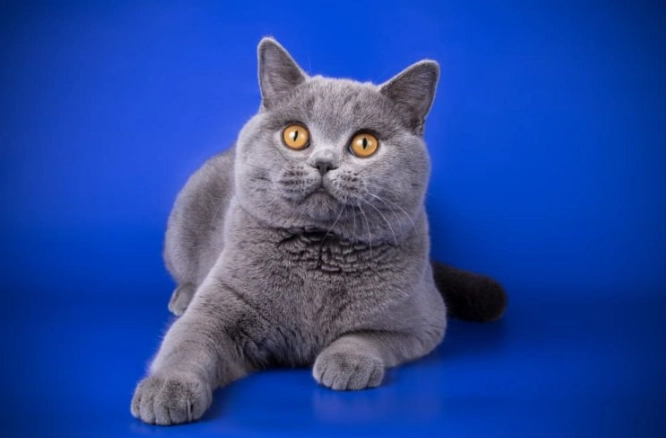
The short, and slightly annoying, answer is: it depends. It depends on what you want from a feline companion. To call any breed universally "good" or "bad" is a disservice. What's perfect for a quiet, working professional might be a nightmare for a family with hyperactive toddlers craving a playful wrestling partner.
So, let's ditch the fluffy marketing and dive into the real, unvarnished details. We'll talk about their famous temperament (it's not just "calm"), the surprising amount of grooming they actually need, their health, their quirks, and the situations where they truly shine—or might not be the best fit. By the end, you'll have a crystal-clear picture to answer that question for yourself.
The British Shorthair Personality: Not a Lap Cat, But a "Same-Room" Cat
If you're looking for a cat that will follow you from room to room, chirping for constant attention, you might want to look at breeds like Siamese or Ragdolls. The British Shorthair operates on a different wavelength.
Their temperament is best described as independent, dignified, and undemanding. They form deep bonds with their families but express it in a more reserved, British manner (fitting, right?). They're the masters of quiet companionship. You'll often find them in the same room as you, content to just be present, perhaps watching your every move with those wise, observant eyes.
They enjoy affection, but usually on their own terms. A few minutes of chin scratches when they solicit it, then they're off to their next important task: napping. They are not typically clingy or needy. This makes them fantastic for people who work full-time or appreciate a more low-key pet presence.
But don't mistake this independence for aloofness or a lack of intelligence. They're quite smart and can be playful, especially as kittens. Their play style, however, tends to be less "frantic acrobat" and more "strategic pouncer." A feather wand or a ball they can bat around is perfect. They mature slowly, often retaining a kittenish playfulness for a few years before settling into their full, dignified adult persona.
This leads us to a core point when wondering, is a British Shorthair cat a good pet? If your definition of a good pet is an interactive, cuddly shadow, maybe not. If it's a stable, charming, low-drama companion that respects your space, then absolutely yes.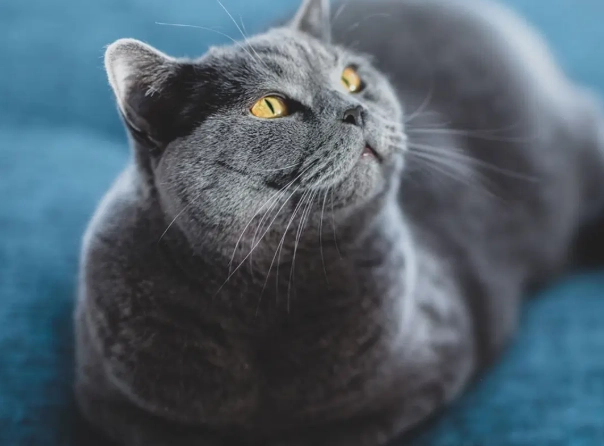
The Honest Pros and Cons: No Sugar-Coating
Let's lay it all out on the table. This isn't about good or bad, but about fit. Here’s a clear breakdown of what you're signing up for.
| The Big Pros (Why You Might Love One) | The Real Cons (What to Seriously Consider) |
|---|---|
| Exceptionally Calm & Quiet: Rarely vocal. You'll get a chirp or a meow, not yowling. Perfect for apartments or noise-sensitive households. | Notoriously Heavy Shedders: That plush coat? It sheds. A lot. Weekly brushing is non-negotiable, and you'll find fur on everything during seasonal changes. |
| Independent & Low-Demand: Doesn't suffer from separation anxiety easily. Happy to entertain themselves, making them ideal for busy people. | Prone to Weight Gain: They love their food and have a stocky build. Without strict portion control and play, obesity is a major risk. |
| Generally Healthy & Robust: A well-bred BSH is a sturdy cat with a long lifespan (12-20 years). Few major breed-specific issues compared to some flat-faced breeds. | Can Be Reserved with Strangers: They often take a "wait and see" approach to new people. Don't expect an instant greeter at parties. |
| Gentle & Patient Nature: Their even temper makes them potentially good with respectful children and other calm pets. They're not easily startled or aggressive. | Not a "Cuddle Monster": Affection is often brief and self-directed. If you dream of a cat that sleeps on your chest every night, this might disappoint you. |
| Adaptable to Various Homes: Does well in both houses and apartments due to their moderate activity level. They're not destructive out of boredom. | Potential for Genetic Issues: Like all purebreds, responsible breeding is key. Hypertrophic Cardiomyopathy (HCM) and Polycystic Kidney Disease (PKD) can be concerns. Reputable breeders screen for these. |
See? It's a balance. The very trait that makes them perfect for some (independence) is the same trait that might leave others feeling wanting. The stunning coat is a double-edged sword of beauty and maintenance.
Living Day-to-Day: Care, Grooming, and That Famous Coat
Okay, let's talk about the fur. It's a huge part of their appeal, but it's work. That dense, plush double coat feels amazing, but it mats if neglected and sheds like it's going out of style.
Grooming is not optional. A weekly brush with a good slicker brush or a stainless steel comb is the bare minimum. During spring and fall, you'll likely need to brush every other day to keep up with the loose hair. It's not just for their coat health; it reduces hairballs and the amount of fur floating around your home. Get a good vacuum cleaner. I'm serious.
Their nails need regular trimming, and their ears should be checked weekly for cleanliness. Dental care is critical for any cat, but their sturdy build doesn't exempt them from periodontal disease. Getting them used to tooth brushing early is a gift to their future health.
Feeding a British Shorthair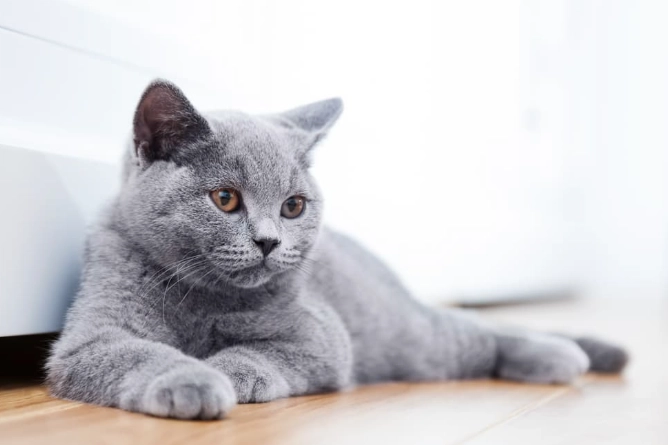
This is where many owners slip up. These cats have a natural, stocky, and rounded physique—they're supposed to be solid. But there's a fine line between sturdy and obese. Their love for food is legendary, and they can be quite persuasive with those round eyes.
Obesity in cats leads to a host of problems: diabetes, arthritis, urinary issues, and a shortened lifespan. Keeping your BSH at a healthy weight is one of the most important things you can do. Play sessions, even short ones, are crucial. Engage their hunting instinct with wand toys to get them moving.
Health and Lifespan: What You Need to Know
Generally, the British Shorthair is considered a healthy, robust breed with a good lifespan, often reaching their late teens. This is a testament to their history as a natural working cat breed. However, being a purebred, they are predisposed to certain conditions.
The two most significant genetic concerns are:
- Hypertrophic Cardiomyopathy (HCM): A form of heart disease where the heart muscle thickens. Reputable breeders will screen their breeding cats via echocardiograms. The Cat Fanciers' Association (CFA) and other registries emphasize the importance of this testing. When asking a breeder about health, ask for proof of recent HCM screenings for the parents.
- Polycystic Kidney Disease (PKD): An inherited disease causing cysts to form in the kidneys. A responsible breeder will have tested the parents as PKD-negative via ultrasound or DNA test. The International Cat Association (TICA) provides resources on genetic health testing.
Other things to watch for include Hemophilia B (a clotting disorder, more common in British Shorthairs than other breeds) and a tendency towards urinary crystals or stones, which is why proper hydration (via wet food and water fountains) is so important.
The bottom line?
Your best defense is a responsible breeder who prioritizes health over looks. A good breeder will be transparent about health tests and offer a health guarantee. Adopting an adult BSH from a breed-specific rescue is another wonderful option, as their health profile is already established.
Are They Good with Kids, Dogs, and Other Pets?
Their gentle and tolerant nature makes them a candidate for multi-pet or family homes, but with major caveats.
With Children: British Shorthairs can be excellent with calm, respectful children who understand how to pet gently and not chase or harass the cat. Their patience is a virtue here. However, they are not a punchy, resilient toy. A household with very young, loud, or unpredictable toddlers might be highly stressful for them. They are more likely to retreat and hide than to lash out, which can lead to a cat that feels perpetually anxious. For families with older, quieter kids, they can be a marvelous, steady companion.
With Other Pets: Again, their laid-back attitude works in their favor. They can often coexist peacefully with cat-friendly dogs, especially if introduced properly and gradually. They tend to get along with other cats, particularly if the other cat is also of a calm disposition. The key is that they prefer a peaceful kingdom. A hyperactive dog or a territorially aggressive cat will clash with their desire for a serene life.
So, is a British Shorthair cat a good pet for a busy family? It's possible, but the environment needs to be right. They are not the automatic "family cat" in the way some more outgoing breeds might be.
The Cost: Beyond the Purchase Price
Let's talk money, because it matters. A British Shorthair kitten from a reputable, ethical breeder can cost anywhere from $1,500 to $3,000+ in the US. The price reflects health testing, proper care for the queen and kittens, and registration. Be wary of breeders selling for significantly less; it often means they've cut corners on health or socialization.
But the initial cost is just the start. You need to budget for:
- High-quality food (wet & dry)
- Annual vet check-ups, vaccines, preventatives
- Pet insurance (highly recommended for purebreds) or a dedicated emergency fund
- Litter, toys, scratching posts, beds
- Grooming tools (good brushes, nail clippers)
- Potential future dental cleanings (which require anesthesia)
Owning any pet is a long-term financial commitment, but with a purebred cat that may have specific health predispositions, it's wise to plan ahead. Pet insurance can provide peace of mind against unexpected, large vet bills for conditions like HCM.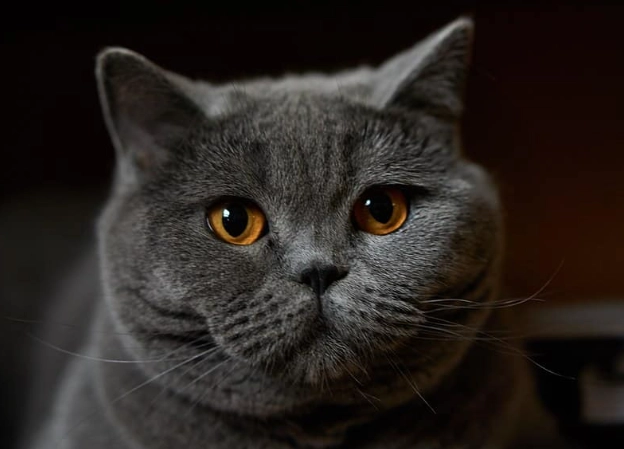
Answering Your Burning Questions (FAQ)
The Final Verdict: Who is a British Shorthair Actually For?
After all this, let's circle back. Is a British Shorthair cat a good pet?
They are an excellent pet for a specific type of person or household.
You will likely thrive with a British Shorthair if you:
- Want a calm, quiet, and undemanding companion.
- Appreciate a cat with a dignified, independent personality.
- Have a relatively quiet and predictable home environment.
- Are a first-time cat owner who might be overwhelmed by a more needy or vocal breed.
- Are a busy professional who wants feline company without constant demands.
- Don't mind a significant grooming commitment (and investing in a good vacuum).
- Are disciplined about diet and portion control.
- Value a gentle, predictable temperament over constant interactive cuddles.
You might want to reconsider if you:
- Dream of a cat that sleeps in your arms every night.
- Have very young, loud, or boisterous children.
- Want a highly interactive, "dog-like" cat that plays fetch and follows you everywhere.
- Have severe cat allergies (spend time with one first!).
- Are unwilling to commit to regular grooming and strict feeding routines.
- Want a cat that will enthusiastically greet your guests.
My personal take? I adore them. I think their steady, charming presence is a wonderful antidote to a chaotic world. But I also know their shedding is a force of nature, and their affection is a quiet gift, not a loud proclamation.
Ultimately, is a British Shorthair cat a good pet for you? Only you can answer that. But now, you have the real story—not just the Instagram filter version. You know about the glorious fur and the fur-covered clothes. You know about the peaceful companionship and the potential for weight gain. You know the questions to ask a breeder and the lifestyle they fit best.
If your life aligns with what they offer, you could gain a wonderfully sturdy, charming, and serene friend for many, many years. Just be prepared for a house that will forever have a fine layer of plush, beautiful fur. It's part of the deal.