Quick Guide
Let's be honest, when most people think of a "regular cat," they're picturing a tabby. That classic M on the forehead, the swirls on the sides, the stripes on the legs and tail. It's the default cat setting. But here's the thing most people get wrong right off the bat: "tabby" isn't a breed. It's a coat pattern. A really, really common and beautiful one that shows up in tons of different cat breeds and, of course, the ever-popular domestic shorthair and longhair. It's like saying someone has curly hair—it tells you something about their look, but not their family history.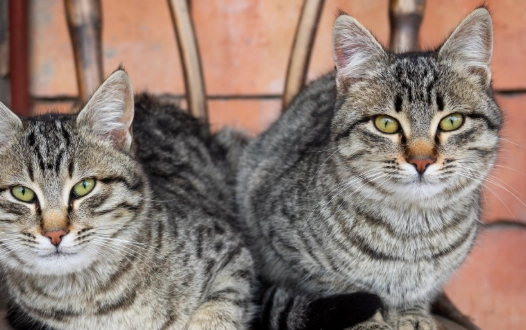
I've lived with cats my whole life, and some of the most memorable characters have been tabbies. There was a mackerel tabby who would fetch bottle caps, and a grumpy old classic tabby who ruled the sunspot on the living room rug. They're everywhere, and yet I still get questions from friends looking to adopt: "Are tabby cats friendly?" "Do they have specific health problems?" "What's the deal with all those different patterns?"
So, let's dig in. If you're considering sharing your home with one of these striped, spotted, or swirled wonders, or if you just want to understand the cat sitting on your lap a bit better, this is for you. We're going beyond the basics.
More Than Just Stripes: Decoding the Tabby Cat Pattern
All tabbies share a few universal trademarks, thanks to a gene called the agouti gene. This gene makes each individual hair have bands of light and dark color. Look closely at your tabby's fur—you'll see it. The other universal? That famous "M" marking on the forehead. It's their birthright. From there, the pattern branches out into four main types. It's not just random.
The Four Classic Tabby Patterns
Understanding these patterns helps you appreciate the artistry of your cat's coat. It's not just "striped."
| Pattern Name | What It Looks Like | Common Nickname & Notes |
|---|---|---|
| Mackerel Tabby | Narrow, vertical stripes running parallel down the sides, like a fish skeleton. | The "tiger cat." This is the most common pattern, the one people usually picture first. The stripes are clean and distinct. |
| Classic Tabby | Bold, swirling patterns on the sides that often look like marble cake or bullseyes. | The "blotched tabby." These swirls are thicker and more dramatic than mackerel stripes. It gives them a very majestic, old-world look. |
| Spotted Tabby | Spots of various sizes and shapes scattered across the body, instead of continuous stripes. | The "leopard cat." Sometimes these are broken mackerel stripes. Breeds like the Ocicat and Bengal are famous for this, but moggies can have it too. |
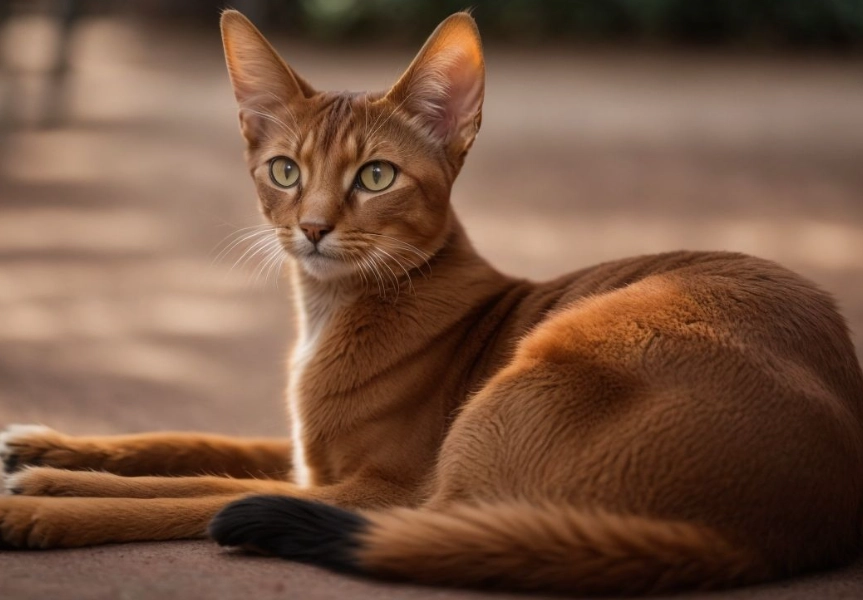
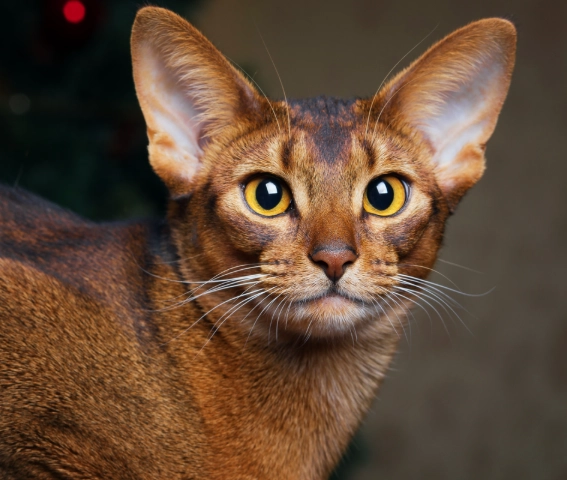
| Ticked Tabby | No obvious stripes or spots on the body. The agouti banding is on every hair, giving a sandy, speckled appearance. | The "salt-and-pepper" cat. From a distance, they might look like a solid color, but up close, you see the magic. Abyssinians are pure ticked tabbies. |
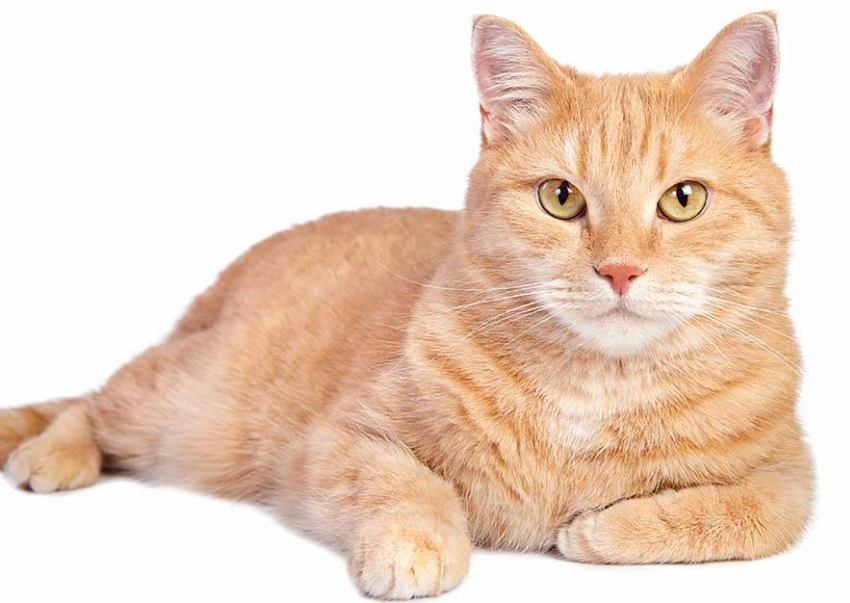
You can even get a patched tabby (often called "torbie"), which is a tortoiseshell cat where the red and cream patches also show clear tabby patterning. It's a glorious, chaotic mix.
Fun Fact: A cat can carry the genes for more than one tabby pattern! That's why you sometimes see kittens in the same litter with different patterns—one might be a classic, another a mackerel. Genetics is messy in the best way.
The Tabby Cat Personality: Myth vs. Reality
This is the big one. People desperately want to know if the pattern predicts personality. I wish it were that easy. The truth is, a cat's personality is shaped by a massive cocktail of factors: breed (if they have a specific one), genetics, early socialization, and individual quirks. A tabby cat from a laid-back Ragdoll lineage will act very different from a tabby cat with a lot of active, curious alley cat in their background.
That said, because the tabby pattern is so dominant in the general domestic cat population, we can make some very broad, general observations about the typical domestic shorthair tabby cat personality—with a huge grain of salt.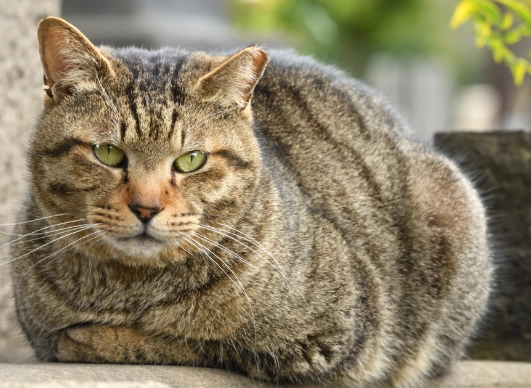
Most tabby owners I've talked to, and my own experience backs this up, describe their cats as:
- Highly Social and People-Oriented: They often want to be where you are. Not always on your lap (though frequently), but in the same room, supervising.
- Playful and Energetic: They retain a kitten-like curiosity and love for play well into adulthood. That feather wand isn't going to chase itself.
- Intelligent and Problem-Solving: This can be a double-edged sword. A smart cat figures out how to open cabinets, but they also learn tricks and routines quickly.
- Vocal in a Conversational Way: Not necessarily yowlers, but many are chirpers, trillers, and will meow back if you talk to them. It feels like a dialogue.
My current cat, a mackerel tabby named Finn, is a perfect example of the "smart but troublesome" side. He learned how to open the lever-style door handles in my old apartment. It was impressive until I woke up at 3 AM to find him staring at me from the hallway. I had to start locking the door from the inside. Clever? Yes. Annoying? Also yes.
But let's be clear: I've also met aloof tabbies and clingy solid-colored cats. You can't judge a book by its cover, and you can't judge a cat by its stripes. The best predictor is meeting the individual cat and learning their history.
Keeping Your Tabby Healthy: What to Watch For
Again, since "tabby" isn't a breed, there are no health issues exclusive to the pattern. Their health risks are tied to their breed mix and their lifestyle (indoor vs. outdoor). However, because so many tabbies are domestic shorthairs—a generally robust group—we can focus on the common cat health problems that any owner, including tabby cat owners, should be vigilant about.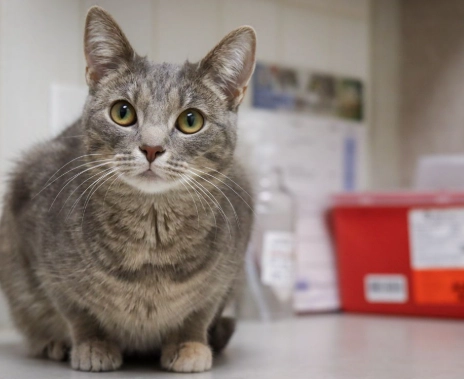
Important: This is not a substitute for veterinary advice. Always consult your vet for diagnosis and treatment plans. These are just common issues to be aware of.
Top Health Considerations for Any Cat (Including Tabbies)
- Dental Disease: This is huge. By age three, most cats have some degree of dental issue. Bad breath, red gums, difficulty eating—don't ignore it. Regular vet check-ups and dental care (yes, brushing if you can!) are crucial.
- Obesity: A lazy, overfed indoor tabby cat is a prime candidate. That cuddly roundness isn't cute; it's hard on their joints and organs. Measure their food, use puzzle feeders, and play with them. The Cornell Feline Health Center has excellent resources on feline nutrition and weight management.
- Kidney Disease: Chronic kidney disease is very common in older cats. Increased thirst and urination, weight loss, and lethargy are key signs. Bloodwork at your vet can catch it early.
- Hyperthyroidism: Another common senior cat issue. It's an overactive thyroid gland that causes weight loss despite a ravenous appetite, hyperactivity, and sometimes vomiting. It's treatable!
The single best thing you can do for your tabby's health? Keep them indoors. Outdoor cats face dramatically higher risks from cars, predators, fights with other animals, parasites, and infectious diseases. An indoor tabby cat lives a longer, safer life on average. Provide enrichment inside with climbing trees, window perches, and interactive play.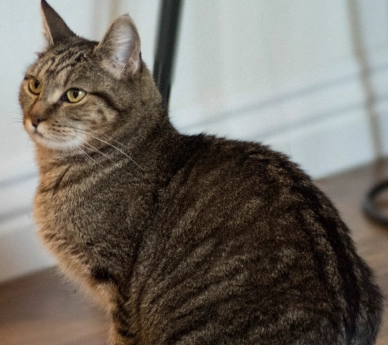
Tabby Cat Care: The Day-to-Day Stuff
Caring for a tabby isn't mysterious, but getting the details right makes life better for both of you. Let's break it down.
Grooming Needs
Most tabbies, especially shorthairs, are low-maintenance. A weekly brushing with a slicker brush or grooming glove is perfect. It removes loose hair, reduces hairballs, and is a great bonding activity. Longhaired tabbies (yes, they exist!) need daily brushing to prevent mats.
Nutrition: Fueling the Tabby Engine
Feed a high-quality, age-appropriate commercial cat food. Look for a statement from the Association of American Feed Control Officials (AAFCO) on the label saying it's complete and balanced for your cat's life stage. Wet food can be great for hydration, but good dry food is fine too. The debate rages on, but your vet's opinion is the one that matters most for your specific cat.
Pro Tip: Avoid free-feeding (leaving a full bowl out all day). It's the fastest track to an overweight tabby cat. Two or three measured meals a day is a much better approach. It also lets you monitor their appetite, which is a key health indicator.
Environmental Enrichment: Beating Boredom
A bored cat is a destructive cat. A bored, intelligent tabby cat is a force of nature. They need to scratch, climb, hide, and hunt.
- Scratching Posts: Have multiple, in different textures (sisal, carpet, cardboard) and orientations (vertical, horizontal).
- Vertical Space: Cat trees, wall shelves, window hammocks. Cats feel safe up high.
- Interactive Play: 10-15 minutes, twice a day. Mimic prey with wand toys. Let them "catch" it sometimes to satisfy the instinct.
- Food Puzzles: Make them work for their kibble. It stimulates their brain and slows down eating.
Seriously, play with your cat. It's not optional. It's how you prevent them from redecorating your curtains at 5 AM.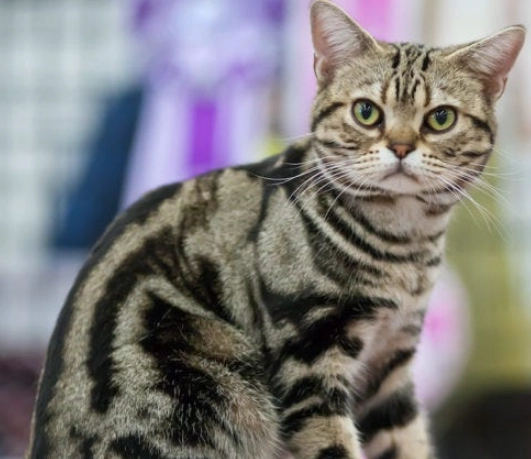
Your Tabby Cat Questions, Answered
Finding Your Tabby: Adoption is the Best Option
Want a tabby cat? Please, check your local animal shelters and rescue groups first. Shelters are always full of amazing tabbies of all ages, patterns, and personalities waiting for a home. You can often find specific types—want a playful orange mackerel tabby kitten? A calm senior classic tabby? They've got them.
Adopting an adult tabby cat has a huge advantage: their personality is already developed. You know exactly what you're getting—a cuddler, an independent spirit, a playful goofball. Kittens are a gamble. Reputable shelters like those affiliated with the ASPCA or local humane societies will have them vet-checked, vaccinated, and often spayed/neutered.
If you have your heart set on a specific breed that comes in tabby (like a Bengal, Abyssinian, or Maine Coon), do relentless research to find an ethical, responsible breeder. A good breeder prioritizes health and temperament, screens for genetic diseases, and will ask you as many questions as you ask them. Avoid pet stores and online marketplaces that are fronts for kitten mills.
Wrapping It Up: The Tabby Verdict
So, what's the final word on the tabby cat? They're the ultimate cat's cat. They embody the classic feline look with an endless variety of stunning patterns. Their personalities, while not dictated by their stripes, tend to run toward the social, intelligent, and engaging end of the spectrum—making them fantastic companions for families, singles, and seniors alike.
Caring for them is straightforward: keep them indoors, feed them well, play with them, and stay on top of vet visits. Watch for the common health issues that affect all cats. The resources from places like the Merck Veterinary Manual or the International Cat Care website are invaluable for any owner.
At the end of the day, bringing a tabby into your life means welcoming a piece of living, breathing, purring art with a mind of its own. They're not just striped cats. They're individuals with rich histories written in their fur, from the ancient "M" on their brow to the unique maps of stripes and swirls on their sides. Whether you're drawn to the sleek tiger look of the mackerel or the bold marbling of the classic, a tabby cat offers a timeless, rewarding friendship.
Maybe go visit your local shelter this weekend. You might just meet your new best friend, who happens to be wearing a fabulous striped coat.