If you've ever spotted a cat with a stunning, mottled coat of black and orange—a classic tortoiseshell—and then did a double-take when you realized it was a male, you've witnessed a feline genetic marvel. The male tortoiseshell cat isn't just unusual; it's a walking lesson in genetics. Owning or caring for one is a unique experience, wrapped in a beautiful, patchwork package. Let's cut straight to it: these cats are rare because their very existence requires a specific genetic anomaly. But beyond the rarity, what does it mean for their health, their behavior, and their care? That's what we're here to unpack, without the fluff.
Quick Guide: What's Inside
The Simple Genetics Behind a Rare Cat
Forget complex charts. Here's the core of it. A cat's coat color genes are carried on the X chromosome. The gene for orange fur and the gene for black (or its variants like grey or brown) are different versions (alleles) of the same spot on that X chromosome.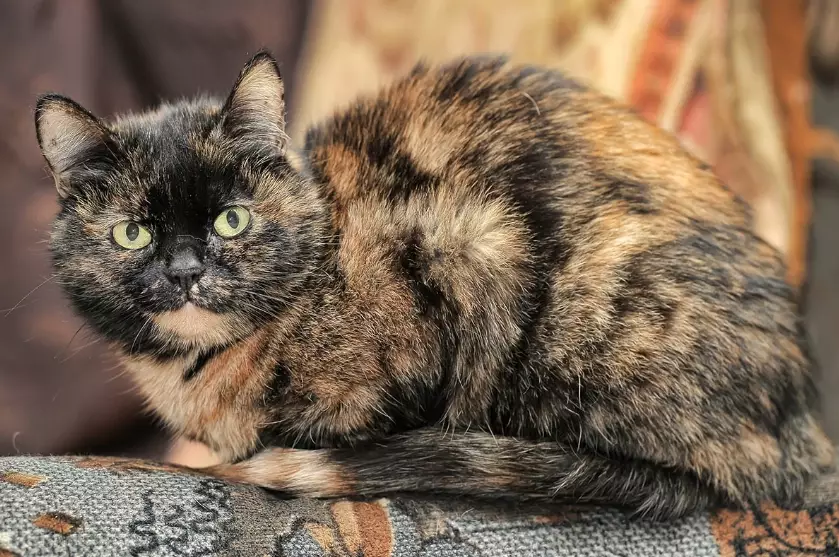
A female cat has two X chromosomes (XX). In early development, one X gets randomly inactivated in each cell. If one X carries orange and the other carries black, you get patches of orange cells and patches of black cells. Voilà—a tortoiseshell or calico pattern.
Males are typically XY. One X, one Y. They can only inherit one color gene from that single X. So they're either orange or black, not both.
So how does a male tortie happen?
He must have two X chromosomes and a Y chromosome. That's an XXY karyotype, a condition known as Klinefelter syndrome. The extra X provides the second color gene needed for the patchwork. This isn't a breed-specific thing; it can occur in any cat, from a random-bred domestic shorthair to a pedigreed Persian. The odds are about 1 in 3,000 tortoiseshell cats. That's why a male tortoiseshell cat turns heads.
Note on Calico vs. Tortoiseshell: People often use these terms interchangeably. Technically, 'calico' describes cats with white, orange, and black patches. 'Tortoiseshell' or 'tortie' is used for cats with blended orange and black with little to no white. The genetics for both patterns in males are the same—they require that extra X chromosome.
Health Considerations for a Male Tortie
This is where most generic articles stop at "they might have health issues" and leave you anxious. Let's be specific, not scary.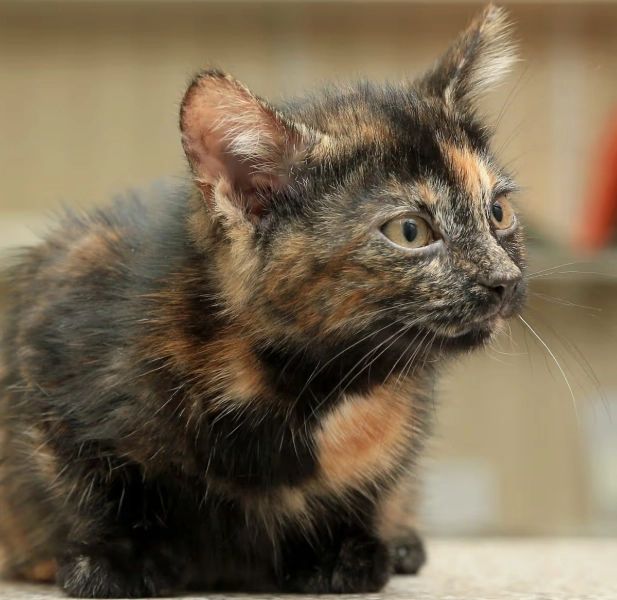
The XXY configuration itself isn't a disease. It's a genetic constitution. However, it can predispose a cat to certain challenges. The key is proactive, not paranoid, care.
Potential Areas to Monitor
Based on veterinary literature and breeder observations (like those documented by the International Cat Care organization), here are the points a savvy owner should discuss with their vet:
Joint and Bone Health: There appears to be a higher incidence of joint issues, such as mild hip dysplasia or laxity. It's not a guarantee, but it's a good reason to keep your cat at a healthy weight to avoid extra stress on joints.
Dental Health: Some anecdotal reports suggest male torties and calicos might be more prone to gingivitis and dental resorption. This makes a solid dental care routine—like getting them used to tooth brushing or using dental treats—non-negotiable.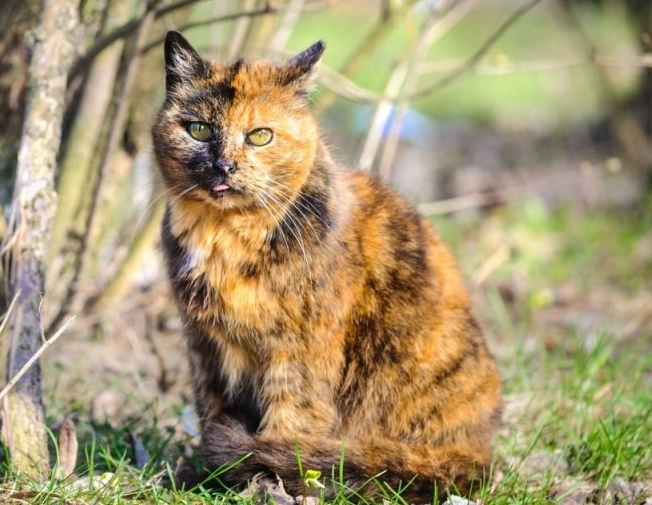
Developmental Concerns: This is the big one often whispered about. The XXY karyotype can, in some cases, be associated with other developmental quirks. The most commonly mentioned are congenital heart defects, like murmurs or minor valve malformations. I learned this the hard way with a foster male tortie years ago. The shelter vet missed it, but a cardiologist identified a very mild defect that required no treatment but did inform his care plan.
Here's the expert tip most miss: Don't just ask your vet to "listen" for a heart murmur during a routine check-up. If you're getting a male tortie, especially from a shelter, ask if a baseline cardiac ultrasound (echocardiogram) is advisable. It's a bit more expensive, but it gives you a complete map of his heart health from the start. Peace of mind is worth it.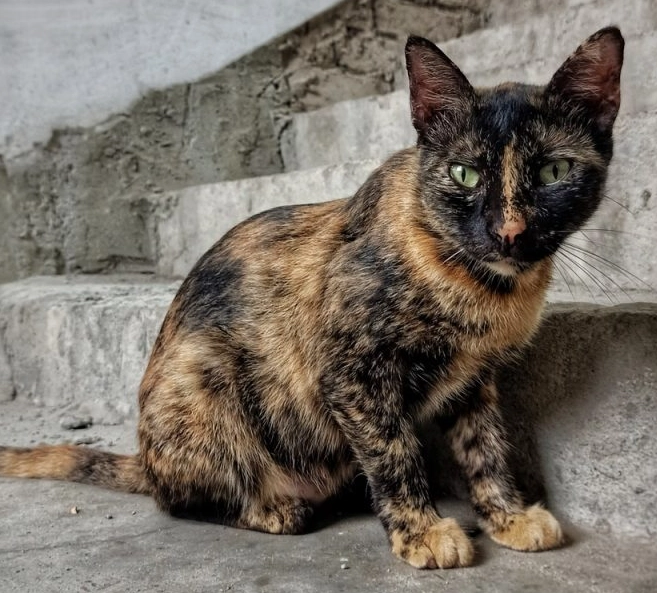
A Practical Daily Care Guide
Caring for a male tortie isn't about a special diet or magic potions. It's about precision and observation.
Nutrition & Weight Management
Given the potential for joint issues, maintaining an ideal body condition is crucial. I'm a fan of using a kitchen scale to measure food, not just scooping. Calculate his daily calorie needs with your vet and stick to it. High-quality, protein-rich wet food is often better for hydration and weight control, but a good dry food can work if portions are strict.
Watch for picky eating. Some male torties develop strong food preferences. Rotating flavors and textures early on can prevent this.
Grooming & Skin Care
Their coat is usually a delight. Regular brushing (2-3 times a week) helps reduce shedding and is a great bonding activity. Check their skin, especially in the colorful patches, for any dryness or irritation. No special shampoo needed—just a gentle, feline-formulated one for the occasional bath.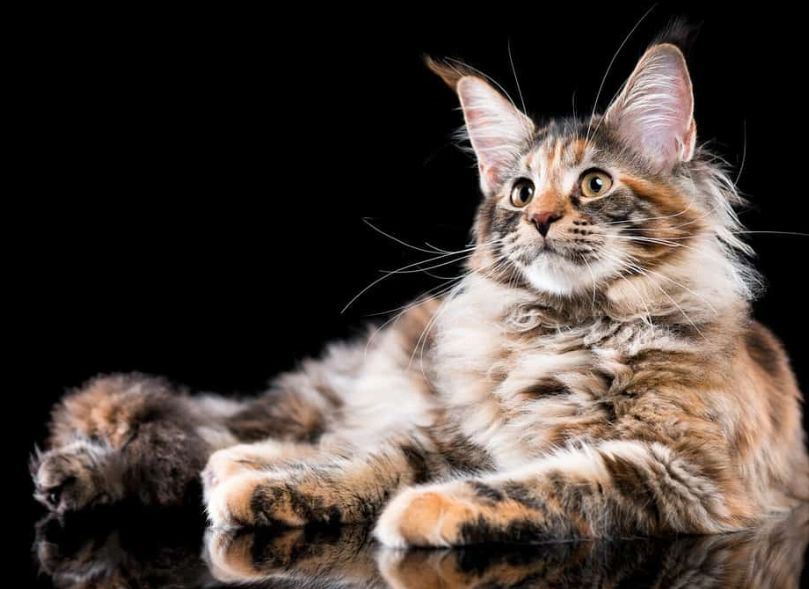
Veterinary Partnership
This is the cornerstone. Find a vet who is curious, not dismissive, about his genetics. Your baseline vet visits should include:
- Annual blood work to monitor organ function.
- Thorough dental exams.
- Careful joint palpation and movement observation.
- Consistent heart and lung auscultation.
Think of it as a tailored health audit, not just shots and a quick look-over.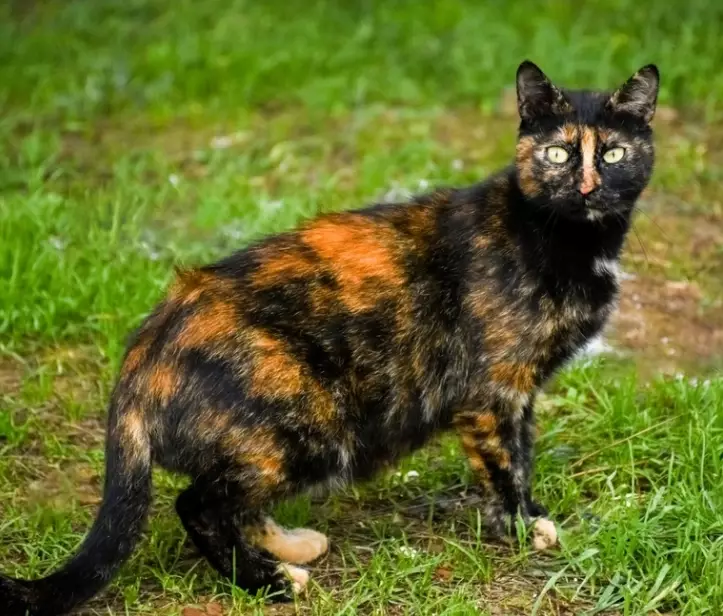
Behavior & Personality: Separating Fact from 'Tortitude'
Ah, "tortitude." The internet loves this myth that all tortoiseshell cats are sassy, demanding divas. It's mostly nonsense. Coat color doesn't dictate personality; genetics, early socialization, and individual experience do.
That said, living with a male tortie often feels different. In my experience and from talking to dozens of owners, they tend to break the mold.
Many are exceptionally affectionate, almost dog-like in their loyalty. They follow you from room to room. They might be more vocal, not necessarily yowling, but with a repertoire of chirps, trills, and meows to comment on everything. I had one who would "talk back" in a soft murmur every time I asked him a question.
The potential behavioral quirk linked to Klinefelter's? They are almost always sterile, but they may still exhibit intact male behaviors like spraying or roaming if not neutered. Neutering is still strongly recommended to curb these behaviors and for long-term health benefits.
Forget the stereotype. Your male tortie's personality will be his own unique blend. He might be a laid-back lap cat, a mischievous explorer, or a chatty companion. The only predictable thing is that he'll keep you guessing.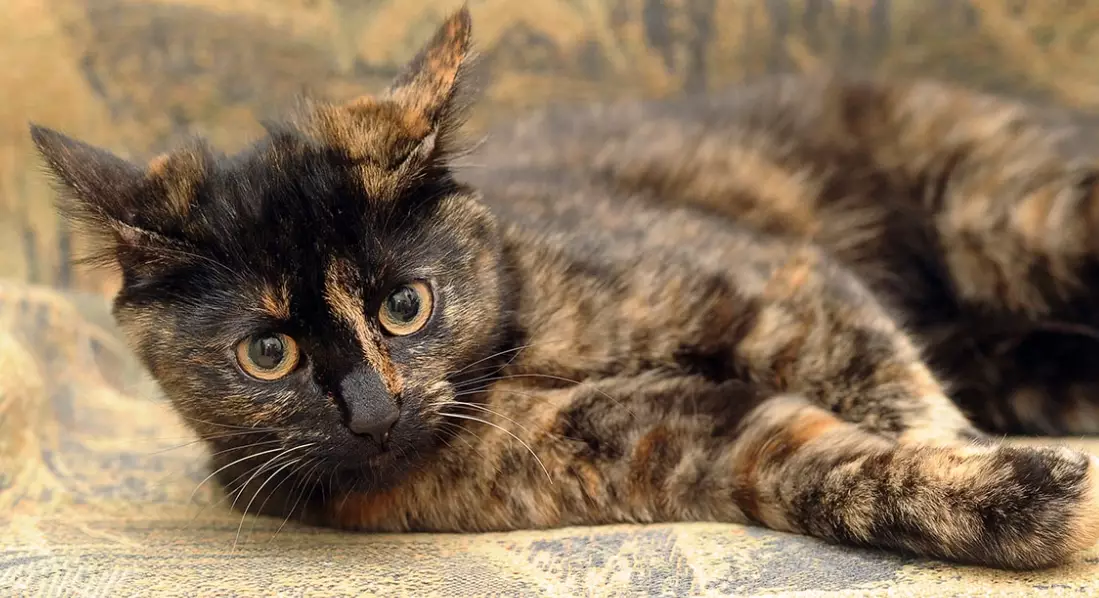
Your Questions, Answered
Owning a male tortoiseshell cat is a journey into feline genetics made tangible. It requires a slightly more attentive eye, a partnership with a good vet, and a willingness to throw out silly stereotypes. What you get in return is a truly one-of-a-kind companion whose beautiful coat is just the beginning of his story. The real magic is in the unique individual beneath those patches of orange and black.