Quick Navigation
- From Ship's Mouser to America's Sweetheart: A Surprisingly Rugged History
- Beyond the "Easygoing" Label: The Real American Shorthair Personality
- The Day-to-Day: What Caring for an American Shorthair Really Looks Like
- Health & Lifespan: What to Watch For
- Your American Shorthair Questions, Answered
- Finding Your American Shorthair: Breeder vs. Rescue
Let's be real. You've probably seen a picture of a gorgeous, sturdy-looking tabby cat with big, round eyes and thought, "Wow, what a cat." Chances are, you were looking at an American Shorthair. They're everywhere in cat food commercials, memes, and just lounging in sunny windowsills across the country. But what's it actually like to live with one? Is the American Shorthair cat the easygoing, low-maintenance family pet everyone claims, or is there more to the story?
I've spent years talking to breeders, owners, and veterinarians about this breed. I've also had the joy (and occasional frustration) of sharing my home with a lovely silver tabby American Shorthair named Gus for the past eight years. This guide isn't just a rehash of breed standards. It's a deep dive from the perspective of someone who's lived with the purring reality of it all—the good, the bad, and the surprisingly loud 5 AM meows for breakfast.
We're going to strip away the marketing fluff. We'll talk about where these cats really came from (spoiler: it involves ships and rats), what their personality is like when the camera isn't on them, how much work they actually are, and what health issues you should have on your radar. By the end, you'll know if an American Shorthair is the right fit for your couch, your kids, and your sanity.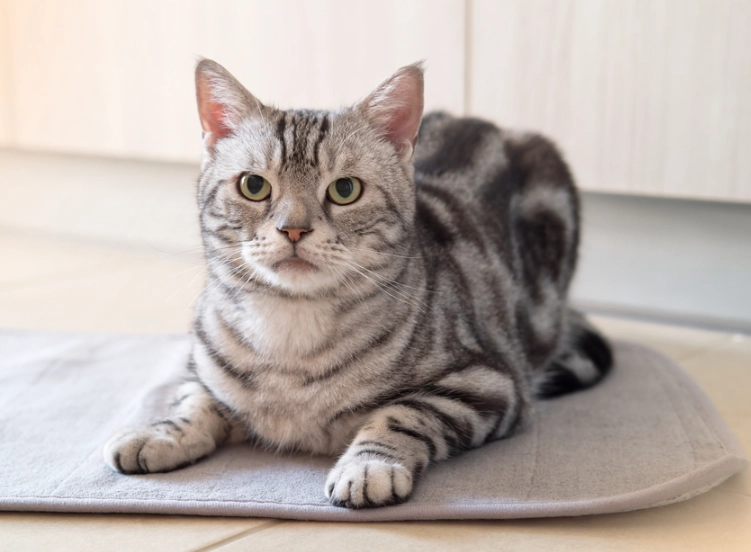
From Ship's Mouser to America's Sweetheart: A Surprisingly Rugged History
Most people think of the American Shorthair as a purely domestic creation, but their origin story is way more hardcore. These cats aren't just pretty faces; they're survivors with a blue-collar work history.
Their story starts on ships—specifically, the sailing vessels that came from Europe to North America with early settlers. The journey was long, and cargo holds were full of precious grain, which attracted rats. The solution? Tough, adaptable cats were brought on board as essential working crew members. Their job was pest control, plain and simple. We're not talking about pampered purebreds here. These were the fittest, smartest, and most resilient mousers that could survive a brutal ocean crossing.
When these cats arrived in the New World, they went straight back to work on farms, in barns, and in homes. They bred freely with other cats, creating a robust, healthy gene pool. For centuries, they were just considered... cats. The common domestic shorthair. It wasn't until the early 20th century that breeders took an interest in preserving this specific, all-American working cat lineage. They wanted to distinguish the pedigreed American Shorthair cat from the random-bred domestic shorthair. The Cat Fanciers' Association (CFA) officially recognized the breed in 1906, but under the name "Domestic Shorthair." It was later changed to "American Shorthair" in 1966 to better reflect its unique heritage. You can read more about their official breed standard on the CFA's American Shorthair page.
That's the key to understanding this breed: they were built for utility first, companionship second. That foundational toughness still defines them today. It's in their solid build, their generally excellent health, and their pragmatic, unflappable attitude.
It's a fascinating bit of history that often gets glossed over. When you look at your American Shorthair napping in a sunbeam, you're looking at a direct descendant of some of the baddest rodent-hunting seafaring cats in history. I think that's pretty cool.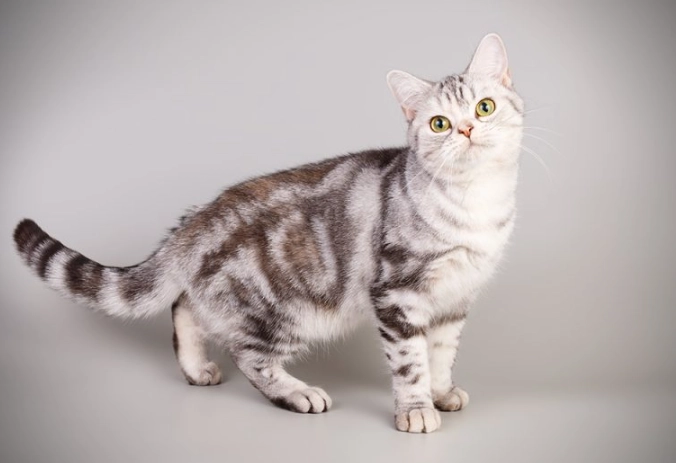
Beyond the "Easygoing" Label: The Real American Shorthair Personality
Okay, so every single source will tell you American Shorthairs are "easygoing," "gentle," and "good with families." And for the most part, that's true. But that description is so vague it's almost useless. Let me get specific.
Think of them as the quintessential "middle-of-the-road" cat. They're not as overtly demanding and vocal as a Siamese, nor are they as aloof and independent as some other breeds can be. My Gus is a perfect example. He follows me from room to room, but just to hang out nearby. He's not usually a lap cat (unless it's very cold), but he'll sleep pressed against my leg at night. He greets me at the door, but with a quiet chirp, not a dramatic aria.
The Good Stuff (The Pros)
- Adaptable Champions: They handle change well. New people, moving furniture, a baby in the house—they tend to assess the situation with a calm curiosity rather than panic.
- Playful, But Not Destructive: They retain a playful mouse-hunting instinct well into adulthood. A feather wand or a crinkly ball is pure joy for them. But they're not usually the type to scale your curtains for fun.
- Quiet Communicators: Most are not overly vocal. They have a sweet, chirping meow and use it sparingly. You'll learn more from their body language and the slow blink of their big, expressive eyes.
- Family-Friendly: Their sturdy build and patient temperament make them excellent with respectful children. They'll tolerate a certain amount of handling but will also just walk away if they've had enough—a great teacher of boundaries!
The Not-So-Good Stuff (The Cons)
- Can Be Stubborn: That independent streak means they train you, not the other way around. If they don't want to do something, good luck convincing them. Getting Gus into his carrier is a 15-minute negotiation.
- Not Always Cuddly: If you dream of a cat that will live in your arms 24/7, this might not be the breed. They show affection on their own terms—head butts, following you, sleeping nearby.
- Prone to Weight Gain: That legendary appetite from their working days is still there, but their lifestyle isn't. Without portion control and play, an American Shorthair cat can become overweight surprisingly fast.
- Some Can Be Shy: While generally social, some lines or individual cats can be reserved with strangers. They might hide when guests come over, which contradicts the "perfect social cat" image.
So, are they easygoing? Yes. But they're not personality-less blobs. They have their own quiet opinions and a dignified independence that I've come to deeply respect.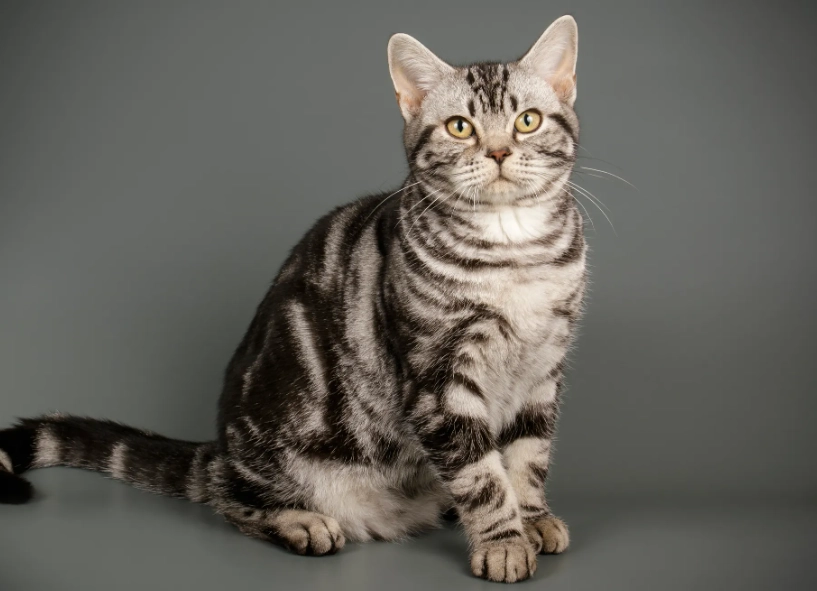
The Day-to-Day: What Caring for an American Shorthair Really Looks Like
Here's where the "low maintenance" reputation gets tested. It's mostly true, but with critical caveats.
Grooming: It's Not "No Maintenance," It's "Easy Maintenance"
That short, dense coat is brilliant. It doesn't mat easily. A quick brush once or twice a week with a good slicker brush or a rubber grooming mitt is usually plenty. You're mainly removing loose hair and distributing skin oils. During shedding seasons (spring and fall), you might need to bump it up to every other day to keep the fur tumbleweeds at bay. I find a five-minute brush session while watching TV is perfect bonding time with Gus. He loves it, and my vacuum cleaner loves me for it.
Beyond brushing, it's the standard cat care: nail trims every few weeks, checking ears for dirt, and dental care. Ah, dental care. This is a big one. Many American Shorthairs are prone to dental issues, so getting them used to tooth brushing early is a massive win for their long-term health.
Feeding That Hardy Appetite
Remember the working cat metabolism? It's still in there, but your cat isn't chasing rats across a 40-acre farm. Obesity is the number one health threat to this breed. You cannot free-feed an American Shorthair. I learned that the hard way when Gus ballooned up to 16 pounds. The vet gave me a stern talking-to.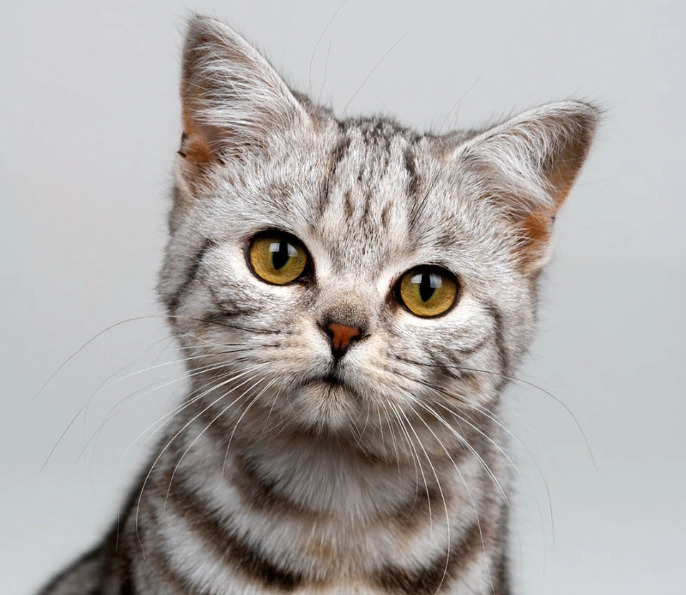
Stick to measured meals of high-quality food. Talk to your vet about the right calories for your cat's age and activity level. Puzzle feeders are fantastic for this breed—they engage their brains and slow down their eating. A bored American Shorthair cat with constant access to food is a recipe for a chonky cat and big vet bills later.
Exercise & Enrichment: Engaging the Hunter
They may be calm, but they are not couch potatoes. They need daily play to stay mentally and physically fit. Two 10-15 minute interactive play sessions a day can work wonders. Mimic prey: make a wand toy dart and hide, let a ball roll unpredictably. After play, they often groom and nap, perfectly content.
Cat trees, window perches (bird TV is their favorite channel), and even leash training for adventurous individuals are great ideas. A bored American Shorthair might not destroy your house, but they might start vocalizing more or pestering you for food out of sheer boredom.
Health & Lifespan: What to Watch For
One of the biggest selling points for the American Shorthair breed is their robust health, thanks to that diverse genetic foundation. They're generally healthy cats with a lifespan of 15 to 20 years being quite common with good care. My Gus is 8 and acts like a kitten half the time.
But no breed is bulletproof. Responsible breeding has minimized many issues, but there are a few conditions to be aware of. It's crucial to get any cat from a breeder who does genetic health screening. The International Cat Association (TICA) provides resources for finding reputable breeders who prioritize health.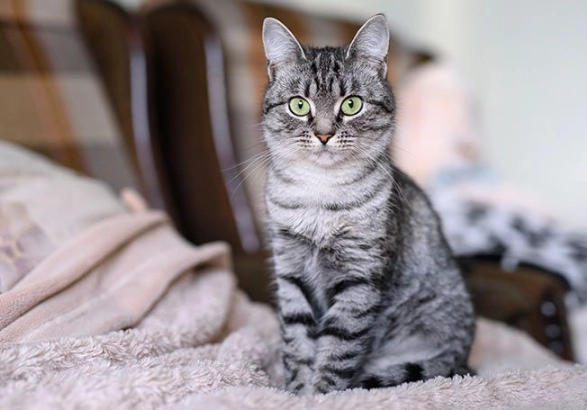
| Health Condition | What It Is | Prevention & Management |
|---|---|---|
| Hypertrophic Cardiomyopathy (HCM) | A form of heart disease where the heart muscle thickens. It's the most common heart condition in cats across all breeds. | Reputable breeders screen their breeding cats for HCM via echocardiograms. There's no guaranteed prevention, but early detection through vet checkups is key. Listen for signs like lethargy or labored breathing. |
| Dental Disease (Gingivitis/Periodontitis) | Plaque buildup leading to inflamed gums, tooth decay, and loss. Very common in cats, but American Shorthairs seem particularly prone. | This is the big one. Annual dental checkups, daily tooth brushing (ideal), dental treats/water additives, and possibly professional cleanings under anesthesia as needed. |
| Obesity | Excess body weight. It's not a genetic disease per se, but their genetics make them highly susceptible. | Portion control, no free-feeding, high-protein diet, and mandatory daily play/exercise. Regular weigh-ins at home. |
| Polycystic Kidney Disease (PKD) | A genetic disorder causing cysts in the kidneys. Much less common in American Shorthairs than in Persians, but it has been seen. | Reputable breeders will have tested their breeding cats to ensure they are PKD-negative. Ask for proof of these tests. |
The bottom line? Choose a good breeder, get pet insurance when they're young (trust me on this), and partner with a vet you like for regular checkups. The American Veterinary Medical Association (AVMA) has great guides on preventive care for cats at every life stage.
Your American Shorthair Questions, Answered
Finding Your American Shorthair: Breeder vs. Rescue
This is a major decision. If your heart is set on a specific look, color, and a predictable temperament from a kitten, a reputable breeder is the way to go. Key words: reputable breeder. They will:
- Welcome you to their home to meet the cats.
- Show you health clearances for genetic conditions (HCM, PKD).
- Ask you as many questions as you ask them.
- Have a contract that includes a health guarantee and requires you to return the cat to them if you can't keep it.
- Keep kittens until they are at least 12-16 weeks old.
Be prepared to be on a waitlist and pay a reasonable price (usually $800-$1500+). A cheap kitten from a website is almost always a bad sign.
But here's a secret: American Shorthairs end up in shelters and rescues all the time.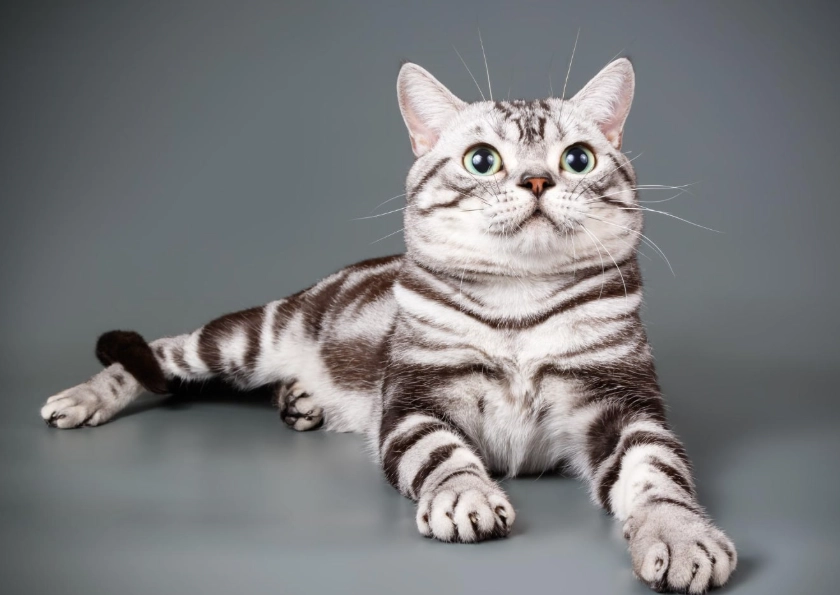
People get them without understanding their needs, or life circumstances change. Breed-specific rescues and even your local shelter often have purebred or mixed American Shorthair-type cats that embody all the wonderful traits of the breed. Adopting an adult gives a cat a second chance and gives you a known personality. It's a win-win. A quick search for "American Shorthair rescue" can yield amazing results.
The Final Verdict: Is an American Shorthair Cat Right for You?
Think about your lifestyle. The ideal home for an American Shorthair is with a family, a couple, or a single person who wants a companionable but not clingy presence. They're perfect for first-time cat owners because of their forgiving nature. They're great in apartments because they're not overly loud or hyper. They're terrible for someone who wants a living stuffed animal or who isn't prepared to manage their diet and exercise to prevent obesity.
Living with Gus has been a lesson in quiet companionship. He's not the star of the show, but the reliable supporting actor who makes everything better just by being there. He's healthy, handsome, and has a quiet dignity I adore. But he also wakes me up too early and turns his nose up at certain foods like a tiny, furry food critic.
If you're looking for a robust, affectionate, historically fascinating, and genuinely easy-to-live-with cat that embodies the spirit of a practical, hardworking friend, then yes, the American Shorthair might just be your perfect match. Just remember the brush, the measuring cup for food, and a lot of love for this truly all-American cat.