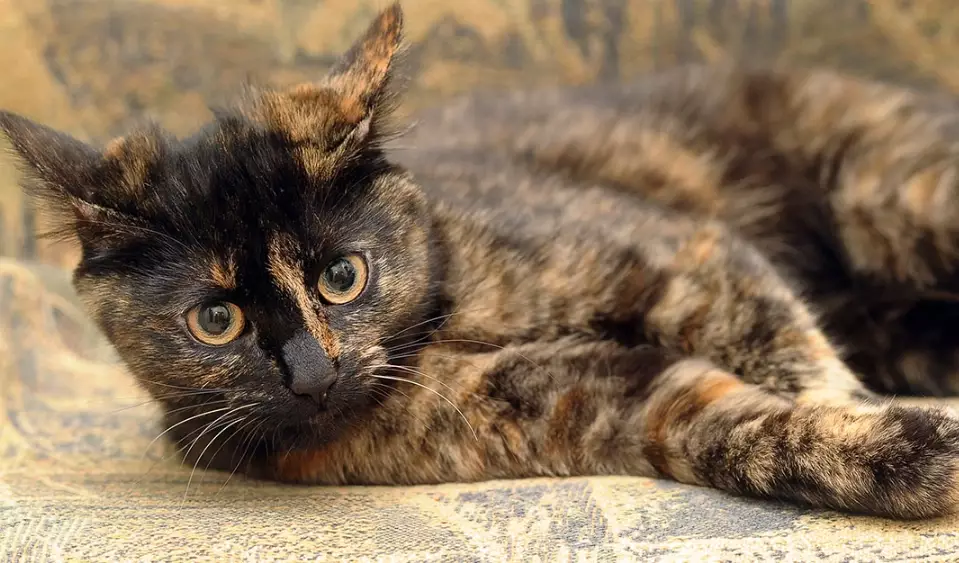
There's something undeniably captivating about a long-haired tortoiseshell cat. That chaotic, beautiful blend of colors – patches of black, orange, and sometimes even cream or gray – all wrapped up in a luxurious, flowing coat. It’s a living work of art. But if you're considering bringing one of these stunning felines into your home, or you're already sharing your life with one, you’ve likely realized it’s not just about admiring their beauty. It’s about understanding them. And caring for that magnificent long hair is a big part of that.
I’ve lived with a long-haired tortie named Luna for over a decade now. When I first got her, I made a classic rookie mistake. I treated her long, dense coat like it was a short-haired cat’s. A quick brush here and there? That led to my first (and most memorable) matting experience. It took hours, a patient groomer, and a very apologetic cat to teach me that long-haired tortoiseshell cats aren’t just cats with long hair; they’re a different category of pet ownership. The grooming, the shedding, the personality – it’s all intertwined with that unique tortoiseshell pattern.
What You'll Learn in This Guide
Understanding the Long-Haired Tortoiseshell Cat: It's Not a Breed
First things first: let's clear up a major point of confusion. "Tortoiseshell" or "tortie" refers to a coat color and pattern, not a breed of cat. Any cat breed – from Persians to Maine Coons to Domestic Longhairs – can have a tortoiseshell coat. It’s a genetic lottery. The defining feature is the mix of two colors (black and orange, or sometimes gray and cream) in a brindled or patched pattern, almost always in females. The long hair is simply an additional trait, a gene for hair length (usually the "longhair" or "LH" gene). So, when we talk about caring for a "long-haired tortoiseshell cat," we're talking about caring for a long-haired cat that happens to have a tortoiseshell pattern. This is crucial because their care needs are dictated by their hair length and individual breed, not their color.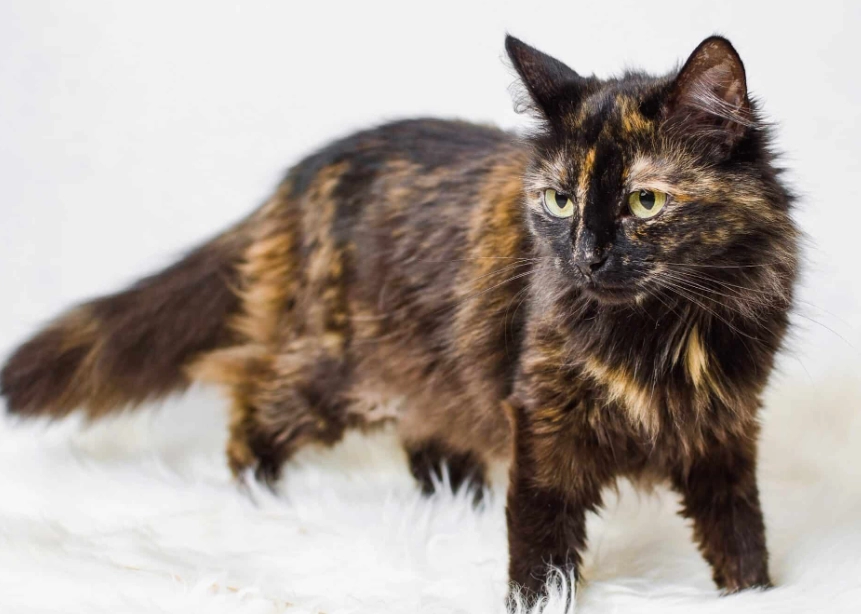
That said, having lived with Luna, a Domestic Longhair tortie, I can tell you there are some universal truths and some unique quirks that come with that gorgeous coat.
How to Groom a Long-Haired Tortoiseshell Cat: It's a Daily Commitment
Let's be brutally honest here. Many people see the long, flowing hair and think "fluffy cuddles." What they don't see is the immense amount of work that goes on underneath. That long hair is a master at hiding everything. A tiny mat can form in hours, especially if your cat is active. And it's not just about looks. A poorly maintained long coat on a tortoiseshell cat can lead to serious health issues.
The single most important piece of advice I can give you, which I learned the hard way, is this: You cannot approach grooming a long-haired tortoiseshell cat like you would any other cat. Their coat has a different texture. The undercoat is incredibly dense. And the way they shed is seasonal and massive. I made the mistake of using a standard slicker brush on Luna for the first year. It would glide over the top layer of her guard hairs and do nothing to the dense undercoat. The mats would still form. It wasn't until I invested in a proper undercoat rake (I use the Chris Christensen Tender Gutter) that I truly understood what "removing loose hair" meant. You need to get through to the skin.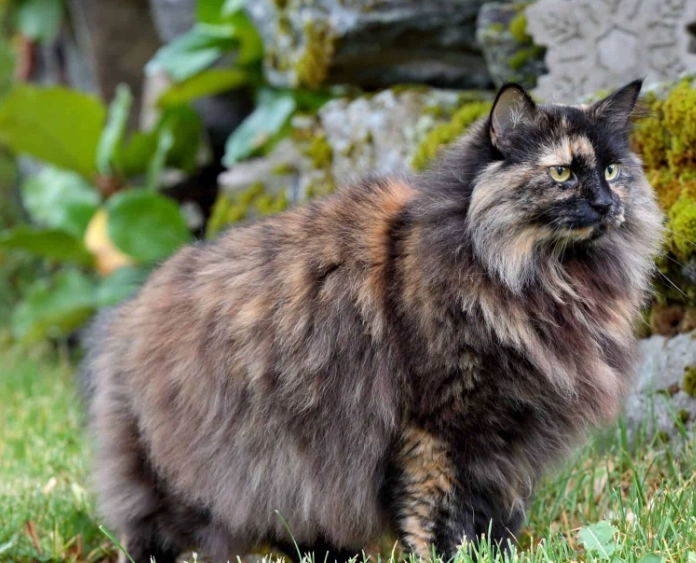
The Right Tools Make All the Difference
This isn't just marketing talk. Using the wrong brush is like trying to mop a floor with a toothbrush. Here’s a breakdown of what I’ve found works and what doesn’t, after trying what feels like half the pet supply aisle:
| Tool Type | Best For | My Experience & Recommendation |
|---|---|---|
| Undercoat Rake | Removing the dense, soft undercoat that sheds seasonally. This is the MOST critical tool. | The Chris Christensen Tender Gutter is expensive, but its long, flexible teeth are gentler on the skin than cheaper, rigid models. A good rake will feel like it's pulling hair out effortlessly when it's full. A bad one will tug. |
| Slicker Brush | Finishing the job. It smooths the topcoat and removes any remaining loose hair after raking. | Look for one with flexible pins. The rigid ones are too harsh. This is your second most important brush. Don't skip it. |
| Wide-toothed Comb | Checking for and gently teasing out small mats, especially around the neck, armpits, and behind the legs. | You need one with both fine and wide teeth. The fine teeth help with initial detangling, the wide teeth for the final pass. A comb is not a substitute for a rake and brush, but it's essential for detail work. |
| Grooming Wipes | Quick clean-ups, wiping away dander, or a final pass to give the coat a shiny finish. | Use unscented, hypoallergenic wipes. Some scented ones can irritate their skin. I keep a pack in every room for quick touch-ups. |
And here’s a non-consensus opinion that goes against a lot of generic advice online: You do not need to use a de-matting spray as a first resort. In fact, relying on it too often can dry out their skin and coat. The key to preventing mats is consistent, thorough brushing that reaches the skin. If you’re already dealing with a mat, then a detangling spray can be a helpful tool. But it’s a tool for a problem that shouldn’t exist in the first place. Focus on prevention, not a chemical solution.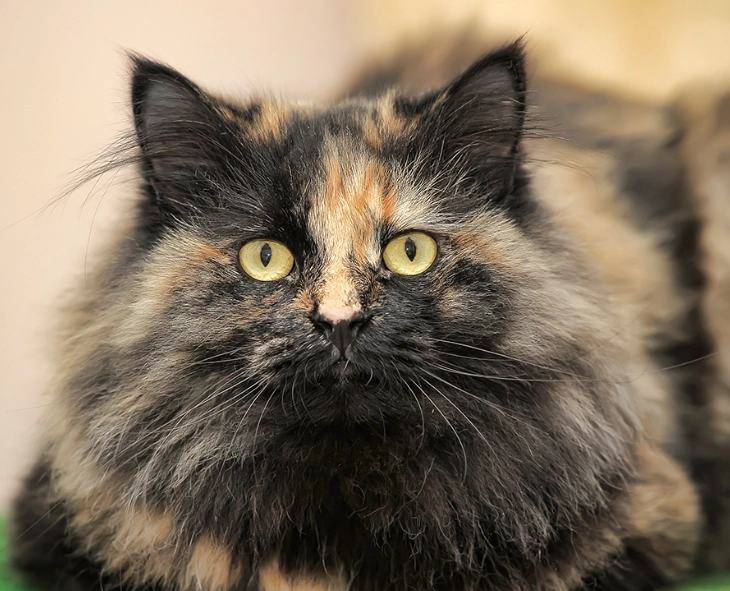
The Step-by-Step Brushing Process (The Right Way)
So, how do you actually do this? Let’s walk through a full grooming session, assuming your cat is somewhat tolerant (we’ll cover the feisty ones later).
- Set the Mood. This is more important than you think. Don’t just grab your brush and pounce. Wait until your cat is relaxed. After a meal is often a good time. Have your tools laid out beforehand.
- Start with the Undercoat Rake. Always, always start with the undercoat rake. Your goal here is to remove the bulk of the loose undercoat. Work in sections. Start along the back, from the neck towards the tail. Use long, gentle strokes. Do not press hard. Let the weight of the tool do the work. You should see clouds of soft undercoat coming out. If you’re not, you’re either not going deep enough or the coat isn’t ready to shed (more on that in a second).
- Switch to the Slicker Brush. Once you’ve gone over a section with the rake, follow up with the slicker brush. This will catch any remaining loose topcoat hair and smooth everything out. Again, long strokes in the direction of hair growth.
- Inspect and Comb. Now, take your wide-toothed comb. Gently run it through the same section. This is your quality control check. The comb should glide through without resistance. If it catches, you’ve likely missed a small starting mat. Go back in with the fine teeth of the comb first to gently tease it apart. Never, ever pull a mat through. If it’s large or close to the skin, you may need to carefully cut it out with blunt-tipped scissors. If you’re unsure, stop. This is often where professional groomers are worth their weight in gold for a first-time session.
- Pay Special Attention to Trouble Zones. The armpits, behind the legs, and around the neck are notorious for matting. Go slowly here. Use shorter strokes with the rake and even more gentle strokes with the comb.
- Finish with a Wipe (Optional). If your cat’s coat is looking a bit dull, a quick pass with a grooming wipe can add a nice shine and remove any static. But this is purely cosmetic.
The entire process for a full-body groom should take you about 10-15 minutes once you and your cat are used to it. Start with very short sessions (2-3 minutes) and gradually build up the time. Always end on a positive note, even if it’s just a single successful stroke. Treats are your best friend here.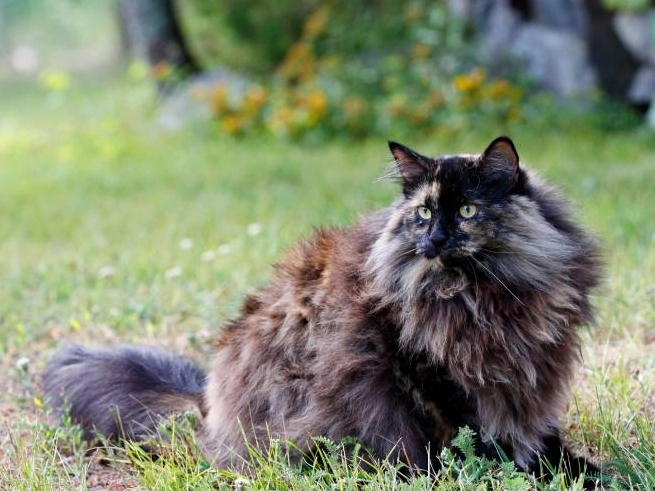
Personality: Debunking the 'Tortitude' Myth
Ah, the infamous "tortitude." The idea that all tortoiseshell cats have a sassy, strong-willed, and sometimes difficult personality is a stereotype. It’s a fun anecdote, but it’s not a scientific fact. Luna is one of the most laid-back cats I’ve ever met. She’s content to sleep most of the day and only becomes demanding when her food bowl is empty. On the other hand, I’ve met short-haired torties that are tiny tornadoes of energy and attitude.
The truth is, a cat’s personality is shaped by a million factors: their individual history, their socialization as a kitten, their breed (if known), and their own unique quirks. The color of their fur has exactly zero bearing on it. Assuming your long-haired tortie will have "tortitude" is a setup for disappointment and frustration. You need to get to know your cat as an individual. Observe their body language. Learn what they like and dislike. A "tortie" might be more vocal about her food, but she might also be the most affectionate cat you’ve ever owned. Don’t label her before you’ve even given her a chance.
Health Considerations Specific to Long-Haired Coats
That long, beautiful coat comes with some specific health considerations that are often overlooked until they become a problem. Let’s break them down.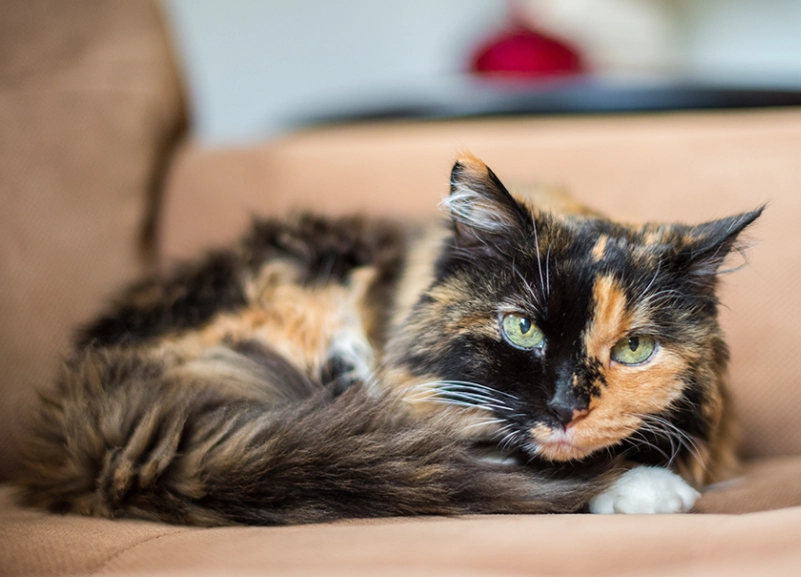
Hairballs: The Long-Haired Cat's Nemesis
This is the big one. Long-haired cats, regardless of their color, are prone to hairballs. It’s simple physics: more hair, more hair ingested during grooming, more hairballs. But with a tortoiseshell coat, there’s a visual trick. You might not see the hair accumulating in their stomach until it’s too late. The key to prevention is twofold: internal and external.
Internally, you need to aid their digestion in passing the hair. This means providing a diet that supports a healthy gut motility. Many commercial "hairball control" cat foods achieve this by adding extra fiber. But you can also add natural supplements like a teaspoon of plain, unsalted canned pumpkin (not pie filling!) to their wet food a few times a week. The fiber adds bulk. More importantly, ensure they are well-hydrated. Dehydration slows everything down. Consider a pet water fountain if they’re not drinking enough.
Externally, you need to reduce the amount of hair they ingest. This is where your grooming routine is absolutely critical. Removing the loose undercoat before it can be swallowed is the single most effective thing you can do.
Skin Issues Hidden Under the Coat
This was a scary lesson for me. Because Luna’s coat is so dense and dark in some patches, I completely missed a small, hot spot on her skin for weeks. It was only when she started excessively scratching one area that I parted the fur and found a minor skin infection. The long hair had hidden it completely. Now, I make it a non-negotiable point to part her coat and visually inspect her skin at least once a week during brushing. You should do the same. Run your hands over their entire body. Feel for any bumps, scabs, or areas of heat. Pay special attention to the armpits, groin, and base of the tail. These are areas where moisture can get trapped and problems can start.
Matting: More Than Just an Aesthetic Problem
We’ve already talked about mats. But let’s be clear: a mat is not just a tangled clump of hair. It’s a tight knot that pulls on the skin. It can restrict movement, cause pain, and even lead to skin infections if left untreated. For a long-haired tortie, a single mat can quickly become a network of mats if not addressed. And the process of removing them is stressful for both you and the cat. Prevention is always, always easier than cure.
Creating a Stress-Free Grooming Routine (Even for the Feisty Cat)
So, what if your cat is not like Luna? What if they are a feisty, opinionated tortie who wants nothing to do with this brushing nonsense? You need a different strategy. You need to make grooming a positive experience, not a battle.
Start by associating the brush with something amazing. For Luna, that was Churu treats. I would literally hold the brush in one hand and a Churu tube in the other. Let her lick the treat while I gently touched her with the brush. No brushing, just touch. Then, I would gently run the brush along her back for one single stroke. Treat. Then stop. The key is to keep sessions incredibly short and positive.
Over time, you can gradually increase the number of strokes. But if she shows any sign of stress (tail flicking, ears flattening, trying to move away), stop immediately. Let her go. Try again later. It might take weeks of this touch-and-treat desensitization before you can actually brush her. Be patient.
For extremely sensitive cats, you might need to start by just letting them sniff the brush while they eat a treat. Then progress to touching their coat with the brush while they eat. Then one stroke. It’s a marathon, not a sprint.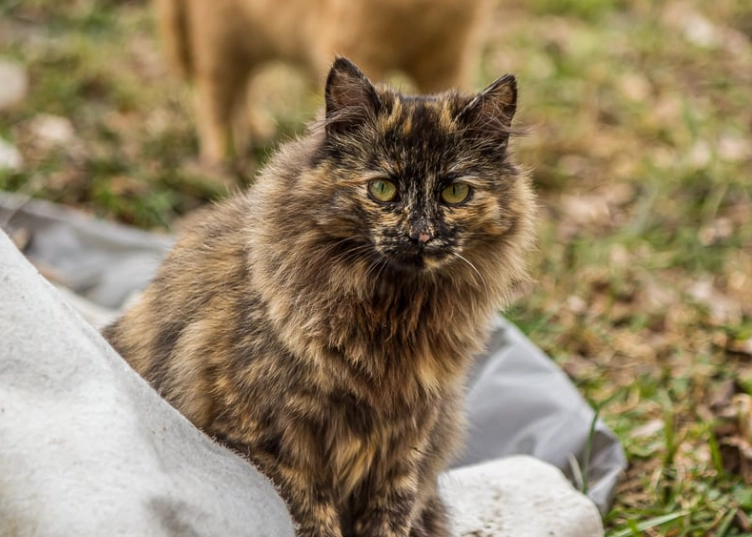
Why a Long-Haired Tortoiseshell Cat is Different (and What That Means for You)
The long hair changes everything. It changes how they thermoregulate. It changes how they play. It changes how they interact with their environment. And it changes how you need to care for them. You are not just owning a cat; you are owning a long-haired cat. And a long-haired cat with a complex, multi-colored coat that shows every speck of dirt, every mat, and every single hair they shed. It’s a commitment to daily maintenance. But it’s a commitment that is repaid a thousand times over in the sheer beauty and personality of these incredible animals.
If you’re willing to put in the work, a long-haired tortoiseshell cat can be one of the most rewarding companions you’ll ever have. They’re not for everyone. But for those who understand them, they’re pure magic.
A Personal Note: I won’t sugarcoat it. The first two years with Luna were a steep learning curve. There were tears, there were moments of frustration, and there were definitely times I considered if I was cut out for this. But pushing through that initial difficulty created a bond and a routine that is now second nature. The daily grooming sessions are our quiet time together. She purrs the entire time. And seeing her coat healthy and shiny is a source of immense pride. It’s work, but it’s work that becomes a ritual of care and connection.