You see them in paintings, memes, and maybe dreaming on your neighbor's windowsill—cats with coats the color of rich chocolate, warm cinnamon, or deep mahogany. Brown cats have a certain earthy, elegant allure. But if you've set your heart on bringing a brown feline friend home, you might hit a snag. They're not as common as you think. Let's talk about why that is and explore the specific cat breeds where you can reliably find that gorgeous brown hue.
The quest for a brown cat is more than just a color preference. It's about genetics, breed history, and understanding what you're really signing up for.
What's Inside?
Why True Brown Cats Are So Rare
Solid, uniform brown is one of the rarest coat colors in domestic cats. It all boils down to feline genetics. The gene for black pigment (eumelanin) is dominant. To get a brown cat, you need specific recessive gene mutations that modify that black pigment into chocolate or cinnamon.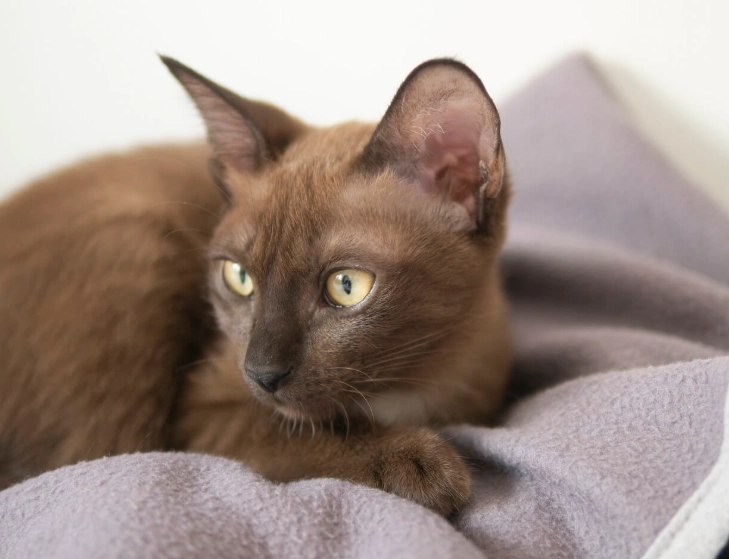
Think of it like this: a cat needs two copies of the chocolate gene (one from each parent) to show a chocolate coat. If it only has one, it will be black but carry the chocolate gene. This makes deliberate breeding for brown color a precise task. The Cat Fanciers' Association (CFA) breed standards reflect this, with only a handful of breeds accepting chocolate or cinnamon as standard colors.
This is the first pitfall for new seekers: confusing pattern with color. Many people call a classic brown tabby a "brown cat," and they're not entirely wrong. But in the strict breeding world, "brown" often refers to the solid, pattern-less shades like chocolate, chestnut, or cinnamon.
Breeds That Are Famous for Their Brown Coats
If you want a pedigree brown cat, these are your primary destinations. Their personalities vary as much as their shades.
1. The Havana Brown: The Chocolate Standard
This breed is the poster child for brown cats. Developed in the 1950s in England, the Havana Brown sports a rich, solid, warm brown coat that feels like sleek satin. The color is meant to resemble a Havana cigar. They have a distinctive head shape—a bit longer than wide—and striking green eyes.
Living with a Havana is a unique experience. They are famously people-centric. I've spoken to breeders who say these cats will greet you at the door and insist on being part of every activity. They're not loud, but they're persistent in their affection. They tend to use their paws to touch and explore, almost like little hands. Be prepared for a cat that wants to be your shadow.
Because they are a rarer breed, expect to be on a waitlist with a reputable breeder and pay a premium. A well-bred Havana Brown kitten can cost between $1,200 and $2,000.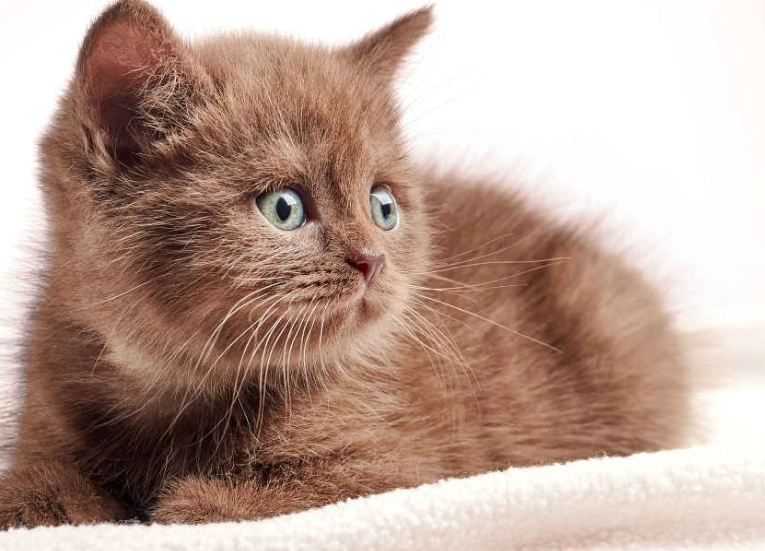
2. The Oriental Shorthair: A Rainbow Including Brown
If the Havana Brown is the reserved artist, the Oriental Shorthair is the theatrical performer. They are essentially Siamese cats in a vast array of colors and patterns, including solid chestnut brown, chocolate, and cinnamon. They share the same sleek body, large ears, and wedge-shaped head.
Personality? Think big. They are incredibly vocal, intelligent, demanding, and energetic. An Oriental doesn't just want your attention; they require it. If left alone too much, they can become unhappy or destructive. This isn't a low-maintenance pet. But if you want a cat with the personality of a dog that happens to wear a gorgeous brown coat, look no further.
3. The York Chocolate: A Rare Find
An American breed that is still quite uncommon, the York Chocolate is a long-haired beauty. As the name suggests, they come in chocolate and lavender (a diluted chocolate) colors, often with white markings. They are large, slow-maturing cats with semi-longhair coats that are surprisingly easy to care for, lacking a thick undercoat.
They are known for being gentle, playful, and adaptable—a good choice for families. Finding a York Chocolate breeder requires dedicated searching, as they are not recognized by all major cat registries.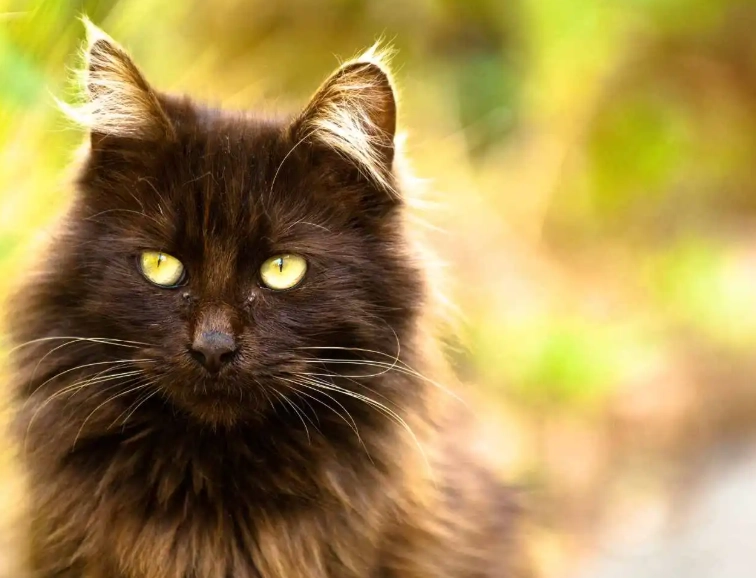
Pro Tip: Don't forget colorpoint breeds! While not solid brown, Siamese and Tonkinese cats can have beautiful "chocolate point" coloration—a creamy body with distinct chocolate-brown ears, face, paws, and tail. The contrast is stunning.
The Brown Tabby: Your Most Likely Find
Let's be real. The cat you're most likely to fall in love with at a shelter or see wandering your backyard is a brown tabby. This isn't a breed; it's a coat pattern that appears in almost every breed and countless mixed-breed cats (Domestic Shorthairs/Longhairs).
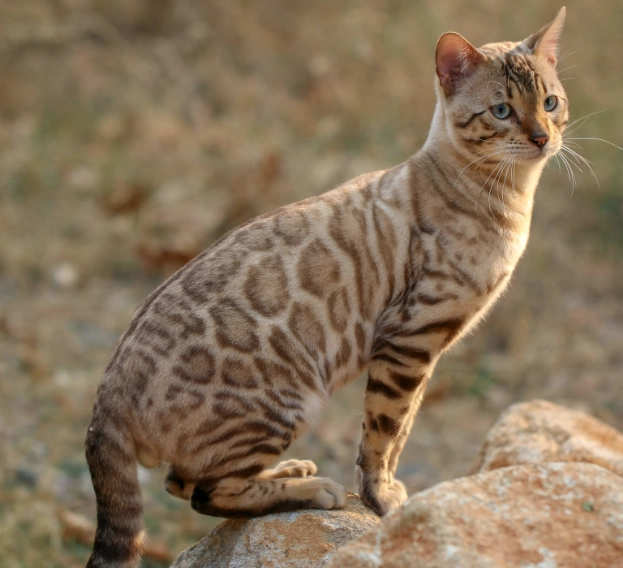
The brown tabby pattern features distinctive markings: the classic 'M' on the forehead, dark lines running from the eyes, swirls on the sides, and bands of dark and light on the legs and tail. The background color ranges from a tawny beige to a cooler grey-brown.
Personality? There is no "tabby personality." A brown tabby Maine Coon will be laid-back and fluffy. A brown tabby Bengal will be a high-energy athlete. A brown tabby shelter mix could be anything. This is where you focus on the individual cat's vibe, not its color pattern.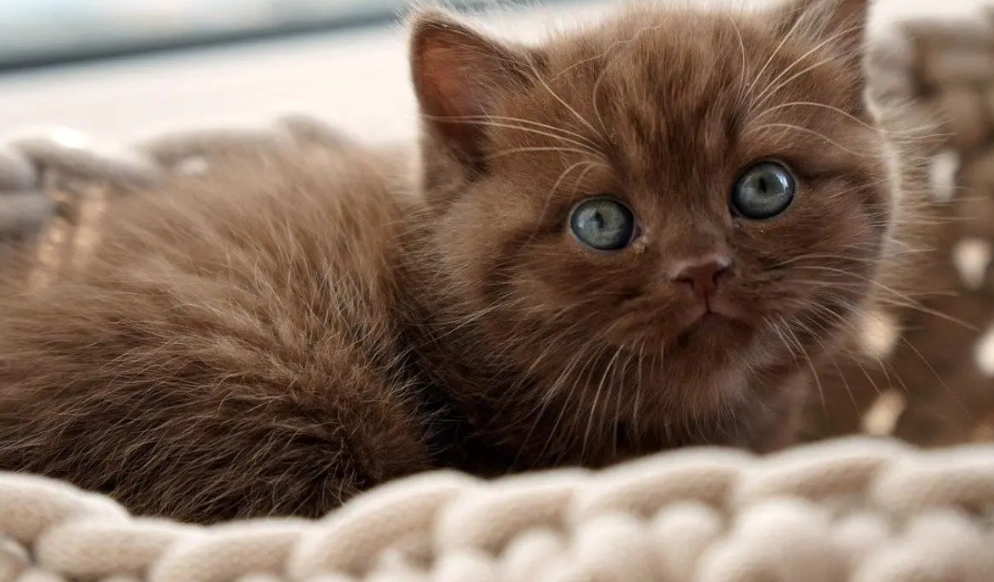
How to Choose the Right Brown Cat Breed for You
Color is a terrible way to choose a pet if it's your only criterion. That beautiful chocolate coat comes attached to a living being with specific needs.
Ask yourself these questions first:
What's your energy level? An Oriental Shorthair will run circles around you. A Persian (who can be a chocolate smoke!) will mostly lounge.
How much time do you have for grooming? A York Chocolate's semi-long hair needs regular combing. A Havana Brown's short coat is a breeze.
Do you have other pets or kids? Some breeds are more tolerant and social than others.
What's your budget? Include initial cost (adoption vs. breeder), vet care, food, and insurance.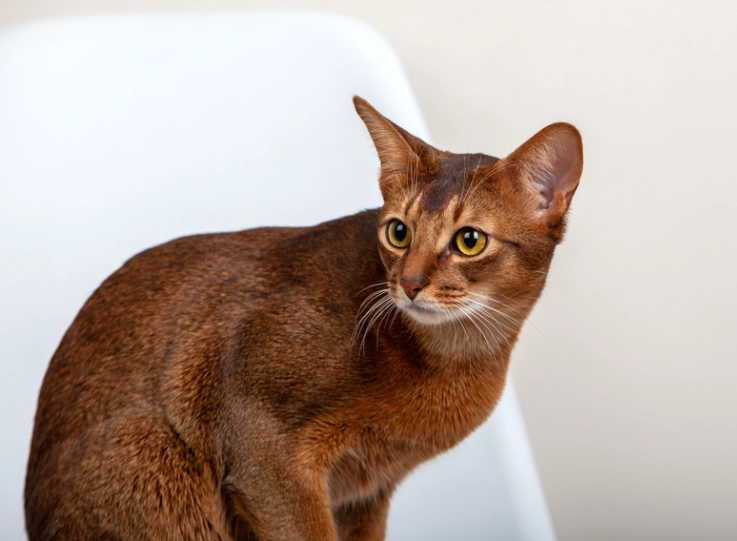
| Breed/Type | Coat & Color | Key Personality Trait | Care Level | Best For |
|---|---|---|---|---|
| Havana Brown | Solid, short, chocolate brown | People-oriented & affectionate | Low (grooming), Medium (attention) | Companionship seekers, quieter homes |
| Oriental Shorthair | Many patterns, incl. solid brown | Vocal, energetic, demanding | Low (grooming), High (stimulation) | Active owners, experienced cat people |
| Brown Tabby (Mixed Breed) | Patterned with brown base | Varies wildly by individual | Depends on hair length | Almost anyone; adopt, don't shop |
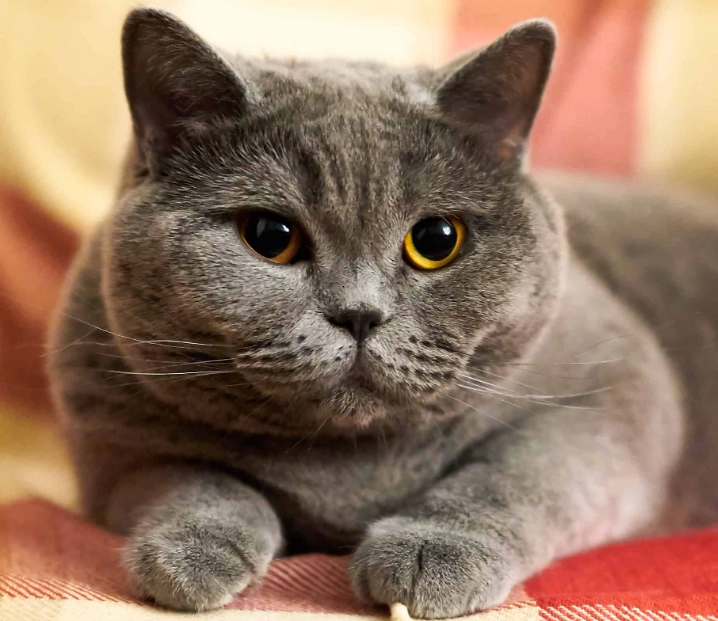
| British Shorthair | Can be chocolate or cinnamon | Calm, easygoing, independent | Medium (brushing dense coat) | Families, relaxed households |
Grooming & Care: Keeping That Brown Coat Gorgeous
A brown coat shows everything. Dandruff, loose fur, and even subtle skin issues can be more visible than on a white or black cat. It's not harder to care for, but it requires more consistent care to look its best.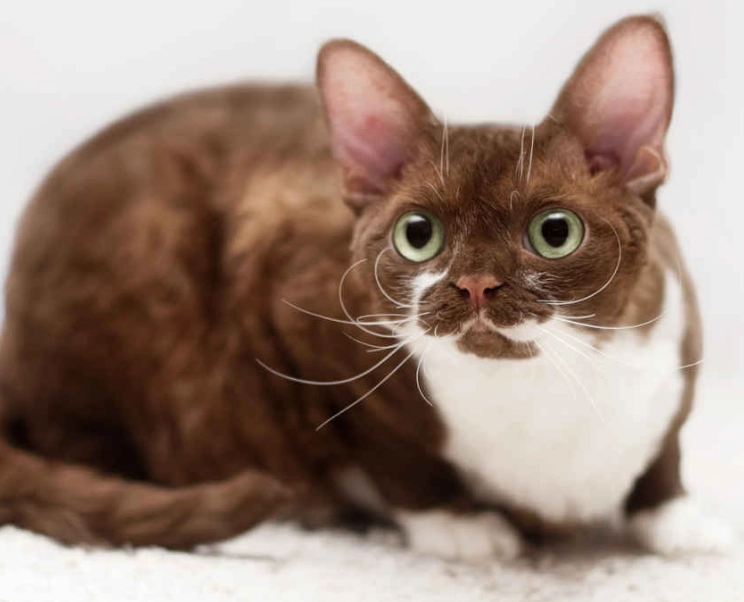
For short-haired brown cats (Havana, Oriental), a weekly rub-down with a rubber grooming mitt or soft brush is perfect. It removes dead hair and distributes skin oils. For long-haired brown cats, commit to a thorough combing session 2-3 times a week to prevent mats, especially under the arms and around the collar.
Diet matters immensely. A high-quality diet rich in omega-3 and omega-6 fatty acids promotes skin health and a lustrous, shiny coat. A dull, flaky brown coat is often a sign of nutritional deficits or underlying health issues.
One expert nuance rarely mentioned: sunlight can "rust" or fade a black coat to brownish. For a true brown cat, this isn't an issue, but if you have a black cat turning brown, it's likely sunbleaching!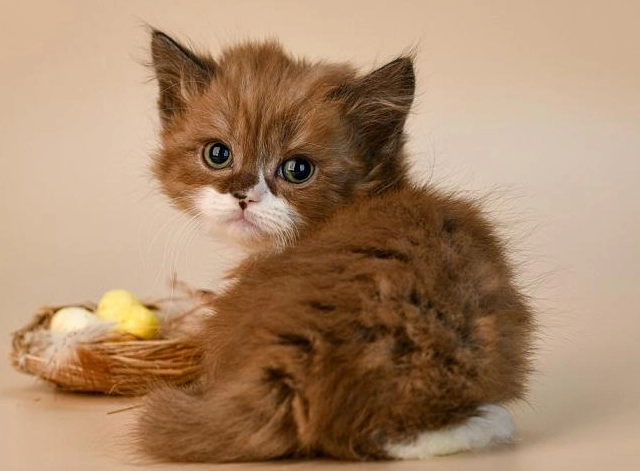
Your Brown Cat Questions Answered
The journey to finding your perfect brown cat is part of the fun. Whether you seek out a rare pedigreed kitten or open your heart to a stunning brown tabby in a shelter, that warm, earthy coat is just the wrapping paper. The real gift is the unique personality inside. Do your homework on breed traits, be honest about your lifestyle, and you'll find a companion whose beauty is much more than fur-deep.