Explore This Guide
Let's get one thing straight from the start. Calling them a "lynx cat" is a bit of a funny habit we have. It's like saying "dog canine." A lynx is a cat, a full-fledged member of the Felidae family, but it's about as far removed from your purring house tabby as a wolf is from a poodle. That tufted-ear, short-tailed silhouette represents something truly wild, a creature built for the silent snow and the dense forest. I've spent a lot of time reading reports, watching documentaries (the boring, scientific kind, not just the cute clips), and even speaking with a few wildlife rehabbers. The picture that emerges isn't of a cuddly oversized pet, but of a master predator that commands respect.
So, what brings you here? Maybe you saw a stunning photo of a Canadian lynx, those magnificent paws like snowshoes, and fell into a rabbit hole. Perhaps you're a writer researching for a project, or someone who's genuinely curious about exotic pets (a path I'd urge immense caution on, but we'll get to that). This guide aims to be your one-stop resource. We're going to move past the basic Wikipedia facts and into the nitty-gritty of what makes a lynx tick, where they live, and the very serious conversation about their place in our world.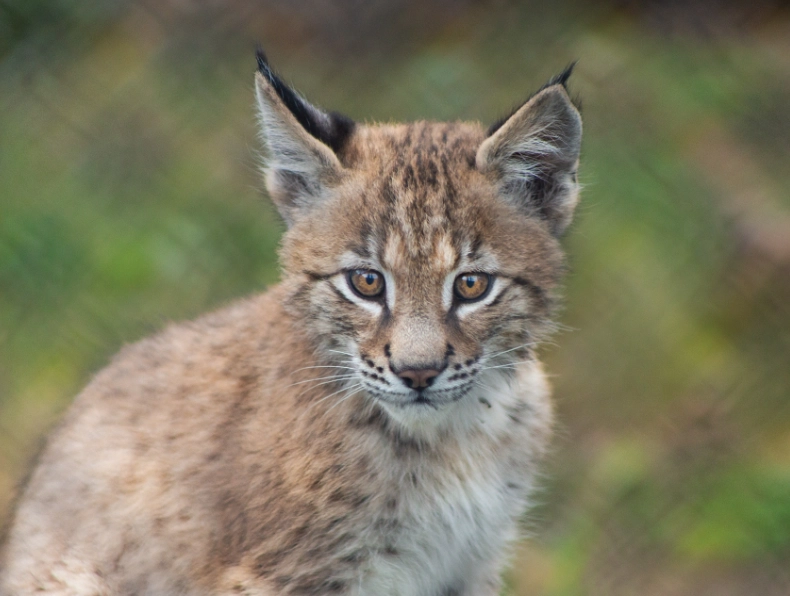
Quick Reality Check: The term "lynx cat" often leads to confusion. Some people think it's a specific breed of domestic cat. It's not. It refers to four distinct species of wild felids within the genus Lynx. They're more closely related to each other than to any pet cat.
The Four Faces of the Lynx: A Global Family
Not all lynxes are created equal. While they share that iconic look—the ear tufts, the ruff of fur around the face, the stubby tail—the differences between the four species are shaped by thousands of years of adaptation to their specific corners of the globe. Understanding these differences is key to appreciating them.
Here’s a breakdown that puts them side-by-side. You'll see how habitat dictates everything from coat color to paw size.
| Species | Primary Range | Key Identifying Features | Conservation Status (IUCN) | Notable Quirk |
|---|---|---|---|---|
| Eurasian Lynx (Lynx lynx) | Europe, Russia, Central Asia | Largest of all lynx species. Pale, often spotted coat. Long legs. | Least Concern (but locally threatened) | The only lynx that regularly takes large prey like deer. |
| Canadian Lynx (Lynx canadensis) | Canada, Alaska, parts of northern US | Silvery-brown coat, enormous furry paws (snowshoes!), less distinct spotting. | Least Concern | Its population famously cycles with the snowshoe hare population. |
| Iberian Lynx (Lynx pardinus) | Southwestern Spain, Portugal | Most endangered wild cat in the world. Distinctive "beard" of long fur, heavily spotted coat. | Endangered | A conservation comeback story, reliant almost exclusively on wild rabbits. |
| Bobcat (Lynx rufus) | North America (Canada to Mexico) | Smallest lynx. Reddish-brown coat, more pronounced facial ruff, shorter ear tufts. | Least Concern | Incredibly adaptable; lives in forests, swamps, and even suburban edges. |
Looking at that table, the Iberian lynx always gets me. It's a stark reminder of how fragile a species can be. A few decades ago, it was teetering on the absolute brink of extinction. Intense conservation efforts, which you can read about in detail on the International Union for Conservation of Nature (IUCN) Red List website, have pulled it back, but it's still a daily fight. It's a world away from the relatively stable bobcat, which seems to thrive almost in spite of us.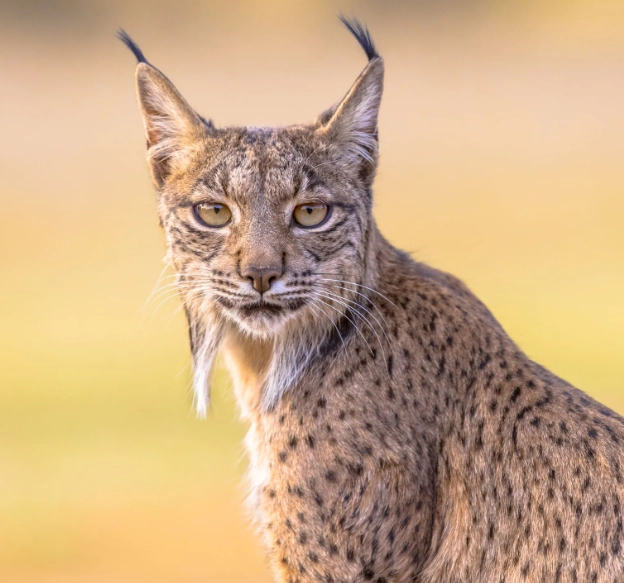
Spotlight on the Bobcat: The Lynx in Your Backyard?
Since the bobcat is the lynx species most North Americans might (theoretically) encounter, it deserves a closer look. Calling a bobcat a "lynx cat" is 100% accurate, taxonomically. But in common parlance, "lynx" often refers to the three other, more northern species. It's a naming quirk.
Bobcats are the ultimate survivors. While their Canadian cousins need deep snow and hare, bobcats will eat anything—rabbits, rodents, birds, even the occasional deer fawn. I remember a wildlife camera trap photo from a friend in Georgia showing a bobcat calmly walking through a wooded suburban park at dusk. They're around, more than we think. They're just masters of staying unseen.
Anatomy of a Hunter: Built for the Silent Stalk
Every part of a lynx is a tool refined by evolution. This isn't just cool biology; it explains why they are so unsuited to a life in your living room.
- Those Legendary Ear Tufts: Forget cuteness. The prevailing theory is they act like parabolic dishes, funneling sound to their ears to pinpoint the faintest scratch of a rodent under two feet of snow. They're high-tech hearing aids made of fur.
- The Ruff and the Stare: The facial ruff isn't for fashion either. It helps direct sound and may also make their head appear larger to rivals. And their eyes? They have that classic feline night-vision, but with a focus on detecting the slightest movement in low light. A still mouse is invisible; a twitching whisker is a beacon.
- Paws for a Purpose: Compare a Canadian lynx's paw to a bobcat's. The Canadian's is wide, furry, distributing its weight like a natural snowshoe. The bobcat's is more compact, for navigating rocky terrain and southern forests. The claws are retractable, kept razor-sharp for the killing grip.
- The "Bobbed" Tail: The short, black-tipped tail is a trademark. In big cats, long tails aid in balance during high-speed chases. Lynxes are ambush predators. They stalk slowly and pounce with explosive, short-range power. They don't need a long tail for running balance; the stub is likely just enough for communication and minor mid-pounce adjustments.
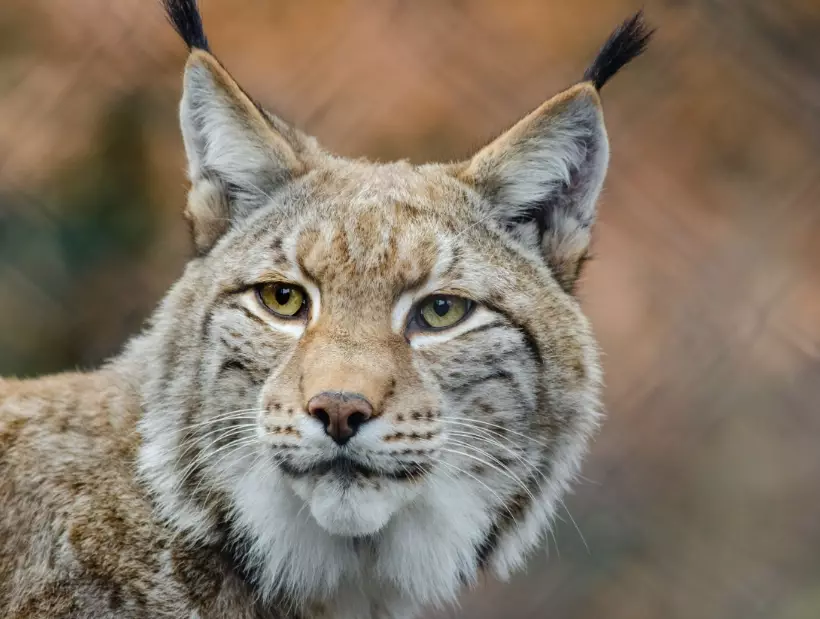
You start to see the pattern. This is an animal designed for efficiency in a harsh, specific environment. Nothing is wasted. It's a beautiful, brutal piece of engineering.
The Life of a Lynx: Diet, Behavior, and the Hare Cycle
What does a day in the life of a lynx cat look like? Mostly solitary, mostly crepuscular (active at dawn and dusk), and overwhelmingly focused on food. The Eurasian lynx might bring down a roe deer, caching the remains to return to over days. The Iberian lynx is on a perpetual rabbit hunt.
But the most fascinating ecological story is the 10-year cycle between the Canadian lynx and the snowshoe hare. It's a classic predator-prey relationship studied in textbooks. Hare populations boom, providing abundant food. Lynx numbers rise in response. Then hare populations crash (due to overgrazing and other factors), and lynx numbers follow with a slight lag. You can see this clear, almost rhythmic cycle in fur trapper records going back centuries. It shows how deeply connected a lynx is to its ecosystem—it doesn't just live there; its very existence is a pulse in that ecosystem.
Behavior Quirk: Lynxes are territorial but not in the constantly fighting way you might imagine. They use scent marking (urine, feces, scratches on trees) to maintain invisible boundaries. A lot of communication is "leave me alone" signage, which is pretty relatable if you think about it.
The Hard Truth: Can a Lynx Cat Be a Pet?
This is where we need to have a very frank, unromantic conversation. The short, unequivocal answer for the vast, vast majority of people is no. The longer answer is filled with legal, ethical, and practical nightmares.
I've looked into the laws, and they're a tangled mess. In the US, regulations vary wildly by state, county, and even city. Some states outright ban private ownership of all exotic cats like lynxes. Others allow it with a permit, which often requires elaborate caging specifications, liability insurance, and regular inspections. The USDA's Animal and Plant Health Inspection Service (APHIS) sets some federal standards for exhibitors, but private ownership is a state-level circus. In most of Europe, it's illegal to keep them as pets. Full stop.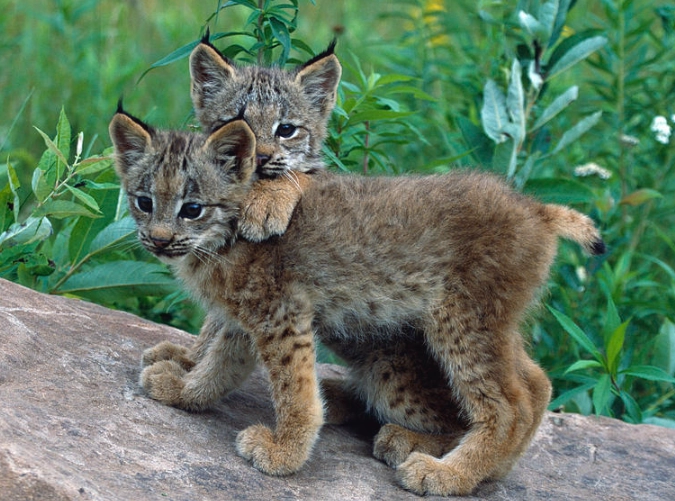
Let's Talk Ethics & Reality: Even if you could legally acquire a lynx kitten (often sourced from dubious breeders), you're signing up for a lifetime of extreme challenge. That cute kitten becomes a powerful 30-60 pound wild animal in a year. Their instincts don't vanish. They aren't trainable like a dog. That playful pounce can shred your arm. They spray urine to mark territory—a smell that is legendary for its potency and permanence. They need vast, secure, enriched enclosures, not a house. Specialized veterinary care for a wild cat is rare and astronomically expensive.
I once spoke to someone who worked at a sanctuary that took in "pet" lynxes and other exotics. The stories were heartbreaking—animals with behavioral stereotypes from boredom, malnutrition from improper diets, and often, they were just terrified of humans. The owner's dream of a unique bond usually turns into a burden they can't handle, and the animal pays the price.
What They Really Need: A Sanctuary, Not a Sofa
If you are passionate about lynx cats, support the organizations that care for them properly. Accredited wildlife sanctuaries and zoos provide:
- Appropriate Space: Large, naturalistic habitats with climbing structures, hiding places, and pools.
- Species-Appropriate Diet: Whole prey items (like rabbits, chickens) that provide complete nutrition, not just ground meat.
- Expert Veterinary Care: Vets trained in zoological medicine.
- Conservation & Education: These places fund and participate in real conservation work, like the Iberian lynx breeding programs, and teach the public about why these animals belong in the wild.
Places like the World Animal Protection advocate for keeping wild animals in the wild, which is really the core of the issue. The money and energy spent trying to own one is far better channeled into protecting their actual homes.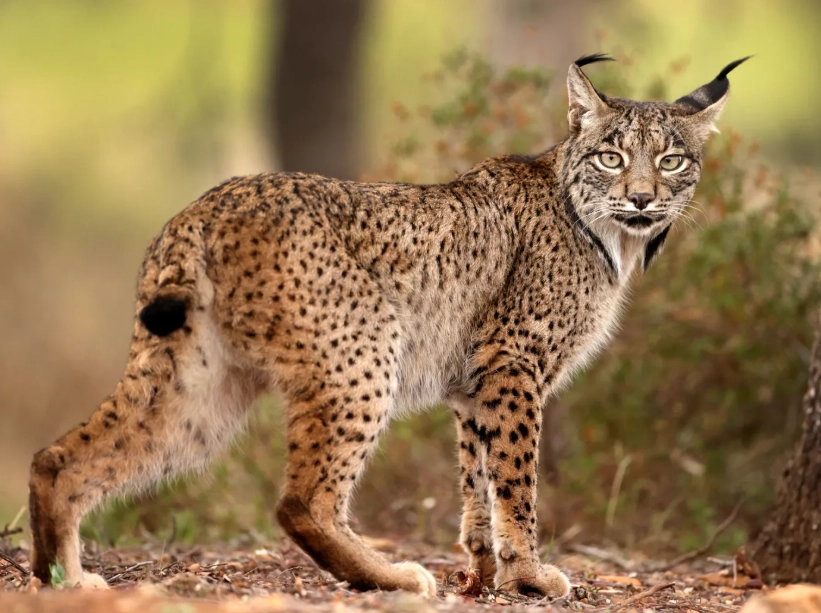
Health and Lifespan: In the Wild vs. In Care
Life in the wild is tough. A lynx cat might live 10-15 years in captivity with excellent care, but in the wild, 5-7 years is more common. They face threats from starvation (especially the hare-dependent species), territorial fights with other lynxes, predation by wolves or cougars, and of course, humans.
Human-related threats are the big ones:
- Habitat Loss & Fragmentation: Roads and development cut up their territories, leading to more dangerous crossings and genetic isolation.
- Vehicle Collisions: A major cause of mortality, especially for the Iberian and Eurasian lynx.
- Illegal Hunting & Trapping: Still a problem in some areas, despite protections.
- Depletion of Prey: Diseases that wipe out rabbit populations directly threaten the Iberian lynx.
In captivity, their health issues are different. Without the space and complexity of a wild territory, they can become obese and develop arthritis. Dental disease is common if fed a soft, improper diet. Behavioral issues like pacing or self-mutilation are signs of a mentally distressed animal. It's a completely different set of problems, underscoring that captivity is a poor substitute.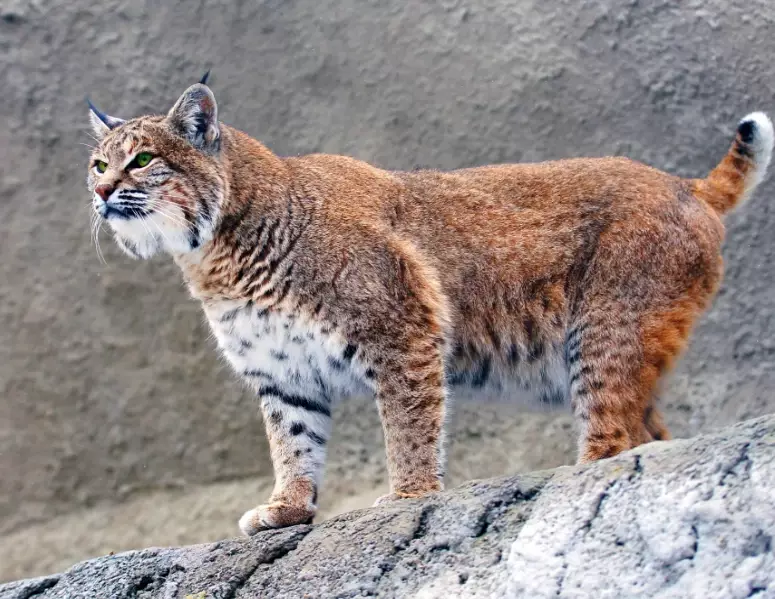
Your Lynx Cat Questions, Answered
Final Thoughts: Respecting the Ghost
After all this, my own view is pretty clear. The lynx cat is one of nature's most elegant and efficient creations. That mystique, that air of quiet power, is what draws us to them. But that very mystique is destroyed the moment we try to bring it into our world on our terms.
The true wonder of a lynx isn't in owning one; it's in knowing it's out there. It's in the possibility that, in a remote forest in Scandinavia or a snowy stretch of Canadian wilderness, that perfect predator is moving silently, its tufted ears twitching at sounds we can't hear, its huge paws leaving faint prints that will soon be covered by snow. It's a ghost, and some ghosts are meant to stay wild.
Our role isn't to master them, but to ensure the forests, mountains, and scrublands they haunt remain intact. To me, that's a far more meaningful connection than any leash or cage could ever provide. Let's keep the lynx where it belongs—in the wild, and in our awe.