Quick Navigation
You see them in memes, starring in comics, and maybe even curled up on your own sofa. That sharp black-and-white contrast, like a little feline wearing a permanent dinner suit. It's impossible not to wonder: is there something more to them? Why are tuxedo cats special, really? Is it just the striking looks, or does the tuxedo come with a particular personality packed inside? As someone who's lived with a tuxedo cat named Oreo for over a decade, I can tell you the fascination is real, and the answers are way more interesting than you might think. It's not all myth and magic—though there's some of that too—but a mix of genetics, observed behavior, and a whole lot of cultural charm.
Let's be real. All cats are special. But tuxedo cats have this aura, this undeniable charisma that makes people ask questions. This isn't just about listing fun facts. We're going to dig into the science of their coat, unpack the truth behind the "tuxedo personality," wander through their history (yes, they've been around ancient Egyptian ships and in the White House), and tackle every question a potential tuxedo cat owner might have. By the end, you'll have a pretty clear picture of what makes these black-and-white buddies so uniquely captivating.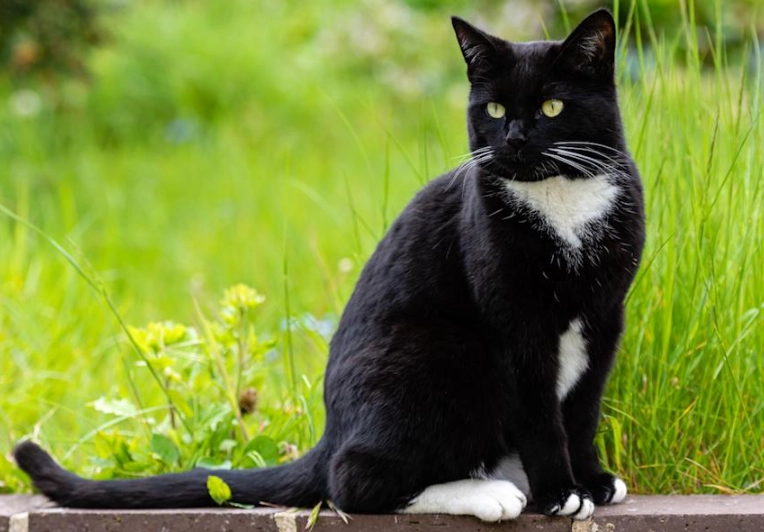
The Genetics Behind the Tux: It's All in the Code
First thing's first. "Tuxedo" isn't a breed. It's a color pattern, technically a type of bicolor coat. You can find tuxedo markings in just about any breed, from the common Domestic Shorthair to fancy Persians and regal Maine Coons. So, the magic starts with their DNA.
The classic tuxedo look—solid black with a white chest, belly, paws, and sometimes a white blaze on the face—is a masterpiece of pigment cell migration. When a cat embryo is developing, melanocytes (the cells that produce color) spread from the back towards the belly. In tuxedo cats, these cells either don't travel all the way, or the areas they don't reach express the white spotting gene. The amount of white is controlled by the white spotting gene (often symbolized as the S gene), and the tuxedo pattern typically falls into the lower to mid range of this spectrum. You can get a cat with just a tiny white locket (a "minimalist tux") or one with a full white shirtfront and spats (the "full formal wear").
A Quick Genetic Breakdown: The black color comes from a dominant gene. The white areas come from the white spotting gene, which is incompletely dominant. This means the interplay between these genes and others influencing pattern and shading is what creates the crisp, sharp lines we associate with a good tuxedo. It's a genetic lottery that consistently pays out in elegance. For a deep dive into the fascinating science of feline coat color genetics, resources like the National Center for Biotechnology Information (NCBI) host peer-reviewed studies that detail these mechanisms, though the reading can get technical.
Some tuxedos even have hidden patterns in their black fur! In bright sunlight, you might see faint ghost tabby stripes. This is because the gene for the solid black color can sometimes be overridden by the underlying tabby pattern gene. It's like a secret message only visible under the right light.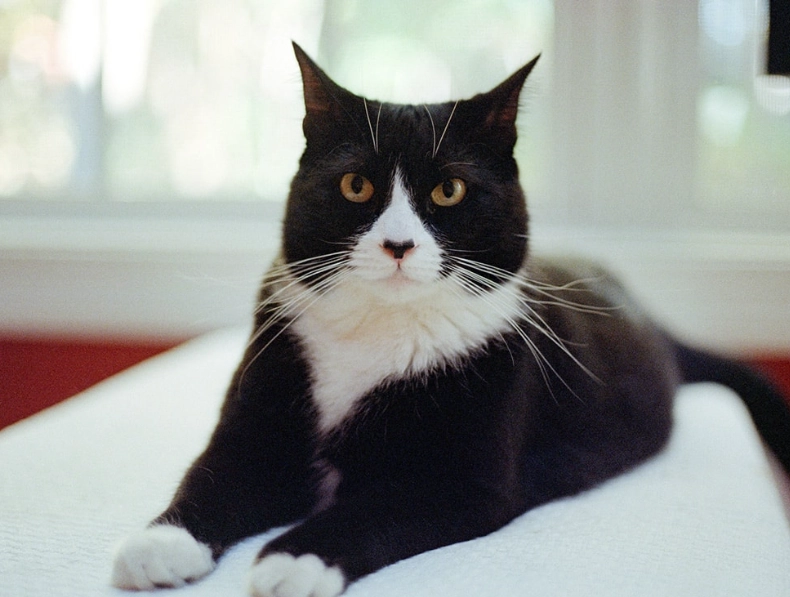
Breeds Commonly Sporting the Tux
- Domestic Shorthair/Longhair: The most common canvas for the tuxedo pattern. Truly a cat of the people.
- Maine Coon: A giant, fluffy gentleman in a tuxedo. The majestic beard adds to the formal effect.
- British Shorthair: Their round, plush bodies look incredibly dignified in black and white.
- Manx: The tailless wonder, often seen in striking bicolor patterns including tuxedo.
- Turkish Van: Interestingly, this breed is known for a *color-on-white* pattern, often with color just on the head and tail. A reverse tuxedo, if you will.
So, the foundation of why tuxedo cats are special is written in their genes. It's a common yet perfectly precise biological accident that results in extraordinary beauty. But what about the mind inside that beautifully patterned head?
Unveiling the Tuxedo Cat Personality: Myth, Meme, or Reality?
This is the big one. Ask any tuxedo cat owner, and they'll likely have a story. The internet is flooded with claims that tuxies are more intelligent, more dog-like, more talkative, and more mischievous. My Oreo, for instance, figured out how to open cabinet doors by hooking his paw under them and pulling. He also has specific, insistent meows for "feed me," "pet me," and "why did you close the bathroom door?"
But is there any scientific proof that coat color links to personality? The short answer is: it's complicated and not definitively proven. Most veterinary behaviorists, like those contributing to resources from the American Veterinary Medical Association (AVMA), caution against making firm breed—let alone color—based personality predictions. A cat's temperament is shaped by genetics (breed can play a role here), early socialization, individual experience, and a bit of random chance.
However, the anecdotal evidence from a massive number of owners is too persistent to ignore entirely. It's possible that the genes responsible for the white spotting that creates the tuxedo pattern might be physically linked to other genes that influence neurology and behavior. Or, it could be a self-fulfilling prophecy—we perceive the cat in the "smart suit" as being more intelligent and thus interact with it differently, shaping its behavior.
Let's break down the most commonly reported tuxedo cat traits, separating likely truth from hopeful fiction.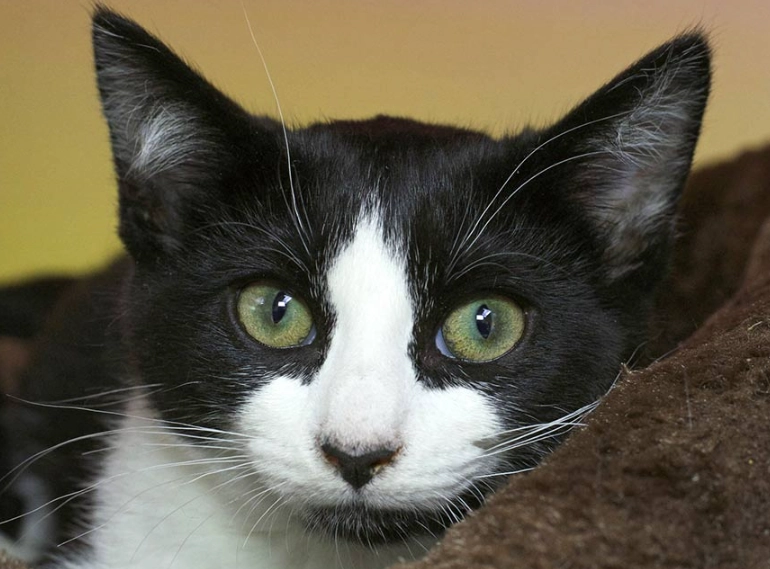
From my experience, Oreo's intelligence seems high, but I've also had a brilliant orange tabby. The biggest difference isn't smarts, but communication style. The tuxedo seems more deliberate in getting his point across, almost like he's negotiating.
Reported Tuxedo Personality Traits: A Reality Check
| Trait | What People Say | Likely Reality & My Take |
|---|---|---|
| High Intelligence | They solve puzzles, open doors, learn tricks quickly. | Probably some truth. Many owners report this. It might be enhanced problem-solving curiosity rather than raw IQ. My tuxedo definitely outsmarts simple food puzzles faster than my other cat did. |
| "Dog-Like" Behavior | They follow you from room to room, play fetch, are more sociable. | This is a very common report. Tuxies often seem to form a strong, attentive bond with their primary human. Oreo is my shadow. Is it the coat or just a common personality in the gene pool? Hard to say, but the trend is noted. |
| Vocal & Communicative | They have a lot to say and use a variety of chirps, trills, and meows. | Strong yes, in my case. It's not constant yowling, but purposeful, conversational vocalization. He tells me about his day. |
| Mischievous & Playful | A penchant for getting into things, playful well into adulthood. | This seems linked to high curiosity and intelligence. They get bored easily and make their own fun, which sometimes means your pens end up on the floor. |
| Affectionate on Their Terms | They can be cuddly, but often dictate the time and place. | This describes most cats! But tuxedo owners often feel their cat's affection is especially earned and therefore meaningful. It's a classic cat trait, maybe just more pronounced. |
So, why are tuxedo cats special in the personality department? The collective owner experience suggests a trend towards a clever, communicative, and highly interactive companion. While science hasn't confirmed a direct color-personality link, the sheer volume of similar stories means if you bring a tuxedo cat home, you're statistically more likely to encounter these engaging traits. It's a stereotype with a surprising amount of smoke, even if we can't yet pinpoint the fire.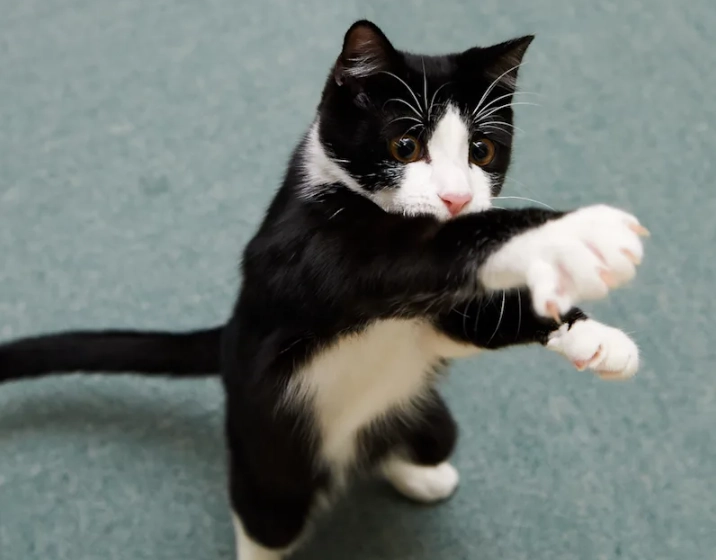
I will add a slight negative, just to keep it real. That high intelligence and mischievousness can be exhausting. Oreo's ability to open cabinets meant I had to install child locks. His desire to "help" with everything, from typing on my keyboard to inspecting groceries, is not always convenient. A less inquisitive cat might be easier sometimes, but never as entertaining.
A Walk Through History: Tuxedo Cats in Culture & Lore
The charm of the tuxedo cat isn't a modern invention. These distinctly marked felines have been turning heads and inspiring stories for millennia. Their striking appearance made them memorable, often attributing to them luck, magic, or divine favor.
There's evidence that cats resembling tuxedos were depicted in ancient Egyptian art. More concretely, they were popular as ship's cats, particularly in the age of sail. Their excellent hunting skills were valued for controlling rodent populations on long voyages. The famous cat-of-the-ship's-cat, Trim, who sailed with explorer Matthew Flinders around Australia in the early 1800s, was described as a "fine, handsome, enterprising black-and-white cat"—a classic tuxedo. There's even a statue of Trim in Sydney today.
In folklore, bicolor cats like tuxedos often feature. In English folklore, they were sometimes called "Jellicle cats," a term T.S. Eliot later used in his Old Possum's Book of Practical Cats, the basis for the musical Cats. The Jellicle Ball, in essence, could be a giant tuxedo cat party.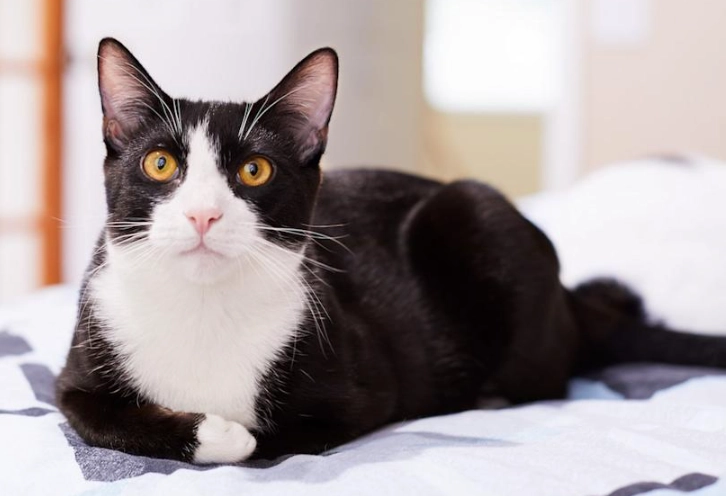
The Name Game: The term "tuxedo cat" became popular in North America in the late 19th/early 20th centuries, coinciding with the rise of the formal dinner suit (tuxedo) for men. The resemblance was simply too perfect to ignore. Before that, they were often called "piebald" or "magpie" cats.
Tuxedo Cat Hall of Fame
Their appeal has made them stars beyond the living room.
- Sylvester the Cat: The Looney Tunes icon, with his endless pursuit of Tweety Bird, is perhaps the world's most famous tuxedo cat. His lisping "Sufferin' Succotash!" is ingrained in pop culture.
- Figaro: Geppetto's mischievous kitten in Disney's Pinocchio, setting the standard for the animated tuxedo sidekick.
- Mr. Mistoffelees: The magical conjuring cat from Cats, is explicitly a tuxedo cat, emphasizing the pattern's association with mystery and elegance.
- The Cat in the Hat: While not a realistic depiction, Dr. Seuss's chaotic hero sports a red bow tie on a white-chested, primarily black body—a whimsical take on the tuxedo.
- Real-World Famous Tuxies: Simon, the ship's cat aboard HMS Amethyst who survived a cannon blast and raised morale during the 1949 Yangtze Incident, was awarded the Dickin Medal (the animal Victoria Cross). He was a tuxedo. The White House has also hosted tuxedo cats, including Socks Clinton, the First Cat during the Clinton administration.
This rich cultural footprint is a huge part of why are tuxedo cats special. They're not just pets; they're archetypes. They represent cleverness, magic, mischief, and resilience in our stories. When you live with one, you feel a tiny bit connected to that legacy.
Caring for Your Distinguished Gentleman or Lady
Okay, so you're sold on the charm. But is caring for a tuxedo cat any different? In terms of basic needs, no. They require the same high-quality diet, fresh water, regular veterinary check-ups, mental stimulation, and love as any other cat. However, understanding their potential personality leanings can help you be a better pet parent.
Enrichment is Key: Given their propensity for smarts and boredom, a bored tuxedo is a destructive tuxedo. Puzzle feeders, interactive toys, regular play sessions (think wand toys that mimic prey), and even clicker training are fantastic. Teach them to sit, high-five, or run an agility course. They often thrive on the mental challenge.
Embrace the Conversation: If you get a vocal one, talk back! They often enjoy the back-and-forth. Ignoring their attempts to communicate can frustrate them.
Grooming: This is straightforward. Short-haired tuxedos need a weekly brush to reduce shedding. Long-haired versions need daily brushing to prevent mats. The good news? Their white patches make it easy to spot fleas or skin issues.
Health: There are no health issues specifically linked to the tuxedo color pattern itself. Their health will depend on their breed and individual genetics. Always work with a reputable veterinarian. The Cat Fanciers' Association (CFA) and similar breed organizations provide breed-specific health information that can be useful if your tuxedo is a purebred.
The main thing is to be prepared for a cat that might demand more engagement. Don't get a tuxedo if you want a decorative, aloof pillow. They often want to be in the thick of your life.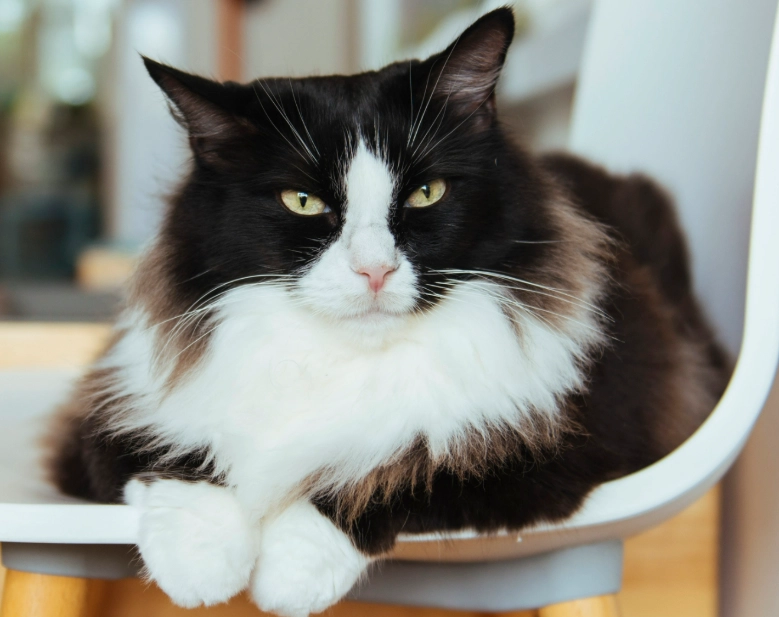
Answering Your Burning Questions (FAQ)
Answering Your Burning Questions (FAQ)
Let's tackle the specific things people are typing into Google about these cats.
Are tuxedo cats smarter than other cats?
There's no scientific study that conclusively proves coat color determines intelligence. However, an overwhelming number of owner anecdotes suggest many tuxedo cats exhibit high problem-solving skills and quick learning. It's safer to say they are often reported to be very intelligent, which is a compelling trend even without a lab coat's stamp of approval.
Is it true that all tuxedo cats are male?
This is a complete myth! The genes for the black color and the white spotting are not sex-linked. Tuxedo cats can be male or female, roughly in a 50/50 split. You'll find plenty of fabulous female tuxies out there.
What's the difference between a tuxedo cat and a cow cat?
It's a spectrum of the bicolor pattern. A tuxedo cat typically has a primarily black body with specific, symmetrical white markings on the chest, belly, paws, and face (like a formal suit). A cow cat usually has larger, more irregular patches of black and white, resembling the blotchy pattern on a dairy cow. Think of the tuxedo as the refined cousin and the cow cat as the more rustic, playful sibling.
Are tuxedo cats more affectionate or friendly?
Again, individual personality reigns supreme. But the common report of "dog-like" behavior suggests many tuxedo cats are highly social with their humans, seeking interaction and companionship. This can be perceived as exceptional friendliness. Early socialization is the biggest factor in any cat's friendliness.
Do tuxedo cats have specific health problems?
No. The tuxedo pattern itself does not predispose a cat to any unique health conditions. Their health is determined by their breed lineage and individual genetics. Always ensure your cat, regardless of color, has regular vet visits.
Why does my tuxedo cat have a few white hairs in the black?
That's completely normal! No coat is perfectly uniform. A few stray white hairs, or even a small white spot you didn't notice before (a "button"), are just minor variations in pigment distribution. It adds character.
Final Thoughts: The Enduring Specialness
So, after all this, why are tuxedo cats special? It's a perfect storm. It starts with a genetic recipe that produces a coat of timeless, formal beauty—a living piece of art. This striking appearance has cemented their place in our stories and history, from ancient ships to modern cartoons.
Then, there's the lived experience. While science cautiously observes, thousands of owners will swear on a stack of catnip toys that their tuxedo is sharper, chattier, and more connected. This collective testimony creates a powerful legend that, in turn, shapes how we perceive and interact with them. Whether the personality is inherently linked to the pattern or not, the result is the same: a cat that often lives up to its clever, charming, and slightly magical reputation.
Owning a tuxedo cat is like having a tiny, furry philosopher in a suit. They observe everything, comment on much of it, and occasionally cause delightful chaos just to see what happens.
If you're considering bringing a cat into your life, don't choose a tuxedo just for the pattern or the promised personality. Go to a shelter, meet the cats, and see who connects with you. But if a sharp-dressed feline with a knowing glint in its eye chooses you, be prepared for an adventure. You're not just getting a pet; you're getting a companion with a legacy, a potential genius, and a heart-stealer in a permanent dinner jacket. And that, truly, is what makes them so wonderfully, undeniably special.
Just remember the child locks for the cabinets. Trust me on that one.