Quick Navigation
- What Exactly Is a Tortoiseshell Cat Anyway?
- So, Is a Tortoiseshell Cat Rare? The Nuanced Answer
- Beyond the Genetics: What's It Like to Live With a Tortie?
- Finding and Adopting a Tortoiseshell Cat
- Your Tortoiseshell Cat Care Guide
- Common Questions (And Straight Answers)
- Wrapping Up: The Final Verdict on Rarity
You know that cat. The one sunning itself on a neighbor's porch, a living mosaic of orange, black, and sometimes cream. The coat looks like someone dipped a brush in autumn and went wild. That's a tortoiseshell cat, or a "tortie" for short. And if you've ever found yourself wondering, "Is a tortoiseshell cat rare?" while admiring one, you're definitely not alone. It's a question that pops up all the time, fueled by their striking looks and some persistent myths floating around online.
I remember the first time I really thought about it. A friend was gushing about her new kitten, a tiny whirlwind of black and orange patches. "They say they're really rare," she whispered, as if sharing a secret. I nodded, but later I got curious. Is that really true? The answer, as I dove into the rabbit hole of feline genetics, turned out to be a fantastic mix of science, statistics, and a little bit of magic. It's not a simple yes or no. Whether a tortoiseshell cat is rare depends entirely on what you're asking about. The female curled on your couch? Not particularly. The male? Now that's a different story—a story with odds that would make a lottery ticket look like a sure bet.
So, let's get into it. We're going to break down what makes a tortie a tortie, why genetics play the ultimate card, and what "rare" actually means in the world of cat colors. We'll also tackle the practical stuff—like where you might find one, what they're like to live with (spoiler: the "tortitude" is real, in my experience), and clear up the confusion once and for all.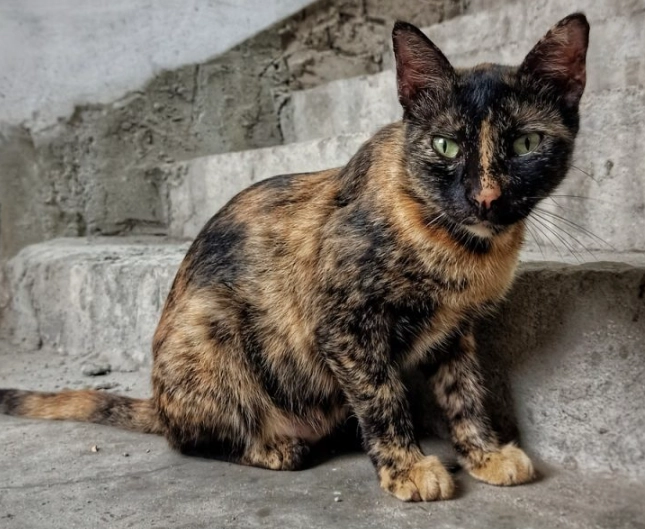
What Exactly Is a Tortoiseshell Cat Anyway?
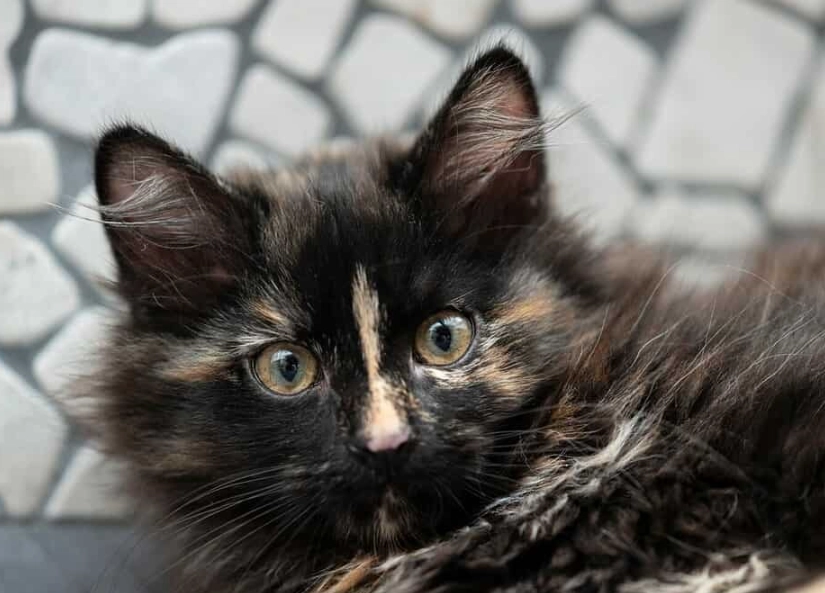
Before we can answer "is a tortoiseshell cat rare?", we need to be crystal clear on what we're talking about. A tortoiseshell isn't a breed. It's a coat color pattern. You can find this pattern in many breeds and, most commonly, in your standard wonderful domestic shorthair or longhair. The defining feature is a brindled, patchy, or mottled mix of two colors: black (or its dilute form, grey/blue) and red (orange, which often appears as a rich ginger or a pale cream). The patches are irregular, blending into each other like colors in a marble cake. There's no specific symmetry, which makes each tortie one-of-a-kind.
Key Point: Think of it like this: A calico cat is a tortoiseshell plus white. The white creates larger, distinct blocks of color (black and orange). No white, or very minimal white, and you've got a classic tortoiseshell. It's a spectrum, and the line can sometimes be blurry, which adds to the confusion.
Now, here's where it gets scientifically cool. The gene for the orange color (pheomelanin) is located on the X chromosome. The gene for black color (eumelanin) is on a different part of the X chromosome. In female cats, who have two X chromosomes (XX), a fascinating thing called X-inactivation happens. Early in development, one X chromosome is randomly "turned off" in each cell. If one X carries the "orange" instruction and the other carries the "black" instruction, the result is a random patchwork of orange and black fur. That's the biological recipe for a tortoiseshell cat.
Males, on the other hand, have one X and one Y chromosome (XY). They only have one "slot" for the color gene on their single X. So, a male cat can be orange (if his X has the orange gene) OR black (if his X has the non-orange gene). He typically can't be both. This genetic rule is the cornerstone of the entire rarity question.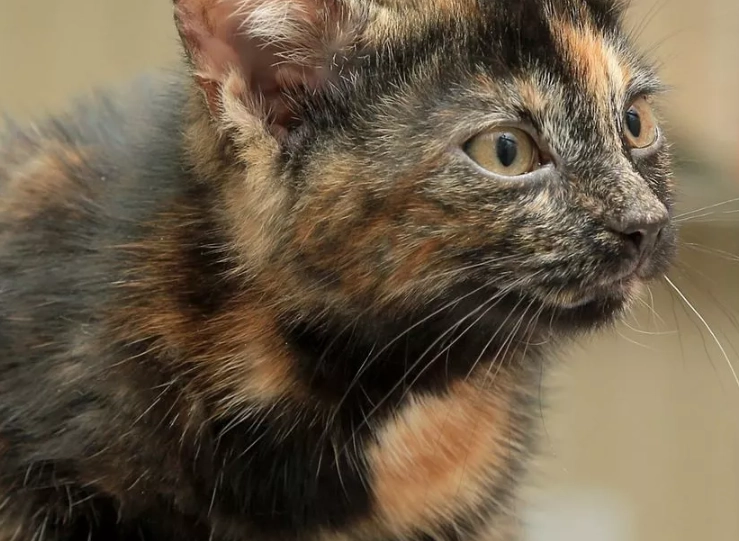
So, Is a Tortoiseshell Cat Rare? The Nuanced Answer
Alright, the moment of truth. Let's split this into two clear categories, because treating them as the same does a disservice to the amazing genetics at play.
Female Tortoiseshell Cats: Commonplace Beauties
For female cats, the tortoiseshell pattern is not rare at all. In fact, it's a standard and fairly common color variation. Given the right genetic parents (a father who is orange and a mother who is black, or various other combinations that pass on both color genes), a good portion of the female kittens in a litter can be tortoiseshell. Walk into almost any animal shelter, and you're likely to spot a few tortie girls. Their beauty is extraordinary, but their genetics are wonderfully ordinary in the feline world.
So, if your question is specifically about female torties, you can relax. They're not unicorns.
Male Tortoiseshell Cats: The Genetic Unicorns
This is where the definition of "rare" gets a serious workout. A male tortoiseshell cat is exceptionally rare. We're talking about 1 in every 3,000 tortoiseshell cats being male. That's about 0.03%. The reason, as we touched on, is that males need two X chromosomes to display both black and orange fur. This is a genetic anomaly.
There are two main ways this can happen:
- Klinefelter Syndrome (XXY): This is the most common cause. The male cat is born with an extra X chromosome (XXY instead of XY). This gives him the genetic material needed for the tortoiseshell pattern, but it also comes with complications. XXY males are almost always sterile.
- Chimerism or Mosaicism: This is even rarer. It occurs when two fertilized eggs fuse very early in development, or when a genetic mutation happens after fertilization, resulting in a cat with two different sets of DNA. Some of his cells might express one color, and others the second color.
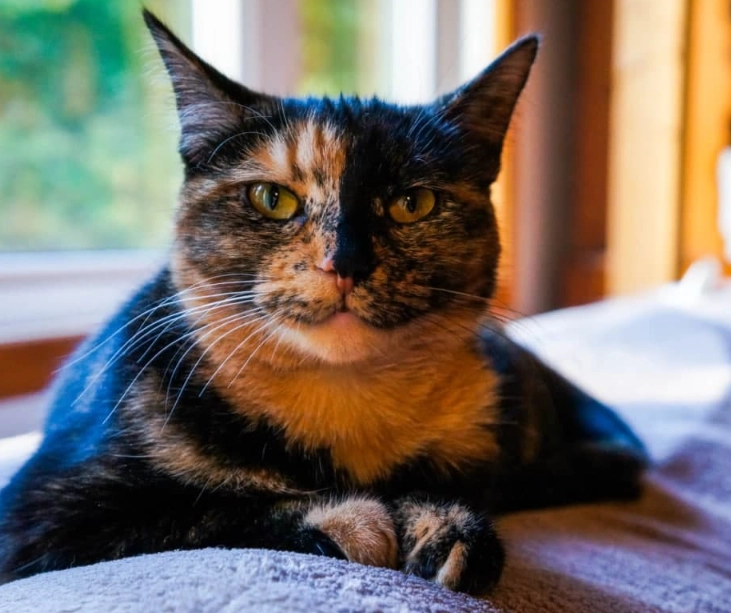
Myth Busting Time: You might read old tales that male tortoiseshell cats bring good luck. While they're certainly special, the reality for these boys is often challenging. The genetic abnormality (especially XXY) can be linked to other health concerns. Reputable organizations like the Cornell Feline Health Center note that cats with chromosomal disorders may have a higher predisposition to certain health issues. It's a crucial point that gets lost in the "rare = valuable" hype. Their rarity is a medical curiosity, not a mark of superior breeding.
Because of this, if someone is trying to sell you a "rare male tortoiseshell kitten" for thousands of dollars, be extremely skeptical and concerned, not excited. An ethical breeder focused on health would not deliberately breed for this condition. Most true male torties are discovered by chance in non-pedigreed litters.
| Factor | Impact on Rarity | Notes & Examples |
|---|---|---|
| Sex | Primary Determinant | Females: Common. Males: Extremely Rare (1 in 3,000). |
| Breed | Moderate Influence | Common in domestic shorthairs/longhairs, Maine Coons, Persians. Impossible in breeds where the orange gene doesn't exist (e.g., solid Russian Blues). |
| Color Intensity | Affects Perceived Rarity | "Dilute" torties (grey-blue & cream) are less common than black & orange. "Torbies" (tabby + tortie) are also seen as unique. |
| Geography | Minimal Influence | No specific region has more; it's a genetic lottery worldwide. Population density of strays/ferals can affect local visibility. |
Beyond the Genetics: What's It Like to Live With a Tortie?
Okay, so we've settled the "is a tortoiseshell cat rare" question from a statistical standpoint. But what people often really want to know is about their personality. Are they as unique as they look? This leads us to the legendary concept of "tortitude".
It's not a scientific term, but it's a stereotype so widespread that many owners, myself included, will nod knowingly. Anecdotally, tortoiseshell cats are often described as fiercely independent, strong-willed, sassy, and deeply bonded to one person. They can be moody—affectionate one minute, giving you the cold shoulder the next. My old tortie, Mabel, was a master of this. She'd demand lap time with insistent head-butts, then suddenly decide she was done and leave with a dismissive flick of her tail. It was all on her terms.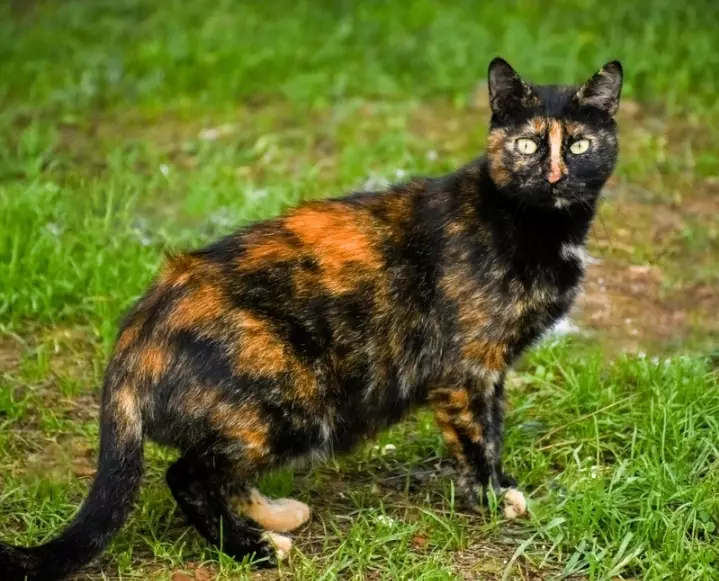
But here's the personal take: I think this reputation gets overblown. Every cat is an individual. I've met placid torties and demanding tabbies. However, there might be a sliver of truth rooted in their genetics. Some animal behaviorists, like those referenced in resources from the ASPCA, suggest that the complex interaction of genes influencing coat color might be linked to neurotransmitter levels, potentially influencing temperament. It's a theory, not a hard rule. Don't adopt a tortie expecting a docile lapcat if you're not prepared for a cat with a big personality. Adopt her because you love her wild coat and are ready for a unique companion.
Just my two cents: The "tortitude" is part of their charm. That strong personality makes the moments of affection feel earned and super special. It's never boring.
Finding and Adopting a Tortoiseshell Cat
Let's say you've read all this and decided a tortie is for you. Where do you find one? If you want a female (which is the responsible and likely path), it's remarkably straightforward.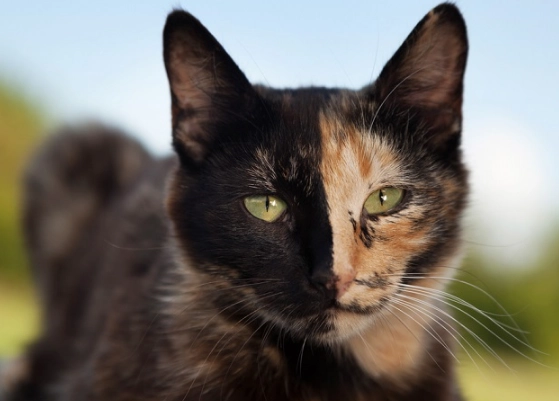
- Animal Shelters & Rescue Groups: This is the #1 best place to look. Tortoiseshell cats are tragically overrepresented in shelters. Their sometimes-feisty reputation and common black fur components (black cats are often overlooked) mean they wait longer for homes. Websites like Petfinder or AdoptAPet let you search specifically for tortoiseshell cats in your area.
- Breeders: If you want a specific purebred cat (like a tortoiseshell Persian or British Shorthair), you would go through a breeder. Be prepared: a reputable breeder prioritizes health and temperament over a specific color, and you'll likely be on a waitlist. Always verify they are registered with reputable cat fancier organizations like The Cat Fanciers' Association (CFA) or The International Cat Association (TICA).
- Strays & Ferals: It's not uncommon for a tortie to show up in a community cat colony. If you befriend one, consider a TNR (Trap-Neuter-Return) program if she's feral, or welcoming her inside if she's social.
What about cost? From a shelter, the adoption fee is standard ($50-$200). From a breeder, a tortoiseshell kitten's price is the same as any other kitten of that breed with standard colors—typically hundreds to over a thousand dollars. The pattern itself does not command a premium in ethical breeding circles for females.
Your Tortoiseshell Cat Care Guide
Caring for a tortie is no different from caring for any other cat, with a few small considerations tied more to anecdote than science.
Health Considerations
There are no health conditions directly linked to the tortoiseshell coat color itself. They are prone to the same issues as any other cat: dental disease, kidney issues, obesity. The major exception, as discussed, is the male tortoiseshell. If you are ever fortunate enough to care for one, a proactive relationship with a veterinarian for regular monitoring is essential due to their likely chromosomal condition.
Grooming Needs
This depends on coat length, not color. A long-haired tortie will need daily brushing to prevent mats. A short-haired tortie will benefit from weekly brushing to reduce shedding and hairballs. One fun thing—brushing lets you really appreciate the intricate blend of colors in their fur up close.
Behavior & Enrichment
Given their reputation for being clever and strong-willed, mental stimulation is key. Puzzle feeders, interactive toys, cat trees with different levels, and regular play sessions are great. They often thrive with routines. Mabel knew exactly when dinner time was and would not let me forget.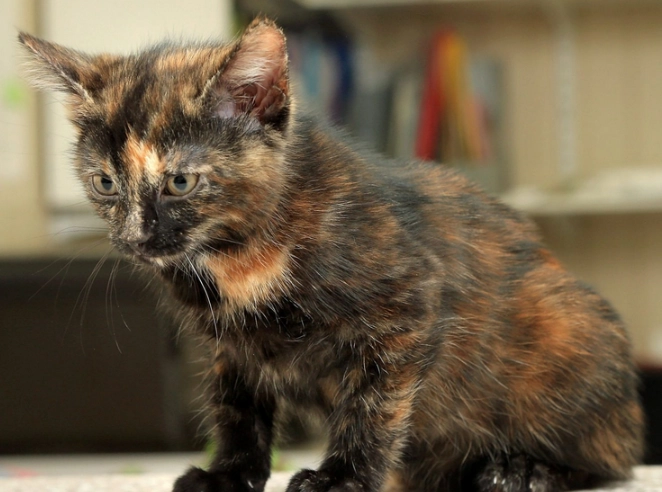
Common Questions (And Straight Answers)
Wrapping Up: The Final Verdict on Rarity
So, let's circle back to the burning question one last time: Is a tortoiseshell cat rare?
The full, honest answer is a firm "it depends." If you're simply asking about the beautiful patchwork cats you see in pictures and sometimes in real life, then no, they are not rare. Female tortoiseshells are a common and wonderful expression of feline genetics. You can find them in shelters, in homes, and roaming neighborhoods everywhere. Their beauty is abundant.
The true rarity is reserved for the male tortoiseshell cat—a genetic outlier that serves as a living lesson in biology and a reminder that nature loves to break its own rules.
If your search was driven by a desire for a unique pet, know that every tortie is unique in personality and the specific map of her patches. No two are ever alike. That makes each one rare in her own right, regardless of chromosomes. The best place to find your one-of-a-kind companion is at a shelter, where you can give a stunning, sassy, and likely common-as-can-be tortoiseshell girl the loving home she deserves.
And that's the colorful truth.