Let's be real. When you see a Ragdoll cat—those stunning blue eyes, that luxurious fur, that famously placid demeanor—it's easy to get swept up in the idea of a perfect, floppy, cuddly companion. And they are wonderful. But after years of talking with breeders, owners, and veterinarians, I've learned that glossing over the cons of Ragdoll cats does a huge disservice to potential owners. It sets up both the human and the cat for frustration.
This isn't about scaring you away. It's about giving you the full picture, the one you won't get from just browsing adorable kitten photos. Knowing these drawbacks is what separates a happy, lifelong home from a stressful mismatch.
What You'll Find in This Guide
The 7 Major Cons of Ragdoll Cats
If you're looking for a low-maintenance, independent, rugged cat, stop reading now. The Ragdoll is not that cat. Their pros are intimately tied to their cons. That gentle nature comes with strings attached—often in the form of long, silky, shedding strings.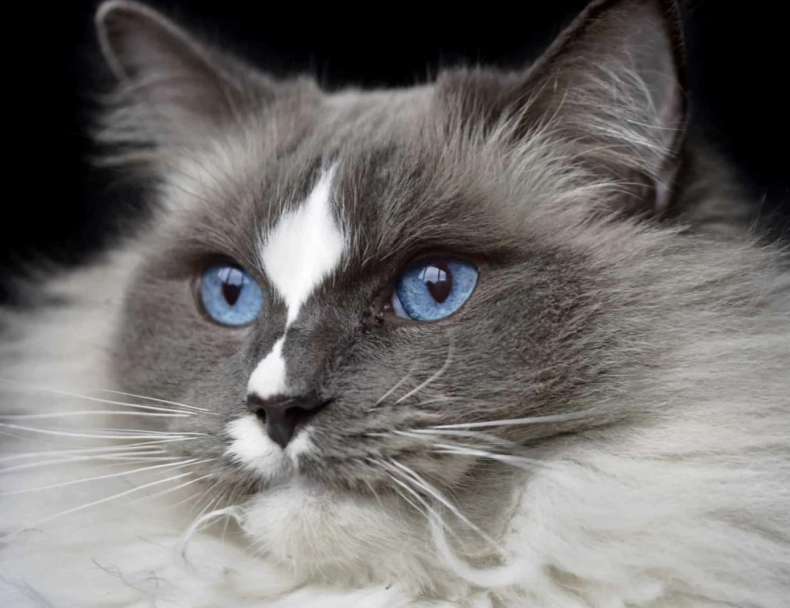
Here are the seven downsides you need to weigh seriously.
1. Consistent and Considerable Shedding
This is the number one shock for new owners. The myth of the "low-shedding" longhair is just that—a myth. Ragdolls have a semi-long, plush coat with a dense undercoat. They shed year-round, with significant "blows" of their coat in spring and fall. That fine, white undercoat gets everywhere: embedded in your black sweaters, floating in sunbeams, coating your electronics.
I've had owners tell me they had to buy a new vacuum cleaner within six months. If you have allergies, even mild ones, this is a critical consideration. It's not just the hair; it's the dander (dried skin flakes) that comes with it.
Grooming Reality Check: Brushing 2-3 times a week is non-negotiable. Not just a quick pass with a slicker brush. You need an undercoat rake or a deshedding tool like a Furminator to get to that dense underlayer. Miss a few sessions, and mats will form, especially behind the ears, under the arms, and around the hindquarters. These are painful for the cat and expensive to have removed by a groomer.
2. Potential for Serious Health Issues
All purebred cats can have genetic predispositions. For Ragdolls, the big one is Hypertrophic Cardiomyopathy (HCM). This is a heart disease where the heart muscle thickens, which can lead to heart failure. It's the most common heart disease in cats, but certain Ragdoll lines have a higher genetic prevalence.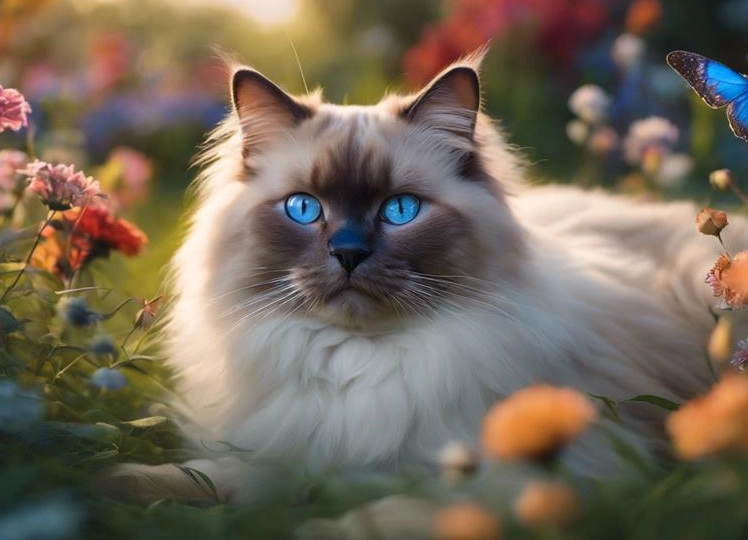
Another concern is Polycystic Kidney Disease (PKD), though reputable breeders have largely tested this out of their lines. The key phrase is "reputable breeder." A backyard breeder selling "cheap" Ragdolls is almost certainly not doing the necessary health screening, passing massive future vet bills and heartbreak onto you.
According to the Cat Fanciers' Association (CFA), responsible breeding is paramount. You must ask for proof of recent, clear echocardiograms (heart ultrasounds) for both parent cats from a veterinary cardiologist.
3. Proneness to Separation Anxiety and Boredom
Their nickname isn't "puppy-cat" for nothing. Ragdolls form intense bonds and crave companionship. Leaving one alone in an apartment for a standard 9-to-5 workday can be a recipe for trouble. We're not talking about a cat that just sleeps.
Boredom and anxiety in a Ragdoll can manifest as:
- Destructive behavior: Scratching furniture not to sharpen claws, but out of frustration.
- Inappropriate elimination: Peeing outside the litter box on your bed or clothes—a strong scent-soothing behavior.
- Excessive vocalization: Loud, persistent meowing that disturbs neighbors.
A friend of mine learned this the hard way. Her Ragdoll, Mochi, started pulling books off shelves every afternoon. The solution? She got a second cat for company. It worked, but it doubled her responsibilities and costs.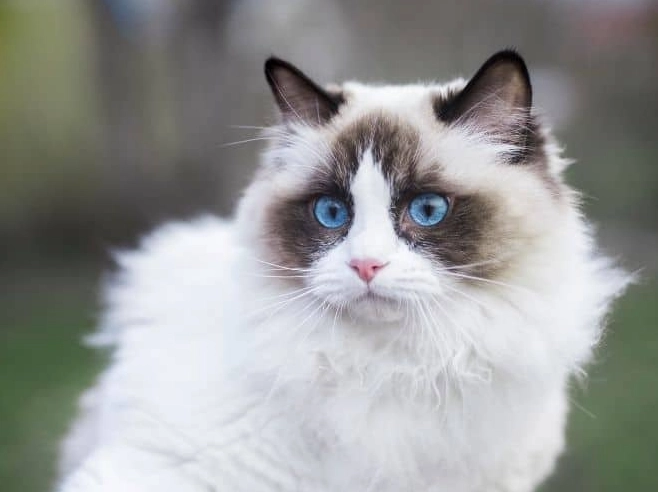
4. High Cost of Ownership (Beyond the Kitten)
Yes, the initial price from a good breeder is steep—anywhere from $1,500 to $2,500 or more. But that's the entrance fee. The ongoing costs are above average.
| Cost Category | Why It's Higher for Ragdolls |
|---|---|
| Grooming Supplies | Quality brushes, deshedding tools, detangling sprays, more frequent litter tracking cleanup. |
| Food | Many do best on high-quality, often grain-free diets to maintain coat health and reduce shedding. |
| Pet Insurance / Vet Fund | Given HCM risk, insurance is highly advised, or a dedicated savings fund of several thousand dollars. |
| Toys & Enrichment | They need mental stimulation. Puzzle feeders, cat trees, interactive toys are necessities, not luxuries. |
5. Lack of Street Smarts & Indoor-Only Necessity
That famous floppy, relaxed nature is a severe disadvantage outdoors. They lack the innate caution and defensive aggression of many other cats. They are slow to react to danger. A Ragdoll let outside is highly vulnerable to cars, other animals, and even malicious people who might see a beautiful, trusting cat as an easy target.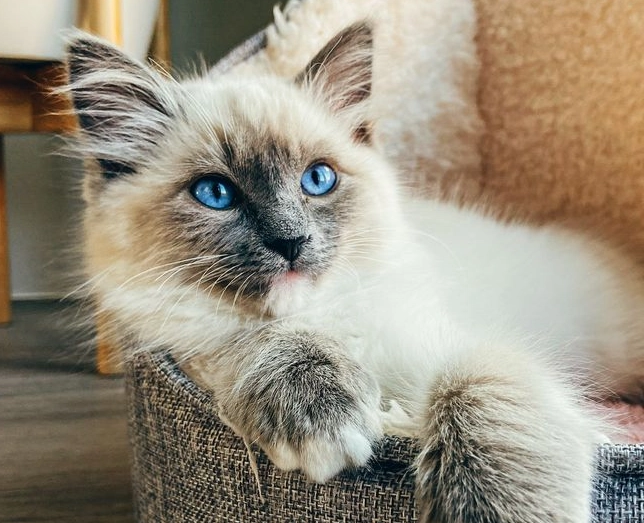
This means you must commit to a 100% indoor lifestyle. For some people, this conflicts with their vision of a "cat" that roams. You'll need to create a stimulating indoor environment—think catios, window perches, leash training—which requires extra effort and space.
6. They Can Be Messy
It's not just the hair. Their long fur around the hindquarters can sometimes lead to litter or fecal matter getting caught. You might need to do occasional "sanitary trims" (a delicate clipping of the fur around the rear). Some are also not the most meticulous about covering their waste in the litter box, leading to more odor.
They tend to track litter more due to their furry paws. A high-sided litter box and a good mat are essential investments.
7. Not Always a Lap Cat (Despite the Reputation)
This one surprises people. While many are cuddly, the "ragdoll" flop often happens on their terms. They may follow you from room to room ("velcro cat" syndrome) but choose to lie at your feet or beside you, not on you. Some individuals are more independent. If you demand a cat that will be a limp, purring scarf for hours every evening, you might be disappointed. Their affection is usually calm and quiet, not constantly hands-on.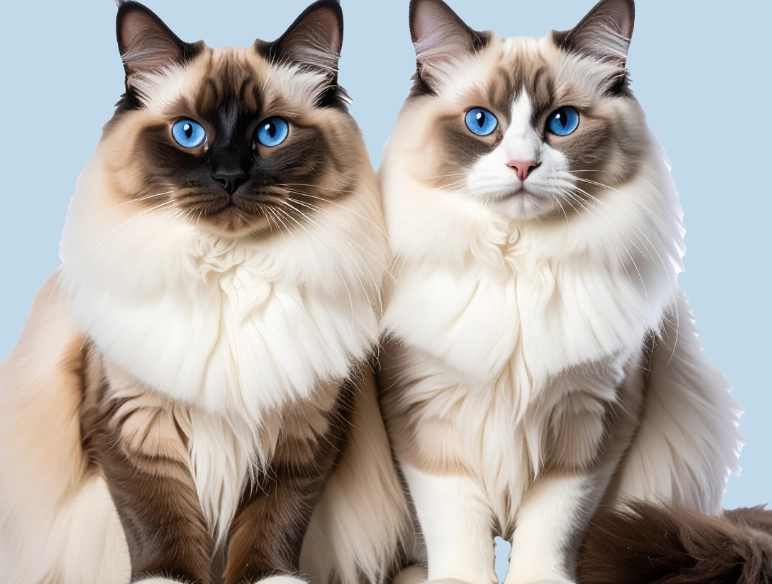
A Closer Look at Ragdoll Cat Health Risks
Let's dig deeper into the health aspect, because it's the most serious of the cons. HCM can be a silent killer. Cats often show no symptoms until they go into heart failure—signs like labored breathing, lethargy, or sudden hind leg paralysis (from a blood clot).
The VCA Animal Hospitals notes that while HCM can't be cured, early detection through screening allows for management with medication, which can prolong a good quality of life. This is why screening the parents is non-negotiable. A breeder who says "my line has never had issues" without proof of testing is a major red flag.
Ask for the actual report from a veterinary cardiologist, not just a vet's "listen" with a stethoscope, which can miss early stages.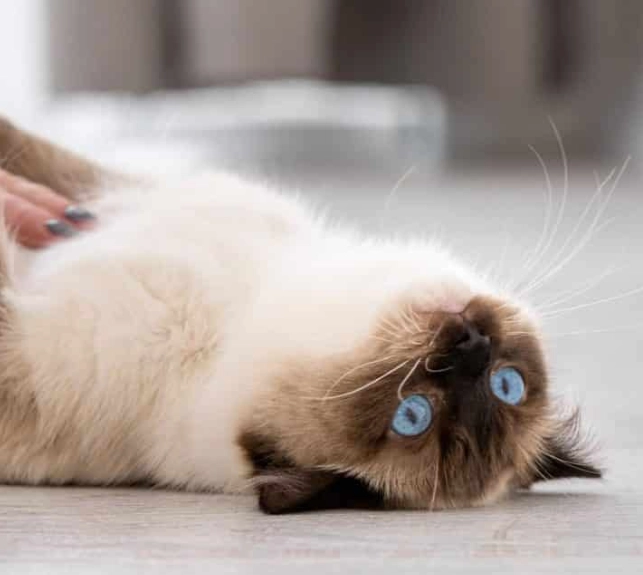
Your Ragdoll Cons Questions Answered
So, what are the cons of Ragdoll cats? They're significant: high-maintenance grooming, serious genetic health risks, a needy personality that dislikes solitude, and a total lack of outdoor suitability. They're messy, expensive, and their cuddliness isn't a guaranteed script.
But for the right person—someone home often, committed to grooming, proactive about health, and wanting a gentle, interactive shadow—these cons become manageable parts of a whole. The key is going in with your eyes wide open. Don't fall for the Instagram filter. See the real, beautiful, demanding, furry package deal. Then decide if you're the home a Ragdoll truly needs.