Quick Guide
Let's talk about black hairless cats. You've probably seen a picture – those wrinkled, elegant creatures with skin the color of midnight. Maybe it sparked curiosity, or maybe a little surprise. I remember the first time I met one in person at a friend's house. I expected something alien, but what I got was a warm, purring bundle of energy that immediately climbed into my lap. It wasn't "weird." It was fascinating. And that deep, solid black color? It made the cat look like a little panther statue, but one that demanded ear scratches.
The term "hairless cat black" is searched for a reason. People aren't just looking for a photo. They're wondering: Are they different from other Sphynx cats? Is that black color rare? How on earth do you care for a cat with no fur, especially one with such distinctive pigmentation? This isn't about having a pet that looks like it's from a sci-fi movie (though that's a bonus for some). It's about understanding a truly unique companion animal.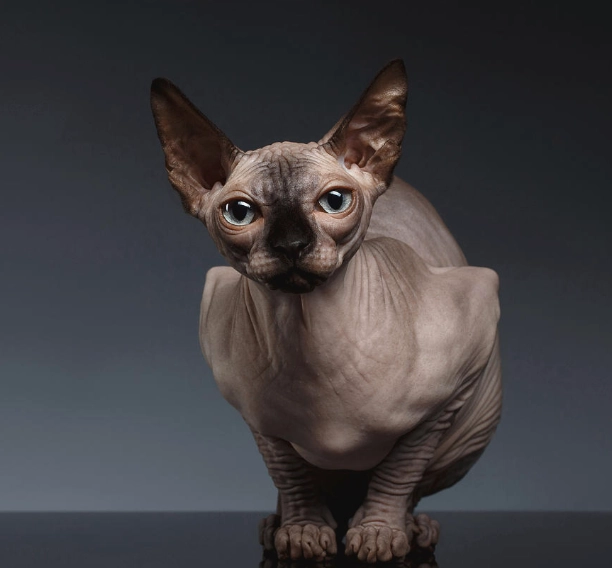
Think about it. A cat's color is in its fur, right? So what does it mean when a cat has no fur, but is still black? The answer is all in the skin, and that's where the story of the black hairless cat gets really interesting. It's genetics, biology, and a bit of feline magic all rolled into one.
The Science of That Sleek Black Coat (Well, Skin)
Okay, let's get nerdy for a second, but in a simple way. All cat colors come from pigments called melanin. You have eumelanin (which gives black and chocolate tones) and pheomelanin (which gives red and cream). In a furry cat, these pigments are produced in the hair follicles. In a Sphynx or other hairless breed, the follicles are either missing or defective, so no hair grows. But the pigment cells in the skin are still totally active.
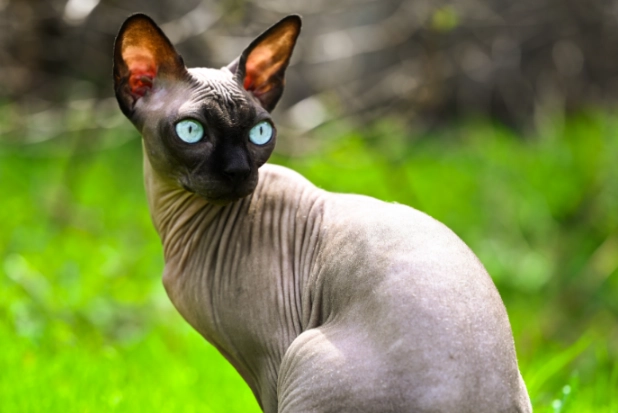
So a black hairless cat is producing a ton of eumelanin in its skin cells. That's why their skin isn't pink or peach—it's a solid, often slate-gray to jet-black color. The skin can feel slightly different too, sometimes a bit oilier, because there's no fur to absorb the natural oils. This is a key point a lot of new owners miss. You're not getting a cat that's "naked" in a colorless way. You're getting a cat whose color is displayed directly on its canvas.
Is a black Sphynx cat rare? Not exactly. Black is a common and dominant color in cats. Because of this, you'll see plenty of black hairless cats. However, a truly jet-black, evenly pigmented one is quite striking and sought after. Sometimes the black can have a faint pattern (ghost tabby markings) visible in certain lights, which is a cool little secret only visible on a hairless cat.
Here’s a quick breakdown of how the black hairless cat compares to other Sphynx colors, care-wise:
| Color / Skin Tone | Sun Sensitivity | Oil Visibility | Temperature Needs | Visual Quirk |
|---|---|---|---|---|
| Black Hairless Cat | Lower (more melanin protection) | More visible (dark oil on dark skin) | High (like all hairless) | Can show "ghost" patterns |
| White/Pink Hairless Cat | Very High (needs sunscreen!) | Very visible (brownish oil) | High | Sunburn risk is real |
| Tabby-Patterned Hairless | Medium (varies by patch) | Visible on lighter patches | High | Pattern is on the skin |
| Blue (Grey) Hairless Cat | Medium | Visible | High | Elegant, uniform tone |
See that? The black hairless cat has a natural advantage when it comes to sun protection, which is a huge plus. But the trade-off is that you might need to be a bit more diligent about noticing their skin oil buildup, as it can blend in.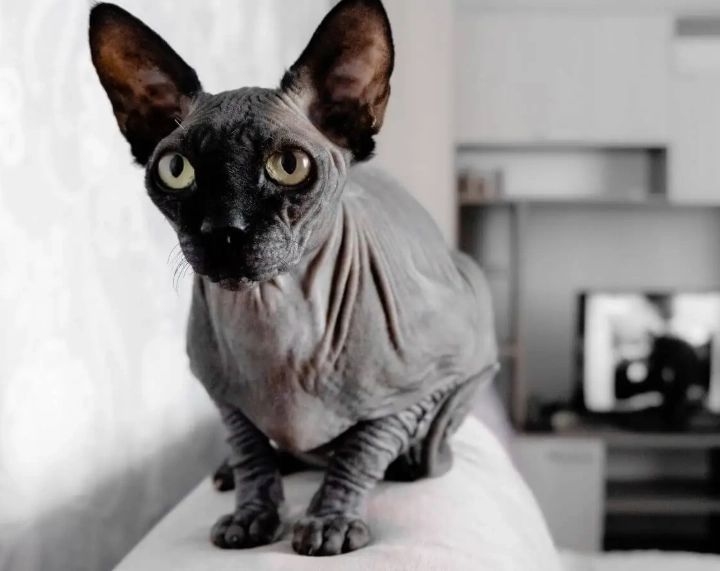
Living With a Miniature House Panther: The Real Deal on Care
This is where people get nervous, and honestly, for good reason. A hairless cat isn't a "low-maintenance" pet. If you want a pet you can ignore for days, this is not the one. But if you want an incredibly interactive, loving, and yes, demanding companion, you're in the right place. Caring for a black Sphynx cat is a commitment, but it's not rocket science. It's about routine.
Their biggest need is warmth. These cats get cold. Easily. A sweater in winter isn't a fashion statement; it's a necessity. You'll find them under blankets, on top of computers, or glued to radiators. Your heating bill might go up a tick. I'm not kidding.
Now, the infamous skin care. Because they lack fur to absorb oils, their skin can accumulate a brownish, waxy secretion. If left alone, it can lead to clogged pores and even skin infections. Here’s the non-negotiable weekly routine for a healthy hairless cat black or otherwise:
- Ear Cleaning: Their ears produce wax like nobody's business. Weekly cleaning with a vet-approved solution is a must. Neglect this, and you'll have a mess and an unhappy cat.
- Bathing: Yes, you have to bathe your cat. Every 1-2 weeks. Use a gentle, hypoallergenic kitten or cat shampoo. The water should be warm, not hot. The key is to get the oil off without stripping the skin completely. It's a two-person job until they get used to it. Pro tip: put a towel in the bottom of the sink so they don't slip.
- Nail Cleaning: Gunk builds up under their nails too. Wipe them clean during bath time.
- Skin Moisturizing (Sometimes): After a bath, some owners use a pet-safe, fragrance-free moisturizer if the skin seems dry. But be careful—over-moisturizing can cause acne. Talk to your vet.
My friend who owns a black hairless cat named Onyx says bath day is their "spa day." Onyx hates the bath itself but loves the warm towel cuddle afterward. It's a bonding ritual, albeit a slippery one.
Diet is another huge factor. They have fast metabolisms to stay warm, so they often eat more than a furry cat of the same size. High-quality, protein-rich food is essential. A poor diet will show up on their skin immediately, making it oilier or causing breakouts.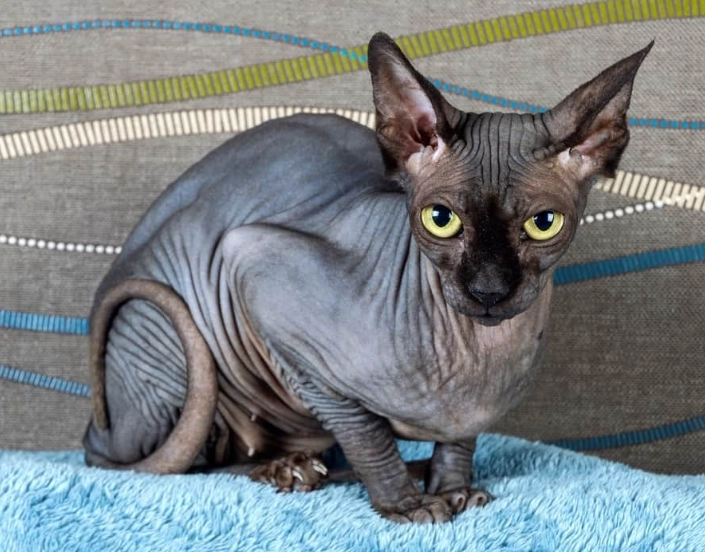
Health Stuff You Can't Ignore
All purebred cats can have breed-specific concerns, and hairless breeds are no exception. Reputable breeders screen for these, so always, always ask for health clearances.
Hypertrophic Cardiomyopathy (HCM): This is a form of heart disease that is, unfortunately, prevalent in the Sphynx breed. Any responsible breeder will have their breeding cats regularly screened by a cardiologist. You should get your cat checked annually too. It's a serious thing, and not something to gloss over when choosing a black hairless kitten.
Skin Conditions: They can be prone to yeast infections, sunburn (less so for black ones, but still possible), and feline acne. Regular cleaning is your best defense. The Cornell Feline Health Center has great general resources on feline skin health that apply here.
Dental Issues: Some Sphynx cats seem prone to gum issues. Regular teeth brushing (yes, another grooming task) and veterinary dental check-ups are important.
It sounds like a lot. It is. But knowing this upfront is what separates a prepared, happy owner from a overwhelmed one. Organizations like The Cat Fanciers' Association (CFA) provide breed standards and can help connect you with reputable breeders who prioritize health.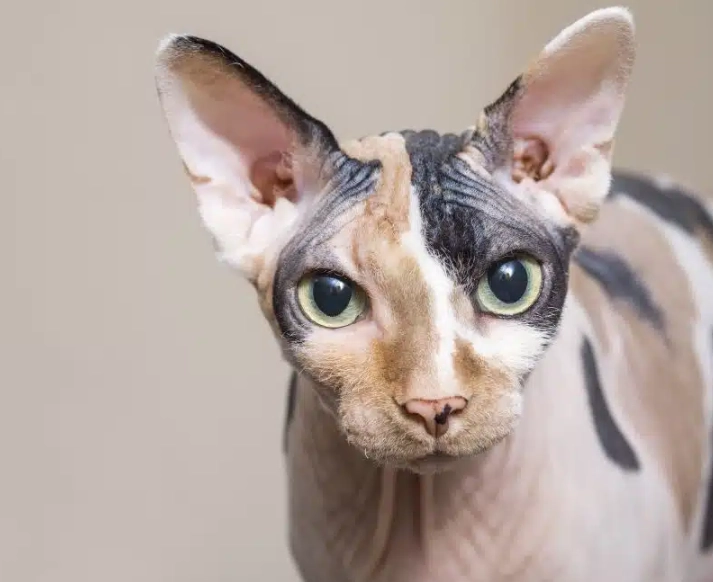
Personality: The Part That Steals Your Heart
If the care section scared you, this might bring you back. The personality of a hairless cat is legendary. They are often described as part cat, part dog, part monkey, and part toddler.
They are extremely social and people-oriented. They don't do well being left alone for long hours. They will follow you from room to room, "help" you work, and insist on being involved in everything. That black hairless cat you bring home won't be an aloof observer; it will be the star of your household.
They are clever, curious, and often mischievous. They can learn tricks, play fetch, and figure out how to open cabinets. You need to provide plenty of interactive toys and puzzle feeders to keep their busy minds occupied. A bored Sphynx is a destructive Sphynx.
And the warmth thing?
It's not just physical. They seek body heat constantly. Be prepared to have a cat under the covers with you every night, or curled tightly against your neck. That warm, suede-like skin is surprisingly comforting. It's a level of physical closeness most cat owners don't experience.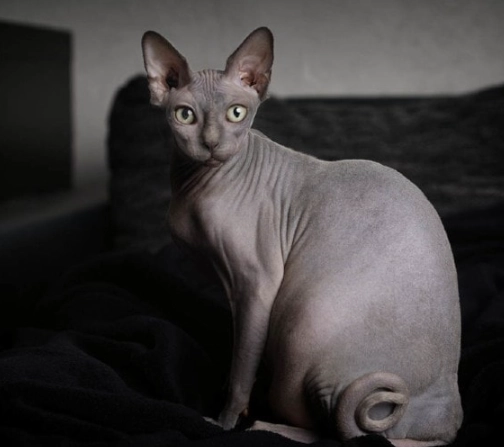
Straight Answers to Your Questions (FAQ)
Let's tackle the stuff you're actually typing into Google.
This is the biggest misconception. No, they are not. Most cat allergies are to a protein called Fel d 1, which is found in saliva and skin oils, not just fur. Since Sphynx cats groom themselves and have skin oils, they still produce allergens. Some allergic people react less severely to them, but it's not guaranteed. Never get one assuming you won't react.
From a reputable breeder who does health testing, expect $1,500 to $3,500 or more. The specific color usually doesn't drastically change the price. The high cost reflects the breeding care, health screenings, and early socialization. Please avoid "cheap" Sphynx kittens online—they often come from mills with heartbreaking health and behavioral problems.
Absolutely. They need a warm home (above 70°F/21°C is ideal), soft blankets, and sweaters for going outside or in drafty houses. They are indoor-only cats.
They are different breeds with different genetic mutations causing the hairlessness. The Sphynx is the most common in North America. Their care and temperament are similar, but breed standards vary. The The International Cat Association (TICA) has detailed breed profiles for each.
This is an ethical question some people have. From a health perspective, a well-bred and well-cared-for hairless cat is not suffering. They are not in pain. They are healthy, active, and thriving animals. The "cruelty" comes from irresponsible owners who don't provide the necessary care, warmth, and protection. The breed exists; giving one a loving, informed home is not cruel.
Making the Decision: Is a Black Hairless Cat Right for You?
Let's be brutally honest. A hairless cat black or of any color is not a pet for everyone.
You might be a good fit if: You want a velcro-pet that is incredibly affectionate. You are home often or have other pets for companionship. You don't mind (and even enjoy) a detailed grooming routine. You can afford both the initial cost and potential vet bills for a purebred animal. You're prepared for a 15+ year commitment to a special-needs animal.
You should probably reconsider if: You want a low-maintenance, independent cat. You have severe cat allergies and are banking on a "hypoallergenic" solution. You are gone for long hours regularly. The thought of weekly baths and ear cleanings makes you groan. You're on a tight budget.
Choosing any pet is a big deal. Choosing one as particular as a black hairless cat is huge. It's okay to decide it's not for you. But if you read all this, felt a spark of excitement mixed with "I can handle that," then you might just be ready for one of the most rewarding and unique relationships you'll ever have with an animal.
They're not just a novelty. They're companions with huge personalities wrapped in a very unusual, and yes, beautiful package. That sleek black hairless cat isn't just a pet; it's a conversation starter, a cuddle bug, and a testament to the amazing diversity of the feline world.