快速导览
You know the type. That fluffy, marmalade-colored cat sunbathing in a viral meme, or the affectionate ginger tabby rubbing against your leg at a friend's house. There's something about an orange cat that just sticks with you. Maybe it's their color, a vibrant splash of sunset in a world of greys and blacks. Or maybe it's the reputation that precedes them – the talkative, friendly, sometimes clownish personality that seems to be a ginger cat trademark. But how much of that is true? And what's really going on beneath that striking orange coat?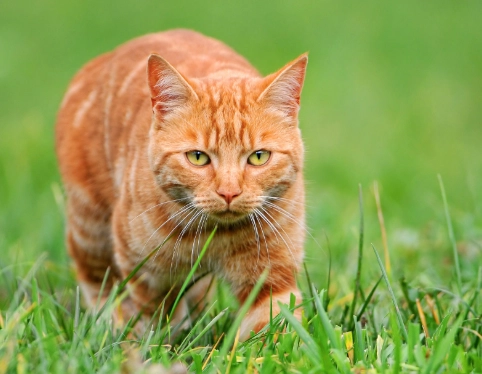
I've lived with cats my whole life, but my first real deep dive into the world of feline genetics started with Max, a big, loud-mouthed orange tabby who adopted me one rainy autumn. He was a character, to say the least. More dog than cat in his loyalty, endlessly chatty, and with an appetite that was frankly legendary (and a bit worrying). He got me wondering: are all orange cats like this? Is there science behind the stereotype, or is it just a cute story we tell?
This guide isn't just a list of fun facts. It's a deep dive into everything that makes an orange cat an orange cat. We're talking genetics (why are most of them boys?), digging into the real research on personality, tackling the health stuff nobody likes to talk about but every owner needs to know, and figuring out how to care for that particular brand of ginger magic. Whether you're thinking of welcoming an orange ball of fur into your home, or you're just curious about the cat taking over your social media feed, let's get into it.
What Makes a Cat Orange? It's All in the Genes
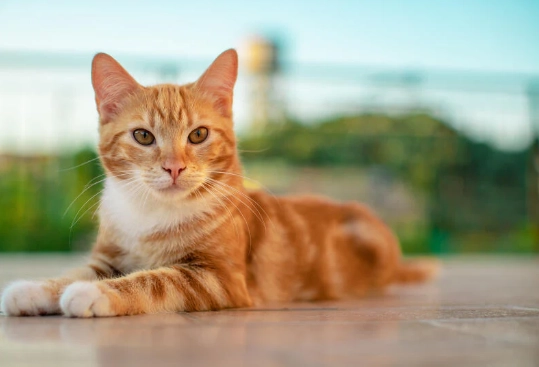
First thing's first: "orange cat" isn't a breed. It's a coat color. You can find this gorgeous ginger hue in many breeds, from the common Domestic Shorthair to fancy Persians and Maine Coons. The technical term for the color is "red" in the cat fancy world, but let's be real, we all call it orange, ginger, or marmalade.
The color comes from a pigment called pheomelanin (the same one that gives red hair to humans). The gene responsible for turning this pigment "on" is located on the X chromosome. This is where it gets interesting, and where the biggest quirk of orange cats comes from.
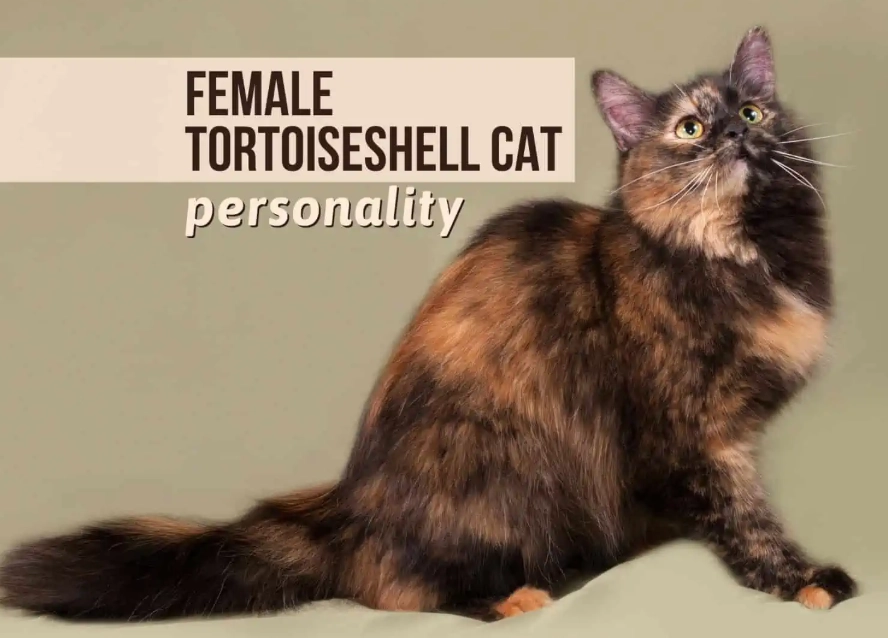
Quick Genetics Lesson: Female cats have two X chromosomes (XX). Males have one X and one Y (XY). For a female cat to be fully orange, she needs the orange gene on both of her X chromosomes. If she has the orange gene on only one, she becomes a tortoiseshell or calico – a beautiful patchwork of orange and another color. A male only has one X chromosome, so if he has the orange gene on that single X, he's orange. Simple as that.
This is why roughly 80% of orange cats are male. It's just statistically harder for a female to get that gene on both chromosomes. So, if you meet a female orange cat, she's a bit of a genetic rarity! I've only met a handful in my life, and each one had that same bold ginger attitude.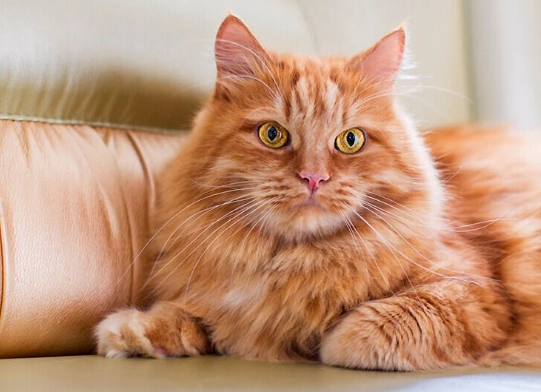
But here's a twist that blew my mind. Not all orange cats are tabbies... but almost all are. The tabby pattern (those classic stripes, swirls, or spots) is actually the default wild-type pattern for cats. The solid orange color is controlled by a separate gene that can suppress the tabby pattern, but this gene is very rare. The International Cat Association (TICA), one of the major cat registries, has loads of breed standards that break this down. In practice, when we say "orange cat," we're almost always talking about an "orange tabby cat." The four main tabby patterns are:
- Mackerel: The tiger-stripe look. Vertical, narrow stripes running down the sides. This is the most common pattern.
- Classic (or Blotched): Beautiful, swirling patterns that look like marble cake. Thicker and more circular than mackerel stripes.
- Spotted: As it sounds – spots instead of stripes. Think of a mini leopard.
- Ticked: This one's subtle. Each hair has alternating bands of color, giving a sandy, speckled appearance without clear stripes. Abyssinian cats are a perfect example.
Max was a classic tabby. He had that gorgeous bullseye pattern on his sides, and the distinctive "M" marking on his forehead – a hallmark of all tabbies, which some legends say stands for "Mau," the ancient Egyptian word for cat.
The Orange Cat Personality: Myth, Meme, or Reality?
This is the million-dollar question. Are orange cats really friendlier, goofier, and more vocal? Or is it confirmation bias because we expect them to be?
Let's get one thing straight: there is no definitive scientific study that conclusively proves coat color directly dictates personality in a strict, predictable way. A cat's personality is a complex soup of genetics (breed and individual lineage), early socialization, life experiences, and yes, maybe a little bit of that mysterious X-chromosome magic.
From my own experience running a small cat rescue and talking to hundreds of owners, the anecdotal evidence for the "orange cat personality" is overwhelming. It's not that every single ginger cat is identical, but there's a strong trend that's hard to ignore. Vets and behaviorists I've spoken to often nod in agreement when it comes up – they see the pattern too.
So, while science hasn't given us a final stamp of approval, the collective experience of cat people points to some common traits often associated with orange tabby cats:
| Trait | What People Report | My Take / Caveat |
|---|---|---|
| Outgoing & Social | Often described as "dogs in cat suits." They tend to be confident, approach strangers more readily, and demand attention. | This seems to be the strongest consensus. Shy orange cats exist, but they're less common. This boldness might be linked to that male-dominated population, as male cats can be more roaming and social. |
| Vocal & Chatty | Lots of meows, trills, and chirps. They "talk" to their humans about everything. | Max had an opinion on everything – from breakfast being late to the quality of the sunshine on the rug. It was endearing, but at 5 AM, less so. |
| Food-Obsessed | A notorious reputation for being perpetually hungry, clever about getting food, and prone to overeating. | This one has real health implications. You HAVE to be the responsible one with portion control. Their enthusiasm is cute until it leads to obesity. |
| Playful & Goofy | Often retain a kitten-like playfulness into adulthood. Prone to silly, clumsy moments that fuel internet fame. | This "clown" factor is real. They seem less concerned with always appearing graceful and more with having fun. |
| Affectionate & Cuddly | Many are lap cats who enjoy physical contact and will follow their favorite person from room to room. | The loyalty is touching. But this can tip into neediness or separation anxiety if not managed. They often bond very strongly with one person. |
Look, I had a grumpy grey cat who hated everyone but me, and she was the sweetest thing in private. So color isn't destiny. But if you're hoping for a social, interactive companion and you see an orange cat at the shelter, your odds might be pretty good.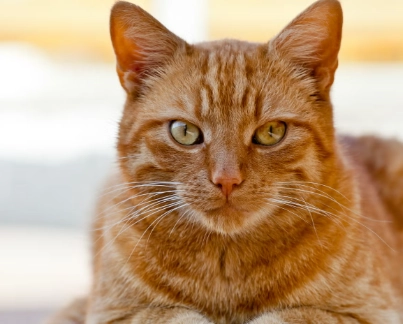
Health Considerations: What Orange Cat Owners Should Watch For
Okay, let's talk about the less fun but super important stuff. Are there specific orange cat health problems linked to their genetics? The short answer is: not directly to the orange color gene itself. However, the demographics of the orange cat population (mostly male) and some observed trends mean there are things to be extra vigilant about.
The #1 Health Threat: Obesity. This isn't a joke. That food motivation we just talked about is the biggest health risk for these cats. An overweight cat is at high risk for diabetes, arthritis, urinary tract diseases, and a shorter lifespan. Managing weight isn't optional; it's critical care.
Weight Management is Non-Negotiable
You have to be the boss of the food bowl. Free-feeding (leaving dry food out all day) is a recipe for disaster with many orange cats. Here’s what works better:
- Scheduled Meals: Two or three measured meals per day. Use a kitchen scale for accuracy – cup measures can be way off.
- High-Protein, Low-Carb Diet: Cats are obligate carnivores. Wet food is often better for weight control than dry kibble because it's lower in carbohydrates and higher in moisture. Talk to your vet about the best plan.
- Puzzle Feeders & Slow Bowls: These are genius. They turn mealtime into a brain game, slowing down a gobbler and providing mental stimulation. My current ginger, Leo, has to work for every kibble, and it's made a huge difference.
- Regular Weigh-Ins: A simple baby scale at home can help you catch weight creep early, before it becomes a 5-pound problem.
Other Health Checkpoints
Because most are male, they share the general health predispositions of male cats:
- Urinary Issues: Male cats have a narrower urethra, making them more prone to blockages, especially if they are overweight, eat dry food, and don't drink enough. Watch for frequent trips to the litter box, straining, or crying. This is an emergency if the cat is blocked.
- Dental Disease: Not color-specific, but a universal cat problem. Start tooth brushing early if you can. Dental treats and water additives can help, but nothing beats brushing.
- Heart Conditions: Some purebreds prone to orange coloring (like Maine Coons) can have genetic heart conditions. For moggies, regular vet checkups that include listening to the heart are key.
The best resource for any cat health concern is always your veterinarian. The American Veterinary Medical Association (AVMA) website is a great place to find trustworthy, general pet care information and locate a vet in your area.
Caring for Your Orange Feline Friend
Beyond managing their waistline, caring for an orange cat is like caring for any cat – with a few emphases based on their typical personality.
Mental and Physical Stimulation is Key
A bored orange cat is often a mischievous orange cat. That smart, playful brain needs an outlet.
Playtime Ideas: Don't just wave a wand toy for two minutes. Have dedicated 10-15 minute play sessions that mimic the hunt (let them "catch" the toy sometimes). Rotate toys to keep things fresh. Cat trees and window perches are not luxuries; they are necessities for vertical territory and entertainment.
Consider clicker training! Seriously. Orange cats are often smart and food-motivated, which makes them excellent candidates for learning tricks like sit, high-five, or coming when called. It's incredible bonding and mental exercise.
Grooming Needs
This depends entirely on fur length. Short-haired orange tabbies are generally low-maintenance; a weekly brush helps reduce shedding and hairballs. Long-haired ginggers (like orange Persians or Maine Coons) require daily brushing to prevent painful mats. That beautiful fur doesn't maintain itself.
Socialization and Routine
Their social nature means they often do better with companionship – either human or feline. If you're gone long hours, consider adopting a pair. Introducing a second cat must be done slowly and carefully, of course.
They thrive on routine. Try to keep feeding, play, and cuddle times somewhat predictable. It makes them feel secure.
Frequently Asked Questions About Orange Cats
Are all orange cats male?
No, but most are. As we covered in the genetics section, about 80% are male. Female orange cats are less common but not extraordinarily rare. If you find one, she's likely to have that classic ginger spunk too.
Why is my orange cat so mean/aggressive?
First, rule out pain with a vet visit. Sudden aggression is often a cry for help. If health is clear, consider environment. Is the cat bored? Stressed? Feeling threatened? Orange cats are often high-energy and high-need for interaction. "Mean" behavior can be frustration or under-stimulation. It can also just be individual personality – not every cat fits the sunny stereotype. I fostered one once who was a total grump until he learned to trust; then he was a mush, but only on his terms.
Do orange cats have more health problems?
Not because of the color orange itself. However, the strong tendency toward overeating and obesity in many orange cats leads to more obesity-related health problems (diabetes, arthritis, etc.). This is the main link. Proactive weight management is your best defense.
Are orange tabby cats more affectionate?
The anecdotal pile is mountain-high that they tend to be more overtly social and demonstrative with their affection. They are often "in your face" cats who want to be involved. But "affectionate" can look different. Some follow you, some talk, some are lap-lovers. It's about finding a cat whose style matches yours.
What's the lifespan of an orange cat?
There's no difference based on coat color. The average lifespan of an indoor cat is 12-15 years, often into the 20s with excellent care. The factors that matter are indoor/outdoor status (please keep them indoors!), genetics, diet, preventive vet care, and managing weight. An obese orange cat will likely have a shorter, less healthy life than a slim one.
The Bottom Line on Ginger Cats
So, what's the final verdict on orange cats? They're not a magical, uniform personality type guaranteed by a gene. But they are, often, a collection of wonderful, challenging, and hilarious traits wrapped up in a stunning coat. They tend to be bold, vocal, food-focused companions who wear their hearts (and their demands) on their furry sleeves.
Owning one, in my experience, means committing to being an active participant in their life. They're not always the aloof, independent cat of stereotype. They want to be with you, talk to you, play with you, and yes, convince you that they are starving every hour of the day. The responsibility to manage their diet and provide ample stimulation is real.
If you're looking for a cat that will be a visible, engaging part of your daily routine, an orange cat from a shelter or rescue might just be your perfect match. Just go in with your eyes open to both the incredible cuddles and the need for firm food rules. That vibrant orange cat personality is a gift, but it's one that comes with a requirement for thoughtful, proactive care.
Maybe that's the real secret. Their color makes them impossible to ignore, and their personality ensures you never want to.