Quick Navigation
Let's cut to the chase. You saw a picture or a video of a Savannah cat, right? That stunning, leggy, spotted feline that looks like a miniature leopard with the personality of a dog. It's breathtaking. And now you're wondering, "Can I actually own one?" The question, "Is a Savannah cat legal in the US?" is the first and most crucial hurdle. I wish I could give you a simple yes or no, but the truth is, it's a tangled mess of state laws, city ordinances, and confusing terminology that varies from one town to the next.
I remember talking to a breeder years ago who was heartbroken. A family had flown across the country to pick up their kitten, only to have their local animal control seize it the week they got home because they never checked their city's specific exotic pet code. The family was devastated, the cat was traumatized, and it was a legal nightmare. That story stuck with me. It's why answering "Is a Savannah cat legal in the US?" requires more than a quick Google search. It requires digging.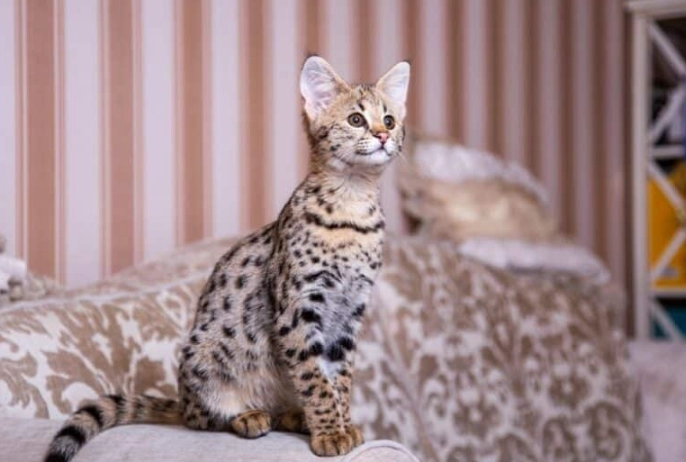
Why the Law is So Confusing: It's All About the "F" Number
Before we even look at a map, you need to understand the language. Every discussion about Savannah cat legality revolves around their filial generation. This isn't just breeder jargon; it's the legal linchpin.
- F1 Savannah: First generation. One parent is a serval, one is a domestic cat. This cat is 50% serval. They are large, wild in appearance and often in behavior. They are almost always regulated.
- F2 Savannah: Second generation. The parent is an F1 Savannah, the other is a domestic cat. About 25% serval.
- F3 Savannah: Third generation. About 12.5% serval.
- F4 Savannah: Fourth generation. About 6.25% serval. This is a critical generation because many state laws draw the line here.
- F5 and Beyond: Considered domestic by most breeders and many (but not all) laws. They are several generations removed from the wild ancestor.
So, when you ask, "Is a Savannah cat legal in the US?", you must also ask, "...and what generation?" An F5 might be perfectly fine in a state where an F1 is outright banned. This distinction is everything.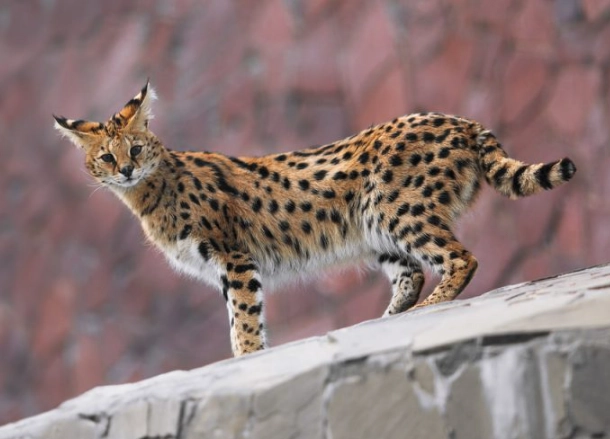
US State-by-State Savannah Cat Legality Breakdown
Here is a detailed look at state laws. This table is a general guide, but you must verify with your state's Department of Natural Resources (DNR) or Fish and Wildlife agency, and your local city/county clerk. Laws change, and local rules can be stricter.
| State | General Legal Status for Savannahs | Key Restrictions & Notes | Governing Authority Link |
|---|---|---|---|
| New York | Banned (NYC) Restricted (State) | NYC bans all hybrids. New York State allows F5 and later generations only. F1-F4 are prohibited. A classic example of state vs. city law conflict. | NY DEC |
| California | Restricted | All generations are subject to permits and restrictions under the California Department of Fish and Wildlife. Ownership is extremely difficult for the average person; effectively banned for most. They are considered a restricted species. | CDFW |
| Hawaii | Banned | Strictest laws in the US. All hybrid cats are completely banned to protect native ecosystems. No permits, no exceptions. | HI DLNR |
| Georgia | Restricted | Requires a permit from the Georgia DNR for any wildlife hybrid, which includes Savannahs. Permit requirements are stringent. | GA DNR |
| Massachusetts | Banned | Prohibits ownership of first-generation crosses (F1). The law is complex on later generations, but enforcement is generally strict. Not a safe state for ownership. | Mass.gov |
| Colorado | Restricted | F1-F4 Savannah cats are considered "prohibited" and require a special license that is nearly impossible for a pet owner to get. F5 and later may be okay, but check local Denver-area laws. | CO Parks & Wildlife |
| Texas | Generally Legal | No state-wide restrictions on Savannah cats of any generation. However, this is the big one: individual cities (like Dallas) have their own bans. You must check your city code. | TX Parks & Wildlife |
| Florida | Restricted | Classifies F1-F3 Savannahs as "Conditional" species, requiring a permit. F4 and later are considered domestic and are legal without a permit. A good example of a generation-based law. | FL Fish & Wildlife |
| Ohio | Generally Legal | Removed hybrids from its dangerous wild animal list. No state restrictions, but, as always, check county and city laws. | OH DNR |
| Washington | Restricted | Requires a permit for any "wild animal hybrid," which includes Savannahs. The permit process is not designed for pet owners. | WA Dept. of Fish & Wildlife |
| Nevada | Generally Legal | Clark County (Las Vegas) has specific bans, but much of the state has no restrictions. Verify with local authorities. | NV Dept. of Wildlife |
See what I mean? It's a patchwork. A state like Texas says "yes," but your city might say "absolutely not." This is why asking "Is a Savannah cat legal in the US?" is just the starting point. The real question is, "Is a Savannah cat legal in my specific town, for the specific generation I want?"
The Critical Step Everyone Misses: Local Ordinances
Your city or county code is often the final word. I can't stress this enough. Even if your state is green on the map, your local government might have a blanket ban on "wild animal hybrids" or "exotic cats." How do you check?
- Google "[Your City Name] municipal code" or "[Your County Name] county code."
- Search the code for keywords: "exotic animal," "wild animal," "hybrid," "prohibited pets," "dangerous animals."
- Call your local animal control office. Be specific: "I am researching the laws regarding owning a Savannah cat, which is a domestic cat hybrid. Can you direct me to the relevant section of our code or tell me if there are any restrictions?" Get the answer in writing if you can.
Beyond Legality: The Realities of Owning a Savannah Cat
Let's say you've done your homework and a Savannah cat is legal in your US location. The legal green light is just the first test. The next one is whether you're prepared for the reality. This isn't a lazy lap cat.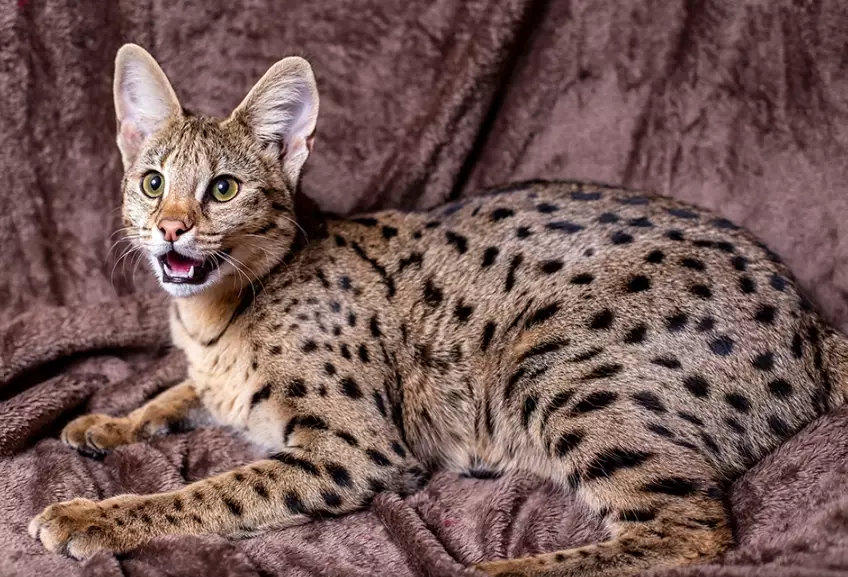
Behavior and Care Challenges
These cats are intelligent, energetic, and demanding. They get bored easily. A bored Savannah is a destructive Savannah. They need:
- Massive amounts of interactive play: Think fetch, puzzle toys, leash walking, not just a feather on a string for five minutes.
- Vertical space: They are incredible jumpers. Cat trees to the ceiling are a must.
- Mental stimulation: Training (they can learn tricks), food puzzles, and environmental enrichment are daily necessities.
- Potential for unusual behaviors: Many love water. Some have very specific vocalizations. They can be fiercely loyal and often bond deeply with one person.
I've spoken to owners who compare it to having a permanent, highly intelligent toddler with retractable claws. It's rewarding, but it's not for everyone.
Veterinary Care and Identification
Not all vets are comfortable or experienced with hybrid cats. You need to find a vet who understands them before you get the cat. Also, due to their value and unique status, permanent identification like a microchip is non-negotiable. Some states may even require it for permitting.
Common Myths and Misconceptions About Savannah Cat Laws
There's a lot of bad info out there. Let's clear some up.
Myth 1: "If it's an F5 or later, it's legal everywhere." False. Places like Hawaii, New York City, and parts of Colorado don't care about the generation; they ban all hybrids. The "F5 is domestic" rule is a breeder and registry standard (The International Cat Association (TICA) accepts SBT (Stud Book Tradition) Savannahs, typically F5+, as a championship breed), not a universal legal standard.
Myth 2: "I can just get a permit if it's restricted." Often false. Many "permits" are for zoos, sanctuaries, educational facilities, or experienced wildlife handlers. They are not designed for private pet ownership. The application may require facility inspections, proof of experience, liability insurance, and detailed containment plans that are unrealistic for a home.
Myth 3: "No one will ever check." This is a terrible gamble. If your cat escapes, bites someone, or a neighbor reports it, you could face fines, have your beloved pet confiscated and euthanized, and even face criminal charges. It's not worth the heartache.
Honestly, the complexity of these laws is frustrating. It makes responsible ownership difficult and drives some people to ignore the rules, which hurts the reputation of the breed and responsible owners.
Frequently Asked Questions (FAQs)
1. Your state's wildlife or natural resources department website (linked in the table above).
2. Your city and county government website for municipal codes.
3. Reputable breeder organizations like the Savannah Cat Breed Section of TICA often have general legal summaries, but they carry disclaimers to check local laws.
Final Checklist Before You Decide
So, you're still interested? Let's make a practical list. Don't just ask, "Is a Savannah cat legal in the US?" Work through this:
- Generation Choice: Decide which generation (F4, F5, etc.) you are realistically prepared to care for. Earlier gens are more challenging.
- State Law: Check your state's Department of Natural Resources/Fish & Wildlife website. Search for "exotic pet," "hybrid," or "prohibited species" lists. Read the actual statute.
- County/City Law: Search your local municipal code. Call animal control for clarification. This is the most important step.
- Homeowners/Renters Insurance: Call your provider. Some policies exclude liability for "exotic" or "dangerous" pets. If your cat causes damage or injury, you could be personally liable.
- Veterinarian: Locate and confirm a vet with hybrid experience.
- Breeder Vetting: Only work with reputable, TICA-registered breeders who are transparent about genetics, provide health guarantees, and openly discuss the challenges. A good breeder will interview you as much as you interview them.
- Lifestyle Audit: Be brutally honest. Do you have the time, energy, space, and budget (they are expensive to buy and care for) for a 15-20 year commitment to a high-octane cat?
Look, Savannah cats are magnificent animals. Their legality in the US is a complicated, frustrating puzzle. But that complexity exists for a reason—to balance the desire for unique pets with public safety and animal welfare. The answer to "Is a Savannah cat legal in the US?" is a journey of research, not a destination. Do the work. Verify everything twice. The well-being of the cat and your own peace of mind depend on it. If your location says no, respect that. If it says yes, and you're prepared for the immense responsibility, then you might just be on your way to a truly extraordinary companionship.
It's a big decision. Take your time.