Your Cost Navigation
So you're thinking about bringing home one of those gorgeous, fluffy Himalayan cats, right? I totally get it. With their stunning blue eyes and that luxurious, silky coat, they look like living teddy bears. But then the practical side of your brain kicks in and asks the big question: how much does a Himalayan cat cost? It's not just a simple number you find on a price tag. The answer is more like peeling an onion – there are layers to it.
I remember when I was first looking into getting a cat, I was shocked. The initial price was just the tip of the iceberg. You've got to think about where you get them from, their age, their color, and oh boy, the ongoing costs. It adds up. Let's break it all down, from the initial purchase to the lifetime of care, so you know exactly what you're getting into financially. No surprises.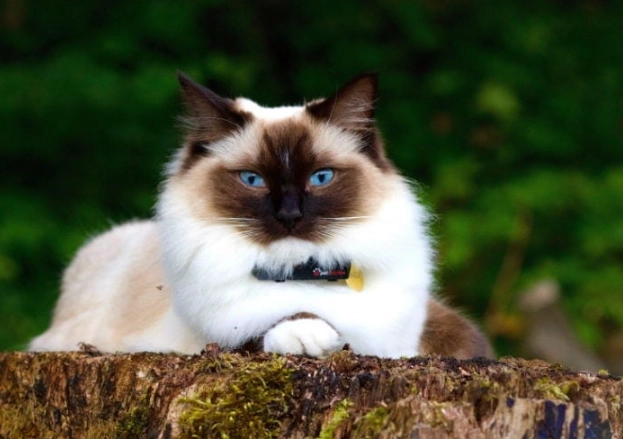
The Upfront Cost: What You Pay to Bring Them Home
This is the part most people search for. You type "Himalayan cat price" into Google and hope for a straight answer. The truth is, the range is huge. It's like asking how much a car costs – are we talking a used sedan or a brand-new luxury model?
The single biggest factor is where you get your Himalayan from. This decision impacts not just your wallet, but the health and temperament of your future pet. Let's compare the main sources.
| Source | Typical Price Range | What You're Really Paying For | Biggest Risk |
|---|---|---|---|
| Reputable Breeder | $1,000 - $2,500+ | Health testing (for PKD, heart issues), genetic screening, proper socialization, TICA/CFA registration, early veterinary care, breeder support. | High upfront cost. Finding a truly ethical one takes research. |
| Pet Store | $800 - $1,500 | Convenience. Often sourced from large-scale breeding facilities (kitten mills). | Very high risk of underlying health and behavioral issues. Unknown genetic history. |
| Rescue/Shelter | $75 - $300 | Adoption fee covers initial vet work (spay/neuter, vaccines, microchip). Giving a cat a second chance. | Purebred Himalayans are rare in shelters. May be an adult with unknown past. |
| Online Classifieds (Craigslist, Facebook) | $200 - $800 | A "cheap" purebred cat. Often from accidental litters or backyard breeders. | Extreme risk. Zero health guarantees. May support irresponsible breeding. |
Looking at that table, the choice for most experts (and for me, after learning the hard way) is clear. A reputable breeder is an investment. That $1,500 to $2,500 isn't just for a cute kitten. You're paying for years of careful breeding to avoid the genetic problems Himalayans are prone to, like Polycystic Kidney Disease (PKD). A good breeder will show you the clear genetic test results from the parents, which is non-negotiable for this breed.
My personal rant on "cheap" breeders: If someone is selling "Himalayan kittens" for $400, ask yourself why. They are almost certainly skipping the expensive health testing, proper vaccinations, and quality food. That "savings" of $1,000 will very likely be spent at the vet within the first two years, with a lot of heartache along the way. It's a false economy.
Why Color and Markings Can Change the Price
It feels a bit superficial, but it's a fact of the purebred cat world. Certain colors and patterns are rarer or more sought-after, which drives up the price. It's all about genetics and show standards.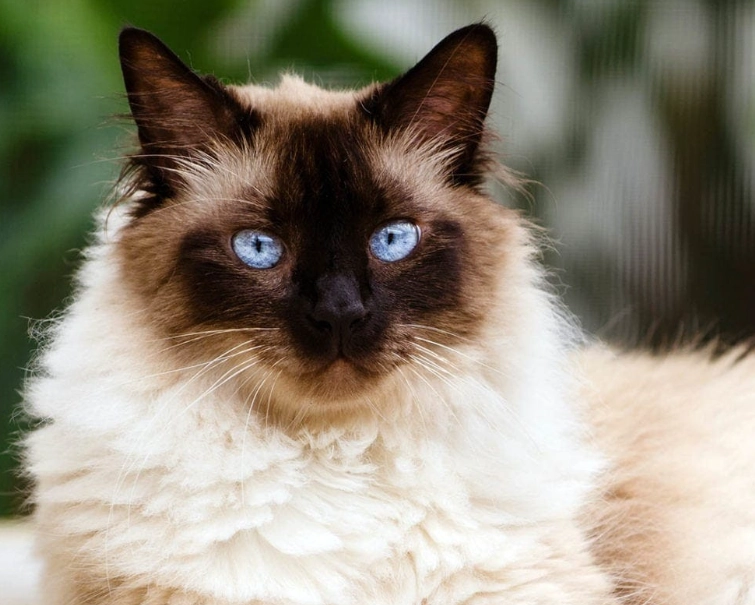
The traditional Himalayan look is the seal point – a creamy body with deep brown, almost black points (ears, face, paws, tail). It's the classic. But you've also got:
- Blue Point: A bluish-white body with slate blue points. Very elegant and often in high demand.
- Chocolate Point: Ivory body with milk-chocolate colored points. Less common than seal.
- Lilac Point: Magnolia-white body with frosty gray-pink points. This is the rarest of the four main colors and usually commands the highest price from breeders.
A breeder might charge a premium for a kitten with "perfect" show-quality markings – symmetrical face masks, deep eye color, and no white spots where there shouldn't be. If you just want a pet, a "pet-quality" kitten from the same litter (maybe with a slightly crooked tail or a minor flaw in its mask) will be significantly cheaper. And honestly, they make just as wonderful companions.
The First Year: Where Your Money Really Goes
Okay, so you've paid the breeder. Now what? This first year is the most expensive, as you're setting everything up. When people wonder how much does a Himalayan cat cost, they rarely factor this in. Let's build a realistic budget.
The Non-Negotiable Startup Shopping List
- Veterinary Costs (Year 1): This is the big one. Initial check-up, remaining booster shots, spay/neuter surgery, microchipping. For a breeder kitten who already has first shots, expect $300-$600. For a shelter cat, most of this is included in the fee.
- High-Quality Food: Himalayans can be picky, and they need good nutrition for that coat. Budget $40-$70 per month for premium wet/dry food. Don't cheap out here; skin and coat issues from poor diet lead to vet bills.
- Litter & Litter Box: A sturdy, large box (they're big cats) and good clumping litter. About $25-$40/month.
- Grooming Supplies: You cannot skip this. A steel comb, a slicker brush, cat-safe shampoo, nail clippers. $50-$100 upfront.
- Essential Gear: Carrier ($50-$100), scratching posts (multiple!), a couple of cozy beds, toys, food/water bowls. $200-$300 easily.
Adding this up, your first-year total, on top of the purchase price, can easily range from $1,200 to $2,000. See what I mean about layers?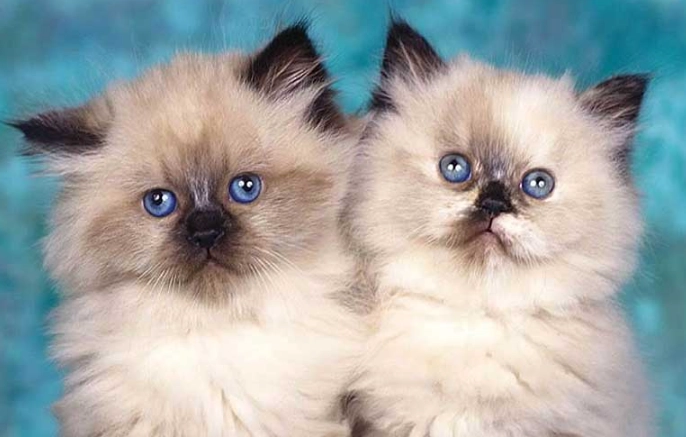
The Grooming Time Bomb (And Cost)
This is the Himalayan's defining feature and its biggest maintenance challenge. That beautiful long hair mats if you look at it wrong. Seriously, it can mat in a day.
You have two choices:
- Daily Home Brushing (10-15 minutes): This is free but requires serious commitment. Miss a few days and you're dealing with knots.
- Professional Grooming: Many owners opt for a professional "lion cut" every 3-4 months, especially in summer. This costs $80-$150 per session. That's another $240-$600 per year.
I tried the daily brushing route. It lasted a year before I surrendered and started scheduling regular groomer visits. The peace of mind is worth every penny.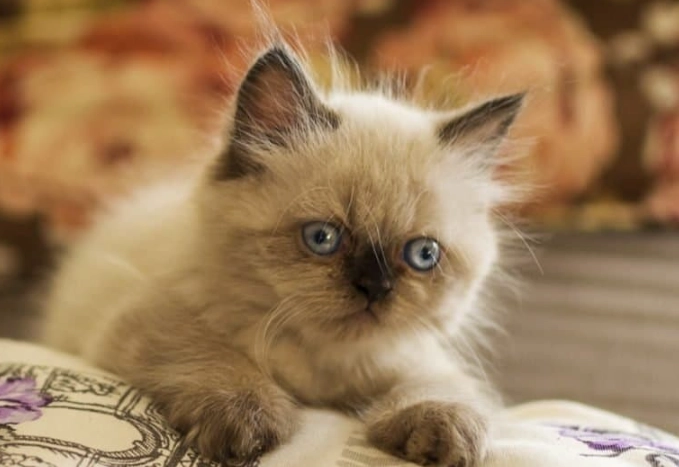
Year Two and Beyond: The Long-Term Financial Picture
Once you're past the first-year setup, costs stabilize, but they don't disappear. This is the ongoing cost of responsible pet ownership.
- Annual Veterinary Care: Check-ups, vaccines, parasite prevention. Plan for $200-$400 per year. This is for a healthy cat.
- Food & Litter: Your consistent monthly drain. Let's call it $70-$110/month, or $840-$1,320/year.
- Grooming: Whether it's your time or your money, factor it in.
- Miscellaneous: Toys, treats, replacing worn-out scratching posts. $100-$200/year.
So, each subsequent year might cost $1,200 to $2,000.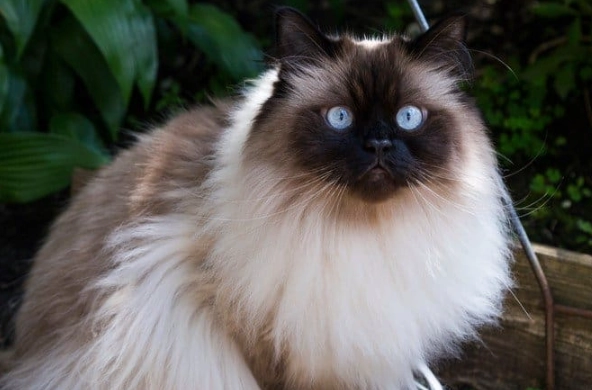
Pro Tip: Start a "cat savings fund" with $20-$50 a month. When the inevitable happens—a urinary tract infection, a dental cleaning ($300-$800), or an emergency—you won't be financially panicked. Pet insurance is another option worth scrutinizing, especially for a purebred.
How to Find a Healthy Kitten Without Getting Scammed
Since the breeder is your biggest initial cost and your biggest risk factor, how do you find a good one? This is where most online guides are vague. Let's get specific.
A legitimate breeder's priority is the health and well-being of their cats, not pumping out litters. Here's your checklist:
- They Ask YOU Questions: A good breeder will interview you relentlessly. They want to know about your home, your lifestyle, your vet history. If they just ask for payment, run.
- They Offer Proof of Health Testing: Not just "the parents are healthy." They should provide documented proof of PKD DNA testing (via a lab like UC Davis or VGL) and screening for other issues. The Cat Fanciers' Association (CFA) breed standard page mentions these health concerns, so a breeder registered with them should be testing.
- You Can Visit the Premises: They should encourage you to see where the cats live (kittens and adults). It should be clean, spacious, and part of the home. Be wary of breeders who only meet in parking lots.
- They Have a Contract: A good contract protects both you and them. It will include a health guarantee (e.g., 1-2 years against genetic disorders), a spay/neuter requirement if sold as a pet, and a clause requiring you to return the cat to them if you can't keep it.
- They Are Knowledgeable & Passionate: They can talk for hours about the breed's history, genetics, and temperament. They're a resource for life.
Finding this person takes time. Start with the breeder directories on the websites of major cat registries like the The International Cat Association (TICA) or the CFA. Expect to be on a waiting list for 6 months to a year. That's a good sign.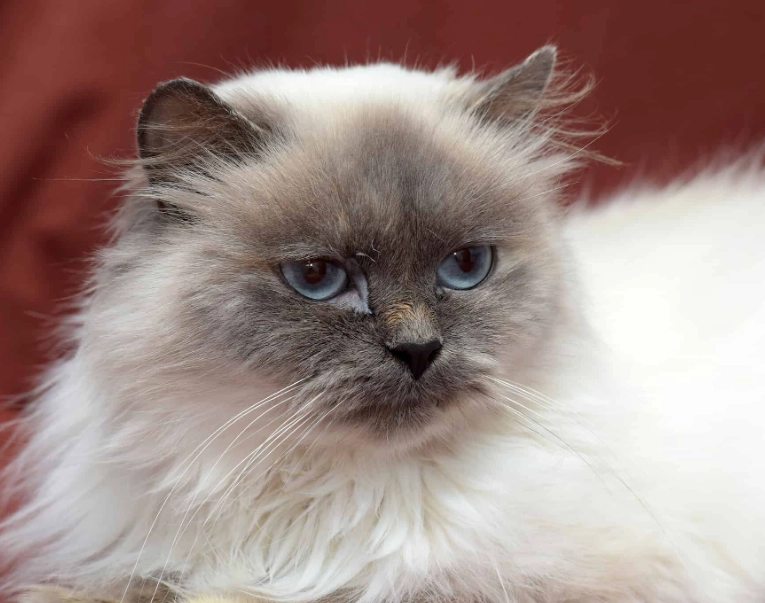
Your Himalayan Cat Cost FAQ
Is a male or female Himalayan more expensive?
Usually, there's no price difference based on sex alone. Price is driven by quality, color, and breeding rights. Sometimes, females might be slightly more if a breeder has many people wanting a female, but it's not a hard rule.
What's the price difference between a kitten and an adult?
Adults are almost always cheaper. A retired breeding queen or stud, or a young adult that didn't develop exactly to show standards, might be placed in a pet home for a significantly reduced fee ($400-$800). This is a fantastic option! You skip the crazy kitten phase, get a calmer, already socialized cat, and still get guidance from the breeder.
Are there any "hidden" costs specific to Himalayans?
Yes, two major ones:
- Eye Cleaning: Their flat (brachycephalic) faces mean tear ducts don't drain well. You'll need to wipe their eyes daily with a soft, damp cloth to prevent staining. It's a minor time cost, but a constant task.
- Dental Issues: Their short faces can lead to crowded teeth, making them more prone to dental disease. Regular check-ups and potentially expensive dental cleanings are more likely.
Can I expect any price discounts?
From an ethical breeder? Almost never on the initial price. They have fixed costs. However, you might save by:
- Choosing a pet-quality kitten over a show-quality one.
- Adopting an older kitten or adult from the breeder.
- Being flexible on color (seal point is often more available than lilac).
Never haggle with a good breeder over price. It's a red flag for them that you may not value the work that went into the kitten.
The Final Tally: Thinking in Total Lifetime Cost
Let's be brutally honest and do some rough, sobering math. This is the answer to how much does a Himalayan cat cost over its entire life.
- Initial Purchase (Reputable Breeder): $1,500
- First Year Setup & Care: $1,800
- Annual Costs (Years 2-15, at $1,500/year): $21,000
- Contingency Fund for Emergencies/Major Health Issues: $2,000
That's a total lifetime estimate of around $26,300 over 15 years. It's a staggering number when you see it like that, isn't it? It breaks down to about $146 per month.
Now, you can certainly spend less. You could adopt, be ultra-diligent with home grooming, and have a cat with no major health issues. You could also spend far more if dental disease or a chronic condition like heart problems arise.
The point isn't to scare you off. It's to make you go in with your eyes wide open. A Himalayan isn't an impulse buy. It's a long-term financial and time commitment to a living creature that will depend on you completely.
If that number makes you gulp, that's okay. It's responsible to reconsider. Maybe a shorter-haired breed or a wonderful shelter cat is a better fit for your current life. There's no shame in that.
But if you've read this far, done the math, and your heart still says "yes," then you're probably ready. The cost, as steep as it can be, is the price of admission for over a decade of purrs, companionship, and the unique joy of sharing your home with one of the most beautiful and sweet-tempered cat breeds in the world. Just make sure you're buying from someone who feels the same way.