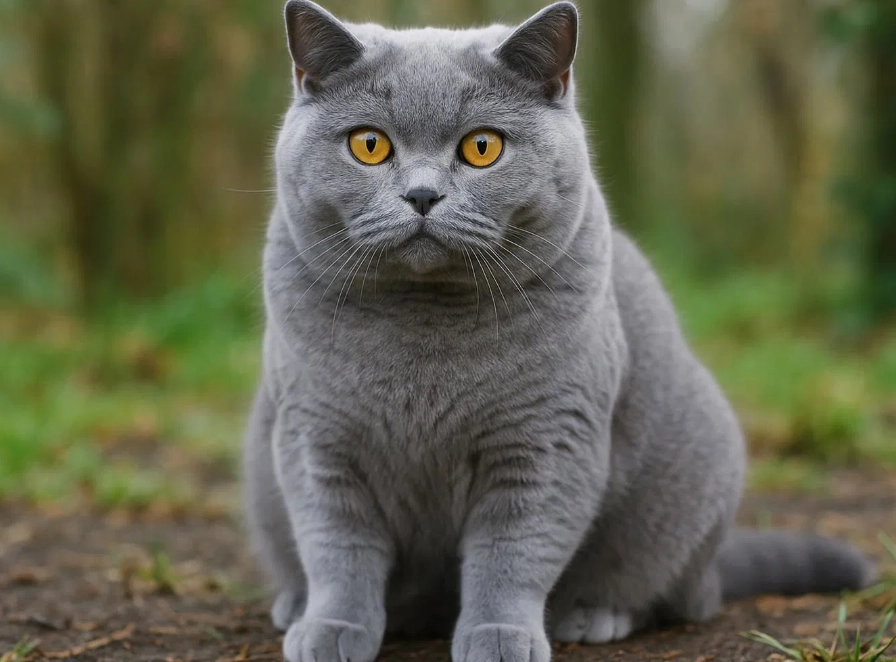
Let's cut to the chase. Yes, a British Shorthair can be a fantastic cat for the right person, but it's not a one-size-fits-all pet. I've owned one for over seven years, and while I adore my plush companion, there are days I question if his stubbornness is worth it. This breed, famous for its round face and dense coat, often tops lists for good family cats, but that's only part of the story.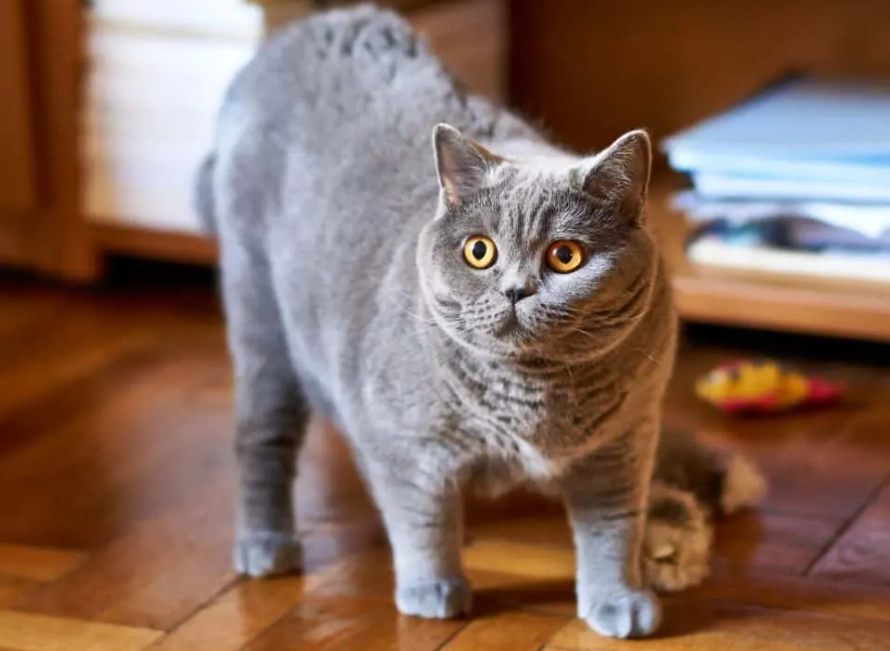
What You'll Find in This Guide
The British Shorthair Temperament: Calm But Stubborn
If you're imagining a cat that lounges like a sofa potato, you're spot on. British Shorthairs are famously laid-back. They don't zoom around at 3 AM or demand constant lap time. My cat, Oliver, spends most afternoons snoozing in a sunbeam, barely stirring when guests arrive.
But here's the catch—their independence borders on aloofness. They're not clingy, which is great for busy households, but they can ignore you when called. I've tried training Oliver to come for treats, and he just stares at me, unmoved. This isn't malice; it's a bred-in trait from their history as working cats in Britain.
How They Interact with Families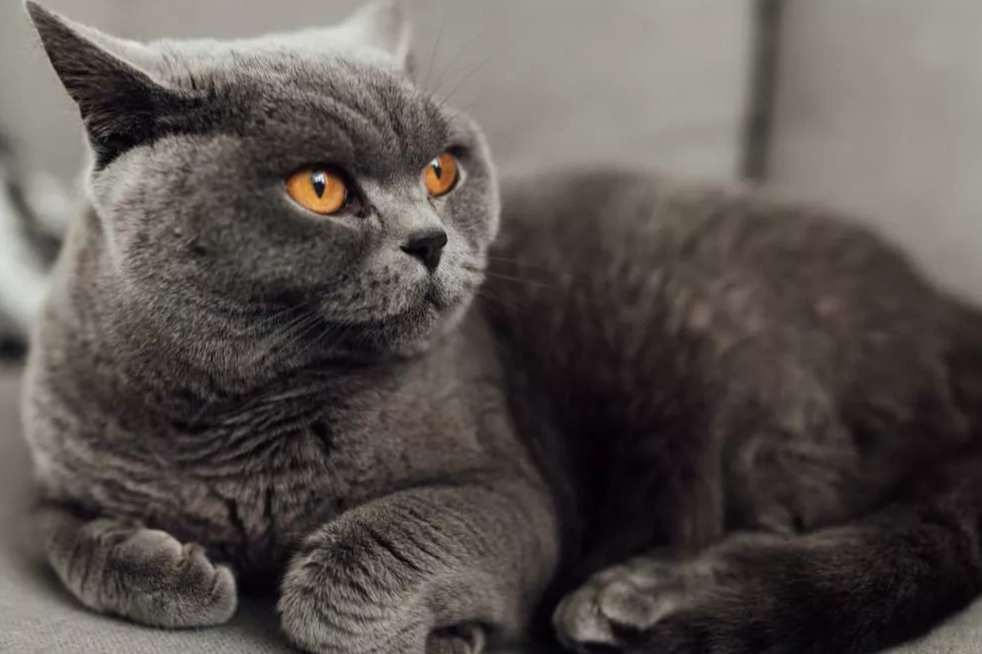
British Shorthairs are generally good with kids and other pets. They tolerate gentle handling, but they won't seek out play with toddlers. I've seen Oliver patiently endure a child's clumsy petting, then walk away when bored. For families, this means less drama but also less interactive fun compared to breeds like Siamese.
With other cats or dogs, they're peaceful but not overly social. Introduce them slowly—Oliver took weeks to accept our new kitten, mostly by ignoring her existence.
Compatibility with Other Pets
They're not fighters. Their calm demeanor makes them suitable for multi-pet homes, but they prefer their own space. If you have a hyper dog, a British Shorthair might hide until things calm down.
Care and Maintenance: Low Effort, High Reward?
Many websites call British Shorthairs low-maintenance. That's mostly true, but it oversimplifies things. Let's break it down.
Grooming Needs
Their short coat is deceiving. It's dense and plush, requiring weekly brushing to prevent mats and reduce shedding. I use a slicker brush every Sunday—skip a week, and Oliver's fur starts tangling. Shedding peaks in spring and fall; expect hair on furniture despite regular grooming.
Bathing? Rarely needed. These cats are fastidious self-cleaners. Nail trimming and ear cleaning should be part of a monthly routine.
Health Considerations
British Shorthairs are robust, but they have genetic predispositions. According to veterinary sources like the International Cat Care, they're prone to hypertrophic cardiomyopathy (a heart condition) and polycystic kidney disease. Regular vet check-ups are non-negotiable. Oliver had a scare with weight gain, which is common due to their sedentary nature. We switched to measured meals and interactive toys to keep him active.
Dental health is another overlooked area. Their compact jaw can lead to tartar buildup. I brush Oliver's teeth twice a week—it's a struggle, but it prevents costly vet visits.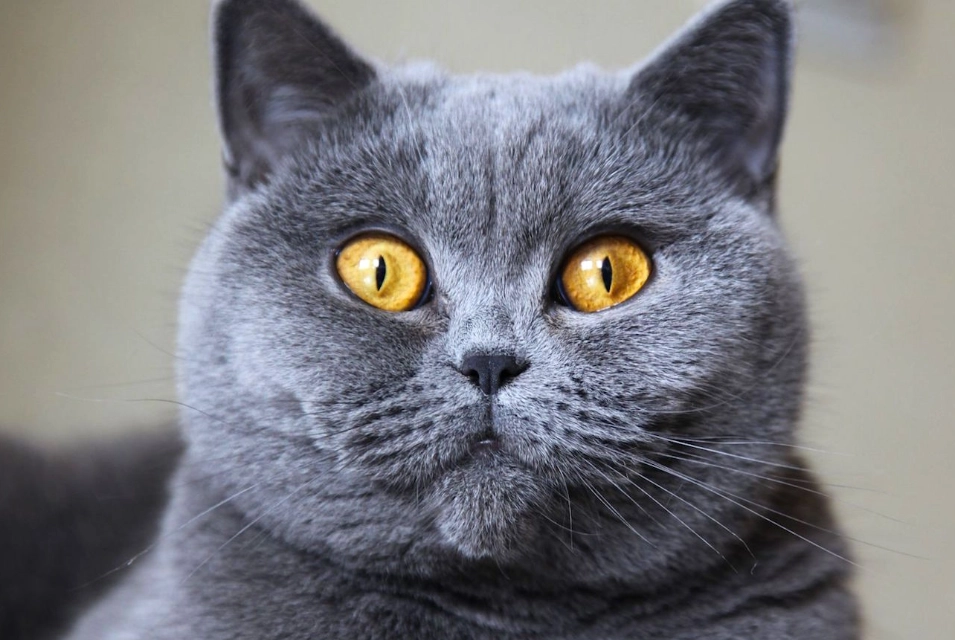
Pros and Cons: A Balanced Look
Let's get practical. Here's a quick comparison based on my experience and breeder insights.
| Pros | Cons |
|---|---|
| Calm and quiet, ideal for apartments | Can be stubborn and independent |
| Low exercise needs—great for busy owners | Prone to obesity if diet isn't controlled |
| Good with children and other pets | Not very affectionate or lap-cat oriented |
| Minimal grooming compared to long-haired breeds | Moderate shedding requires regular brushing |
| Generally healthy with a lifespan of 12-15 years | Genetic health risks need monitoring |
Notice how the pros often come with caveats? That's the reality. For instance, their low exercise needs are a pro for some, but it means you must proactively encourage activity to avoid health issues.
Is a British Shorthair Right for You?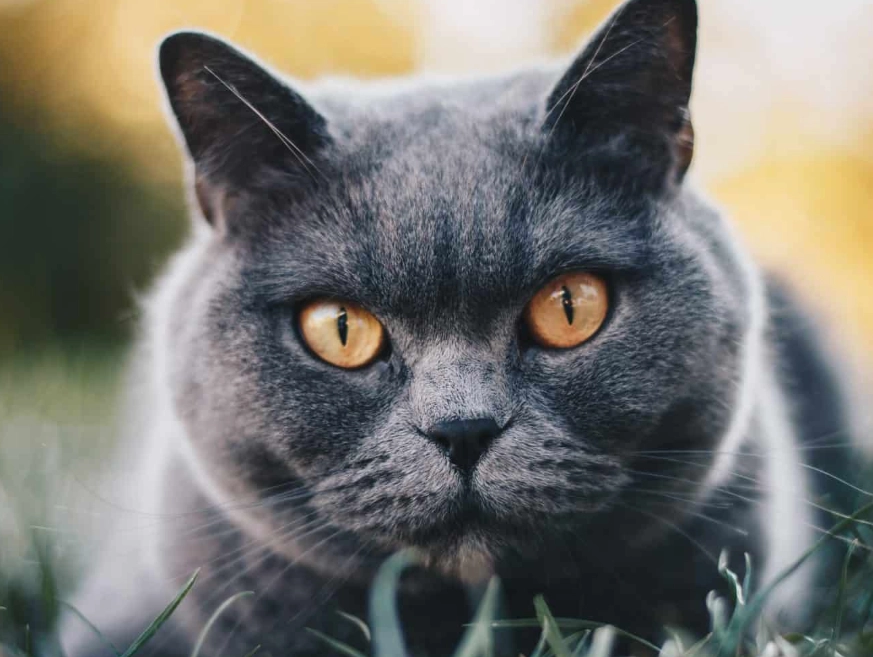
This isn't about good or bad—it's about fit. Ask yourself these questions.
Do you want a cat that's more decoration than companion? British Shorthairs add aesthetic appeal with their round eyes and chunky build, but they won't follow you around like a dog.
Are you a first-time owner? Their easygoing nature helps, but their stubbornness can frustrate beginners who expect responsiveness. I've seen friends give up on training because the cat just sits there.
Consider your lifestyle. If you work long hours, a British Shorthair's independence is a blessing. But if you crave interaction, look at breeds like Ragdolls. Oliver's perfect for my home office setup—he's there, but not demanding attention.
Budget matters too. Initial costs from reputable breeders can range from $800 to $2000. Ongoing expenses include high-quality food (to manage weight), vet bills, and grooming tools. I spend about $50 a month on Oliver, excluding emergencies.
Personal Take: After seven years, I'd recommend a British Shorthair for someone who values peace over playfulness. They're not for everyone, but if you match their vibe, they're loyal in their own quiet way.
Your Questions Answered
 Wrapping up, a British Shorthair can be a wonderful addition to the right home. They're not perfect—no cat is—but their quirks make them endearing. If you value a low-drama, aesthetically pleasing pet, this breed might just be your match. Just go in with eyes open to the shedding and stubbornness.