Quick Guide
Let's be real. When you fall for a Savannah cat, you're not just getting a pet. You're bringing a little piece of the wild into your home—a sleek, spotted dynamo with ears that could pick up satellite signals and legs that go on for days. It's thrilling. But then the practical questions hit. One of the biggest, most heartfelt ones is this: how many years do you get with this incredible creature? What's the real deal with the Savannah cat lifespan?
I remember scrolling through forums late at night when I was first researching the breed, seeing numbers all over the place. Some said 12-15 years, others whispered 17-20, and a few doom-and-gloom posts mentioned health problems cutting lives short. It was confusing. After years of talking to breeders, owners, and vets who specialize in these cats, I've learned the answer isn't a single number. It's a story, and it depends heavily on a few key chapters written by genetics, care, and a bit of luck.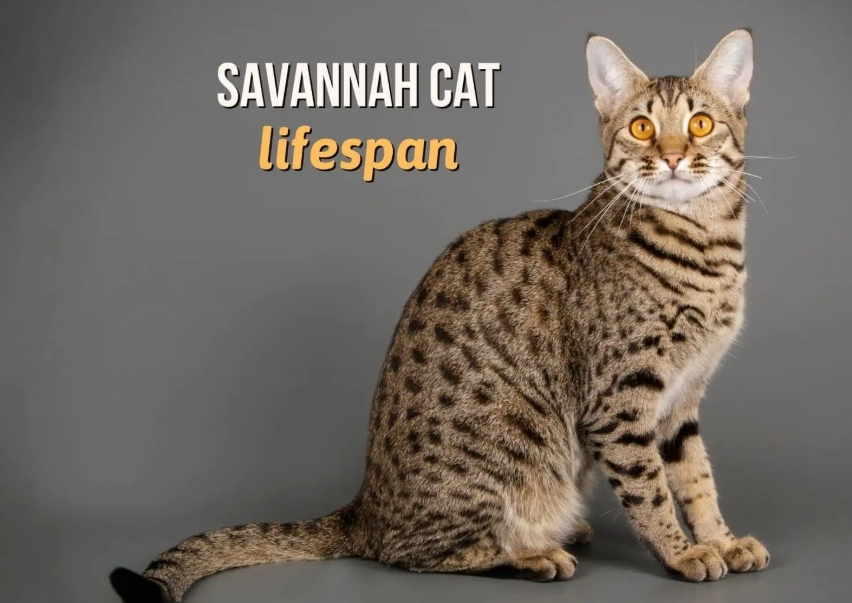
The core of the Savannah cat lifespan conversation hinges on one word: hybrid. They're a cross between a domestic cat and the African Serval. That wild blood brings the awe-inspiring look and energetic personality, but it also complicates the health and longevity picture in ways a typical domestic shorthair doesn't face. So, let's ditch the vague estimates and get into the nitty-gritty of what determines how long your Savannah cat might live, the hurdles you might face, and most importantly, what you can actually do about it.
The Biggest Factor in Savannah Cat Lifespan: It's All About the "F" Number
If you take away one thing from this article, let it be this. You cannot talk about Savannah cat lifespan without immediately talking about their generation. This is the F1, F2, F3, etc., designation. The "F" stands for filial generation, and the number tells you how many generations removed the cat is from its wild Serval ancestor.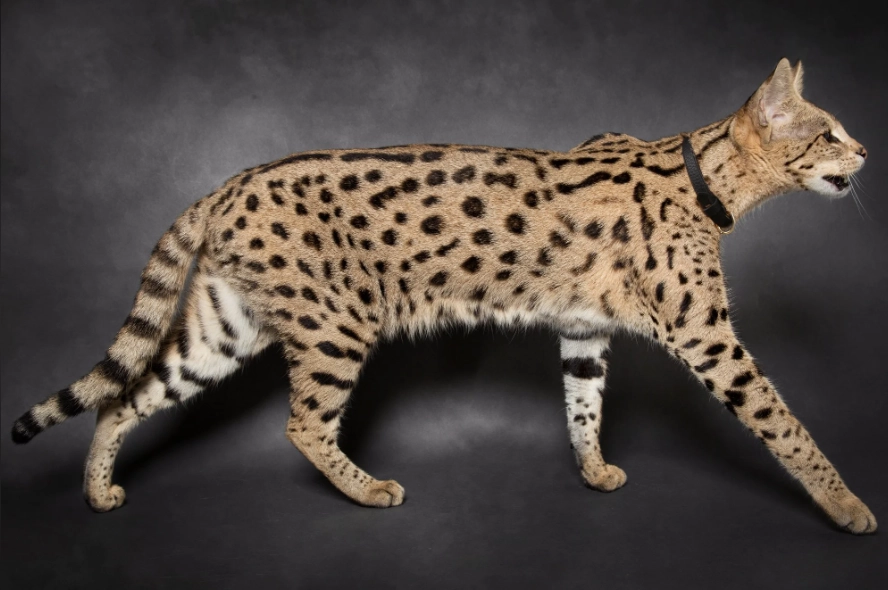
Why does this matter for lifespan? It comes down to genetic diversity and hybrid vigor versus potential hybrid challenges. Early-generation Savannahs (F1, F2, F3) are often larger, more demanding, and their biology is a unique blend of two different species. Later generations (F5, F6, F7 and SBT - Stud Book Tradition) are more genetically consistent with domestic cats.
Here’s the messy truth you won't find in a glossy brochure: The lifespan averages can shift significantly across these generations. Later generations often benefit from what's called hybrid vigor—increased robustness from mixing two distinct gene pools—if they are bred responsibly. But early generations can sometimes face challenges because the Serval and domestic cat have different numbers of chromosomes (Servals have 38, domestics have 36). This mismatch can, in some cases, lead to fertility issues in males (especially F1-F3 males are usually sterile) and may potentially influence other aspects of long-term health, though research is ongoing.
So, let's break it down visually. The following table isn't a guarantee for every single cat—individual care is paramount—but it reflects the general trends and ranges discussed by experienced breeders and owners.
| Generation | Approx. Serval % | Typical Lifespan Range | Key Lifespan Influencers |
|---|---|---|---|
| F1, F2 | ~50% - 25% | 12 - 18+ years | Specialized diet critical, larger size stresses joints, requires immense mental stimulation, potential for unique hybrid health issues. |
| F3, F4 | ~12% - 6% | 14 - 19+ years | Still high-energy, diet remains very important, often a "sweet spot" for owners wanting exotic looks with slightly more predictable domestic health. |
| F5, F6, F7, SBT | ~3% or less | 15 - 20+ years | Health profile very similar to active domestic breeds. Quality of breeding for genetic health becomes the dominant lifespan factor. |
See what I mean? Asking "What is the Savannah cat lifespan?" is like asking how fast a car goes without specifying if it's a sedan or a Formula 1 racer. An F1 Savannah cat lifespan journey will have different checkpoints and potential pit stops than an F7 Savannah cat lifespan.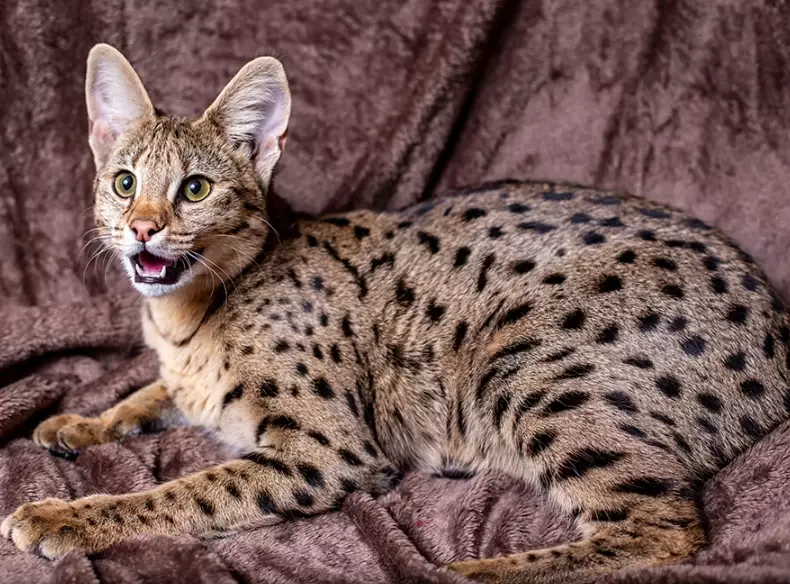
My own cat is an F6. She's pushing 16 now, still sprints after her feather wand like a kitten, and her vet is always impressed with her condition. But I know her breeder was fanatical about health testing. I've also spoken to an owner of a magnificent F2 who lived to a solid 17, but they were on a first-name basis with their vet due to some sensitive digestion issues over the years. Both long lives, but different paths.
Health Issues That Can Shorten the Savannah Cat Lifespan
Okay, so we know generation sets the stage. Now let's talk about the potential actors that can walk on and cause trouble. Being aware of these is half the battle in managing a long Savannah cat lifespan.
First, a crucial point. Savannahs are generally considered a robust and healthy breed. They don't have a long list of pervasive, breed-specific genetic disorders like some purebred dogs or cats. However, their unique constitution and active lifestyle make them prone to, or require vigilance for, certain conditions.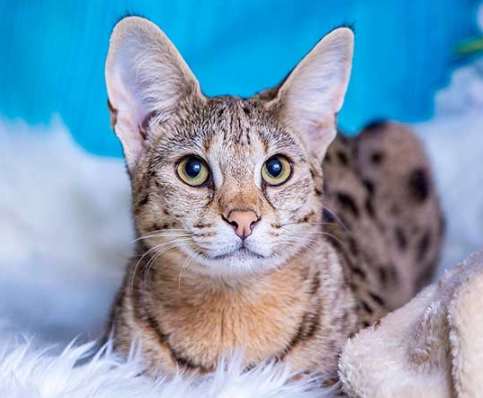
Hypertrophic Cardiomyopathy (HCM)
This is the big one for many cat breeds, and Savannahs are not immune. HCM is a thickening of the heart muscle that can lead to heart failure or sudden death. It's the most common heart disease in cats. Responsible breeders will screen their breeding cats for HCM via annual echocardiograms (heart ultrasounds) performed by a veterinary cardiologist. Reputable organizations like The International Cat Association (TICA) emphasize the importance of such health testing in their breed standards. When you're looking for a kitten, ask to see the HCM clearances for the parents. This is the single most important question you can ask regarding long-term cardiac health and maximizing your Savannah cat's lifespan.
Pyruvate Kinase Deficiency (PKDef)
This is a genetic disorder that causes anemia due to the premature destruction of red blood cells. It's been identified in the breed. A simple DNA test can identify if a cat is clear, a carrier, or affected. Ethical breeders test for this and will not breed two carriers together. It's a non-issue if you get a cat from a breeder who does this basic genetic screening.
Joint and Bone Issues
Savannahs are long-legged and heavy for their frame. They jump from incredible heights routinely. This puts stress on their joints. While not a specific genetic disease like hip dysplasia in dogs, they can be prone to arthritis earlier than a less active cat. I've noticed my girl gets a bit stiff after a major play session now that she's a senior. Keeping them at a lean, healthy weight is absolutely non-negotiable for joint health. Extra pounds on those long levers are a disaster waiting to happen.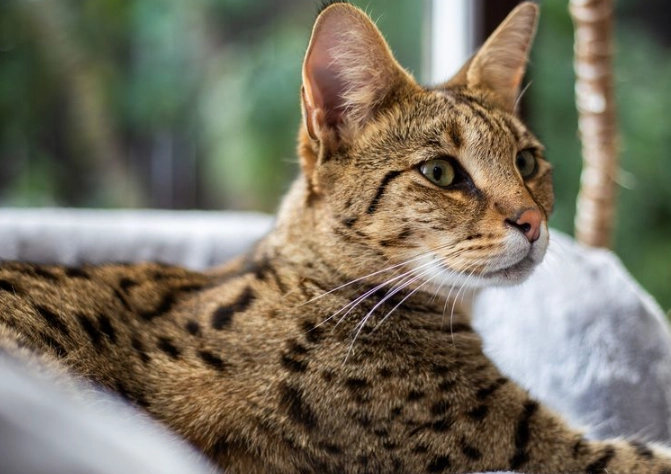
Urinary Tract Health
This is a cat-wide issue, but active, large cats who may have higher metabolism need special attention to hydration. Savannahs can be prone to urinary crystals or cystitis, especially if their diet is poor or they don't drink enough water. A high-moisture diet (quality wet food or supplemented with water) is highly recommended over dry food alone. I switched mine to a primarily wet diet years ago, and her urinary health has been perfect.
Digestive Sensitivities
This is more anecdotal but comes up constantly in owner circles, especially for early generations. Some Savannahs seem to have more sensitive stomachs or food intolerances. Diarrhea or vomiting from dietary indiscretion or sudden changes isn't uncommon. A high-quality, species-appropriate diet that's consistent is key. The Serval ancestor is a carnivore eating fresh prey, so a high-protein, low-carb diet makes biological sense.
Look, it's a bit of a list. But here's the personal take: I worry less about a specific disease popping up and more about the wear-and-tear of their high-octane lifestyle. Managing their Savannah cat lifespan is about proactive support for their entire system—heart, joints, kidneys—through proper care from day one.
How to Actively Extend Your Savannah Cat's Lifespan: A Care Blueprint
This is the part where you have control. Genetics load the gun, but environment and care pull the trigger. You want a long Savannah cat lifespan? You have to build it. Here's the blueprint, based on what works, not just theory.
The Foundation: Diet and Nutrition
You are what you eat, and your cat is too. For a Savannah, food is fuel for adventure and the building blocks of health. I'm not here to push a raw diet vs. commercial vs. homemade. I'm here to tell you the principles that matter most for longevity.
- High Animal Protein: This should be the first ingredient, and the second, and the third. Look for named meat sources (chicken, turkey, rabbit, duck).
- Low carbohydrates: Cats have no nutritional requirement for carbs. Fillers like corn, wheat, and soy can contribute to obesity, diabetes, and urinary issues.
- High Moisture Content: This is critical. Cats are designed to get water from their prey. Dry food, even the good stuff, leaves them chronically dehydrated, stressing their kidneys. Feed wet food primarily. If you must feed dry, ensure they drink plenty of water (a cat fountain can help).
- Consistency: Find a high-quality food that works and stick with it. Sudden changes can wreak havoc on sensitive Savannah stomachs.
I made the switch to a high-quality, commercial frozen raw diet years ago, and the difference in her coat, energy, and litter box output was noticeable. Her vet was fully on board as long as it was a balanced formula. It's not the only way, but it's what worked for us to support a long Savannah cat lifespan.
The Engine: Exercise and Environmental Enrichment
A bored Savannah is a destructive Savannah. More importantly, a sedentary Savannah is an unhealthy one. Obesity is a lifespan-shortener. Their minds and bodies need daily engagement.
This isn't just about a five-minute play session. Think like a zookeeper.
- Vertical Space: Cat trees aren't furniture; they are survival gear. Get tall, sturdy ones. Wall shelves and catwalks are even better. Let them climb and survey their kingdom.
- Interactive Play: Da Bird, fishing pole toys, laser pointers (with a physical "catch" at the end to avoid frustration)—anything that mimics prey. Do this until they are panting, twice a day.
- Puzzle Feeders: Make them work for their food. It stimulates their brain and slows down eating.
- Harness Training: Many Savannahs love going for walks. It provides mental stimulation and safe exercise. Start young and be patient.
The Safety Net: Preventative Veterinary Care
Don't just go to the vet when they're sick. Be a partner in prevention.
- Find a Savannah-Savvy Vet: Not all vets understand hybrid energy or their potential health nuances. Find one who is curious, not fearful, and willing to learn with you.
- Annual (Bi-annual for Seniors) Check-ups: Bloodwork, urinalysis, physical exam. This establishes baselines and catches issues early.
- Dental Care: Dental disease causes systemic inflammation that can damage the heart, kidneys, and liver. Brush their teeth if you can (start young!), use dental treats, or get regular vet cleanings as needed.
- Keep Them Indoors: This is non-negotiable. Outdoor cats face cars, predators, parasites, disease, and theft. The average lifespan of an outdoor cat is brutally short. A secure catio is a fantastic compromise.
- Stay Current on Vaccines/Parasite Prevention: As recommended by your vet.
It sounds like a lot. It is. But it becomes routine. And seeing your spotted friend thrive into their late teens makes it all worth it.
Your Savannah Cat Lifespan Questions, Answered
What's the difference between an F1 and an F7 Savannah cat lifespan?
The main difference lies in predictability and potential health challenges. An F7 Savannah cat lifespan is generally more predictable and aligns closely with a healthy, active domestic cat—often 15-20 years with excellent care. Their genetics are more stabilized. An F1 Savannah cat lifespan has a wider range (12-18+ years) because they are a true 50/50 hybrid. Their care requirements are more specialized (diet, space, stimulation), and while they can be very healthy, they may face unique challenges related to their hybrid status that could impact longevity if not managed proactively. Both can live long lives, but the F1's path requires more specialized knowledge.
Do Savannah cats have a lot of health problems?
Not inherently "a lot." They are not a disease-ridden breed. However, they are not a low-maintenance breed health-wise. You need to be vigilant for the issues mentioned (HCM, joints, urinary health) because their active physiology and hybrid origin mean problems, if they arise, can progress if ignored. A well-bred Savannah from health-tested lines, fed an appropriate diet, and given proper exercise has an excellent chance of being very healthy for most of its life. The problems often come from poor breeding, improper diet (like cheap dry food), or a sedentary lifestyle.
What do Savannah cats usually die from?
In older Savannahs that live a full life, the causes are similar to other aged cats: organ failure (kidney disease is common in all older cats), cancer, or complications from heart disease like HCM. The goal of proactive care is to push these age-related issues as far into the future as possible and manage them effectively when they appear. Tragically, early deaths are more often due to accidents (escaping outdoors, household hazards), or acute illnesses that could have been prevented or caught earlier with regular vet care.
Can a Savannah cat live 20 years?
Yes, it is absolutely within the realm of possibility, especially for later-generation (F5+) Savannahs. Reaching 20 years is the gold standard for exceptional feline longevity and requires an alignment of factors: impeccable genetics from health-tested lines, a near-perfect diet, a stimulating and safe environment, lean body weight, and a bit of genetic luck. It's a goal to strive for, not a guarantee. I know of several Savannahs in their late teens who are still going strong, aiming for that 20-year mark.
The Final Word on Your Savannah Cat's Lifespan
So, after all this, what's the answer? The Savannah cat lifespan is what you make it, within the bounds of the genetic lottery.
If you start with a kitten from a breeder who prioritizes health over color or size, who does HCM and PKDef testing, you've won half the battle. If you then commit to feeding a species-appropriate, high-moisture diet, providing relentless mental and physical enrichment, keeping them safely indoors, and partnering with a good vet for preventative care, you've done everything a human can do to nurture a long, vibrant life.
Will it guarantee 20 years? No. Life doesn't offer guarantees with living beings. But it will maximize every single year you get with them, ensuring those years are full of health, energy, and the deep bond that makes sharing your life with a Savannah cat so uniquely rewarding.
My old girl is napping in a sunbeam as I write this. Every day with her past 15 feels like a bonus round, a gift built on consistent care. That's the real goal—not just a number, but a lifetime of quality. And that's something you can absolutely influence.