Light brown cats are more than just a pretty color—they're a fascinating mix of genetics, personality, and care needs. If you're drawn to that warm, honey-like coat, you're not alone. I've been breeding and caring for cats for over a decade, and I've seen how these felines capture hearts. But there's a lot of misinformation out there. Let's cut through the noise and get into what really matters.
What's Inside This Guide
Light Brown Cat Breeds: A Detailed Overview
When people say "light brown cat," they might picture a specific shade—maybe cinnamon, fawn, or caramel. It's not one-size-fits-all. The color comes from genetics involving the dilution gene, which softens black to brown or gray. Think of it like mixing paint; a little tweak gives you endless variations.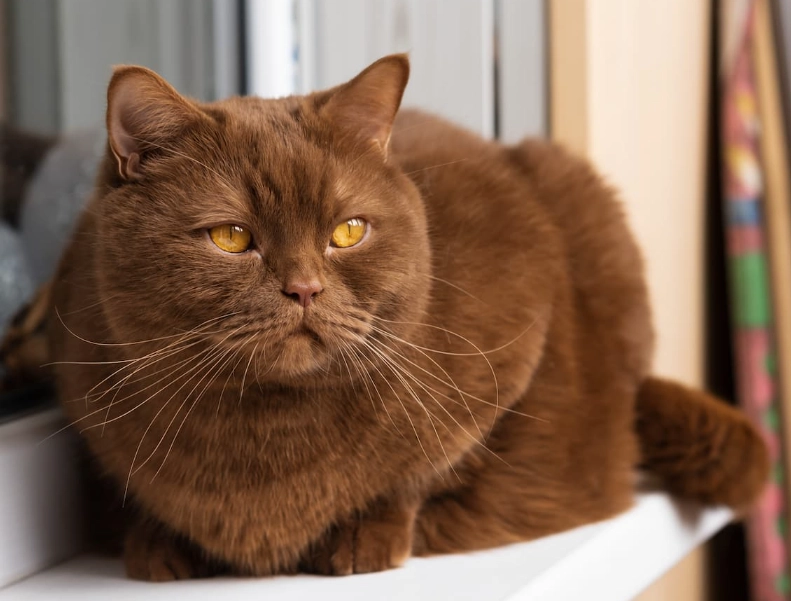
I remember my first Abyssinian, Leo. His coat had this ticked pattern that shimmered in the light, almost like a wildcat. That's common in breeds with agouti genes. But here's something most blogs miss: light brown isn't always uniform. Some cats have tabby stripes or points that add depth.
Popular Breeds with Light Brown Coats
Let's break down the top breeds. I've worked with these for years, and each has quirks you won't find in generic lists.
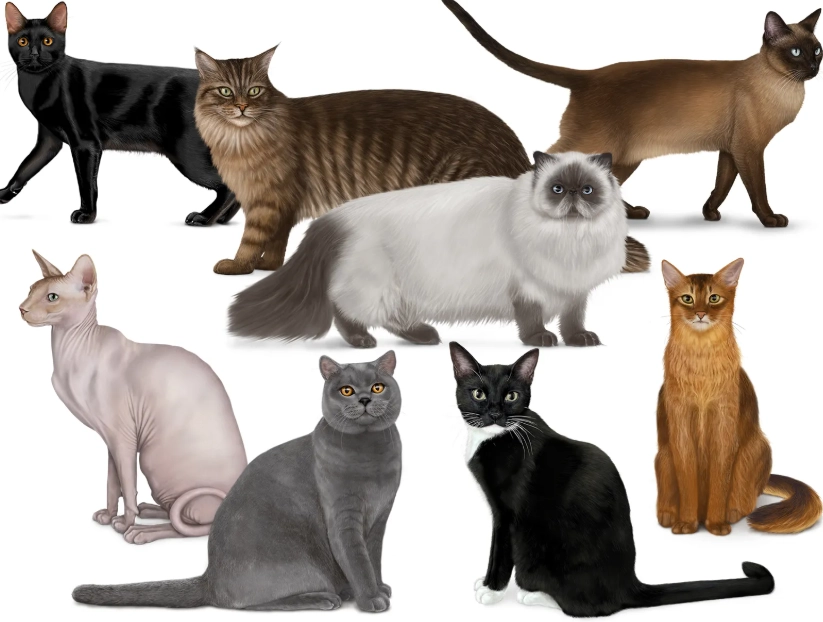
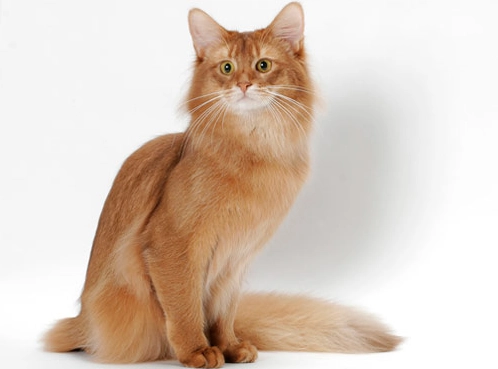
- Abyssinian: Often called "ruddy" or "cinnamon," their ticked coat gives a light brown appearance. They're energetic and need lots of play—think of them as the athletes of the cat world. I've seen owners underestimate their need for climbing spaces; a simple cat tree won't cut it.
- Burmese: Their sable brown is rich and solid. Burmese cats are social butterflies, but they can get vocal if left alone too long. A common mistake? Treating them like independent cats. They thrive on interaction.
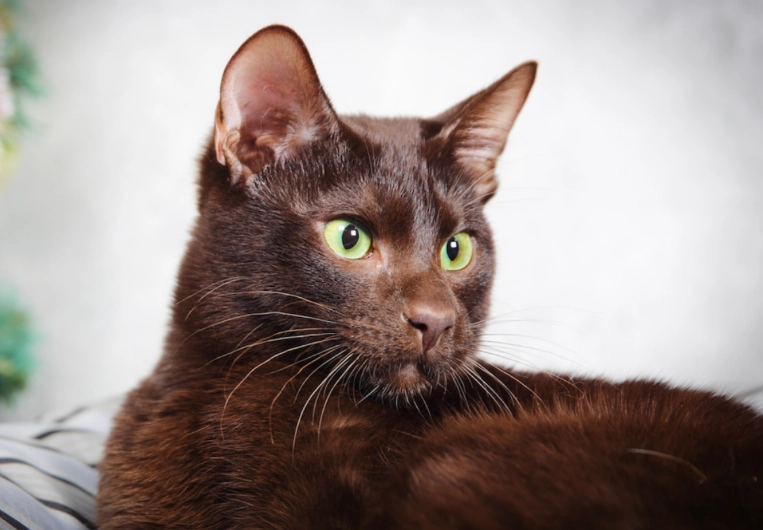
- Havana Brown: Bred specifically for that warm brown color, they're rarer. I met a breeder who emphasized their whisker pads—they're often brown too, which is unique. They're curious and love puzzle toys.
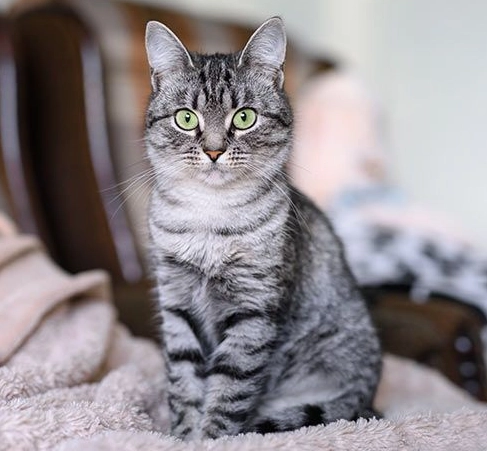
- Domestic Shorthairs: Don't overlook mixed breeds! Many have stunning light brown coats. Genetics can throw surprises; I've seen litters where one kitten is light brown while siblings are black or gray.
Here's a quick comparison based on my experience:
| Breed | Coat Color Description | Typical Personality | Care Level |
|---|---|---|---|
| Abyssinian | Ticked light brown (ruddy/cinnamon) | Active, playful, needs engagement | High—daily exercise and mental stimulation |
| Burmese | Solid sable brown | Affectionate, social, can be clingy | Moderate—regular interaction required |
| Havana Brown | Rich, even brown | Curious, intelligent, enjoys puzzles | Moderate—enrichment activities needed |
| Domestic Shorthair | Varies—often light brown with patterns | Adaptable, independent to social | Low to moderate—depends on individual |
Genetics of Light Brown Color in Cats
This gets technical, but stick with me. The brown color (b allele) comes from the B locus. When combined with dilution genes (d allele), it creates light brown shades like cinnamon or fawn. According to The International Cat Association (TICA), color genetics are complex and involve multiple genes—not just one. I've seen breeders get it wrong by assuming a simple dominant-recessive pattern.
For example, a cat with genotype bb dd might show light brown, but environmental factors like diet can affect hue. Sunlight can fade it, which is why indoor cats often retain richer colors. If you're into breeding, always test for color genes; I learned this the hard way when a litter turned out darker than expected.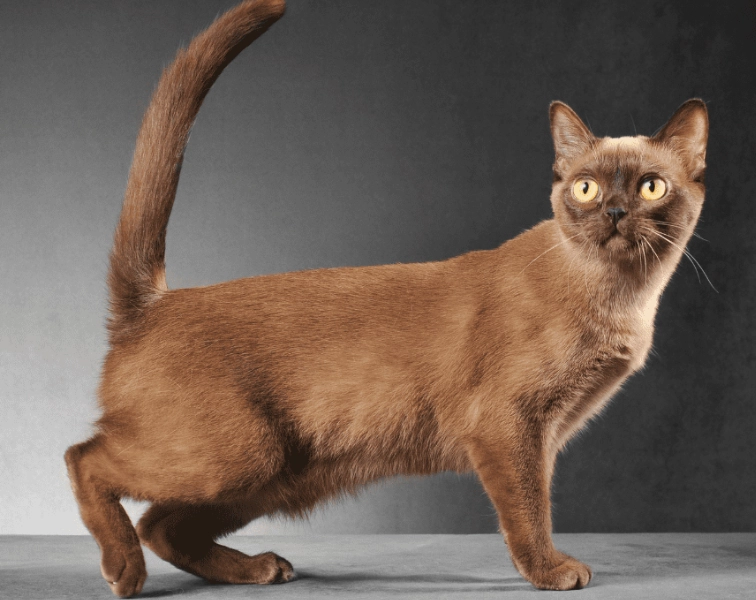
Pro Tip: When adopting, ask about the parents' colors if possible. Shelter cats might not have records, but observing the coat texture and shine can give clues about health and genetics.
How to Care for a Light Brown Cat
Caring for a light brown cat isn't just about keeping them alive—it's about enhancing that beautiful coat and ensuring they thrive. I've had clients who focused so much on color they neglected basics like dental care. Let's avoid that.
Grooming Tips for Maintaining Coat Color
Grooming is where most people slip up. Light brown fur can show dirt and oils more easily, but over-bathing strips natural oils and causes dullness. I bathe my cats maybe twice a year, unless they roll in something nasty.
- Brushing: Use a soft-bristle brush weekly. For Abyssinians, a rubber grooming mitt works wonders to remove loose hair without damaging the ticked coat. Burmese have finer fur, so a slicker brush prevents matting.
- Bathing: If you must, use a cat-specific shampoo. I recommend brands like Earthbath for sensitive skin. Avoid human products—they're too harsh and can lead to dryness.
- Sun Protection: This is huge. UV rays can bleach light brown fur. Keep cats indoors during peak sun hours, or provide shaded outdoor spaces. I've seen cats with faded coats from sunbathing by windows all day.
One of my cats, Mocha, developed a slight orange tint after a summer near a sunny window. It took months of indoor time and diet adjustments to restore her natural shade.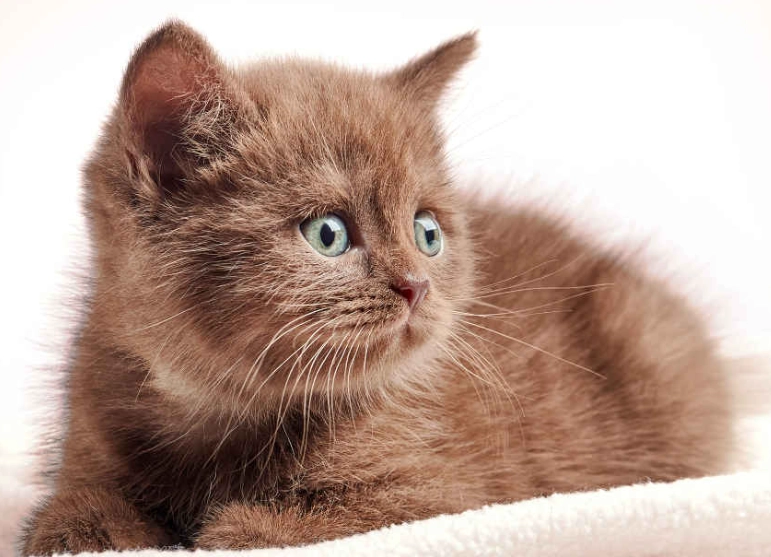
Diet and Nutrition for Healthy Fur
You are what you eat, and that applies to cats too. A poor diet leads to brittle, dull fur. I've switched many cats to better food and seen coats transform in weeks.
Key nutrients for coat health:
- Omega-3 fatty acids: Found in fish oil or salmon-based foods. They reduce inflammation and add shine. I add a drop of salmon oil to my cat's meals—just a tiny amount, as overdoing it can cause diarrhea.
- Protein: High-quality animal protein is essential. Look for foods with chicken, turkey, or fish as first ingredients. Cheap fillers like corn can lead to lackluster fur.
- Vitamins A and E: Support skin health. Many premium cat foods include these, but check labels. I prefer brands recommended by veterinarians, like Hill's Science Diet or Royal Canin.
Avoid overfeeding treats. I've seen cats gain weight, which strains their coat and overall health. Stick to measured meals based on age and activity level.
For more on cat nutrition, the American Association of Feline Practitioners (AAFP) provides guidelines on balanced diets—worth a look if you're unsure.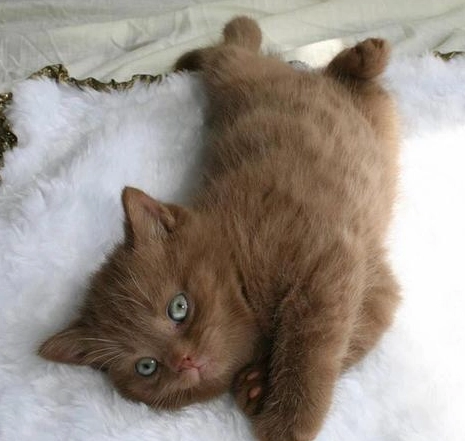
Health Considerations for Light Brown Cats
Color doesn't dictate health, but breed associations can. I've worked with vets who note patterns, but it's not a rule. Let's debunk some myths.
Common Health Issues Linked to Coat Color
Some breeds with light brown coats have genetic predispositions. For example:
- Abyssinians: Prone to renal amyloidosis and dental issues. Regular blood tests and dental cleanings are a must. I schedule vet visits every six months for my Abyssinians.
- Burmese: Can develop hypokalemia (low potassium) and diabetes. Watch for signs like weakness or increased thirst. Early detection is key—I've caught it in cats by monitoring their water bowl habits.
- General concerns: Light-colored cats might be more sensitive to sunburn on ears and noses, increasing skin cancer risk. Use pet-safe sunscreen if they go outdoors.
Don't panic, though. Many light brown cats live long, healthy lives with proper care. My oldest, a domestic shorthair named Hazel, is 16 and still going strong.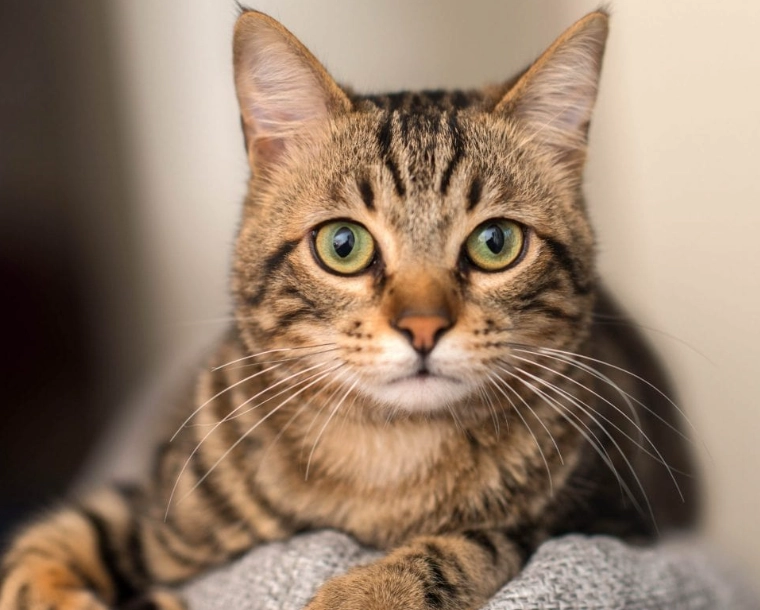
Preventive Care and Regular Check-ups
Prevention beats cure every time. Here's my routine:
- Vet visits: Annual check-ups, but for breeds like Abyssinian, I do bi-annual. Blood work, urine tests, and dental exams catch issues early.
- Vaccinations: Keep up with core vaccines as per your vet's advice. Outdoor cats need additional protection.
- Parasite control: Fleas and ticks can irritate skin and affect coat quality. Use monthly preventatives—I've had good results with topical treatments like Frontline.
I also recommend pet insurance. Unexpected vet bills can be steep; insurance saved me thousands when one cat needed surgery.
Your Questions Answered
Light brown cats offer a unique blend of beauty and personality. Whether you're adopting a purebred or a mixed breed, focus on their individual needs—color is just the starting point. From my years in the field, I've learned that attention to detail in care and health makes all the difference. If you have more questions, reach out to local breeders or vets; they're often happy to share insights.