In This Guide
- Why the Abyssinian Gets the "Hypoallergenic" Label
- The Science and the Gaps: What Research Says (And Doesn't Say)
- Your Action Plan: Living Happily with an Abyssinian and Allergies
- How the Abyssinian Personality Fits Into This
- Abyssinian vs. Other "Hypoallergenic" Breeds: A Quick Reality Check
- Your Must-Do Checklist Before Bringing an Aby Home
- Straight Answers to Your Burning Questions (FAQ)
So, you've fallen in love with the look of the Abyssinian cat. Those big ears, that ticked coat, the forever-kitten expression. But then you remember your sneezes, your itchy eyes, or maybe a family member's struggle with allergies. You type "Abyssinian cat hypoallergenic" into Google, hoping for a magic answer. I get it. I've been there, scrolling through forums, getting hopeful and then confused by conflicting stories.
Let's cut through the noise right now. The short, honest answer is: no cat breed is 100% hypoallergenic. Not the Abyssinian, not the Siberian, not the Sphynx. The term "hypoallergenic" means "less likely to cause an allergic reaction," not "allergy-proof." It's a spectrum, not a guarantee.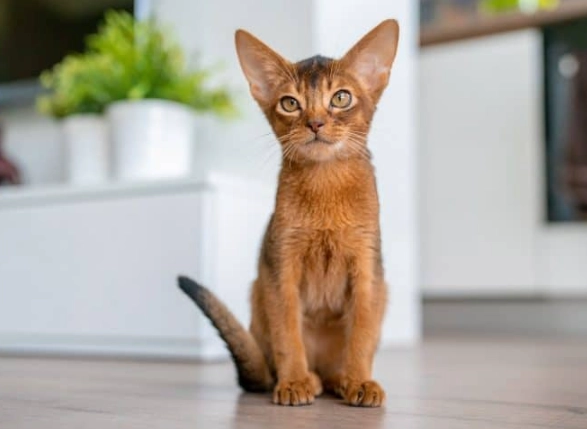
The Core of the Issue: Cat allergies are primarily caused by a protein called Fel d 1, produced in a cat's saliva, skin glands (sebaceous glands), and, to a lesser extent, urine. When a cat grooms itself, the saliva (loaded with Fel d 1) dries on its fur and becomes airborne dander. This is the main culprit, not the fur itself.
Where does the Abyssinian cat hypoallergenic idea come from, then? It's not a complete fairy tale. There are a few solid reasons why many people with mild to moderate allergies report better tolerance around Abyssinians compared to other breeds. Understanding these reasons is key to making an informed decision.
Why the Abyssinian Gets the "Hypoallergenic" Label
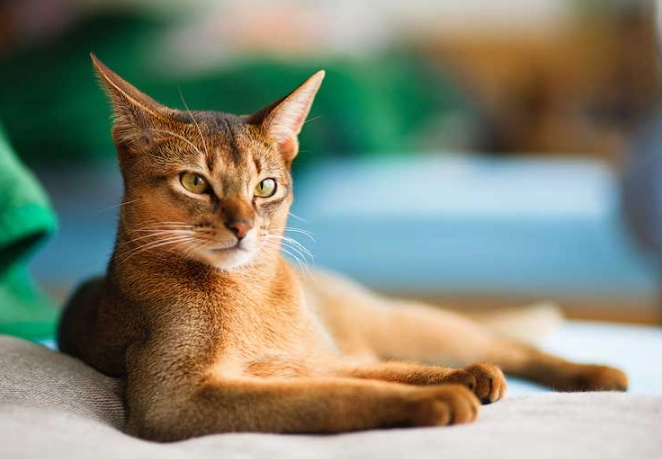
It boils down to their coat and their grooming habits. An Aby's coat is unique. It's short, fine, and lies very close to the body. More importantly, it has a "ticked" pattern, meaning each hair has multiple bands of color. But from an allergy perspective, the key is density.
Abyssinians typically have a single coat, lacking a dense, woolly undercoat that many long-haired and some short-haired breeds possess. Think of that undercoat as a fluffy trap for dander and dried saliva. Less undercoat means less surface area for the allergen-laden dander to cling to and get distributed around your home.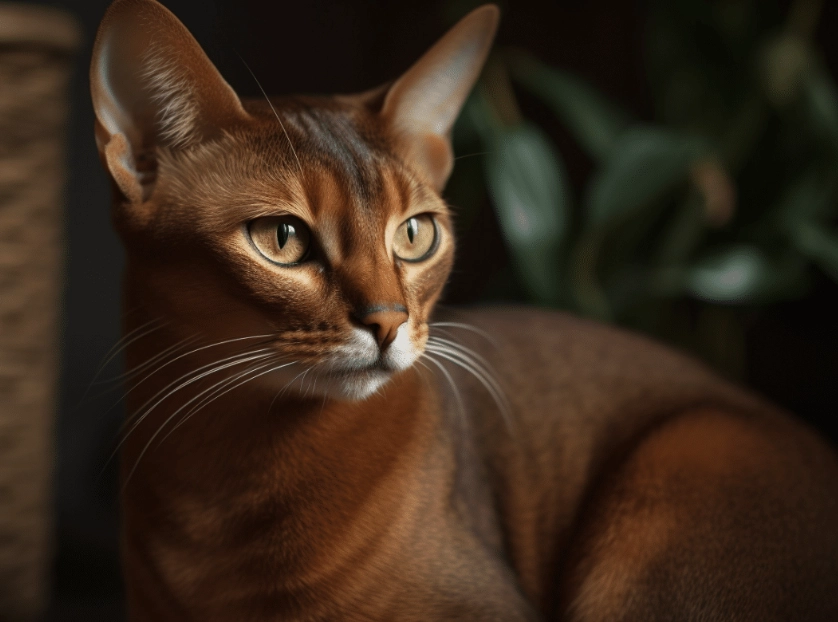
Here’s a quick comparison of coat types and their dander-hosting potential:
| Coat Type | Breeds (Examples) | Dander & Allergen Retention | Grooming Effort to Control Allergens |
|---|---|---|---|
| Single, Short Coat | Abyssinian, Siamese, Cornish Rex | Low to Moderate | Moderate (regular wiping/brushing effective) |
| Double, Dense Coat | Maine Coon, Persian, British Shorthair | High | High (requires frequent, thorough brushing) |
| Curly or No Coat | Devon Rex, Sphynx | Variable (allergens sit directly on skin) | Very High (requires regular bathing) |
The second factor is grooming. Abyssinians are famously fastidious. They keep themselves incredibly clean. Now, this is a double-edged sword. On one hand, a clean cat may spread less loose hair and dirt. On the other hand, more grooming means more saliva being spread directly onto their coat. However, because their coat is so fine and close-lying, the saliva may dry and fall off as dander more easily than getting deeply embedded.
I’ve lived with an Aby for five years, and my partner has mild allergies. He doesn't react to our cat unless he buries his face directly in her fur (which she tolerates for about 3 seconds). But he’ll start sneezing within minutes at a friend's house who has a fluffy domestic longhair. It's a night-and-day difference for him. That's the "hypoallergenic" reality—it can be a dramatic improvement for some, but it's not a universal law.
The Science and the Gaps: What Research Says (And Doesn't Say)
You'll find plenty of anecdotal reports online from people claiming their Abyssinian cat hypoallergenic experience is a success. But what does formal science say? The hard truth is that comprehensive, breed-specific studies on Fel d 1 production levels are surprisingly scarce and often inconclusive.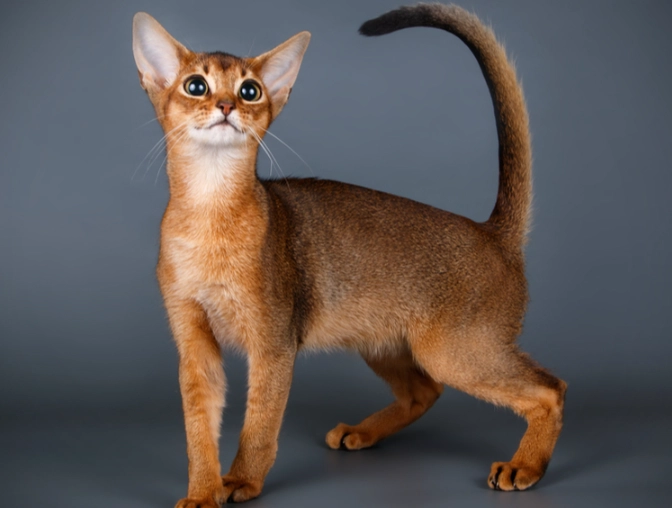
Major institutions like the American Academy of Allergy, Asthma & Immunology (AAAAI) state clearly that there is no truly non-allergenic cat or dog. They emphasize that allergen levels can vary more between individual cats of the same breed than between different breeds. One Abyssinian might produce lower levels of Fel d 1, while another might produce average levels.
However, a study sometimes referenced in this discussion is one published in the Journal of Allergy and Clinical Immunology. It found that female cats, on average, produce lower levels of Fel d 1 than males, and neutered males produce less than intact males. So, if you're exploring an Abyssinian cat hypoallergenic path, opting for a female or a neutered male might slightly tilt the odds in your favor.
Don't Fall for This Myth: I've seen claims that the color of a cat's coat influences allergenicity. This is false. A ruddy Abyssinian and a blue Abyssinian produce the same Fel d 1 protein. The allergen is colorless and unrelated to pigment.
Key Questions to Ask Yourself Before Getting an Abyssinian
This isn't just about the cat; it's about you and your environment. Grab a notebook and really think about these.
- What's the severity of the allergy? Is it occasional sniffles or full-blown asthma? The former has a much better chance of successful management.
- Have you spent time with an Abyssinian? This is non-negotiable. Contact a reputable breeder (expect to be vetted by them, too) and ask if you can visit multiple times to interact with their cats. A good breeder understands allergy concerns.
- Who has the allergy? Is it an adult who can manage their own exposure, or a young child whose reactions might be more volatile?
- Are you prepared for the lifelong management routine? Even if you get a "low-allergen" individual, you'll need a plan (which we'll outline next).
It’s a commitment. A wonderful one, but a real one.
Your Action Plan: Living Happily with an Abyssinian and Allergies
Let's say you've done your visit, your allergies were manageable, and you're moving forward. Congratulations! Making it work long-term is about creating a system. Don't just rely on the Abyssinian cat hypoallergenic reputation; build your own defense.
Proactive Beats Reactive: The goal is to minimize the accumulation of Fel d 1 in your environment before it triggers a reaction. Consistency is your best friend here.
Here’s my lived-in, practical hierarchy of tactics, from most to least effective in my experience:
- The HEPA Air Purifier: This was our game-changer. Get a good one with a true HEPA filter and run it continuously in the room where the cat spends the most time (usually the bedroom or living room). It captures airborne dander. No debate, just get one.
- Designated Cat-Free Zones: Your bedroom should be a sanctuary. This gives your body 8 hours a day to recover without constant exposure. This is hard to enforce with a social Aby who wants to be with you, but it's crucial for severe allergy sufferers.
- Strategic Grooming (The Human Does It): Brush your Aby outside or in a well-ventilated area 2-3 times a week. Use a grooming wipe like those recommended by veterinarians afterward to remove dander and saliva directly from the coat. Bathing is rarely needed and stressful for most cats, but wipes are a great compromise.
- Fabric Management: Wash your cat's bedding weekly. Use washable slipcovers on sofas and chairs. Avoid heavy drapes and opt for blinds or washable curtains.
- Vacuum Like It's Your Job: Use a vacuum with a HEPA filter. Don't just do floors—sofas, chairs, and cat trees are dander magnets. Do this 2-3 times a week.
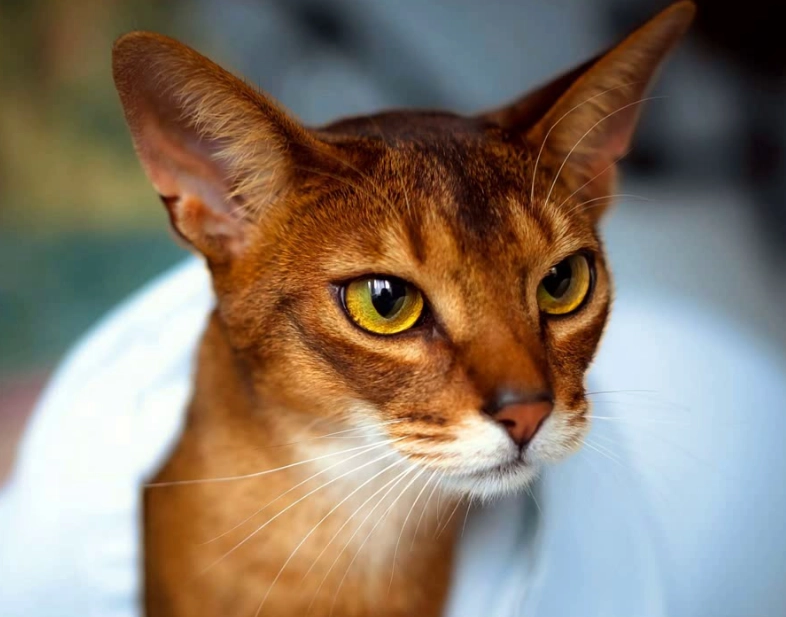
"Managing allergies with a cat is less about a single solution and more about building a web of small, consistent habits that together create a livable environment."
What about those "allergen-reducing" cat foods or sprays? I'm skeptical. Some studies show they can reduce active Fel d 1 in saliva, but the real-world results seem mixed. They might be a helpful addition to the plan above, but they are not a replacement for environmental control. Always talk to your vet before adding anything to your cat's diet.
How the Abyssinian Personality Fits Into This
You can't talk about this breed without talking about their character. It matters for allergy management. Abbys are active. They are not lap cats in the traditional, sit-for-hours sense. They are climbers, jumpers, and explorers. This means they spread their dander far and wide—up high on bookshelves, across every surface.
This is a downside from an allergen-distribution perspective.
But their intelligence is an upside. They can be trained (yes, really). You can train them to accept grooming wipes more easily than many breeds. You can use their love of puzzles and games to keep them entertained outside of the bedroom if that's a cat-free zone.
Their social nature also means they want to be with you. For some allergy sufferers, this constant close contact can be challenging. You need to find a balance between loving your cat and managing your health. Setting boundaries kindly and early is essential.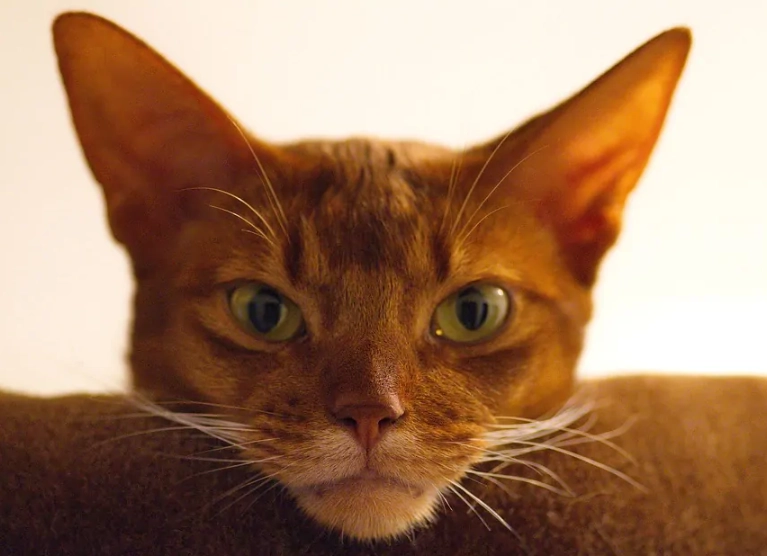
Abyssinian vs. Other "Hypoallergenic" Breeds: A Quick Reality Check
Is the Abyssinian the "best" hypoallergenic cat? There is no best, only what might work for you. Here’s a blunt comparison.
- Siberian: Often touted as low-allergen due to some cats having lower Fel d 1 levels. But they have a triple coat—long, dense, and water-resistant. If you react to dander, all that fur can be a major carrier. The science is promising but individual-dependent.
- Balinese / Oriental Shorthair: Like the Siamese (which they're related to), they have a single, short coat. Similar potential benefits to the Aby. Often recommended for allergy sufferers.
- Sphynx / Devon Rex: The "no hair" or "curly hair" solution. The catch? With no fur, the dander and oils sit directly on their skin and get onto everything they touch. They require frequent bathing (weekly), which many cats hate. It trades one problem for a high-maintenance grooming routine.
My take? The Aby's low-maintenance coat (just regular brushing and wiping) combined with its potential for lower dander retention makes it a very strong, practical contender in the hypoallergenic cat breeds conversation. It's less work than a Sphynx and less fur-focused than a Siberian.
Your Must-Do Checklist Before Bringing an Aby Home
Don't wing it. Have this in place before the cat arrives.
- ✅ Medical Consultation: Talk to your allergist. Discuss options like daily antihistamines, nasal sprays, or allergy shots (immunotherapy) which can be highly effective for pet allergies.
- ✅ The Trial Visit: Completed multiple times. No reaction during a 1-2 hour visit is a good sign, but remember, allergens accumulate.
- ✅ Sanctuary Room Ready: Your bedroom is set up, with a HEPA purifier running for a few days to clean the air.
- ✅ Grooming Kit Stocked: Soft brush, hypoallergenic pet wipes, and treats for positive reinforcement.
- ✅ Cleaning Arsenal: HEPA vacuum, lint rollers, and microfiber cloths for dusting.
- ✅ Breeder Transparency: You've had an honest conversation with the breeder about allergies. Ethical breeders will not promise a hypoallergenic cat but will share their experiences with other allergic owners.
Straight Answers to Your Burning Questions (FAQ)
Can I become less allergic to my Abyssinian over time?
Some people report developing a tolerance to their own cat while still reacting to others. This is possible but not guaranteed. It's called allergen-specific immunomodulation. Don't count on it as a strategy.
Do male or female Abyssinians produce more allergens?
As mentioned, studies suggest intact males produce the most Fel d 1, followed by neutered males, with females producing the least. A neutered female Abyssinian is the common-sense choice for someone prioritizing the Abyssinian cat hypoallergenic potential.
Is bathing my Abyssinian the answer to reducing allergies?
Not really. Bathing can wash away surface allergens, but a cat's saliva production (the source) resumes immediately. Frequent bathing is stressful for the cat, can dry out their skin, and may actually increase dander production. Stick to regular brushing and wiping.
What if I get an Abyssinian and my allergies are still terrible?
This is the heartbreaking scenario you must prepare for. Have a plan with the breeder. Reputable breeders often have a clause in their contract requiring the cat be returned to them if there are insurmountable health issues, including severe human allergies. Rehoming should always be a last resort, done through the breeder or a trusted rescue, not a shelter.
Are there any at-home tests to see if I'll react to a specific cat?
Not reliably. Some services claim to test a cat's fur sample for Fel d 1 levels, but the correlation between fur levels and the actual allergen burden in a home is not perfect. The gold standard is still repeated, prolonged exposure in the environment where the cat lives.
Look, the dream of a completely non-allergenic cat is just that—a dream. But the reality of a hypoallergenic cat that significantly reduces symptoms? That's very real for many people. The Abyssinian, with its unique coat and personality, sits in a sweet spot for a lot of allergy-prone cat lovers.
It demands honesty—with yourself about your allergy severity, and with your expectations. It requires work—consistent, boring cleaning and grooming routines. But for the right person, the payoff is immense: the companionship of one of the most engaging, beautiful, and lively creatures on four paws, without the constant soundtrack of sneezes.
Do your homework, take it slow, and build your allergy-management system from day one. Your future clear-nosed, cat-loving self will thank you.