Quick Guide
- Why Do People Think Sphynx Cats Are Smelly?
- The Real Culprits: What Actually Causes Odor
- The Sphynx Cat Anti-Smell Maintenance Routine
- Diet: The Invisible Game-Changer
- Common Myths About Sphynx Cats and Smell
- Personal Experience: The Good, The Bad, The... Oily
- FAQs: Answering Your Real-World Questions
- Final Verdict: Are Sphynx Cats Smelly?
So, you're thinking about getting a Sphynx cat, or maybe you just got one, and that burning question is in your head. You've heard the rumors, seen the memes. Are Sphynx cats smelly? I've lived with two of these incredible, alien-looking creatures for over eight years now. My answer? It's complicated, but mostly no. A clean, well-cared-for Sphynx cat should not have a strong, unpleasant odor. But here's the kicker – if you neglect their unique needs, yeah, things can get a bit funky. It's not their fault; it's entirely about the care they receive.
I remember bringing home my first Sphynx, Gizmo. I was braced for this mythical "Sphynx smell" everyone online whispered about. The first week, I was sniffing him constantly. Honestly, he just smelled like warm skin and the faint scent of his kitten food. The real smell came a week later when I, being a naive new owner, thought a weekly bath was enough. I was wrong. That's when I learned the truth about Sphynx cat care. It's a commitment.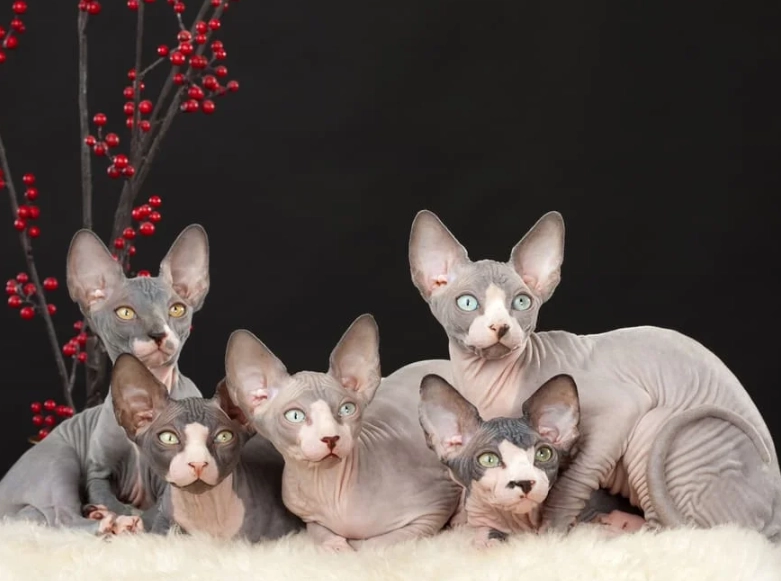
Why Do People Think Sphynx Cats Are Smelly?
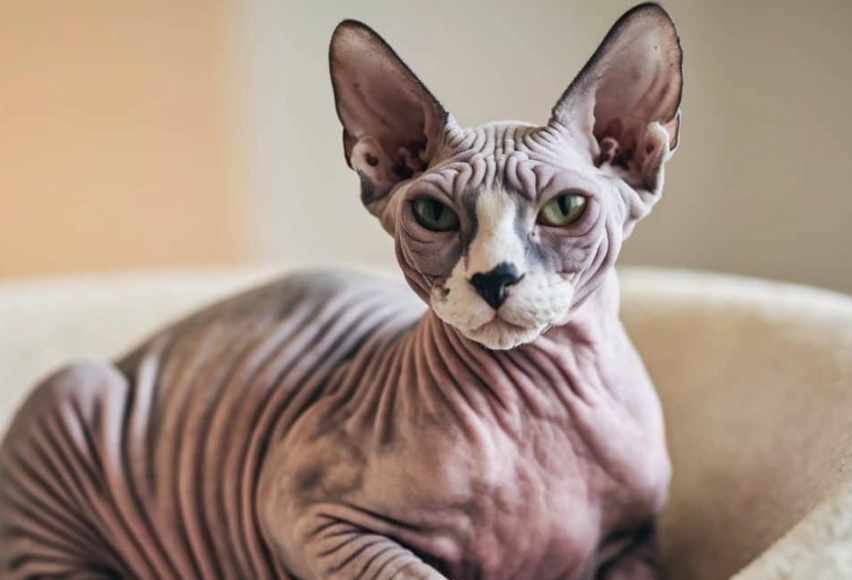
The myth doesn't come from nowhere. Sphynx cats lack the fur that absorbs and distributes the natural oils (sebum) their skin produces. A furry cat's sebum gets caught in its coat. A Sphynx's sebum sits directly on its skin. This oil, combined with sweat and normal skin bacteria, can create a waxy, greasy buildup. If left alone, this buildup can develop a distinct, musky odor. It's not a "dirty" smell like a litter box, but more like... old cooking oil mixed with faint body odor. Not pleasant.
Another culprit? Their ears. Sphynx cats are notorious for producing more earwax than furry breeds. That dark brown gunk can get smelly if not cleaned regularly. And then there's the issue of litter box habits. Any residue left on their skin (remember, no fur to act as a barrier) can contribute to an overall impression of smelliness.
The Real Culprits: What Actually Causes Odor
If a Sphynx cat is smelly, it's almost always due to one of these factors. Think of this as a diagnostic checklist.
Sebum Buildup: The #1 Offender
This is the big one. That oily film on their skin? It picks up dust, dead skin cells (they do shed skin, just not hair), and whatever they've rubbed against. Over a week or two, it oxidizes and can start to smell. The oil can also stain your light-colored furniture and bedding a faint brownish-yellow. The frequency of bathing needed to control this varies wildly from cat to cat. My older boy needs a bath every 10 days. My younger one can go nearly two weeks before he starts feeling tacky.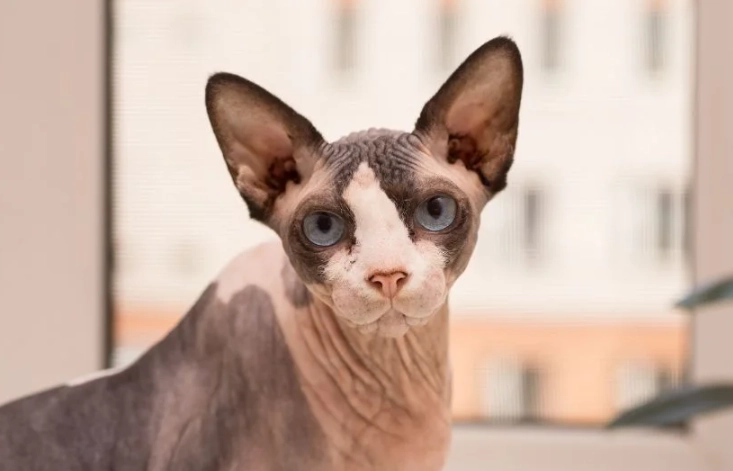
Dirty Ears
Peek into a Sphynx's ear. You'll likely see a dark brown, waxy accumulation. This is normal for the breed, but it's not something you can ignore. Left unchecked, it can lead to ear infections, which have a much nastier smell, and hearing problems. The Cat Fanciers' Association (CFA) breed standard notes their ears are "large" and need regular attention, which in owner-terms means weekly cleaning.
Dental Hygiene
This one surprises people. Sphynx cats can be prone to dental issues. Bad breath from gum disease or tooth decay can make you think the cat itself smells. It's a localized issue that creates a general impression.
Diet and Digestion
What you feed your cat dramatically affects their skin oil production and overall body odor. Low-quality, grain-heavy foods can lead to oilier skin and smellier outputs. A high-quality, protein-rich diet often results in less oil and less odor. Also, some Sphynx cats have sensitive stomachs. Gas or soft stools will definitely create a smelly environment, fast.
The Sphynx Cat Anti-Smell Maintenance Routine
This is the part that separates the happy Sphynx owners from the overwhelmed ones. Preventing a smelly Sphynx cat isn't hard, but it is non-negotiable. It's like having a hairless, heat-seeking toddler. Here's my tried-and-true routine.
Bathing: The Cornerstone
Forget everything you know about bathing cats. This is different. You need a gentle, cat-safe shampoo. I've found that shampoos for sensitive skin or baby shampoos work well, but many owners swear by specific pet formulas like Hylyt or D'Grease. The water should be warm, not hot. The key is to let the shampoo sit on their skin for 5-10 minutes to break down the oils before rinsing thoroughly. A rubber bath mat in the sink or tub prevents panic-sliding. Dry them IMMEDIATELY and completely with warm towels. A chill is their worst enemy post-bath. Some people use a hair dryer on a low, warm setting, but get them used to it slowly.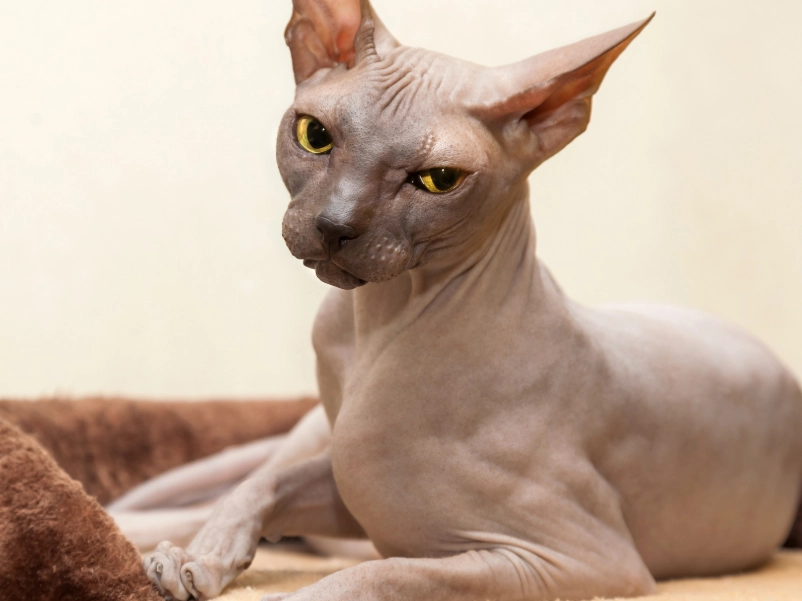
Ear Cleaning: A Weekly Must
I do this every Sunday. Use a vet-recommended ear cleaner and cotton balls or pads. Never use Q-tips deep in the ear canal. Gently wipe the visible part of the inner ear. The amount of gunk you'll remove is always astonishing. The Cornell Feline Health Center has great general resources on cat ear care that apply here.
Nail Cleaning & Trimming
Another weird one. Because they have no hair on their paws, the brown gunk from their ears and skin can accumulate under their nails and in the nail sheaths. When you trim their nails (every 2-3 weeks), gently wipe the underside of the nail and around the base with a baby wipe or damp cloth.
The Paw & Tail Base Wipe-Down
Between baths, a quick daily or every-other-day wipe with a hypoallergenic, fragrance-free pet wipe or a damp washcloth focuses on problem areas: their paws, underarms, groin, and the base of their tail (a major oil-producing zone). This takes two minutes and keeps the oil at bay.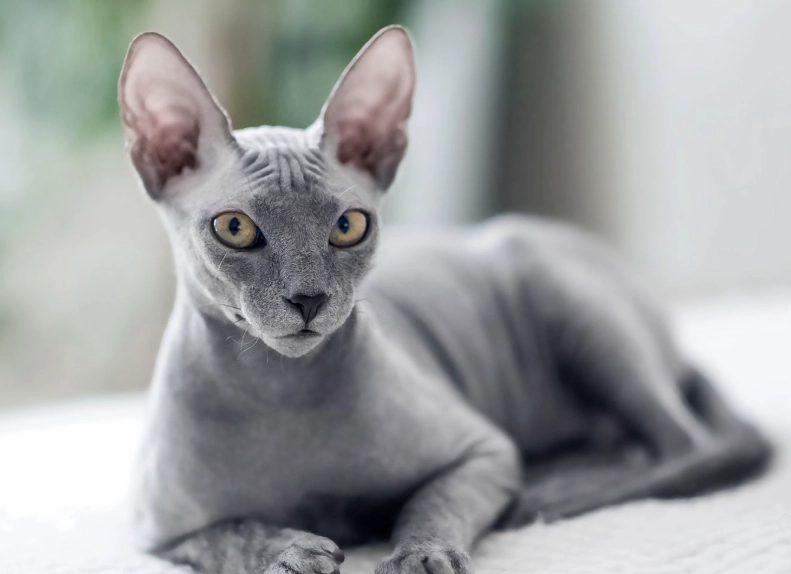
Comparing the Care: Sphynx vs. Furry Cats
It's helpful to see the difference in black and white (or, in this case, colorful rows).
| Grooming Task | Sphynx Cat | Typical Furry Cat (e.g., Domestic Shorthair) |
|---|---|---|
| Bathing | Essential. Every 1-2 weeks to remove oil buildup. | Rarely needed, usually only if they get into something. |
| Ear Cleaning | Essential. Weekly to bi-weekly due to high wax production. | Occasional, as needed. Monthly check is sufficient for most. |
| Brushing | Not for fur, but a soft rubber brush can help exfoliate skin during bath. | Essential. Weekly to reduce shedding and hairballs. |
| Nail Care | Trimming + cleaning under nails regularly. | Trimming usually sufficient. |
| Litter Box Tracking | Litter can stick directly to skin; may need wiping. Use low-dust, unscented litter. | Litter may get caught in paw fur. |
See? It's not more work, necessarily. It's just different work. Instead of vacuuming hair, you're giving baths. It's a trade-off.
Diet: The Invisible Game-Changer
You can bathe a cat twice a week, but if you're feeding them junk food, you'll be fighting a losing battle against oil and odor. A high-quality diet is non-negotiable. Look for foods with real meat as the first ingredient. Some owners find that grain-free or limited-ingredient diets help. My cats thrived when I switched to a high-protein, low-carb wet food diet. Their skin became less oily, their energy levels improved, and yes, they just smelled... cleaner. Less like oil, more like nothing at all.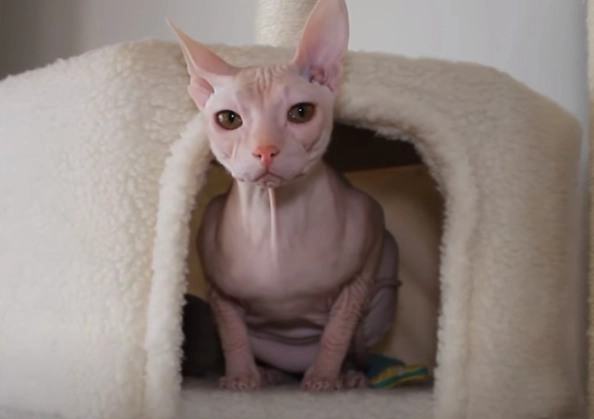
Always ensure fresh water is available. Proper hydration supports healthy skin. Some Sphynx cats love water fountains, which encourage drinking.
Common Myths About Sphynx Cats and Smell
Let's bust some myths floating around the internet.
Myth 1: All Sphynx cats are inherently smelly. False. This is a care issue, not a breed trait. A neglected Labrador can smell worse than a well-kept Sphynx.
Myth 2: You need to use special, harsh shampoos. Not really. Gentle is better. Harsh soaps can strip the skin too much, causing it to produce more oil to compensate.
Myth 3: They smell like mushrooms or old potatoes. I've seen this one a lot. A weird, specific smell like that is likely a sign of a fungal or yeast infection on the skin (Malassezia), which requires veterinary treatment, not just a bath.
Myth 4: If you're allergic to cats, a Sphynx is hypoallergenic and won't smell. Oh boy. First, no cat is truly hypoallergenic. Allergies are usually to the protein Fel d 1 in saliva and skin oils, which Sphynx cats have plenty of. And because they have no fur to trap it, they can actually spread more allergen around. And they still need the same care to avoid being smelly Sphynx cats.
Personal Experience: The Good, The Bad, The... Oily
I love my cats to death, but let's be honest. There are downsides. The maintenance is real. There are nights when I'm tired and the last thing I want to do is give a cat a bath. It's a 30-minute process from setup to clean-up. And if you skip it, you will notice. Your black clothes will have a faint oily stain where they slept on your lap. Your white sheets might get a yellowish tinge.
But here's the positive spin no one talks about: this routine forces you to bond. My cats are unbelievably tolerant of being handled because of it. They trust me completely. The post-bath cuddle, wrapped in a warm towel, is pure bliss for all of us. The question of "are Sphynx cats smelly" becomes irrelevant because the routine integrates into your life. It's just what you do.
FAQs: Answering Your Real-World Questions
Here are the things people actually ask me when they visit and meet my naked wonders.
How often should I bathe my Sphynx cat?
Start with every 10-14 days. Adjust based on your cat. Some need it weekly, some can go longer. The test is the "tackiness" of their skin. If they feel greasy to the touch, it's time.
What if my Sphynx HATES baths?
Start slow. Use a shallow sink, not a deep tub. Use non-slip mats. Talk calmly. Offer high-value treats during and immediately after. Never force or yell. Some people have success with lick mats (spread with pureed chicken) stuck to the wall of the shower to distract them.
Can I use baby wipes instead of baths?
For a quick refresh between baths, yes. For a full cleaning, no. Wipes won't remove the deep-seated oil and wax buildup. They're a supplement, not a replacement.
Do Sphynx cats need clothes?
Need? No. But they get cold easily and seek out warmth. A sweater in winter can keep them comfortable and also reduce the amount of oil they transfer to your furniture and blankets. Just make sure it's clean!
My Sphynx cat smells fine, but my house smells. Why?
This is often the litter box. Sphynx cats have fast metabolisms and may use the box frequently. Scoop at least twice daily. Use a high-quality, clumping, unscented litter. Ensure the box itself is cleaned thoroughly every few weeks. Also, wash their bedding and favorite blankets weekly.
Final Verdict: Are Sphynx Cats Smelly?
So, after all this, what's the final answer to "Are Sphynx cats smelly?"
No, a properly cared-for Sphynx cat is not a smelly pet. They have a unique, warm-skin scent that most owners find pleasant or simply don't notice. Any potential for odor is directly and completely tied to the owner's dedication to a consistent grooming routine. The smell is a symptom of neglect, not a feature of the breed.
If you're considering a Sphynx, ask yourself this: are you prepared for a pet that requires this level of hands-on care? Are you okay with scheduling regular bath times? If the answer is yes, you'll be rewarded with one of the most affectionate, dog-like, and personality-packed companions imaginable. The question of smell will fade away, replaced by the joy of their constant purring presence in your lap.
If the thought of that routine fills you with dread, then a Sphynx is not the cat for you. And that's perfectly fine. There are plenty of wonderful furry cats who would love a home with less intensive grooming needs.
For me, the extra work is a small price to pay. Coming home to two warm, wrinkled creatures sprinting to the door to greet me, chirping and purring, makes the occasional bath night more than worth it. They're not smelly; they're just... special. And they need a special kind of owner to match.