Quick Navigation
So you're thinking about bringing a Siamese cat into your life, or maybe you already have one of those chatty, blue-eyed companions and you're wondering about the journey ahead. How long do they actually stick around? It's a question that hits home for any pet owner. I remember when I first got my own Siamese, Mochi, the breeder casually mentioned they "often live into their late teens." That was reassuring, but also kind of vague. What does that really mean? What does it depend on? And honestly, are there things we do as owners that might accidentally shorten that time?
Let's cut through the generic advice and look at the real picture of a Siamese cat's lifespan. We're not just talking about a number. We're talking about the quality of those years, the common hurdles, and the practical, everyday things you can do to stack the odds in your cat's favor. Forget the fluffy, oversimplified articles. This is about what actually matters.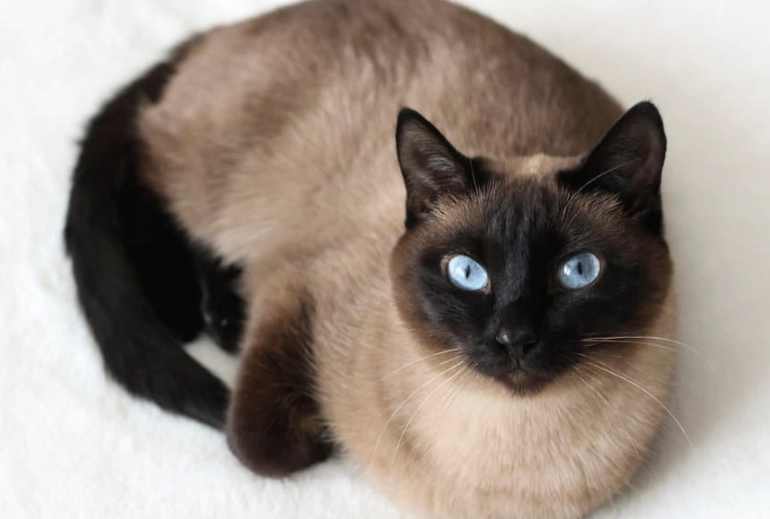
The Short Answer (But Please Keep Reading): The average Siamese cat lifespan typically falls between 15 to 20 years. It's not uncommon to hear of robust individuals reaching 20 or even beyond. This generally places them on the longer-lived end of the domestic cat spectrum. But that "average" is just the starting point—a destination shaped by a million small decisions.
What Really Determines How Long Your Siamese Cat Lives?
You can't just look at a Siamese kitten and predict its future. Their longevity isn't random; it's the result of several key factors intertwining. Some you can influence hugely, others you inherit. Understanding this mix is the first step to proactive care.
The Genetic Blueprint: It's More Than Just Pedigree
Purebred doesn't automatically mean healthy. Reputable breeders focus on health and temperament, not just looks. A Siamese cat from a line carefully screened for genetic issues has a fundamentally better starting point for a long life. The flip side? Backyard breeders or kitten mills often ignore these health tests, passing on problems to the next generation.
The Siamese breed does have a few genetic predispositions we need to be honest about. This isn't to scare you, but to prepare you. Knowing these allows for early detection, which is everything.
A Personal Gripe: I sometimes see forums where people brush off concerns about reputable breeders, saying "a cat is a cat." When it comes to a Siamese cat's potential lifespan, the genetic foundation laid by the breeder is arguably the single most important factor you, as a buyer, can choose. Skipping that due diligence to save a few hundred dollars can cost you—and the cat—dearly in vet bills and heartache later.
The Lifestyle Multiplier: Indoor vs. Outdoor
This is the biggest, most clear-cut factor within your control. The data is overwhelming. The American Veterinary Medical Association (AVMA) and other bodies consistently highlight the dangers of free-roaming outdoor life.
An indoor Siamese cat is shielded from the top causes of premature death: traffic accidents, attacks from other animals, poisoning (intentional or accidental), and exposure to deadly diseases like FIV or FeLV. It's not even close. Keeping your Siamese indoors is the most effective longevity boost you can give them. My Mochi has a secured catio for fresh air and sunshine—it's the best compromise I've found.
The Healthcare Foundation: Prevention Over Cure
Regular vet check-ups aren't just for when your cat is sick. They're the surveillance system for a long Siamese cat lifespan. A kitten schedule, then annual (or bi-annual for seniors) exams allow your vet to establish baselines and catch tiny changes early. This includes core vaccinations, even for indoor cats, as some viruses can be tracked in on shoes or clothes.
Dental health is a massive, often overlooked component. Periodontal disease isn't just about bad teeth; the bacteria can enter the bloodstream and damage the heart, kidneys, and liver. Regular brushing or dental check-ups are non-negotiable for a long, healthy life.
The Health Hurdles: Common Issues That Can Impact Siamese Cat Lifespan
Every breed has its quirks. Being aware of these isn't about paranoia; it's about empowered ownership. Here are the main health conditions that can throw a wrench in the works for a Siamese cat's lifespan.
Let's break them down in a way that's actually useful.
| Health Condition | What It Is / Symptoms to Watch For | How It Affects Lifespan & Management |
|---|---|---|
| Amyloidosis | A disease where abnormal protein (amyloid) deposits in organs, especially the liver in Siamese. Can cause liver failure. Symptoms: Lethargy, poor appetite, vomiting, jaundice (yellow gums/eyes). | Serious, can be fatal. There's no specific cure, but supportive care can manage quality of life. Genetics play a role. Choosing a breeder who tests/avoids lines with this is crucial. |
| Progressive Retinal Atrophy (PRA) | A genetic disease causing gradual degeneration of the retina, leading to blindness. Night blindness is often the first sign. | Doesn't directly shorten lifespan, but a blind cat is at higher risk of household accidents if environment isn't adapted. Genetic testing of parents can prevent it. |
| Cardiomyopathy (like HCM) | Hypertrophic Cardiomyopathy (HCM) is a thickening of the heart muscle. Can lead to heart failure or sudden death. Often shows no early signs. | A major threat to lifespan. Regular vet checks sometimes detect murmurs. Ultrasound is definitive. Medications can manage the condition for years if caught early. |
| Asthma/Bronchial Disease | Siamese seem predisposed to respiratory inflammation. Symptoms: Coughing fits (often mistaken for hairballs), wheezing, labored breathing. | Managed well with inhalers (like humans use), it shouldn't majorly impact lifespan. Left untreated, it's stressful and damaging. Avoid dusty litters and strong aerosols. |
| Dental Issues (Gingivitis/Stomatitis) | Severe oral inflammation. Siamese may be prone to painful stomatitis. Symptoms: Red, swollen gums, drooling, reluctance to eat, pawing at mouth. | Chronic pain and infection can affect overall health and kidney/heart function. Meticulous dental care, from brushing to professional cleanings, is vital for a long Siamese cat lifespan. |
| Crossed Eyes (Strabismus) & Kinked Tail | Classic, old-school Siamese traits from the original gene that created the color points. The kink is at the very tip of the tail. | Zero impact on lifespan or health. Purely cosmetic quirks. Modern breeding has mostly bred out the crossed eyes, but they're a fun nod to history. |
See the pattern? Many of the serious threats are silent until they're advanced. That's why that relationship with your vet is so critical. You're not being a hypochondriac; you're being a good detective.
Your Action Plan: How to Actively Extend Your Siamese Cat's Lifespan
Okay, so we know the problems. What are the solutions? This is the practical, roll-up-your-sleeves part. These aren't just tips; they're the pillars of a long Siamese cat lifespan.
Nutrition: Fueling Longevity from the Inside Out
You are what you eat, and that goes double for cats. A Siamese cat's diet is the cornerstone of its health. Forget the cheap grocery store fillers.
- High-Quality Protein: Cats are obligate carnivores. The first ingredient should be a named meat (chicken, turkey, fish). Look for foods that meet the nutritional guidelines set by the Association of American Feed Control Officials (AAFCO) for "all life stages" or the specific stage your cat is in.
- Wet Food is Your Friend: I can't stress this enough. Canned or pouch food has high moisture content, which is essential for kidney and urinary tract health. Chronic dehydration is a slow killer. My rule is at least one wet meal a day, if not all.
- Portion Control is Everything: Siamese are svelte, but they can get chunky if free-fed. Obesity leads to diabetes, arthritis, and heart disease—all lifespan shorteners. Use a measuring cup, follow guidelines, and adjust based on your cat's activity. Feel their ribs; you should be able to easily feel them under a thin layer of fat.
Environmental Enrichment: A Happy Cat is a Healthy Cat
Stress and boredom are silent killers. A Siamese cat is intelligent, active, and social. A bored Siamese is a depressed Siamese, and that affects their immune system.
- Vertical Space: Cat trees, shelves, window perches. They love to survey their kingdom from up high. It also encourages climbing and jumping, which is great exercise.
- Interactive Play: Daily play sessions are non-negotiable. A wand toy that mimics prey (feathers, mice) gets them running, pouncing, and thinking. It's mental and physical stimulation. 15 minutes twice a day can work wonders.
- Puzzle Feeders: Turn mealtime into brain time. It slows down fast eaters and satisfies their hunting instinct. A simple muffin tin with kibble in some cups works.
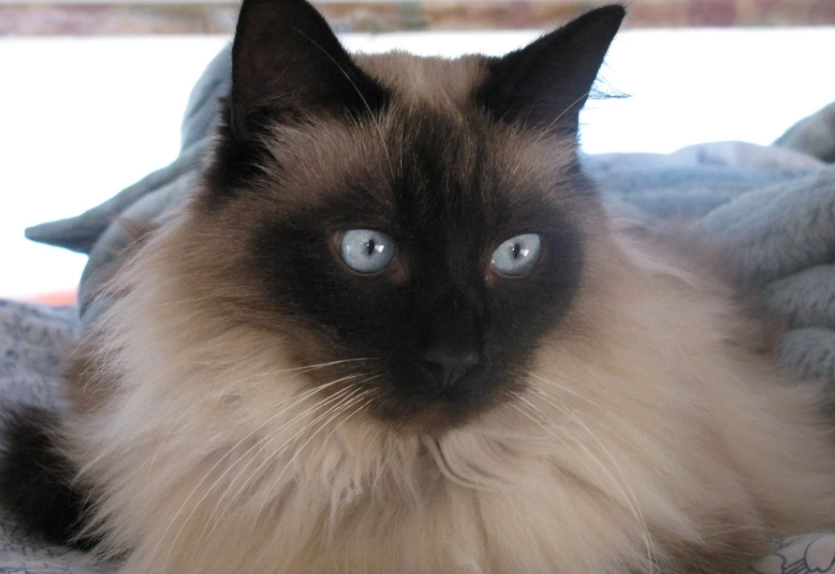
Seriously, don't underestimate this. A stimulated Siamese is less likely to develop stress-related behaviors or diseases.
The Senior Shift: Caring for Your Aging Siamese
Around age 10-11, your Siamese is entering its golden years. The goal isn't just to extend the Siamese cat lifespan, but to ensure those extra years are comfortable and joyful. This requires a shift in mindset.
Senior Cat Checklist: • Bi-annual Vet Visits: Things change faster now. Twice-yearly check-ups with blood work are key to catching kidney disease, hyperthyroidism, or diabetes early. • Home Modifications: Think about accessibility. More litter boxes on each floor (with lower sides). Ramps or steps to favorite perches if jumping is hard. Orthopedic beds for achy joints. • Diet Transition: Talk to your vet about a senior-specific or kidney-support diet. They often have adjusted protein/phosphorus levels. • Gentle Play: They still want to interact! Switch to gentler, ground-based play if they have arthritis.
Watching them age is bittersweet, but providing thoughtful care for your senior Siamese is one of the most rewarding parts of the journey.、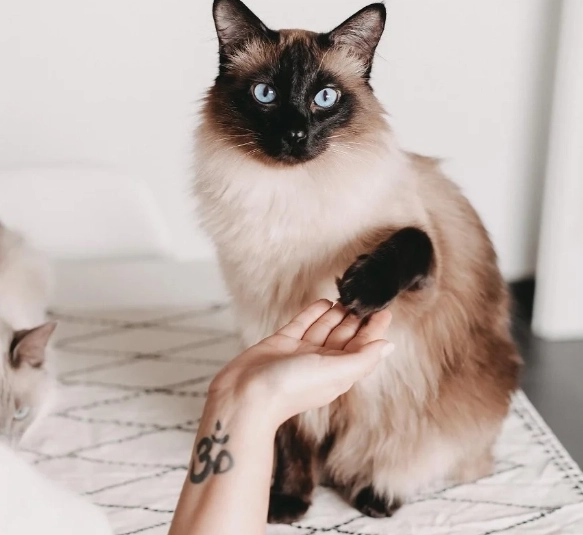
Answering Your Real Questions (The FAQ Section)
Changes in habits: Suddenly missing the litter box, sleeping in new hidden spots, not jumping on counters they used to love.
Changes in interaction: Hiding more, being irritable when touched (especially in a specific area), or becoming unusually clingy.
Physical signs: Loss of appetite, weight loss (feel their spine and hips regularly), unkempt coat (stops grooming), changes in drinking/urination.
Any persistent change is a reason for a vet visit. It's always better to be told it's nothing than to miss something critical.
Wrapping It Up: The Lifespan Mindset
At the end of the day, focusing on the Siamese cat lifespan isn't about obsessing over a number. It's about committing to the quality of every single day you have together. It's the daily play session, the choice of a good meal, the annual vet trip you might think about skipping, the decision to keep them safely indoors.
The beautiful, chatty, loyal Siamese cat gives us so much. Their potential for a long, shared journey is one of their greatest gifts. By understanding the risks and embracing the proactive care strategies we've talked about, you're not just hoping for a long life for your cat—you're actively building it, one thoughtful choice at a time.
It's a partnership. And honestly, seeing my now 14-year-old Mochi still chirping at birds from his catio, still demanding his evening play session, makes every bit of that effort worth it. Here's to many, many more years with your blue-eyed friend.