Quick Navigation
You see them everywhere. In memes, curled up on windowsills in your neighborhood, maybe even purring on your own lap right now. The grey tabby cat is arguably one of the most common and recognizable feline faces on the planet. But here's the thing most people get wrong right off the bat: "grey tabby" isn't a breed. Not even close. It's a coat pattern and color that shows up across dozens of cat breeds, from the humble domestic shorthair to the regal Maine Coon. This misunderstanding is where a lot of confusion starts for potential owners. I remember when I first brought home my own grey tabby, a rescue I named Mochi. I was so focused on his beautiful silver stripes that I didn't even think to ask about his specific needs. I just assumed all cats were the same. Big mistake.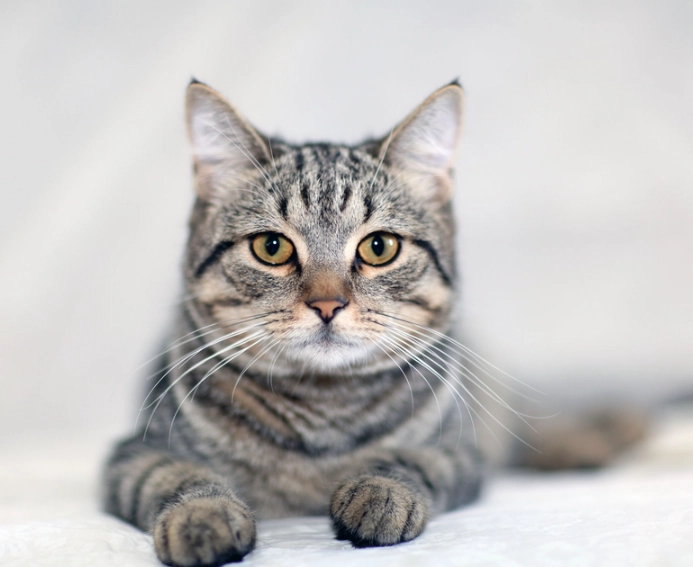
So, what are you really getting into when you welcome a grey tabby into your home? Is their personality tied to those iconic stripes? Are they healthier or harder to care for? This guide is the one I wish I'd had. We're going to dig past the Instagram-worthy looks and talk about the real cat underneath—the good, the bad, and the hilariously quirky.
What Exactly Is a Grey Tabby Cat?
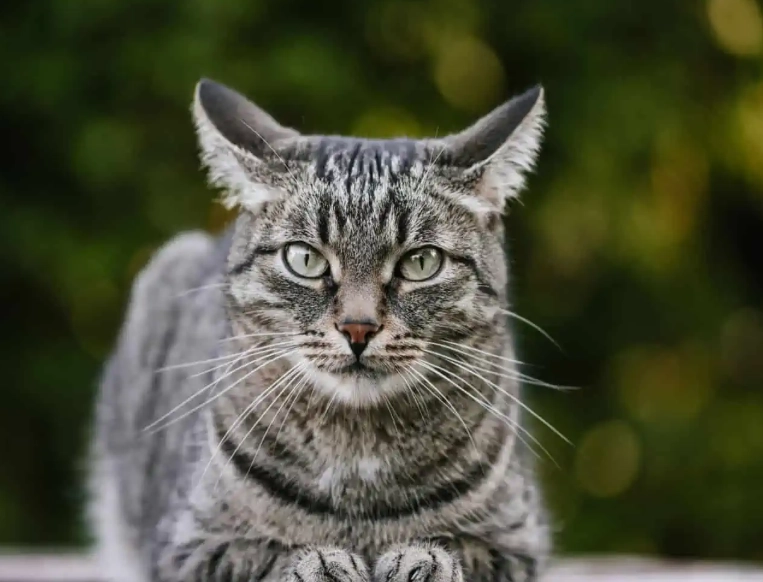
Let's clear this up first, because it's the most important piece of the puzzle. When you say "grey tabby," you're describing two separate things: the color (grey) and the pattern (tabby). The tabby pattern is the default setting for domestic cats. It's not a fancy mutation; it's the original blueprint. That distinctive "M" marking on the forehead? That's a classic tabby signature. The International Cat Association (TICA) breaks down tabby patterns into four main types, which we'll get to in a second.
The grey color itself can range from a cool, almost silvery light grey to a deep, charcoal slate. Sometimes you'll hear them called "blue tabbies," especially in certain pedigree breeds like the British Shorthair, where the grey is a specific, dilute shade. But on the street, we usually just say grey. The combination—the grey ground color with darker grey or black stripes, swirls, or spots—is what creates the look we all know and love.
Thinking of getting a grey tabby cat? You're not choosing a breed. You're choosing a look. And that look can come wrapped around a huge variety of personalities and care requirements.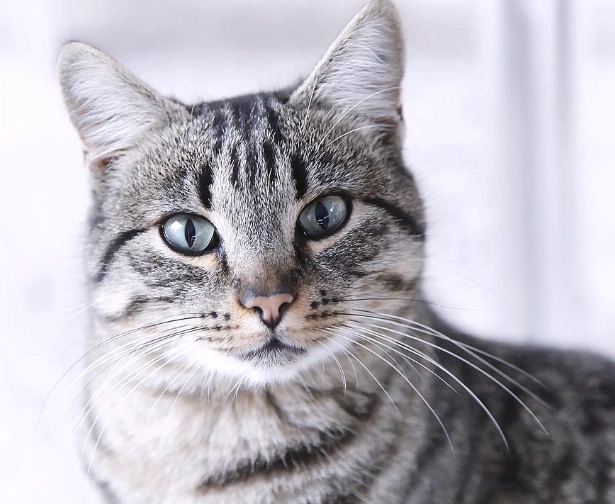
Grey Tabby Cat Breeds & Coat Variations
This is where it gets interesting. You can find that gorgeous grey tabby coat on so many different body types and with so many different temperaments. It's like choosing a car model and then picking the paint job. Here are some of the most common breeds where you'll spot a grey tabby cat strutting their stuff:
| Breed | Origin | Typical Weight | Lifespan | Key Grey Tabby Traits |
|---|---|---|---|---|
| Domestic Shorthair (DSH) | Mixed ancestry | 8-12 lbs | 12-20 years | The most common. A genetic melting pot, so personality and health are a lottery. My Mochi is a DSH, and he's a talkative, quirky guy. |
| Maine Coon | United States | 12-18 lbs (or more!) | 12-15 years | Gentle giants. Grey tabby Maine Coons are stunning, with long, shaggy fur and tufted ears. Friendly and dog-like. |
| British Shorthair | Great Britain | 9-17 lbs | 12-20 years | Dense, plush "blue" (grey) coat. The classic "Cheshire Cat" look. Calm, easygoing, not overly clingy. |
| Norwegian Forest Cat | Norway | 12-16 lbs | 14-16 years | Built for cold climates. Water-resistant long hair. A grey tabby "Wegie" looks like a mythical forest creature. Sweet and adventurous. |
| Abyssinian | Ethiopia (disputed) | 6-10 lbs | 9-15 years | Usually a "ticked" tabby pattern (more on that below). Sleek, muscular, and perpetually in motion. Not a lap cat, but a playful companion. |
See what I mean? The personality of a petite, energetic grey tabby Abyssinian is worlds apart from a laid-back, chunky grey British Shorthair. The coat is just the wrapping paper.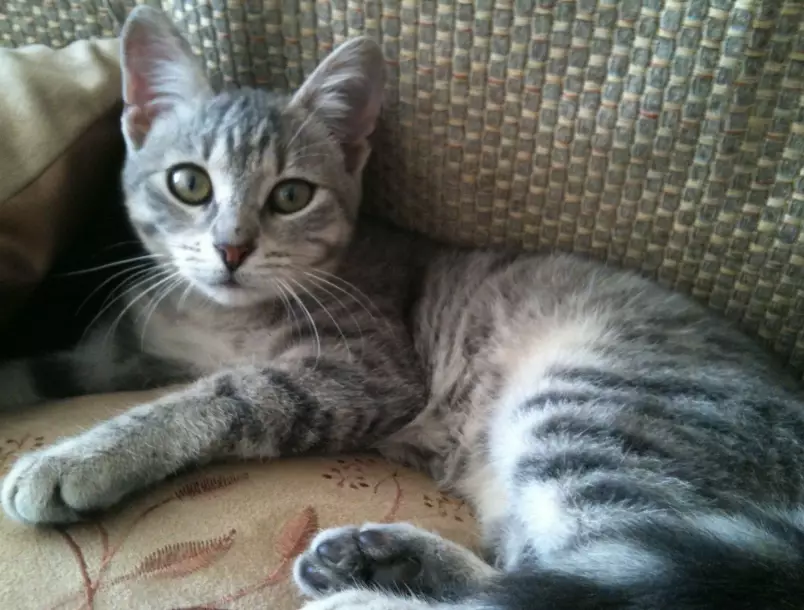
The Four Tabby Patterns: Which One Does Your Cat Have?
Not all grey tabbies are striped the same way. Knowing the pattern is a fun piece of cat trivia. Check your cat's sides and tail.
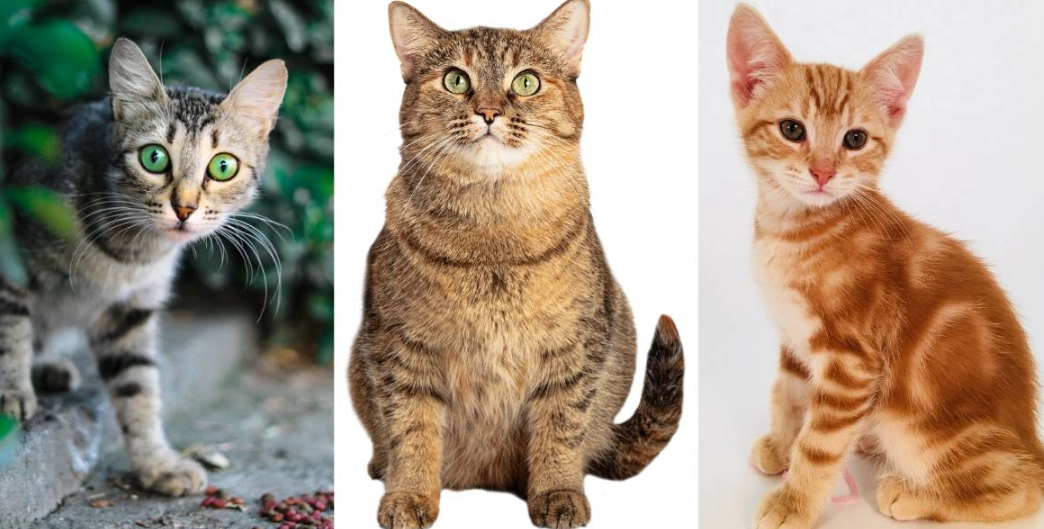
- Mackerel (Striped): This is the classic "tiger stripe." Narrow, vertical stripes run parallel down the sides. It's probably the most common pattern you'll see.
- Classic (Blotched or Marbled): Instead of stripes, you get thick, swirling patterns that often look like bullseyes or marble cake. Very dramatic and beautiful.
- Spotted: As it sounds, the pattern breaks up into distinct spots of various sizes. Some people think it looks like a miniature leopard.
- Ticked (Agouti): This one is subtler. From a distance, the cat looks like a solid grey, but up close, each individual hair is banded with light and dark colors. The Abyssinian is the prime example. You might still see faint stripes on the legs and tail.
Mochi is a mackerel tabby. Sometimes I just stare at his perfectly aligned stripes and wonder how nature even does that. It's like living with a little piece of art that yells for food at 5 AM.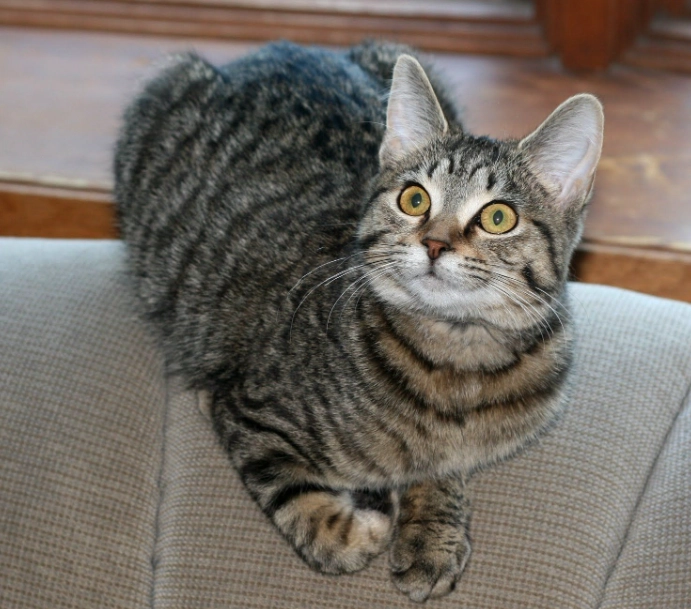
The Grey Tabby Cat Personality: Myths vs. Reality
Alright, let's tackle the big question everyone has: are grey tabby cats friendly? Are they smart? Lazy? This is where breed matters way more than coat color. The idea that a cat's fur color determines its personality is mostly an old wives' tale, but some studies and a ton of owner anecdotes suggest there might be loose correlations. I stress "might" because every cat is an individual.
Myth: All grey tabbies are aloof and independent.
Reality: This is a huge generalization. My DSH grey tabby is a stage-five clinger who must be in the same room as me at all times. Meanwhile, a friend's grey tabby Scottish Fold is perfectly content to ignore humans for hours. Breed and socialization play a far bigger role.
That said, many owners of grey tabbies report a few common threads. They're often described as:
- Adaptable: They seem to handle changes in routine or environment a bit easier than some more high-strung, color-point breeds (like Siamese).
- Good-natured: While not a guarantee, the common domestic shorthair grey tabby often has a reputation for being an easygoing, "middle-of-the-road" cat. Not too needy, not too distant.
- Playful and Intelligent: The tabby pattern is linked to the wild ancestors of cats, and many grey tabbies retain a sharp, inquisitive mind. They often enjoy puzzle toys and learning tricks.
But here's a personal negative I've noticed with Mochi: his intelligence can be a problem. He learned how to open cabinet doors. Not just push them, but hook his paw and pull. I had to get childproof locks for the kitchen. A dumb cat wouldn't do that. So, be careful what you wish for with a smart pet.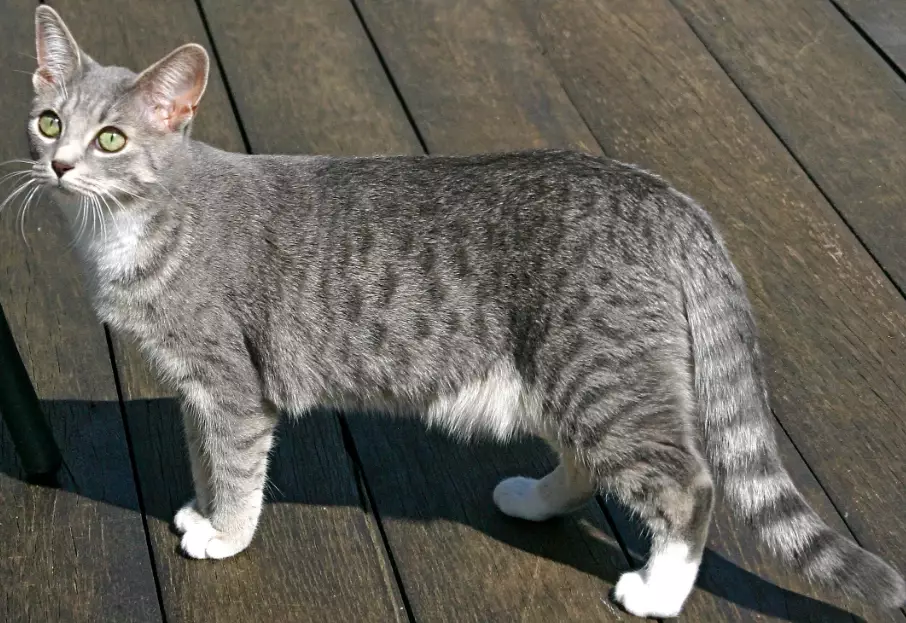
Are Grey Tabbies More Vocal?
This one really depends. There's no scientific link between a grey coat and a loud mouth. However, if your grey tabby cat is part of a traditionally vocal breed mix (like having some Siamese ancestry somewhere way back), you might get a chatterbox. Mochi talks. A lot. He has a specific chirp for "hello," a longer meow for "I'm starving," and a grumpy mutter when I move him off my keyboard. It's endearing most of the time, but at 6 AM on a Saturday, I have my doubts.
Living With a Grey Tabby: Care, Health, and The Real Deal
Owning a grey tabby cat isn't about caring for a color. It's about caring for the breed wearing that color. A grey tabby Persian needs daily grooming. A grey tabby Cornish Rex might need sweaters because they have almost no fur. You have to know what's underneath the stripes.
Grooming Your Grey Tabby
Grooming needs are all about hair length.
- Short-haired grey tabbies (like most DSHs): A quick brush once or twice a week is usually plenty to reduce shedding and hairballs. They're pretty low-maintenance.
- Long-haired grey tabbies (Maine Coon, Norwegian Forest Cat): This is a commitment. You need to brush them several times a week, without fail, to prevent painful mats and tangles. That beautiful, flowing grey coat turns into a giant felted mess if neglected.
One perk of a grey coat? Dandruff and loose fur are less visible on your dark clothes than from a white cat! But they show up terribly on black pants. You can't win.
Common Health Considerations
Again, breed is the primary health predictor. However, since the vast majority of grey tabbies are domestic shorthairs of mixed ancestry, they often benefit from "hybrid vigor"—they can be quite robust and healthy. But you still need to watch for common cat issues.
Some conditions that can affect any cat, including grey tabbies:
- Dental Disease: Super common. Regular teeth brushing (if you can manage it) or dental treats/dry food can help.
- Obesity: That easygoing personality can sometimes translate to being a couch potato. Portion control is key. A fat cat isn't a cute cat; it's an unhealthy cat facing joint pain and diabetes.
- Kidney Disease: More common in older cats. Regular vet check-ups and ensuring they drink enough water are crucial.
Pro Tip: No matter what breed your grey tabby is, the single best thing you can do is find a good vet and stick to a schedule of annual check-ups. Catching problems early is everything. The American Veterinary Medical Association (AVMA) provides excellent general cat care guidelines that are a great starting point for any owner.
I learned the vet lesson the hard way. I skipped one year with a previous cat, thinking "he seems fine." He wasn't. It cost more in the long run and caused a lot of stress. Don't be like past me.
Diet and Nutrition: What to Feed Your Striped Friend
There is no "grey tabby cat diet." Please ignore any marketing that suggests otherwise. You feed them based on their age (kitten, adult, senior), activity level, and any specific health needs. High-quality protein should be the first ingredient. Whether it's wet, dry, or a mix is a debate for you and your vet. Mochi gets a mix because he doesn't drink enough water on his own, and the wet food helps with hydration.
Grey Tabby Cat FAQs: Answering Your Real Questions
Final Thoughts: Is a Grey Tabby Cat Right for You?
Look, I love my grey tabby. Coming home to his little striped face and hearing his happy chirp is one of the best parts of my day. But I didn't choose him because he was a grey tabby. I chose him because at the shelter, he was the one who reached his paw out of the cage and gently tapped my arm. The coat was just a bonus.
If you're considering adding a grey tabby cat to your family, here's my advice: Look past the stripes. Focus on the individual cat's energy level, their history (if known), and how they interact with you. Are they playful or calm? Confident or shy? Do they match your lifestyle? A high-energy Abyssinian grey tabby will destroy your apartment if you're never home, while a sedate British Shorthair grey tabby might be the perfect companion for a quiet bookworm.
The magic of the grey tabby cat isn't in a universal personality trait linked to its fur. The magic is in the incredible diversity that this one beautiful coat pattern contains. You could get a chatty goofball like Mochi, a dignified gentle giant, or a sleek mini-panther. It's a wonderful surprise wrapped in a timeless, silver-striped package.
Do your homework on cat care in general. Be ready for the financial commitment (food, litter, vet bills). And then, go meet some cats. Let the right one choose you. The color of its stripes will be the last thing on your mind.