Ever wondered why that friendly neighborhood cat is often orange? Or why internet memes are flooded with pictures of chunky, blissed-out ginger tabbies? There's more to orange cats than just a sunny coat. Their color is a genetic story, their population a statistical quirk, and their reputation a fascinating blend of observation and myth. I've lived with cats for over twenty years, fostered dozens, and the orange ones always leave a distinct impression. Let's cut through the fluff and get into what truly makes them special.
Quick Navigation: What's Inside?
The "Orange Cat" Personality: Myth or Measurable Trait?
Ask any group of cat lovers, and you'll hear it: orange cats are the golden retrievers of the feline world. They're often described as extra friendly, goofy, and more dog-like. My friend's cat, Marmalade, would fetch his toy mouse and greet every guest at the door. But is there any truth to this, or is it just a charming stereotype?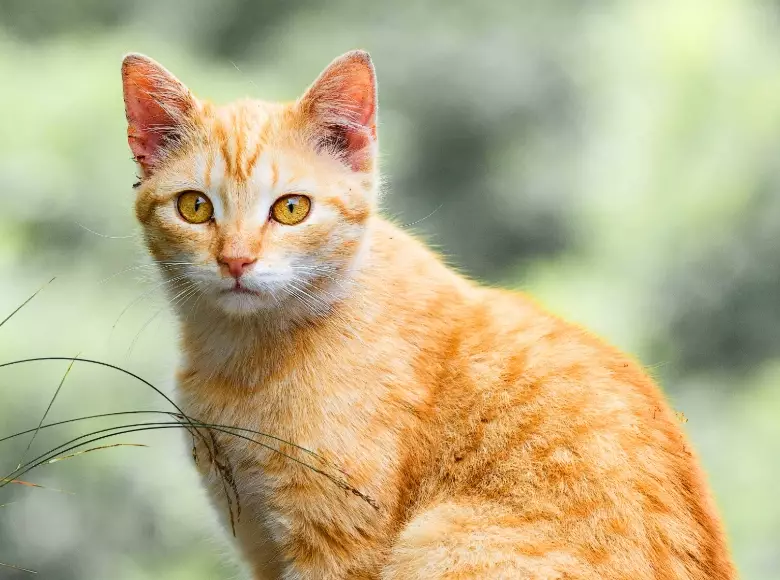
The answer is murky. Formal scientific studies on coat color linked to personality are scarce and often contradictory. However, the anecdotal evidence from veterinarians, shelter workers, and countless owners is overwhelming. The connection might be less about the pigment and more about visibility. Orange tabbies are often male (more on that later), and some behavioral research suggests male cats can be slightly more outgoing. But the stereotype is so strong it likely shapes our perception and even their treatment from kittenhood.
Here's the nuanced view most experts miss: a cat's personality is a complex cocktail of genetics, early socialization, and individual experience. Assuming your orange kitten will be a lap cat because of his fur is a recipe for disappointment. I've met aloof gingers and cuddly black cats. But if there's a grain of truth, it might be tied to that male majority. Their reputation for being affectionate food-motivated clowns might just be a side effect of population statistics.
Why Are Most Orange Cats Male? The Genetics Simplified
This is the hard science behind the orange mystery. The gene for orange fur (technically, "red" or "ginger" in cat genetics) is on the X chromosome. The basic recipe goes like this:
- A male cat (XY) only needs one copy of the orange gene from his mother to be orange.
- A female cat (XX) needs two copies—one from each parent—to display the full orange color.
This makes solid orange females less common. Many "orange" females are actually tortoiseshell or calico, with patches of other colors. So, when you see that bright ginger cat, there's about an 80% chance it's a male. It's a simple roll of the genetic dice.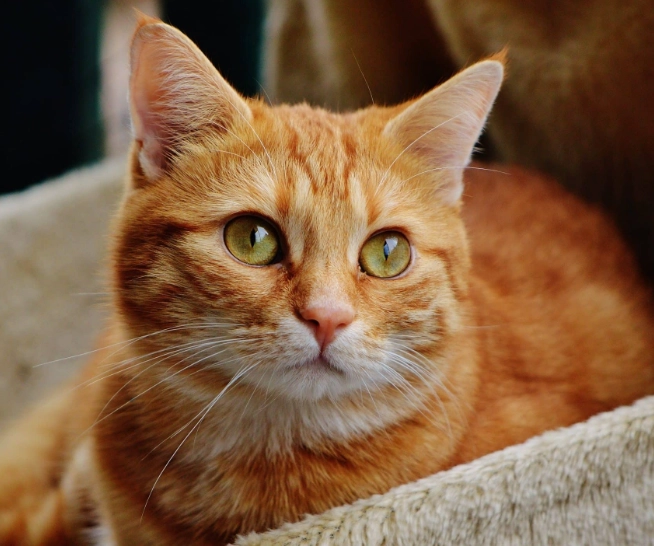
I once fostered a litter where the only male was a vibrant orange, while his sisters were a mix of tortoiseshell and calico. It was a perfect, living example of this inheritance pattern in action. This genetic fact doesn't influence personality directly, but it does mean the "typical" orange cat behavior people describe is mostly being described about male cats.
The Tabby Pattern: Their Standard Issue Look
Almost all orange cats are tabbies. That distinctive "M" on the forehead, the stripes, the swirling patterns—that's the tabby pattern showing through the orange pigment. It's not a separate breed. You can find orange tabbies in Maine Coons, Abyssinians, and the common domestic shorthair. The shade can range from pale cream to deep reddish-ginger, often with striking white accents on the chest and paws.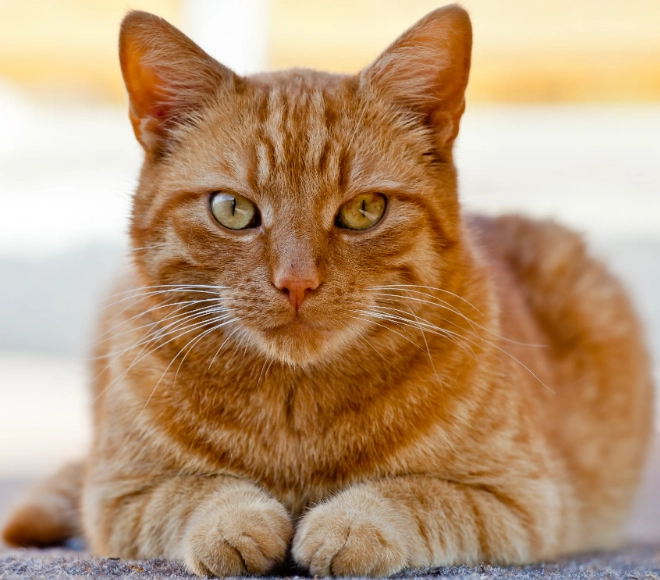
A Touch of Wild History
Look at a big cat like a tiger or a lion. The orange tabby pattern is essentially a diluted wild-type pattern. Some folks like to link the color to historical tomcat travelers, suggesting these genes were spread widely by seafaring cats. It's a nice story, but the reality is simpler: the gene is common and attractive, so it stuck around.
Sunburn and Sensitivity: Any Truth to the Health Rumors?
You might have heard that white cats are more prone to deafness, or that certain colors link to health issues. For orange cats, the main consideration is sun sensitivity, but this applies to all light-colored cats, not just gingers. Their pale ears and noses can be more susceptible to sunburn. The solution isn't complex: limit direct midday sun exposure, and talk to your vet about pet-safe sunscreen if they're a sunbather.
The bigger health watch for many orange cats, especially males, is weight management. This circles back to that laid-back, food-loving stereotype. A sedentary cat who loves treats is a prime candidate for obesity. It's not the color causing it; it's the potential personality combined with our tendency to over-treat a charming cat.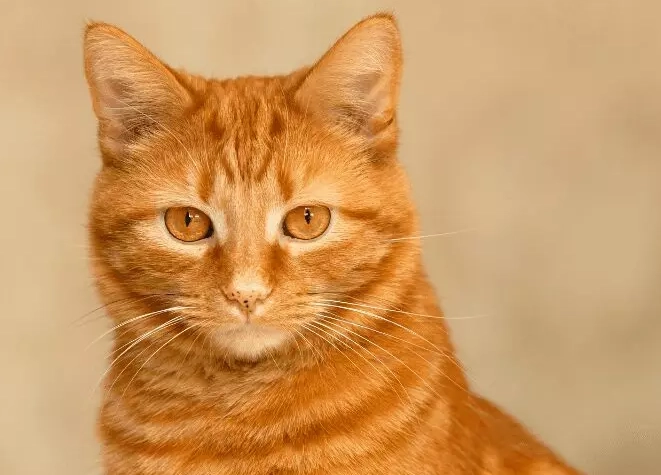
| Common Trait Association | Possible Genetic Link? | Expert Consensus |
|---|---|---|
| Extra Friendly / Sociable | Unproven, but male bias may influence data. | Anecdotal, not scientifically validated. |
| "Chatty" or Vocal | No known link to pigment genes. | Personality is individual. |
| Food Motivation | No direct link, but could be behavioral observation. | All cats can be food-motivated. |
| Laid-back / "Clownish" | No genetic correlation established. | Confirmation bias likely plays a role. |
A study published in the Journal of Applied Animal Welfare Science surveyed over 1,200 cat owners and found some perceived color-personality links, but these are owner perceptions, not necessarily genetic reality. The Cat Fanciers' Association states plainly that "color does not affect personality." So, while your orange cat might be a total goofball, it's probably because he's a cat, not because he's orange.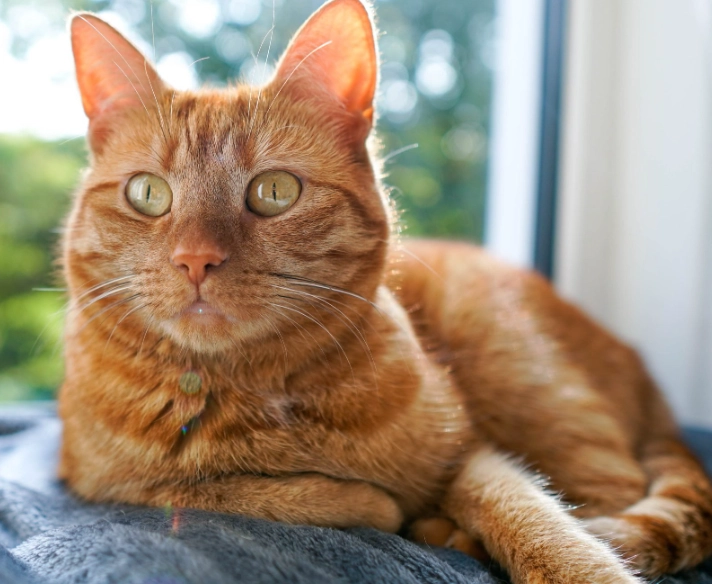
Caring for Your Orange Companion: Any Special Considerations?
Nope. An orange cat's needs are identical to those of a black, gray, or striped cat. They require the same high-quality diet, regular vet checkups, mental stimulation, and loving care. Their specialness is in their history and their reputation, not in a different manual for care.
That said, because of their potential to be more outgoing, they might "ask" for attention more. This isn't a special need, just a potential personality trait to enjoy. Always interact on the cat's terms.
Your Orange Cat Questions, Answered
Are orange cats more prone to specific health issues than other cats?
There is no scientific evidence linking the orange coat color to specific genetic diseases. Health is determined by breed and individual genetics, not pigment. The one indirect link is that if an orange cat is also white or very pale, they can have light-sensitive skin. The major watchpoint, as mentioned, is weight management. Their easygoing stereotype can lead to overfeeding. Regular play and portion control are key, regardless of color.
Is it true that all orange tabby cats are male?
No, but it's mostly true. Due to the genetics involved, about 80% of orange tabbies are male. Female orange tabbies do exist, but they are less common. If you see a tortoiseshell or calico cat with orange patches, that's almost certainly a female.
Why does my orange cat have faint stripes even though he's not a classic tabby?
All orange cats are tabbies. The tabby pattern is the default cat pattern, and the orange pigment simply overlays it. Even if your cat looks solid orange, in certain lights you might see ghost stripes. This is completely normal and a nod to their wild ancestors.
I've heard orange cats are less common in shelters. Is that true?
This is a persistent piece of shelter folklore with no hard data to back it up. Shelter populations vary wildly by region. The perception might come from their friendly reputation making them easier to adopt quickly. The best way to know is to check your local shelters—you might be surprised.
Beyond the Color: Celebrating the Individual
At the end of the day, an orange cat is just a cat with a particular pigment. A stunning one, sure, but the magic is in the individual. Their color is a conversation starter, a piece of genetic history worn on their fur. Whether yours is a dignified ginger senior or a rambunctious orange kitten, their personality is their own.
Love them for their quirks, provide them with excellent care, and enjoy the sunshine they bring into your home. That's the real secret they share, regardless of stripe or shade.
For more detailed genetic information, resources like the Cat Fanciers' Association and studies published in veterinary genetics journals can offer deeper dives. The UC Davis Veterinary Genetics Lab has publicly available resources on coat color inheritance.