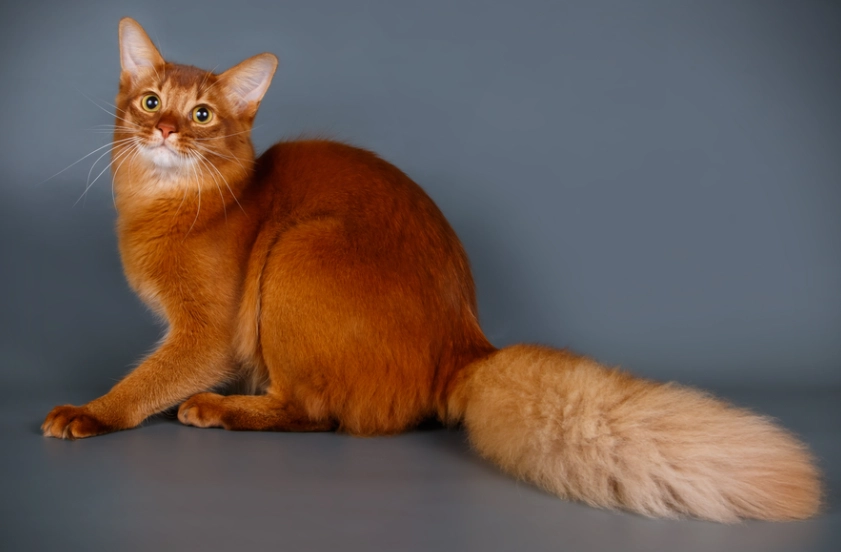
That image of a majestic brown long-haired cat, fur gleaming like polished mahogany, is what draws many people in. I’ve lived with two of them for over a decade. Let me tell you, the reality is both more wonderful and more demanding than the fantasy. It’s not just about a color and a coat length—it’s a commitment to a specific kind of feline lifestyle with unique needs. Whether you’re considering bringing one home or are struggling with the grooming battle, this guide cuts through the fluff to give you the practical, expert-backed advice you need.
Your Quick Guide
Meet the Breeds: Who Sports That Brown Coat?
"Brown long-haired cat" isn't a breed itself. It's a description that fits several breeds, each with a distinct personality. The brown can range from a cool, smoky taupe to a warm, reddish cinnamon. The Cat Fanciers' Association (CFA) and The International Cat Association (TICA) recognize specific color classes for these breeds.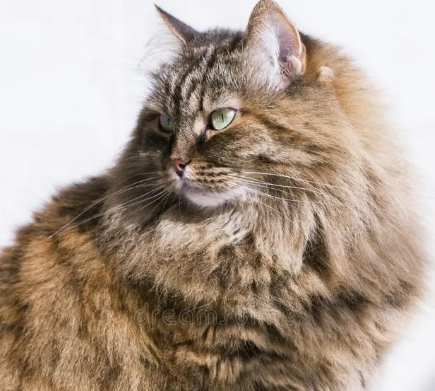
Here are the most common contenders you'll likely encounter:
- Maine Coon: The gentle giant. Their brown coats are often tabby-patterned (classic, mackerel, or ticked), giving that beautiful wild, rustic look. Think brown tabby with white accents. They're dog-like, playful, and surprisingly chatty.
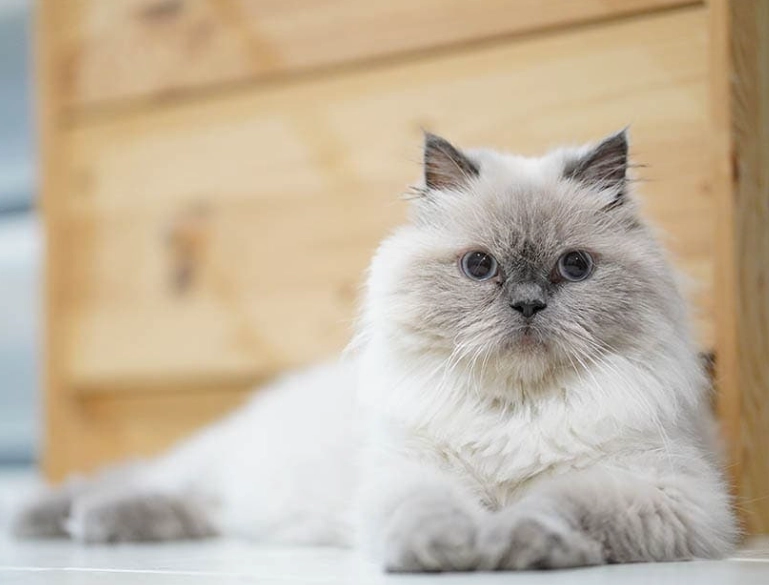
- Persian/Himalayan: The epitome of luxury. Solid brown Persians are rarer, but stunning. More common are chocolate or lilac point Himalayans (a Persian-Siamese cross), where the brown is concentrated on the face, ears, paws, and tail. They are calm, quiet, and prefer a serene lap to a chaotic house.
- Norwegian Forest Cat: Built for Scandinavian winters. Their brown coat is dense, woolly underneath with a long, water-resistant topcoat. They come in solid brown and various brown tabby patterns. They are adventurous but sweet, often retaining a playful, kittenish side into adulthood.
- Ragdoll: Known for their floppy, relaxed demeanor when held. Ragdolls are pointed cats, so their "brown" appears as seal point (a very dark brown-black) or chocolate point. Their fur is silky, not woolly, which affects grooming needs.
- The Domestic Longhair: The most common of all! This is your wonderful mixed-breed cat. A brown Domestic Longhair can have any combination of the traits above and is just as deserving of a loving home. Their personality and coat type are a delightful surprise package.
A note on color genetics: That rich brown color is often the result of a recessive gene. In many breeds, the more common "black" pigment (eumelanin) is genetically modified to appear brown (chocolate or cinnamon). This is why solid brown cats are less common than black or tabby ones. If you see a brown tabby, the pattern is created by the agouti gene, allowing the background color to show as bands of brown and black.
The Grooming Routine That Actually Works
This is the make-or-break section. Fail here, and you’ll have a miserable, matted cat and vet bills for skin infections. Succeed, and you’ll have a bonding ritual your cat might even enjoy.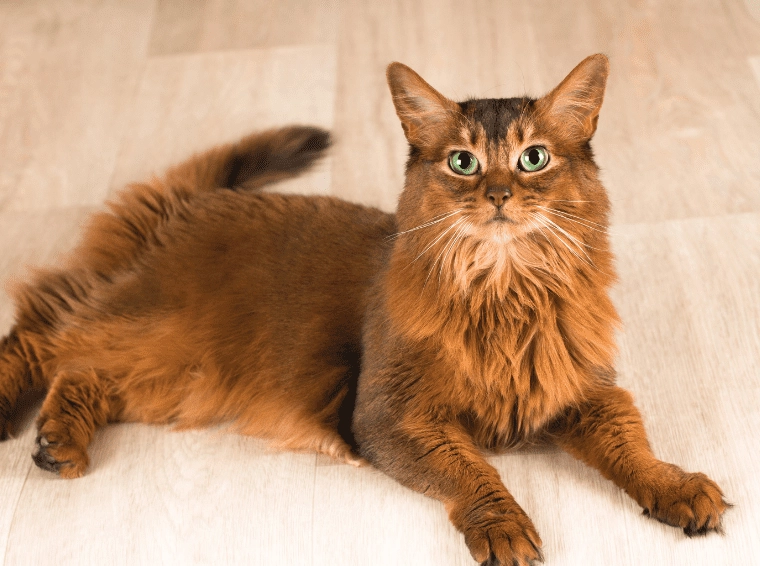
The biggest mistake I see? People only brush the top layer. Mats form closest to the skin, in the dense undercoat. You have to get your tools to the skin.
Essential Tools of the Trade
| Tool | Purpose | How & How Often |
|---|---|---|
| Stainless Steel Comb | Your primary weapon. Detangles, finds small mats, and reaches the skin. | Start with wide teeth, finish with fine teeth. Use daily. Gently work from tips to roots. |
| Slicker Brush | Great for removing loose hair and finishing the top coat. | Use after combing, 2-3 times a week. Be gentle—don't scratch the skin. |
| Undercoat Rake | Critical for double-coated breeds (Maine Coon, Norwegian). Removes dead undercoat. | Use during heavy shedding seasons (spring/fall), 1-2 times a week. Use with care. |
| Blunt-Tipped Scissors | For safely cutting out small, tight mats you can't comb out. | Emergency use only. Slide a comb between mat and skin to create a barrier before cutting. |
| Cat-Specific Shampoo & Conditioner | Maintains coat health, manages oils, and reduces static. | Bath every 4-8 weeks. Use a no-tears formula. Rinse thoroughly—residue causes mats. |
The Step-by-Step Brushing Session
Start when they're young, if possible. Pair it with treats and calm praise.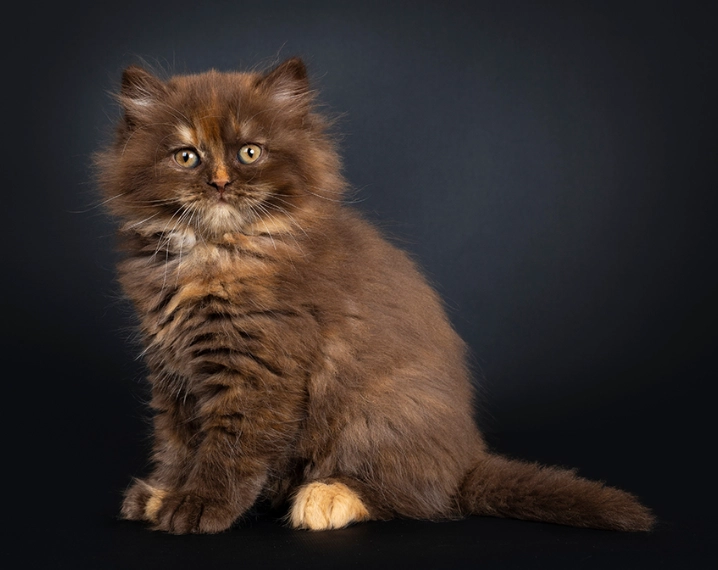
- Check for Mats First: Gently feel behind the ears, under the armpits, the belly, and the "pants" around the hind legs. These are mat hotspots.
- Comb, Don't Just Brush: Always lead with the comb. Section the fur and comb from the skin outward. If you hit a snag, hold the hair at the base to avoid pulling the skin and work the tiniest bit loose at a time.
- Finish with the Brush: Once detangled, use the slicker brush to smooth the topcoat and catch any remaining loose hair.
- The Post-Grooming Reward: A treat, a play session, or just quiet cuddles. Make the association positive.
If mats are already severe and large, don't torture your cat (or yourself). A professional groomer or your vet can safely give them a "lion cut"—shaving the body while leaving fur on the head, tail, and paws. It's a reset button for coat health.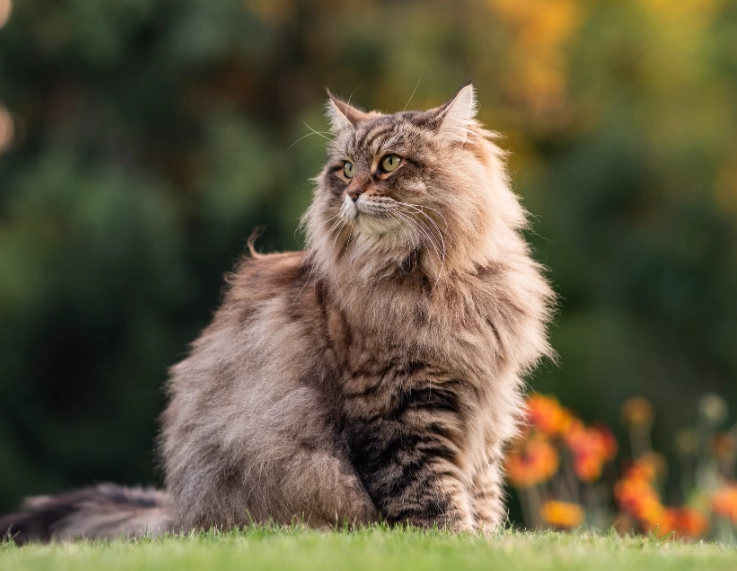
Health Watch: Beyond the Beautiful Fur
All that hair can hide things. You need to be a detective.
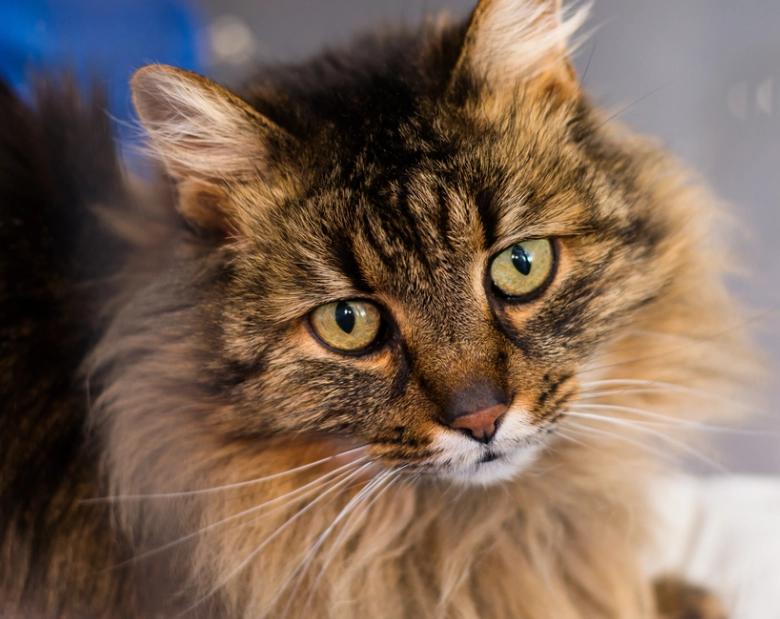
- Hairballs: Inevitable. Long hair means more ingested during grooming. Signs include hacking, gagging, and occasional vomiting of a cylindrical mass. Prevention is key: consistent brushing and a diet or supplement (like malt paste) designed for hairball control. The American Animal Hospital Association (AAHA) notes that frequent hairballs can sometimes indicate other gastrointestinal issues, so mention them to your vet.
- Skin Issues Under Mats: A tight mat pulls on the skin, restricts airflow, and traps moisture. This creates a perfect environment for bacterial or fungal infections, hotspots, and parasites. You might not see the redness or sores until you shave the mat away.
- Parasite Detection: Flea dirt or a tick is nearly impossible to spot in a dense brown coat. You must comb through to the skin regularly, especially if your cat goes outdoors.
- Breed-Specific Concerns: Purebreds can have genetic predispositions. Maine Coons are screened for Hypertrophic Cardiomyopathy (HCM). Persians, with their flat faces, can have brachycephalic syndrome (breathing difficulties) and require extra care to keep tear stains clean. Reputable breeders test for these conditions.
Personality & Creating a Cat-Friendly Home
While personality varies by individual, long-haired breeds often share a tolerant, calm disposition—they had to be to survive centuries of humans fussing with their fur! But they need the right environment.
Your home setup matters more than you think.
- Litter Box Strategy: Use a large, high-sided box. Long hair around the hindquarters can pick up litter, especially clumping litter. Many owners switch to a crystal or pellet litter that's less likely to stick. Place a mat around the box to catch tracked litter.
- Hydration Stations: A cat water fountain is a fantastic investment. The moving water encourages drinking, which improves overall health and skin/coat condition. Place it away from their food bowl—it's a quirk, but many cats prefer it.
- Cool Spaces: All that fur is warm. Ensure they have access to cool, tiled floors or raised beds with breathable fabric, especially in summer. Watch for signs of overheating (panting, lethargy).
Feeding for a Fabulous Coat
You can't brush in a shiny coat. It has to come from within. The foundation is a high-quality, protein-rich diet. Look for named meat sources (chicken, salmon) as the first ingredients.
Specific nutrients are coat superheroes:
- Omega-3 & Omega-6 Fatty Acids: From fish oil (salmon, sardines) or flaxseed. They reduce inflammation and keep skin healthy, minimizing dryness and dandruff that can lead to matting.
- Biotin & Zinc: Essential for skin cell regeneration and hair strength. Found in eggs, liver, and whole grains in quality foods.
- Protein: Hair is made of keratin, a protein. A diet deficient in quality protein leads to dry, brittle fur that breaks and mats easily.
Consider talking to your vet about a supplement if your cat's diet is lacking, but whole-food nutrition is always best. And remember, a fat cat is harder to groom properly. Keep them at a healthy weight.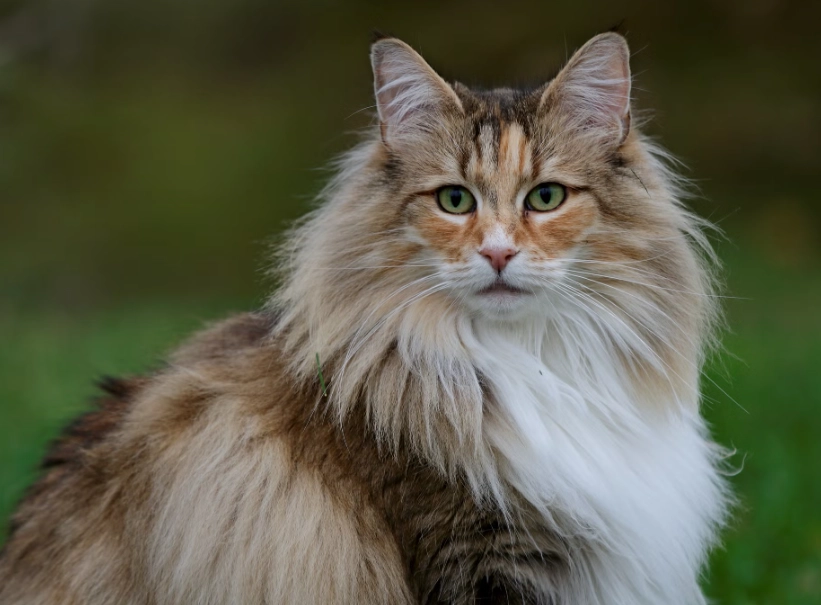
Your Top Questions Answered
Living with a brown long-haired cat is a commitment to beauty and maintenance. It's about seeing past the stunning exterior to the individual cat inside, with its own quirks and needs. The daily grooming isn't a chore if you frame it as dedicated, quiet time with your pet. The payoff is a healthy, happy companion whose magnificent coat is a testament to the care you provide. Do your research on breeds, be brutally honest about the time commitment for grooming, and if you take the plunge, you'll be rewarded with one of the most gorgeous and often gentle feline friends imaginable.