In This Guide
- What Exactly Is a Siberian Cat? Busting the Myths First
- The Siberian Cat Personality: Not Your Aloof Feline
- The Hypoallergenic Question: A Deep, Honest Dive
- Grooming Your Siberian: It's Not That Bad (Really!)
- Feeding and Nutrition: Fueling a Powerful Engine
- Common Health Issues in Siberian Cat Breeds
- Is a Siberian Cat Breed Right For You? The Honest Checklist
- Finding a Siberian Kitten or Cat: Red Flags and Green Lights
So you're thinking about getting a cat, and you keep hearing about this "Siberian" thing. Maybe a friend has one, or you saw a stunning photo online of a cat with a lion's mane and intense eyes. Let's talk about what it's really like to live with one of these Siberian cat breeds. I've been around cats my whole life, and I remember the first time I met a Siberian – it wasn't what I expected at all. It wasn't just a pretty face; it was like a dog in a cat's body, following its owner from room to room. That got me curious.
The Siberian, or the Siberian Forest Cat if you want to be formal, isn't some new designer breed. We're talking about a cat with history, a natural breed that's been kicking around Russia for centuries. They're built for survival, which is pretty obvious once you see that triple-layer coat. But here's the thing everyone whispers about: are they really hypoallergenic? We'll get into that mess, because it's not as simple as a yes or no.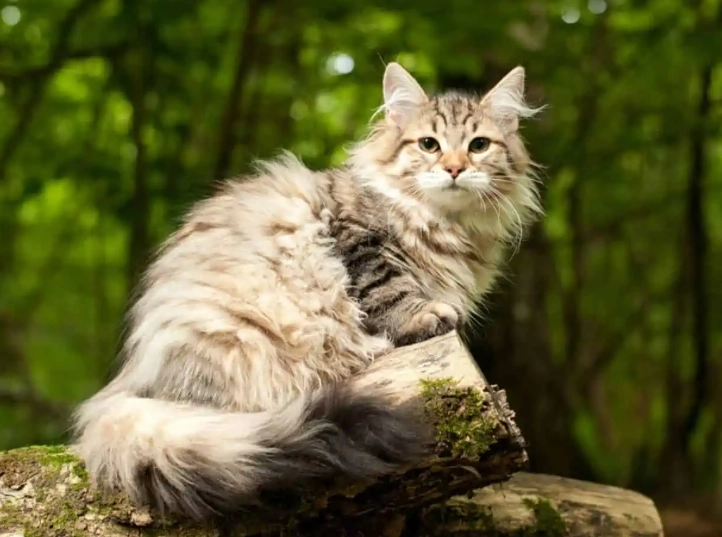
Quick Siberian Cat Facts at a Glance: Think of this as your cheat sheet. A mature Siberian is a substantial animal, with males often weighing 15 to 20 pounds (yes, really) and females a bit smaller. They have a slow development cycle, taking nearly five years to reach full size. Their personality is famously dog-like – affectionate, playful, and surprisingly attached to their people. And that coat? It's weatherproof, designed for Russian winters, and comes in virtually every color and pattern imaginable except for pointed patterns like the Siamese (those are a separate deal, called Neva Masquerade).
What Exactly Is a Siberian Cat? Busting the Myths First
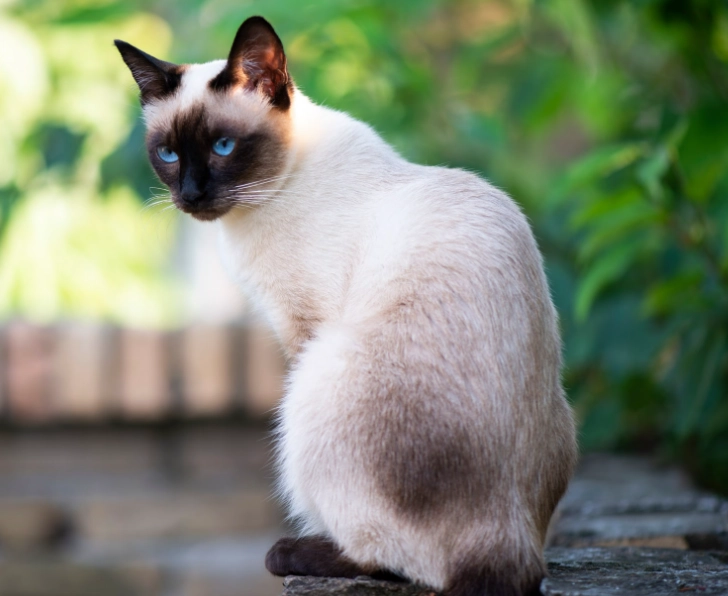
Let's clear the air right away. When people search for "Siberian cat breeds," they might be confused. Technically, there's one Siberian breed. But within that breed, you've got variations in coat color, length, and even a semi-longhair type. The most famous offshoot is the Neva Masquerade, which is essentially a colorpoint Siberian (think Siamese markings). Some registries treat it as a separate breed, others as a color division. It's a bit of a cat fancier's debate.
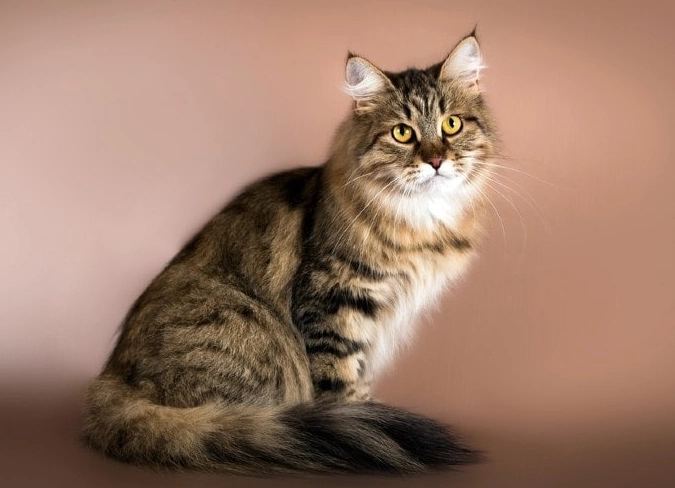
Their origin story is cooler than most. These aren't lab-made cats. They evolved naturally in the unforgiving climate of Siberia. That means every feature has a purpose. The large, rounded paws act as snowshoes. The dense, water-resistant triple coat is obvious. Even the ruff around their neck and the fluffy "britches" on their hind legs serve as insulation. You're not just getting a pet; you're getting a living piece of adaptive evolution.
I sometimes think their look is misleading. They appear massive and imposing because of all that fur, but their build is actually muscular and powerful, not fat. It's a working cat's body. The eyes are another standout – large, almost round, and full of expression. Colors range from stunning golds and greens to deep blues in the Nevas.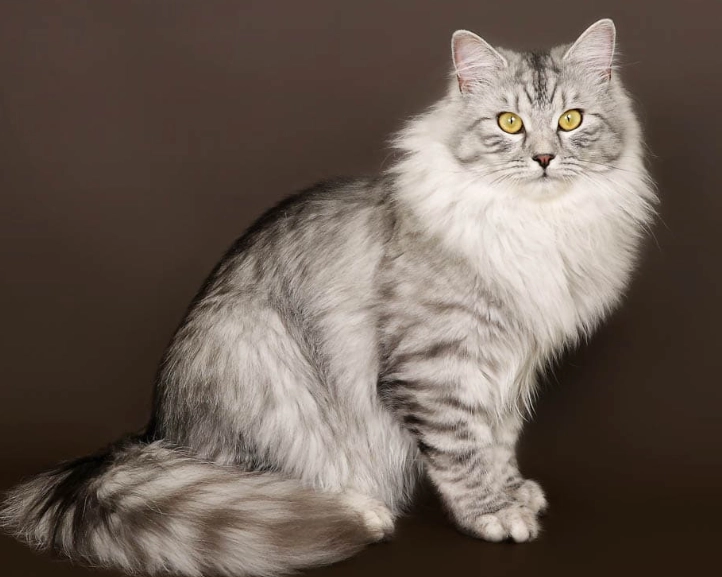
Myth vs. Fact: The Hypoallergenic Hype
Myth: Siberian cats are 100% hypoallergenic and safe for all allergy sufferers.
Fact: This is the biggest misconception. No cat is truly hypoallergenic. Siberians produce less of the Fel d 1 protein, a common allergen found in cat saliva and skin glands, than many other breeds. Some people with mild allergies react less severely to them. However, many people are allergic to other things like dander or a different protein (Fel d 4). The only way to know is to spend time with one. Reputable breeders will often let you visit and see how you react. Don't buy one sight-unseen hoping for a miracle cure; that's a fast track to heartbreak and a rehomed cat.
The Siberian Cat Personality: Not Your Aloof Feline
If you want a cat that ignores you, look elsewhere. The personality of Siberian cat breeds is their biggest selling point for many owners. They are famously people-oriented. They'll greet you at the door. They'll follow you to the bathroom (sorry, no privacy). They tend to be involved in whatever you're doing, whether it's reading a book or making dinner.
They're playful well into adulthood. A lot of cats calm down drastically after kittenhood, but a Siberian often retains a kitten-like curiosity and energy for years. They love interactive toys, fetch (many are great at it), and puzzle feeders. They're also incredibly intelligent. This is a double-edged sword. A smart, bored cat is a destructive cat. You need to provide mental stimulation.
Here's a personal observation I've had from talking to owners: their vocalizations are unique. They don't meow excessively, but they have a wide range of chirps, trills, and soft mews to communicate. It's more of a conversation than a demand. They're also known for being good with children and other pets, including dogs, due to their confident and adaptable nature. They're not easily spooked.
But it's not all perfect. That intelligence and attachment can lead to separation anxiety if left alone for very long periods regularly. They are a breed that thrives on companionship.
Energy Level and Play Needs
You can't just plop a food bowl down and call it a day. A Siberian needs engagement. We're talking at least 30-45 minutes of active play daily. Wand toys, laser pointers (with a physical reward at the end to avoid frustration), and climbing structures are non-negotiable. A cat tree by a window is like a big-screen TV for them. They love to climb to high vantage points. If you don't provide one, your bookshelf or curtain rod might become one.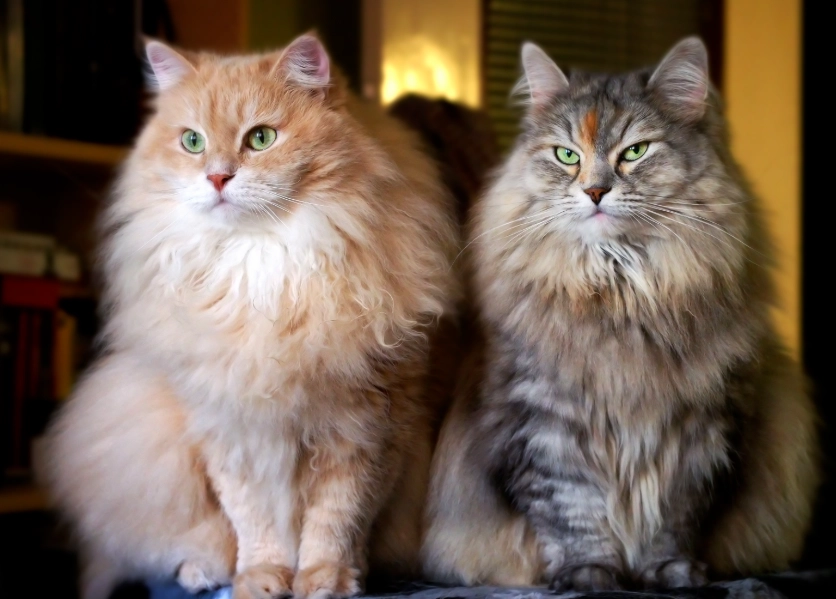
Pro Tip: Train your Siberian! Seriously. Their intelligence means they can learn tricks like sit, high-five, and even walking on a harness. Start young, use positive reinforcement (treats!), and keep sessions short. It's fantastic mental exercise and strengthens your bond.
The Hypoallergenic Question: A Deep, Honest Dive
Okay, let's tackle the elephant in the room. This is why so many people search for Siberian cat breeds. The science, as I understand it from reading studies and breeder information, suggests that some Siberian populations have lower levels of the Fel d 1 allergen. Organizations like the Siberian Research Inc. have been tracking this for years.
But – and this is a huge but – "lower" doesn't mean "none." Allergen levels can vary from cat to cat, even within the same litter. Some breeders claim to have "hypoallergenic lines," but there's no guaranteed genetic marker for this yet. It's mostly anecdotal and based on feedback from allergy-prone owners.
If you have allergies, here's a realistic action plan:
- Visit First: Find a breeder or a rescue with Siberians and arrange multiple visits. Rub your face on the cat (sounds weird, but it's the test). See how you feel after an hour.
- Consider Gender & Color: Some anecdotal reports suggest females and lighter-colored cats produce less Fel d 1. There's no solid proof, but it's a factor some breeders note.
- Manage Your Environment: Even with a Siberian, you'll need to step up your game. HEPA air filters, frequent vacuuming with a HEPA filter vacuum, washing bedding regularly, and keeping the cat out of your bedroom can make a world of difference.
- Consult Your Allergist: Seriously. Talk to a medical professional. They might recommend treatments or strategies.
Don't fall for online scams selling "100% hypoallergenic Siberian kittens." A reputable breeder will be transparent about this issue and encourage testing. The Asthma and Allergy Foundation of America provides great resources on managing pet allergies that are worth a look.
Grooming Your Siberian: It's Not That Bad (Really!)
Looking at that luxuriant coat, you'd think grooming is a daily two-hour nightmare. Surprisingly, it's not. That triple coat is magic. The coarse, water-resistant guard hairs don't mat easily. The dense undercoat does require maintenance, but it's manageable with the right routine.
Weekly: A good brushing session with a stainless steel comb and a slicker brush is key. This gets through the undercoat and prevents mats, especially behind the ears and under the legs. During shedding seasons (spring and fall), you'll need to do this more often – maybe every other day. You'll be amazed at the hairballs you can pull out. Invest in a good vacuum.
Bathing: Wait, bathe a cat? Yes. Many Siberian owners bathe their cats every few months. It helps manage allergens by washing away dander and saliva from the coat, and it controls shedding. Start young so they get used to it. Use a gentle cat shampoo. It's not as hard as it sounds if you're calm and use treats.
Other basics: trim nails every couple of weeks, check ears weekly for dirt, and brush teeth if you can (ideal, but I know it's a struggle for most people).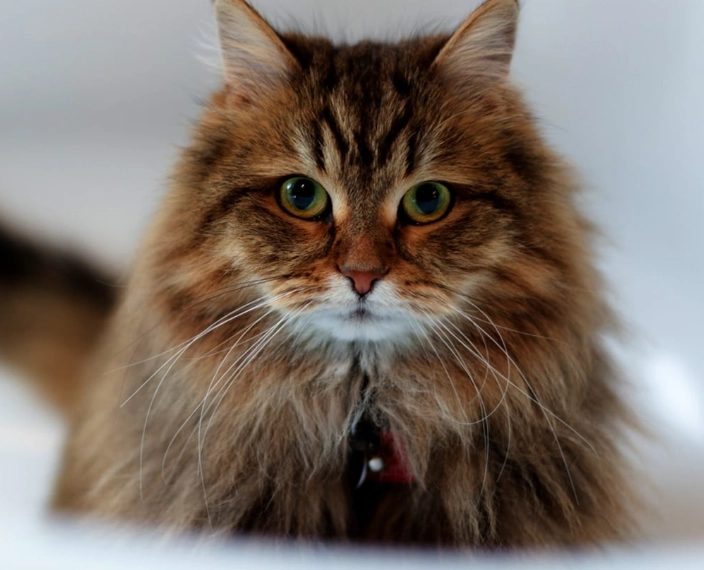
I'll be honest, the first time I helped a friend groom her Siberian during a shed, I thought we'd need a wheelbarrow for the fur. But the cat loved the attention, purring like a motorboat the whole time. It's a bonding activity, not a chore, if you approach it right.
Feeding and Nutrition: Fueling a Powerful Engine
This is a large, active cat. They need high-quality food. Protein should be the first ingredient. Whether you choose wet, dry, or a raw diet (consult your vet on this one) is a personal choice, but quality matters. Siberians are not particularly prone to obesity due to their activity levels, but you still need to watch portion control, especially for neutered/spayed adults.
They tend to have robust digestive systems, a trait from their hardy ancestry. But always transition food slowly over 7-10 days to avoid upset. Fresh water is a must. Consider a cat water fountain, as many cats prefer running water and it encourages them to drink more, supporting urinary tract health.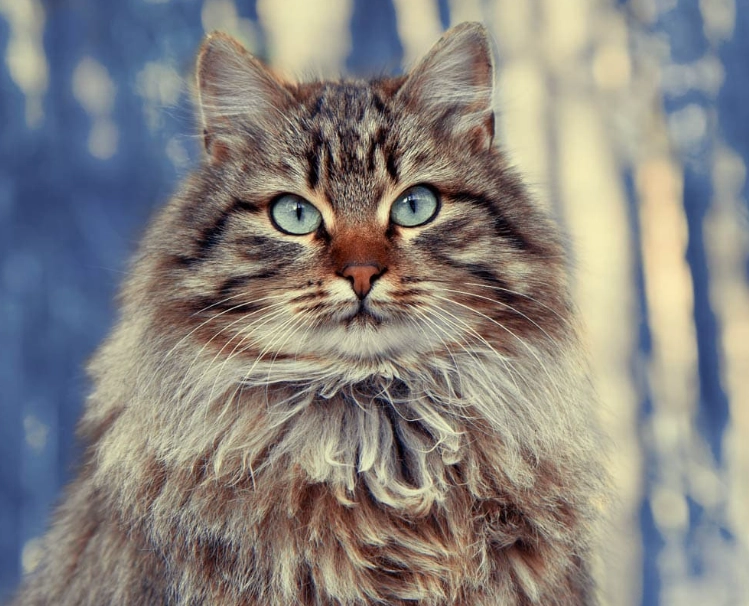
| Food Type | Pros for Siberians | Cons / Considerations |
|---|---|---|
| High-Quality Dry Food | Convenient, good for dental health (though not a substitute for brushing), can be left out for free-feeding grazers. | Lower moisture content. Ensure they drink plenty of water. Some cats overeat. |
| Wet/Canned Food | High moisture content (great for hydration), often higher in protein, more palatable. | More expensive, can contribute to dental plaque if not managed, spoils quickly. |
| Raw or Homemade Diet | Can be very species-appropriate, high in nutrients. | Requires extensive research. Risk of bacterial contamination and nutritional imbalances if not formulated correctly. Must be done under veterinary guidance. |
Common Health Issues in Siberian Cat Breeds
Generally, Siberian cat breeds are considered healthy and robust with a long lifespan (12-15 years or more). Their natural genetic diversity helps. However, like all purebreds, they have some predispositions to be aware of. A responsible breeder will screen for these.
Hypertrophic Cardiomyopathy (HCM): This is a heart disease common in many cat breeds. Reputable breeders will screen their breeding cats with annual echocardiograms by a veterinary cardiologist. Ask for proof of these clearances. There is a genetic test for a specific HCM mutation in some breeds, but its relevance in Siberians is still being studied.
Polycystic Kidney Disease (PKD): This is less common in Siberians than in Persians, but it can occur. Responsible breeders test for it (via ultrasound or genetic test) and do not breed affected cats.
Urinary Tract Issues: Not breed-specific, but any cat can be prone to them. Ensuring a wet-food diet or high water intake is a good preventive measure.
The key is to find a breeder who is open about health testing. The International Cat Association (TICA) and the Cat Fanciers' Association (CFA) list breeders who follow ethical practices and health testing protocols. Don't be shy about asking for health certificates for the kitten's parents.
Regular vet check-ups are your best defense. Once a year for adults, twice for seniors.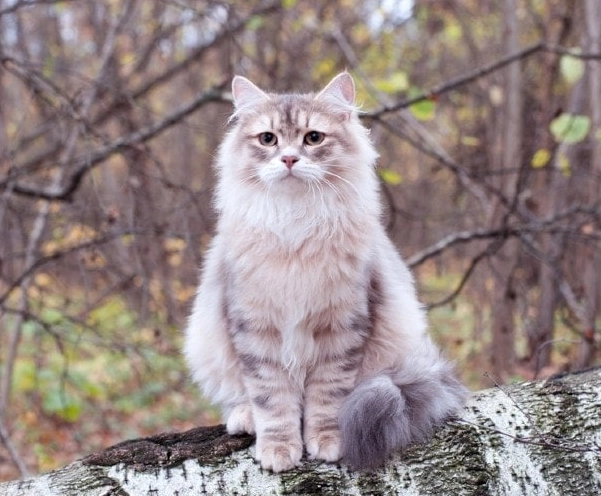
Is a Siberian Cat Breed Right For You? The Honest Checklist
Let's get real. A Siberian isn't for everyone. They're amazing, but they have needs. Ask yourself these questions:
- Time: Do you have at least an hour a day to play, groom, and interact with your cat?
- Space: Do you have room for a large cat tree and space for them to run and play? An apartment is fine if it's enriched.
- Allergies: Have you actually spent time with one to test your reaction? Don't gamble.
- Budget: Can you afford a kitten from a reputable breeder ($1,200 - $2,500+), high-quality food, vet bills, insurance, and grooming tools?
- Lifestyle: Are you home often? If you travel constantly or work 12-hour days, a social Siberian may get lonely and develop behavioral issues.
- Patience: Are you okay with some fur on your clothes and furniture, even with grooming?
If you answered yes to most of these, you might be a great match. If not, maybe a lower-maintenance breed or a wonderful adult cat from a shelter would be a better fit. There's no shame in that.
Finding a Siberian Kitten or Cat: Red Flags and Green Lights
This is the most important step. Getting it wrong can lead to heartache and vet bills.
Green Lights (Good Signs):
- The breeder is registered with TICA or CFA and actively shows their cats.
- They ask YOU more questions than you ask them. They want to know about your home, lifestyle, and experience.
- They provide health clearances for both parents (HCM echocardiogram reports, PKD test results).
- Kittens are raised underfoot in the home, not in a cage or isolated shed.
- They have a contract that includes a health guarantee and requires you to spay/neuter if sold as a pet.
- They allow and encourage you to visit their home to meet the kittens and the mother cat.
Red Flags (Run Away):
- They have multiple litters available all the time, or kittens are always ready immediately.
- They won't let you see where the cats live or meet the mother.
- They offer to meet you in a parking lot or ship the kitten without a prior visit.
- They pressure you to pay a deposit immediately.
- They cannot or will not provide health documentation for the parents.
- They heavily emphasize "hypoallergenic" as a guaranteed fact.
Consider adoption! Breed-specific rescues sometimes have adult Siberians or mixes needing homes. An adult's personality is already known, and they are often already past the crazy kitten energy phase. Check Petfinder and search for "Siberian" in your region.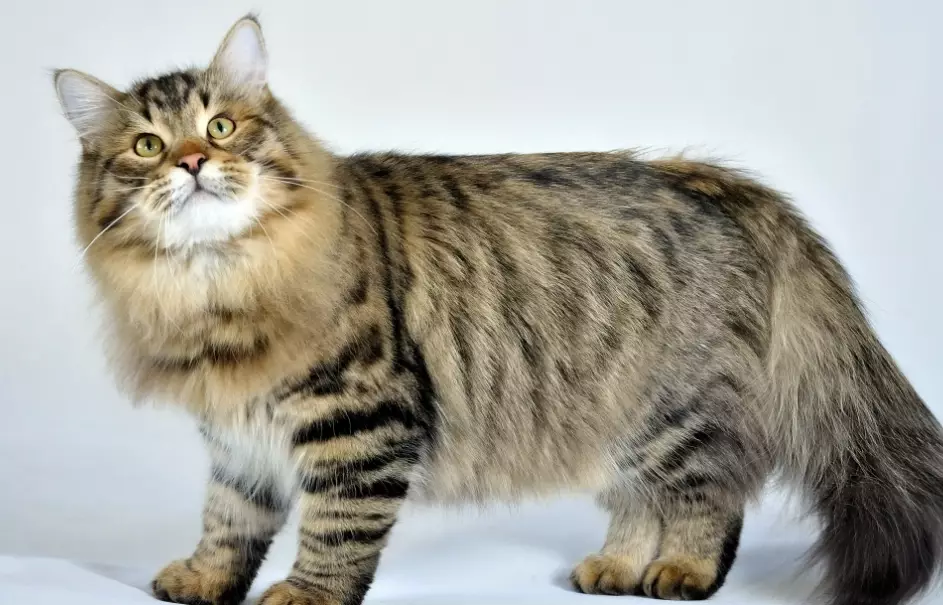
Your Siberian Cat Questions, Answered
So, there you have it. The Siberian cat breed is more than just a fluffy face and a potential solution for sniffles. It's a hearty, intelligent, deeply affectionate companion that demands to be part of your life. They're work, but the kind of work that pays you back tenfold in purrs, head-butts, and unwavering companionship. Do your homework, find a great breeder or rescue, and be ready for a cat that might just redefine what you think a cat can be.
Just be prepared to never go to the bathroom alone again.