Quick Navigation
Let's talk about black cats. I mean, really talk about them. Beyond the Halloween decorations and the spooky stories. I've lived with a black cat for over a decade—a sleek, opinionated void named Binx who rules my house—and let me tell you, most of what people think they know is wrong. The reality of sharing your life with a black cat is far more interesting, and often funnier, than the folklore.
Why are we so fascinated by them? Is it just the color? Maybe. There's something undeniably striking about a creature that looks like a piece of the night moved into your living room. But there's so much more to unpack. From ancient history to modern-day adoption struggles, understanding the black cat is a journey through culture, biology, and a whole lot of purring.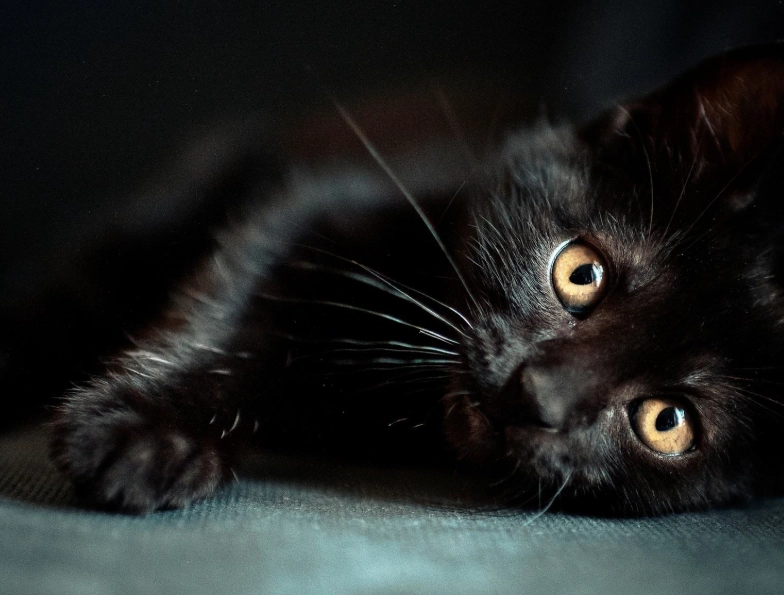
More Than a Spooky Symbol: The Black Cat in Culture
Okay, we have to address the elephant in the room first. The superstition. You know the one: a black cat crossing your path is bad luck. It's so ingrained it's almost a cliché. But where did it even come from? The story isn't as simple as "witches have them." It's a patchwork of history that flipped from good to bad and back again.
In ancient Egypt, cats of all colors were revered, but the sleek, dark ones were particularly associated with the goddess Bastet, a protector of the home. Fast forward to the Middle Ages in Europe, and the narrative takes a dark turn. The church linked black cats with witches and demonic forces. Pope Gregory IX's 1233 papal bull, Vox in Rama, essentially declared the black cat an incarnation of the devil. It was a horrible time for cats, especially dark-furred ones. This association stuck for centuries, fueling the Halloween imagery we see today.
Myth to Bust: Black cats are universally unlucky. Nope. In many parts of the world, it's the opposite. In Japanese and British folklore, a black cat crossing your path is a sign of good luck. Scottish tradition says a strange black cat arriving at your home means prosperity. Sailors once believed a black cat on board would ensure a safe voyage (and their wives kept black cats at home to protect their husbands at sea). So, the "luck" depends entirely on your postal code.
This cultural baggage has real-world consequences. Shelters consistently report that black cats have lower adoption rates and longer stays. It's called "Black Cat Syndrome." Some shelters even pause black cat adoptions around Halloween for fear of misuse, a practice debated within animal welfare circles. The ASPCA and other major organizations have campaigns specifically to promote black cat adoption, highlighting their wonderful personalities over their coat color.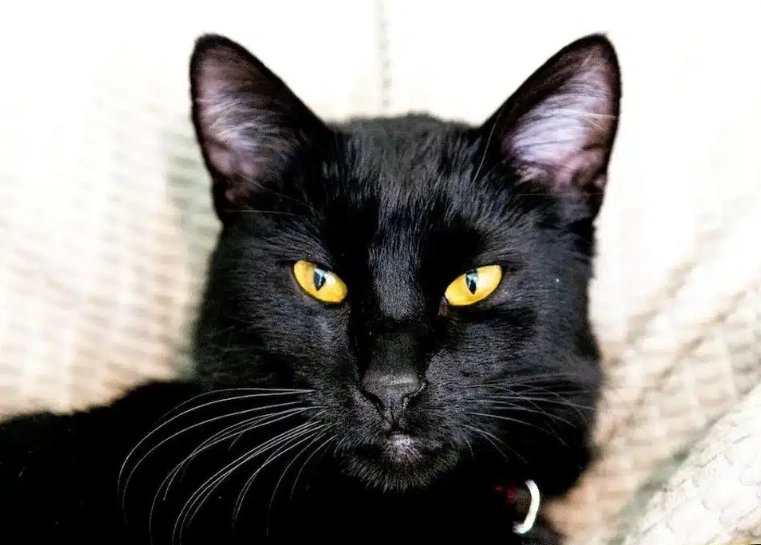
Not Just a Color: A Look at Black Cat Breeds
Here's something a lot of people don't realize: "black cat" isn't a breed. It's a coat color that can appear in many breeds, from the common Domestic Shorthair to fancy pedigrees. The solid black coat is caused by a high concentration of the pigment melanin. But even among black cats, there's variety. Some have a faint ghost tabby pattern you can see in sunlight, some have a rusty "rusting" hue as they age, and a few rare ones are truly, solidly jet black from nose to tail.
If you're looking for a specific breed known for producing stunning black cats, here are a few top contenders. I'm not ranking them best to worst—that's silly, as the best cat is the one that fits your life—but these are the ones you'll most commonly find in that beautiful ebony.
| Breed | Key Characteristics | Coat & Care | Personality Vibe |
|---|---|---|---|
| Bombay | Often called the "patent leather kid with the new penny eyes." Bred specifically to look like a miniature black panther. Copper or gold eyes are a breed standard. | Short, sleek, lies close to the body. Minimal shedding. Easy grooming. | Remarkably dog-like. Often follow owners, love to play fetch, highly social and people-oriented. Can be vocal. |
| Domestic Shorthair/Longhair | Your classic, non-pedigreed cat. The majority of black cats in shelters fall into this category. A wonderful genetic mix. | Varies, but generally low-maintenance. The longhair variants will need regular brushing to prevent mats. | Completely unpredictable and wonderful! You can find every personality type. This is where you find your perfect, unique companion. |
| Maine Coon | One of the largest domestic breeds. Black Maine Coons are majestic, often with a lion-like ruff and tufted ears. | Semi-longhair, thick, and water-resistant. Requires regular, thorough brushing to prevent painful mats. | Gentle giants. Intelligent, playful well into adulthood, and often quite dog-like in their loyalty. Usually not lap cats, but "nearby" cats. |
| Cornish Rex | Uniquely curly-coated breed. A black Cornish Rex has a coat that feels like crushed velvet or warm suede. | Very short, wavy fur with minimal shedding. They lack guard hairs, so they can get cold and love warm spots. | Acrobatic, playful, and incredibly energetic. They are often described as perpetual kittens and love to be the center of attention. |
| British Shorthair | Sturdy, round-faced, and famously plush. A black British Shorthair looks like a plush toy with dense, crisp fur. | Very dense, "crisp" coat that stands away from the body. Weekly brushing is sufficient. | Calm, easygoing, and dignified. Not overly active or clingy. They are affectionate but on their own terms, perfect for a quieter home. |
Choosing a cat based solely on breed guidelines can be misleading. I've met aloof Bombays and hyper British Shorthairs. The individual cat's personality, especially in a shelter setting, matters more than the breed textbook. Spend time with them. Let a black cat choose you.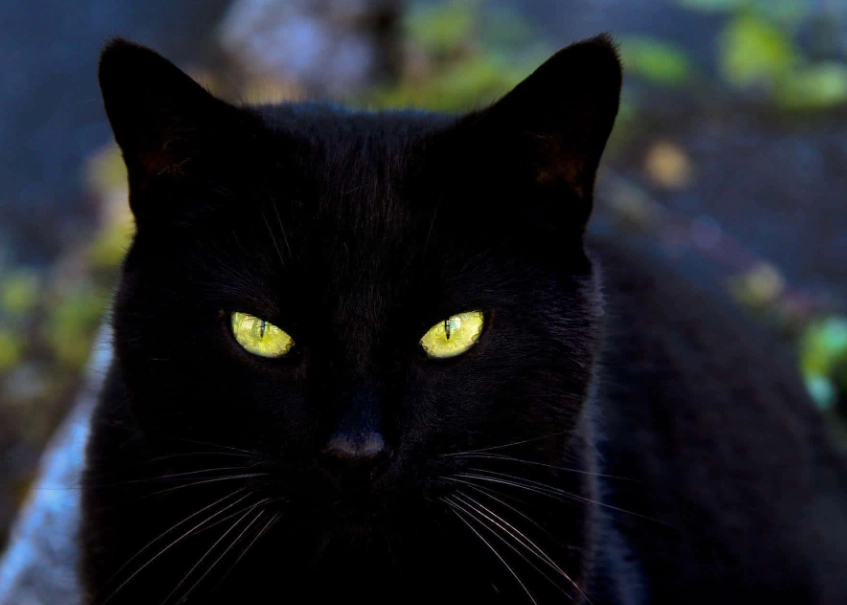
Living with a Miniature Panther: Care & Considerations
So you've welcomed a black cat into your home. Is caring for them different? In most practical ways, no. They need the same high-quality food, fresh water, clean litter, and veterinary care as any cat. But there are a few unique quirks and considerations that come with the territory of dark fur.
The Grooming Lowdown
Contrary to what you might think, black fur doesn't hide dirt—it shows dust and dandruff more easily than lighter colors. A weekly brush with a good bristle or rubber brush will keep their coat gleaming and reduce hairballs. It's also a great bonding activity. For short-haired black cats, grooming is a breeze. Long-haired ones, like a black Maine Coon or Persian, require a committed daily brushing routine to prevent their fine fur from matting.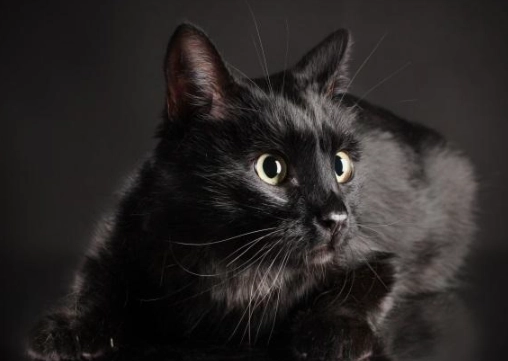
Pro Tip: Use a damp washcloth or pet grooming wipe for a quick once-over between brushes. It picks up loose hair and dust and makes your black cat look salon-fresh. Trust me, it makes a visible difference.
Health Watch: Sunburn and Invisible Symptoms
This is a big one. White cats are prone to sunburn on their ears and noses, but black cats have their own sun-related issue: fur bleaching. Long hours in direct sunlight can turn a jet-black coat a rusty brownish-red, especially on the back and head. It's usually harmless but can be a sign they're sunbathing a bit too much.
A more serious concern is that it's harder to spot certain health issues on dark fur. Flea dirt (which is actually flea feces) appears as tiny black specks, easily missed on a black cat. You have to comb meticulously with a fine-toothed flea comb over a white paper towel to check. Similarly, skin conditions, redness, or small wounds can be hidden. This means you need to be extra hands-on during petting sessions, feeling for bumps, scabs, or patches of thinning fur. The ASPCA's guide to common cat diseases is a good resource for knowing what general symptoms to watch for, regardless of coat color.
Creating a Cat-Friendly Home for Your Black Cat
All cats need vertical space, scratching posts, and hiding spots. For a black cat, consider lighting. They can seemingly disappear in dim corners, which is great for their sense of security but can lead to you accidentally stepping on a tail. Night lights in hallways aren't a bad idea.
Also, get creative with toys. A sleek black cat streaking after a bright orange or red toy is a sight to behold. Feather wands, laser pointers (used responsibly, never shone in eyes), and crinkly balls are usually big hits. Binx goes absolutely mad for those cheap plastic springs you can buy in bulk.
The Personality Behind the Pixels: Debunking the "Aloof" Myth
This is my favorite part. The stereotype says black cats are mysterious, aloof, or even standoffish. In my experience, and in studies cited by shelters, this is largely nonsense. A cat's personality is shaped by genetics, early socialization, and individual experience, not the amount of melanin in its fur.
Many black cat owners report their pets are exceptionally affectionate, vocal, and playful. Some behaviorists speculate that because black cats can be overlooked, those adopted from shelters may display extra gratitude and bond deeply with their rescuer. I'm not sure about that, but I can say Binx is the most communicative cat I've ever had, with a whole repertoire of chirps, trills, and meows for different occasions.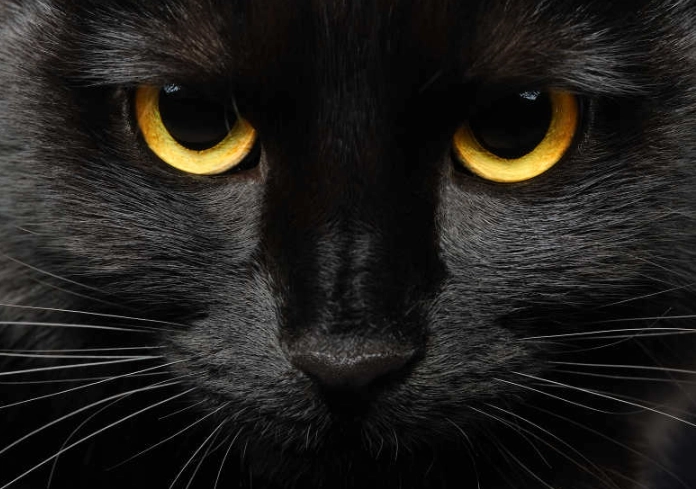
Wondering about those stunning eyes? Eye color in black cats is independent of coat color. You'll find black cats with brilliant gold, copper, green, hazel, and even blue eyes (though solid blue is rare and often linked to specific genes like the pointed pattern or white spotting). The contrast of those bright eyes against the black fur is what creates that mesmerizing, intense gaze.
That said, they can be masters of camouflage. Finding a black cat napping on a black sofa or in a dark cupboard is a classic game of "Where's the cat?" It's part of their charm. They also tend to photograph poorly with phone cameras, which can frustrate owners trying to show them off. The key is good, direct lighting or a contrasting background. A white blanket is a black cat's best friend for a photoshoot.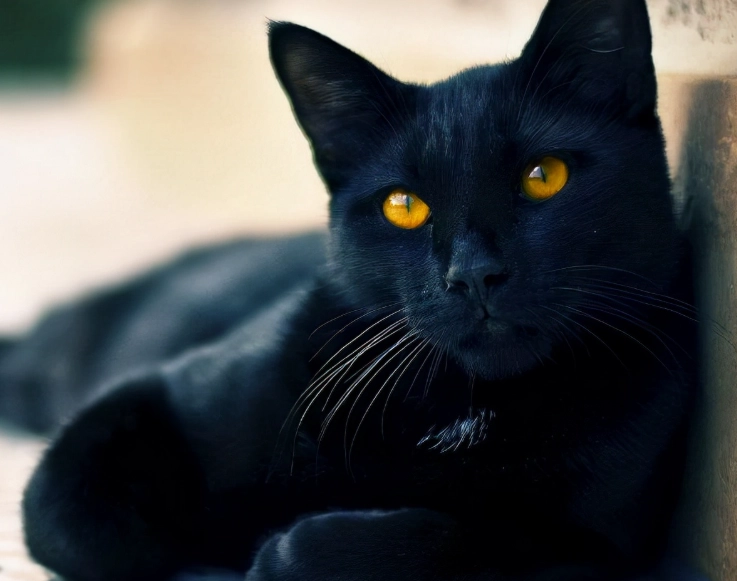
Your Black Cat Questions, Answered
Are black cats more aggressive or less friendly than other cats?
Absolutely not. There is no scientific evidence linking coat color to personality traits like aggression or friendliness in cats. Studies, like one published in the Journal of Applied Animal Welfare Science, have looked into this and found no significant correlation. A cat's behavior is individual. The black cat hissing in the shelter cage is likely scared, not inherently mean.
Is it true black cats have better immune systems?
This is an old piece of folklore with a tiny, unproven kernel of speculation. Some have suggested the genetic mutations for melanism (black fur) might be linked to other traits, but this is not established science for domestic cats. What is true is that a diverse genetic background, common in mixed-breed black cats, can contribute to overall hardiness. But you shouldn't assume your black cat is immune to illness. Regular vet check-ups are non-negotiable.
Why do some black cats have white hairs or a white "locket" spot?
That's a little bit of white spotting genetics sneaking in! A pure solid black cat has no white spotting genes. But many cats have a small patch, often on the chest, belly, or toes. It's incredibly common and just adds to their character. It doesn't mean they're not a "real" black cat.
Should I be worried about adopting a black cat around Halloween?
This is a responsible concern. Reputable shelters screen adopters year-round. Many have policies to ensure the adoption is for a lifetime home, not a holiday prop. It's okay to ask the shelter about their process. The best practice is to adopt when you're fully ready for a 15-20 year commitment, Halloween or not. Organizations like The Humane Society of the United States have good advice on this topic.
My black cat's fur is turning reddish/brown. Is he sick?
Probably not. The two most common causes are sun exposure (as mentioned earlier) and a dietary deficiency. Black coat color requires the amino acid tyrosine. If a cat's diet is low in tyrosine or its precursor phenylalanine, the black pigment can fade to a rusty color. It's worth discussing with your vet and reviewing your cat's food. A high-quality diet with sufficient animal protein usually corrects the issue.
Final Thoughts: Seeing the Cat, Not the Color
At the end of the day, a black cat is just a cat. They have the same needs for love, security, play, and proper care as a tabby, a calico, or a white cat. The difference is they carry centuries of cultural baggage that they are blissfully unaware of. It's our job to see past the stereotype.
If you're considering adding a cat to your family, walk past the flashy oranges and the striking grays for a moment. Look into the cat condo in the corner. You might just lock eyes with a sleek, shadowy figure whose personality shines brighter than any coat color. Adopting a black cat isn't a charitable act—it's an opportunity to get an amazing pet that others are foolishly overlooking.
They're not bad luck. In my life, Binx has been nothing but good luck, laughter, and the occasional 5 AM wake-up call. And I wouldn't have it any other way. Maybe your own miniature panther is waiting, ready to turn your superstitions into purrs.
Go visit a shelter. Ask to meet the black cats. Let one choose you. You might just find your best friend hiding in plain sight, a silent, elegant shadow just waiting to fill your home with light.