No, a Siberian cat is not a Maine Coon. I’ve lost count of how many times I’ve seen owners at vet clinics or online forums mix these two up. They’re both big, fluffy, and stunning, but they’re as different as apples and oranges once you look closer. If you’re trying to figure out which one might be snoozing on your couch or which to bring home, stick around. We’ll cut through the confusion and get into the nitty-gritty details that matter.
What You'll Find Here
Where Did They Come From?
Let’s start with the roots. Siberian cats hail from Russia—think cold forests and harsh winters. They’ve been around for centuries, probably dating back to the 1000s, evolving naturally to survive those chilly climates. There’s a reason they’re called “Siberian”; their thick triple coat isn’t just for show. On the other hand, Maine Coons are all-American. Originating in the northeastern U.S., specifically Maine, they’re believed to have descended from longhaired cats brought by sailors in the 1800s. Some folks spin tales about raccoon ancestry (hence the name), but that’s a myth—genetics don’t lie. The Cat Fanciers’ Association (CFA) recognizes both as distinct breeds, and their histories shape everything from their looks to their attitudes.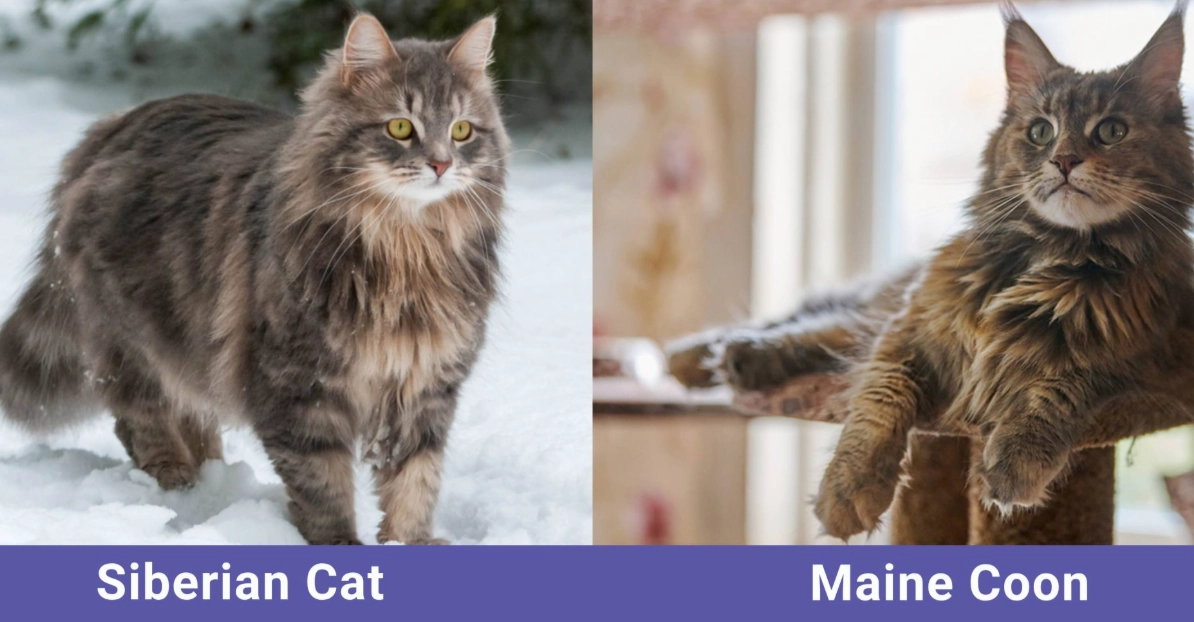
I remember chatting with a breeder who emphasized how Siberians were almost lost during Soviet times, but enthusiasts kept them alive. Maine Coons, meanwhile, nearly faded out in the early 1900s before making a comeback. It’s this background that gives each breed its unique charm.
Spotting the Physical Differences
At first glance, you might think they’re twins. But look closer, and the differences pop out. Here’s a quick table to break it down—I find this helps avoid the common pitfall of judging by fluff alone.
| Feature | Siberian Cat | Maine Coon |
|---|---|---|
| Size | Medium to large, 8-17 pounds | Large to giant, 8-18+ pounds (males often bigger) |
| Coat | Triple-layered, water-resistant, dense | Silky, shaggy, with a ruff around the neck |
| Head Shape | Rounded, broad, with medium ears | Square muzzle, large ears with lynx tips |
| Eyes | Large, round, often green or gold | Oval, slightly slanted, various colors |
| Tail | Medium length, bushy | Long, flowing, like a plume |
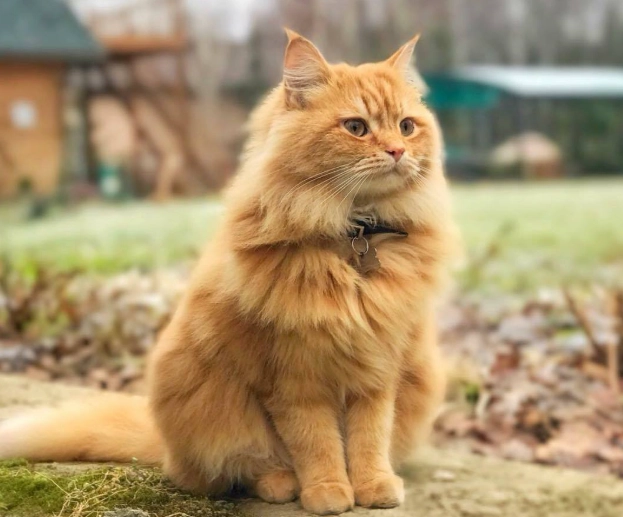
Siberians have a more muscular, compact build—think of a sturdy forest dweller. Their fur is designed to shed water, which I’ve seen firsthand when my friend’s Siberian shrugged off a rain shower like it was nothing. Maine Coons are lankier, with that iconic rectangular body. Those ear tufts? They’re not just cute; they help with insulation. A mistake I’ve seen new owners make is assuming all big cats are Maine Coons, but Siberians often have a softer, more rounded face that gives them a sweeter expression.
Coat Colors and Patterns
Both breeds come in a rainbow of colors. Siberians can have almost any pattern, but classic tabbies are common. Maine Coons are famous for their brown tabby look, but they also sport solids, tortoiseshells, and more. Don’t get hung up on color alone—it’s the texture and density that set them apart. Siberians feel denser to the touch, while Maine Coon fur is lighter and silkier.
Personality Showdown: Siberian vs Maine Coon
This is where things get interesting. If you want a cat that’s like a dog, you’re in luck with both, but in different ways. Siberians are affectionate but reserved. They’ll follow you around, chirp softly, and might even fetch toys. They’re known for being gentle with kids and other pets. I’ve had a Siberian curl up on my lap during a movie night—total snuggle bug, but not overly demanding.
Maine Coons are the clowns of the cat world. They’re playful, curious, and love being the center of attention. One owner told me her Maine Coon would “help” with chores by batting at laundry. They’re vocal too, with trills and chirps rather than loud meows. A subtle difference? Siberians tend to be more independent thinkers, while Maine Coons are social butterflies who might get lonely if left alone too long.
Both are intelligent, but Maine Coons often excel at puzzle toys. I’ve seen a Maine Coon figure out how to open a cabinet, while a Siberian might just watch and judge. It’s this personality split that can make or break your choice—especially if you have a busy household.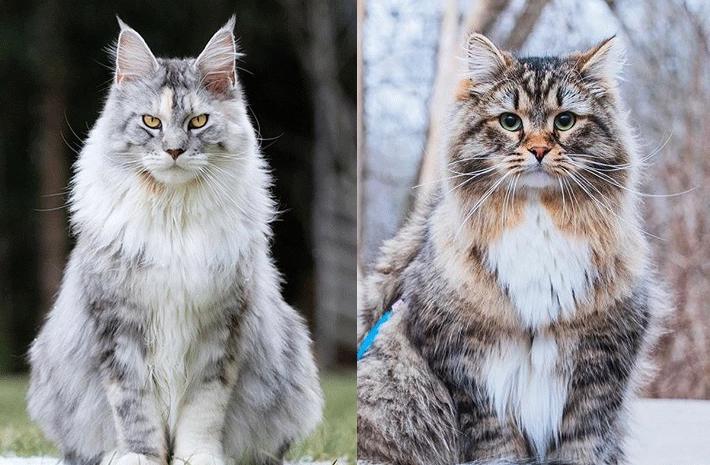
Care and Grooming: What to Expect
Let’s talk maintenance. That gorgeous fur doesn’t groom itself. Siberians have a triple coat that sheds seasonally—think blizzards of fur twice a year. Weekly brushing is a must to prevent mats. Use a slicker brush and a comb; I learned the hard way that skipping sessions leads to tangles that are a nightmare to remove. They’re relatively low-maintenance otherwise, but their water-resistant coat means baths can be tricky if they get dirty.
Maine Coons have a silky coat that mats less easily, but it still requires regular care. Brush them 2-3 times a week, focusing on the ruff and belly. Many owners overlook the tail—it’s a magnet for knots. Both breeds need nail trims, ear checks, and dental care. A pro tip: start grooming early to make it a positive experience. I’ve met cats who hate brushes because their owners waited too long.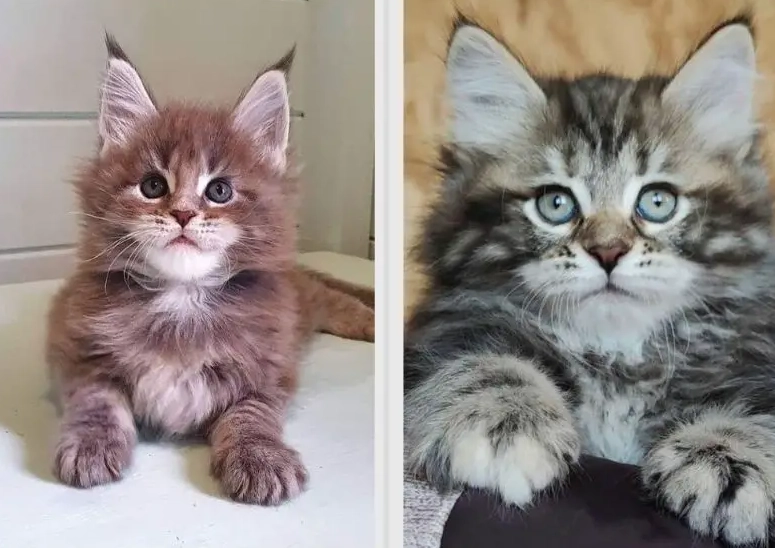
Grooming Essentials: Slicker brush, metal comb, nail clippers, cat-friendly shampoo. For Siberians, add a de-shedding tool during seasonal changes. For Maine Coons, consider a detangling spray.
Diet matters too. These are large breeds, so feed high-quality food to support their energy. Maine Coons are prone to overeating, so watch portion sizes. Siberians are generally good self-regulators, but I’ve seen some become picky eaters—offer variety without overindulging.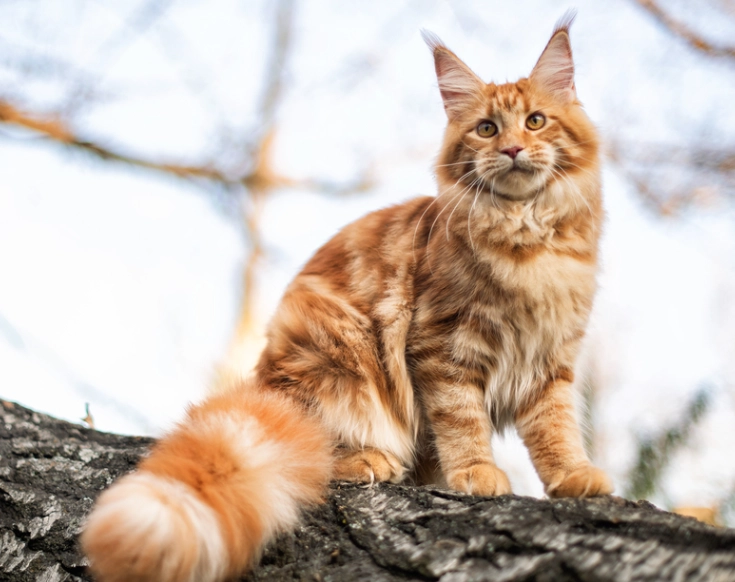
Health and Lifespan Insights
Both breeds are robust, but they have their quirks. Siberians are known for being hardy, with a lifespan of 12-15 years. They’re less prone to genetic issues, but hypertrophic cardiomyopathy (HCM) can pop up. Reputable breeders screen for this—always ask for health certificates. I recall a case where a Siberian developed HCM late in life, but with regular vet visits, it was managed well.
Maine Coons live 10-13 years on average. They’re susceptible to HCM too, plus hip dysplasia and spinal muscular atrophy. That’s why buying from a breeder who tests for these conditions is non-negotiable. I’ve met owners who skipped this step and faced huge vet bills later. Both breeds benefit from annual check-ups and a balanced lifestyle. Keep them active to avoid obesity, which is a common pitfall for Maine Coons.
Insurance can be a lifesaver. For large breeds, unexpected issues can cost thousands. Plan ahead.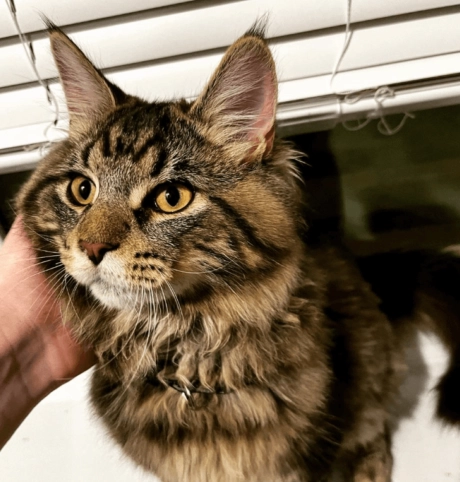
Choosing the Right Breed for You
So, which one fits your life? Ask yourself these questions:
- Space: Do you have room for a big, active cat? Maine Coons might need more vertical space for climbing.
- Allergies: Siberians are often touted as hypoallergenic, but test this firsthand—visit a breeder or shelter.
- Time: Can you commit to grooming and play? Maine Coons demand more interaction.
- Family: Both are great with kids, but Siberians might be more patient with toddlers.
I’ve helped friends choose, and it often boils down to lifestyle. If you want a chatty, playful companion, go Maine Coon. If you prefer a laid-back, loyal buddy, Siberian might be better. Adoption is an option too—check rescues like Maine Coon Rescue or Siberian Cat Rescue groups. I’ve seen purebreds end up in shelters due to owner surrenders.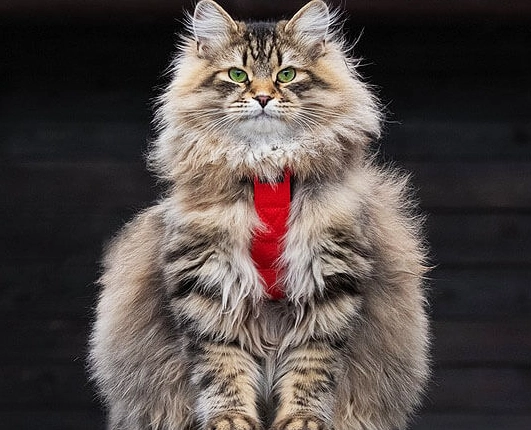
Your Questions Answered
Wrapping up, Siberian cats and Maine Coons are distinct breeds with unique traits. Whether you’re drawn to the Siberian’s gentle resilience or the Maine Coon’s playful charm, do your homework. Visit breeders, talk to owners, and consider your own lifestyle. These cats can be lifelong companions—choose wisely, and you’ll have a furry friend who enriches your days.