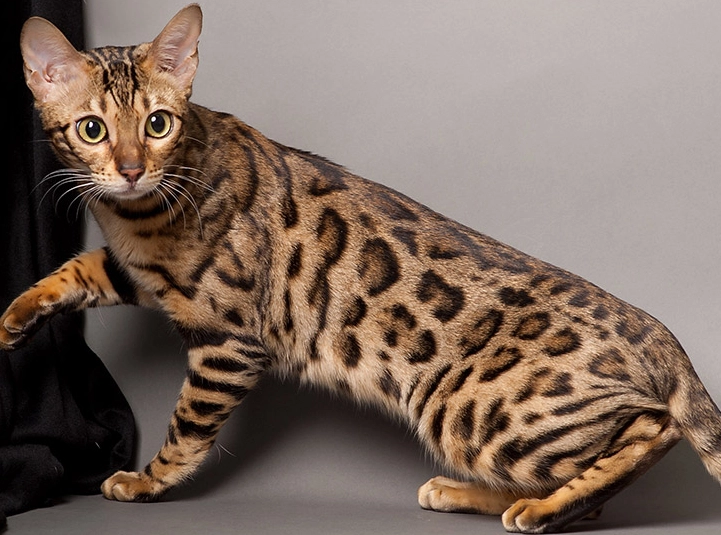
You see a photo of a Bengal cat. That stunning, wild-looking coat. Those intense eyes. The question pops into your head, almost automatically: Is there a domestic Bengal cat, or is this just a small leopard in my living room? The short, direct answer is yes, absolutely. But that "yes" comes with a mountain of context, responsibility, and a few realities that many first-time admirers completely miss. Owning a domestic Bengal cat isn't like getting a typical tabby. It's committing to a partnership with a creature whose wiring is a unique blend of domestic comfort and primal curiosity.
I've been around Bengals for over a decade, bred them responsibly, and counseled countless new owners. The biggest mistake I see? People fall for the glitter and the rosettes without understanding the engine underneath. They get a Bengal expecting a beautiful, low-maintenance statue, and end up with a brilliant, bored, and potentially destructive roommate. This guide is here to make sure that's not you.
What's Inside This Guide?
What Exactly is a 'Domestic' Bengal Cat?
Let's cut through the jargon. A "domestic" Bengal cat is one that is at least four generations removed from its wild Asian Leopard Cat ancestor. Breeders use a filial system to track this:
- F1: Direct cross between a wild Asian Leopard Cat and a domestic cat. Not a pet. Often regulated or banned as exotic wildlife.
- F2: Offspring of an F1. Still very high percentage of wild blood.
- F3: Offspring of an F2. Temperament starts to vary wildly.
- F4 and beyond (SBT): This is where "domestic" truly begins. SBT stands for "Stud Book Tradition," meaning the cat has three generations of Bengal-to-Bengal breeding. These cats are the ones recognized by major cat registries like The International Cat Association (TICA) and The Cat Fanciers' Association (CFA) as a domestic breed.
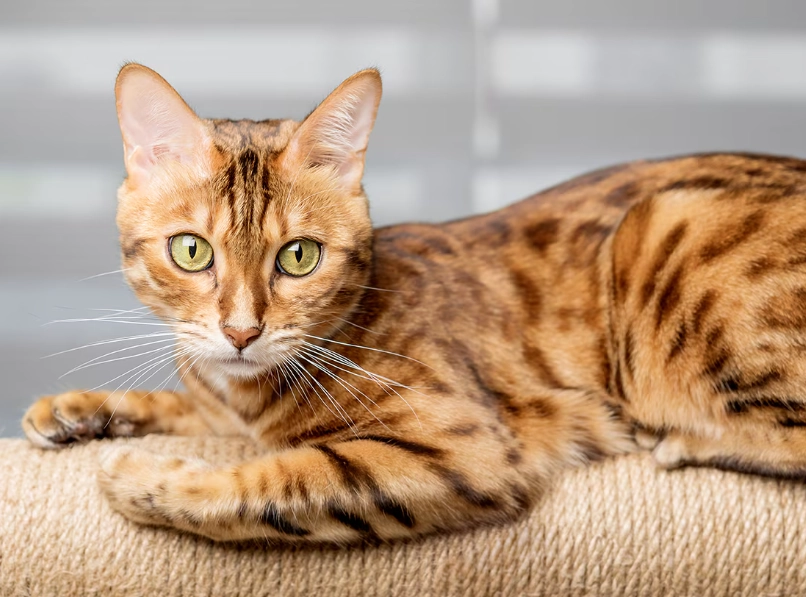
The Key Takeaway: When you ask "is there a domestic Bengal cat?", you're asking about SBT Bengals (F4+). These are the cats bred for companionship, with predictable(ish) temperaments and legal status as household pets. Never, ever consider an F1-F3 Bengal as a pet. It's unfair to the cat and dangerous for you.
Even within SBT lines, the wild ancestry whispers. It shows up in their love for water, their unparalleled athleticism, and that specific, chirping vocalization that's nothing like a standard meow. You're not getting a wild animal, but you are getting a domestic cat with the volume turned up to 11.
The Bengal Cat Temperament: Expect High Energy and High Intelligence
Forget everything you know about cats sleeping 18 hours a day. A Bengal's temperament is its most defining—and most misunderstood—feature.
Think of them as the Olympic athletes and escape artists of the cat world, combined with the curiosity of a toddler. They need both physical and mental stimulation. A bored Bengal isn't just sad; it's a problem waiting to happen. They'll figure out how to open cabinets, turn on faucets, and dismantle puzzle toys you thought were challenging.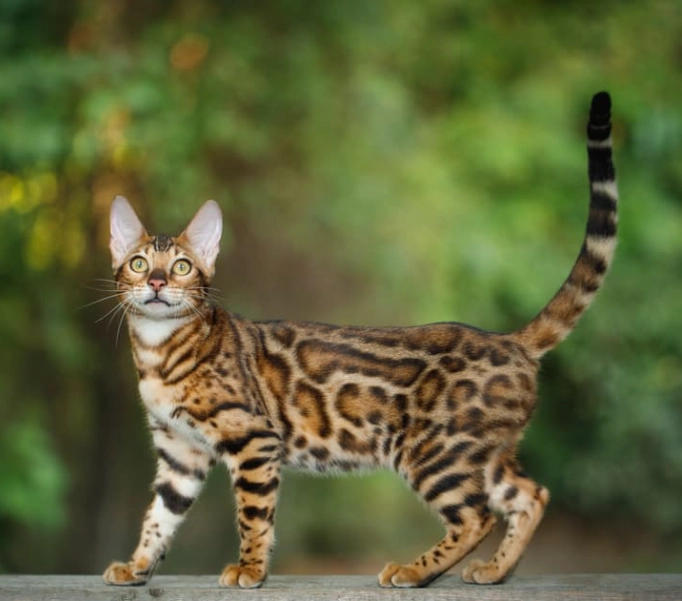
Common Behavioral Traits (The Good and The Challenging)
Here’s a blunt breakdown of what living with a Bengal is really like:
| Trait | What It Looks Like | Owner Action Required |
|---|---|---|
| High Energy | Zoomies at 3 AM, constant climbing, need for vigorous play sessions (20+ mins, 2-3x daily). | Non-negotiable daily interactive play. Cat wheels are a godsend. |
| High Intelligence | Learns tricks fast (fetch, sit). Gets bored with simple toys. Can be mischievous. | Rotate puzzle feeders and toys. Teach tricks for mental exercise. |
| Water Fascination | Will join you in the shower, play with dripping taps, paw at water bowls. | Secure toilet lids. Provide a pet water fountain. Embrace the wet footprints. |
| Social & Vocal | Follows you everywhere. Communicates with chirps, trills, and meows. Hates being ignored. | Not a good fit for people who travel constantly or want a hands-off pet. |
| Strong Prey Drive | Will stalk and pounce on toys (or toes under blankets). May not coexist with small pets. | Supervise around birds, rodents. Provide ample stalking-style play. |
I knew a couple who got a Bengal for their pristine, minimalist apartment. They loved the look. Within a week, the cat was scaling their floor-to-ceiling curtains and knocking abstract art off the walls. They hadn't provided a single vertical space it was allowed to use. The cat was just being a Bengal; the environment was the problem.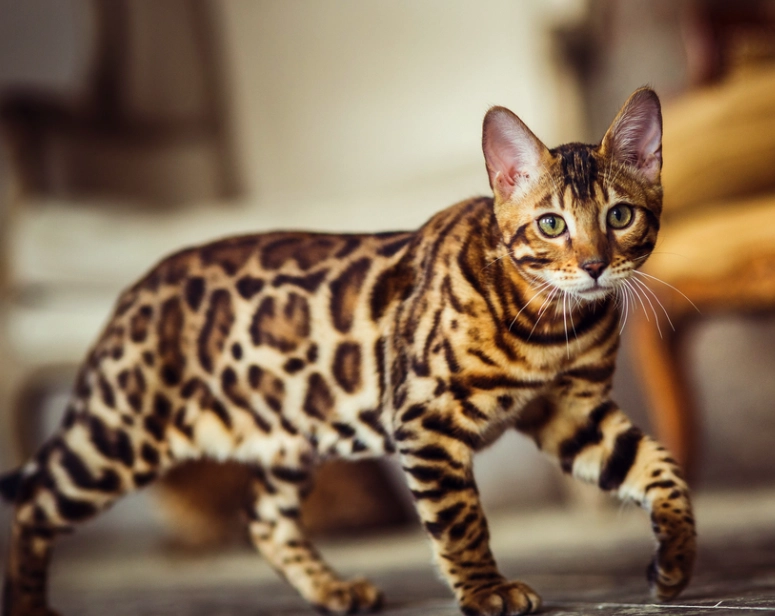
How to Care for a Domestic Bengal Cat (The Real Daily Grind)
Caring for a Bengal goes beyond food and water. It's about crafting an environment where their nature can thrive constructively. Here’s the practical, unglamorous checklist.
Essential Home Setup
- Vertical Territory: Cat trees taller than you are. Wall-mounted shelves and walkways. Window perches. If they can't climb it, they'll find something you don't want them to climb.
- Interactive Toy Arsenal: Wand toys (like Da Bird), treat-dispensing puzzles, battery-operated moving toys. Simple balls and mice get ignored after day two.
- The Litter Box Rule: One box per cat, plus one extra. Bengals are notoriously picky. Use a large, open box (they hate feeling cramped) with unscented, fine-clumping litter. Scoop twice daily. No exceptions.
- Water Sources: A circulating fountain is mandatory. Many Bengals prefer running water and will drink more, promoting kidney health.
Diet and Grooming
Their short, pelt-like coat is low-shedding and easy. A weekly brush with a silicone grooming mitt is plenty. The real focus is diet. Bengals often have sensitive stomachs. A high-protein, high-quality diet (wet food is excellent for hydration) is crucial. Grain-free isn't a magic bullet; look for named meat sources (chicken, salmon) as the first ingredients. Sudden diet changes cause upset, so transition slowly over 7-10 days.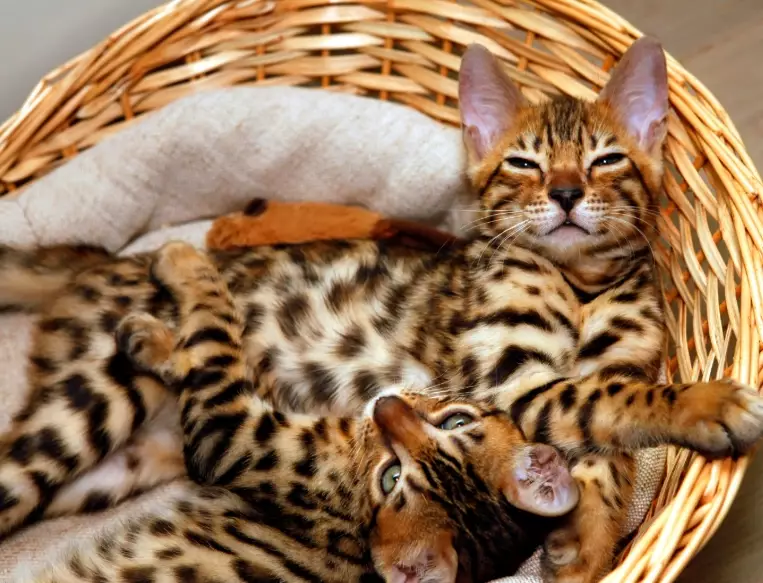
A Critical Note on Breeding & Health: Reputable breeders test for known genetic issues like PKDef (a blood disorder) and HCM (a heart condition). Always ask for proof of genetic testing from both parent cats. Backyard breeders selling "cheap" Bengals often skip this, leading to heartbreak and vet bills down the line. The initial cost from a good breeder is an investment in a healthy, well-socialized kitten.
Legal and Ethical Considerations: It's Not Just About You
This is the part most blog posts gloss over. "Is there a domestic Bengal cat?" also has a legal answer that depends entirely on your zip code.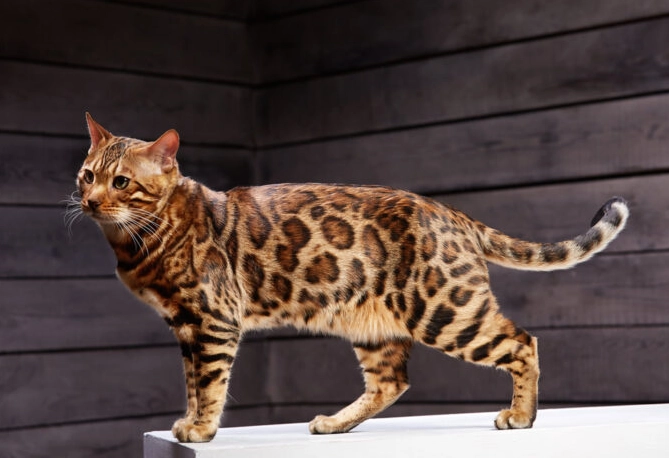
Some cities, states, and even entire countries have restrictions or outright bans on Bengal cats, often based on their generation. New York City and Hawaii have notoriously strict regulations. Some places ban all Bengals regardless of generation; others only allow SBT Bengals (F4+).
Your non-negotiable first step, before even contacting a breeder: Call your local city clerk's office and your state's fish and wildlife department. Don't rely on forum posts from 2012. Get the ordinance in writing. A reputable breeder will also help you navigate this.
Ethically, it boils down to this: are you getting a Bengal for the right reasons? If it's for status or Instagram photos, please get a poster instead. If you're prepared for a demanding, engaging, and incredibly rewarding partnership with a living creature that will challenge and delight you daily, then you might be ready.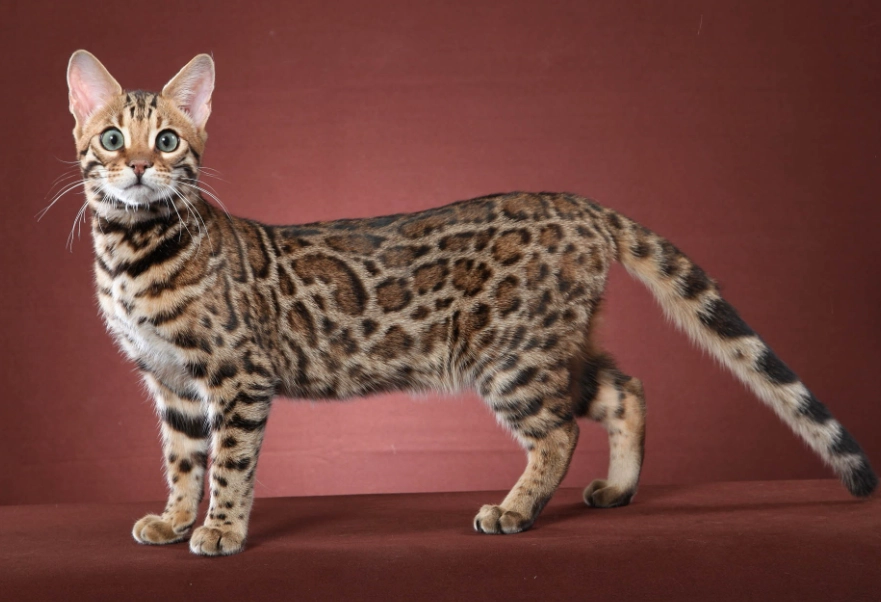
Your Burning Bengal Questions Answered
So, is there a domestic Bengal cat? Yes. But the real question you should be asking is: Is there a domestic Bengal cat that's the right fit for my life, my home, and my commitment level? If you've read this far, you're already ahead of most. You're looking past the spots and into the soul of the breed. That's the only way a partnership with a Bengal ever works—and when it does, it's absolutely magical.