Your Tortie Companion Roadmap
- It's All in the Genes: The Science Behind the Splendor
- The Great Personality Debate: Unpacking the Myth of "Tortitude"
- Living with a Tortie: Practical Care and Considerations
- Tortoiseshell Cat vs. The World: How Do They Compare?
- Your Tortie's Home Environment: Setting Up for Harmony
- Straight Answers to Your Burning Questions
- The Final Word: Is a Tortoiseshell Cat Right for You?
So you're thinking about a tortoiseshell cat, or maybe you already live with one of these living mosaics and you're trying to figure them out. Let's get one thing straight right away: everything you've heard about their personality is probably half-true and half-nonsense, wrapped up in a frustratingly beautiful package of orange, black, and sometimes cream fur. I've lived with two torties over the past fifteen years, and let me tell you, it's never boring. This isn't just a color pattern; it's an experience.
What makes a cat a tortoiseshell cat anyway? It's not a breed. You can find this stunning coat in everything from a random-bred domestic shorthair to a purebred Persian. The magic (and the mayhem, some would say) is in the genetics. That famous patchwork is almost exclusively a female phenomenon. Why? It's all about the X chromosomes.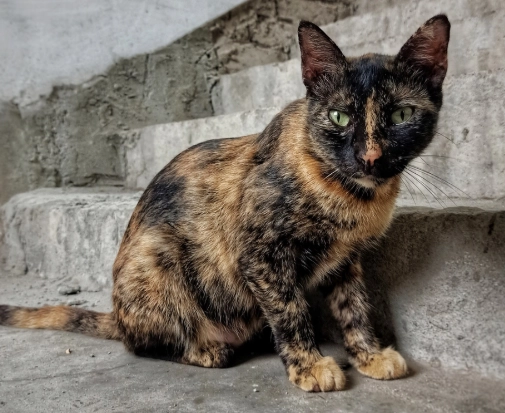
It's All in the Genes: The Science Behind the Splendor
Here’s the cool part. The genes for orange fur and black fur sit on the X chromosome. A female cat has two X chromosomes (one from mom, one from dad). If one X carries the orange gene and the other carries the non-orange (usually black) gene, you get a tortoiseshell. During early development, one X chromosome gets randomly inactivated in each cell—a process called X-inactivation. The daughter cells from that original cell keep the same X turned off. The result? Patches of cells expressing the "orange" X and patches expressing the "black" X, creating that unique, brindled, patchy coat. It's like a biological quilt.
Male tortoiseshell cats are incredibly rare. For a male cat to have that orange-and-black coat, he usually needs an extra X chromosome, making him XXY. This condition (similar to Klinefelter syndrome in humans) often results in sterility. So, almost every tortoiseshell cat you meet is a girl. That fact alone starts to shape the conversation about their behavior, doesn't it? It's impossible to completely separate the "tortitude" legend from the simple fact that we're mostly talking about female cats, who can have their own distinct social dynamics compared to males.
Quick Genetics Refresher: Think of it like a coin flip for every skin cell. Heads, the orange gene is active. Tails, the black gene is active. The cat's embryo flips this coin thousands of times as it grows, locking in the pattern. That's why no two tortoiseshell cats are ever exactly alike—it's a random masterpiece. The Cat Fanciers' Association has a great, simple explanation of basic feline genetics if you want to go deeper.
Now, about those names. "Tortoiseshell" typically refers to the mottled mix of orange and black. Add large, distinct patches of white, and you've got a "Calico" or a "Tortie-and-white." Some people use the terms interchangeably, which drives purists nuts. I'm not a purist. I call mine a tortie even though she has a little white locket, because the tortoiseshell pattern is what defines her.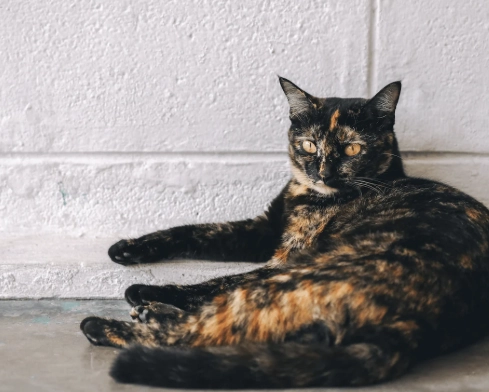
The Great Personality Debate: Unpacking the Myth of "Tortitude"
Ah, tortitude. The internet is full of it. Stories of sassy, fiercely independent, moody, demanding, and intensely loyal feline divas. My first tortie, Mocha, would sit on my keyboard only when I was on a deadline. She'd yowl at closed doors. She'd headbutt me with shocking force when she wanted pets, but woe betide anyone else who tried to pick her up. She was, in a word, a lot.
But was it tortitude? Or was she just a cat with a big personality who happened to be a tortoiseshell?
The Myth: All tortoiseshell cats are inherently sassy, stubborn, and volatile. They have "tortitude."
The Reality: There is no scientific evidence that coat color directly determines personality in cats. However, the gene for orange fur is linked to the X chromosome, and some behavioral studies suggest links between sex-linked genes and behavior. More importantly, confirmation bias is huge. You expect a tortie to be feisty, so you notice and remember every feisty moment and forget the quiet ones. My second tortie, Willow, is a scaredy-cat who hides from guests and is incredibly gentle. She breaks the stereotype completely.
A study published by the University of California, Davis, Veterinary Medical Teaching Hospital a while back did survey owners and found that tortoiseshell, calico, and tricolor cats were more likely to be reported as "intolerant" of being handled. But—and this is a big but—this was owner-reported data, not controlled behavioral observation. It tells us about human perception, not necessarily feline reality.
So let's reframe the question. Instead of "Do torties have tortitude?", let's ask "What are the common personality traits I might encounter with a tortoiseshell cat?" Based on countless owner anecdotes (including my own), you might see:
- Strong-Willed: They often know what they want (food, attention, that sunbeam) and are persistent in getting it.
- Selectively Affectionate: Many are "one-person cats," forming a deep, intense bond with their chosen human while being indifferent or wary of others.
- Energetic & Playful: They can have bursts of "zoomies" and remain playful well into adulthood.
- Vocal: They might "talk" to you more than other cats, with chirps, trills, and meows to comment on their day.
See? That just sounds like a cat with a vivid personality.
The truth is, a cat's personality is shaped by a million things: genetics (of the breed, not the color), early socialization, individual temperament, and their environment. Labeling an entire color group with one trait does a disservice to their individuality. That said, if you get a tortoiseshell cat, be prepared for a cat with presence. They're rarely wallflowers.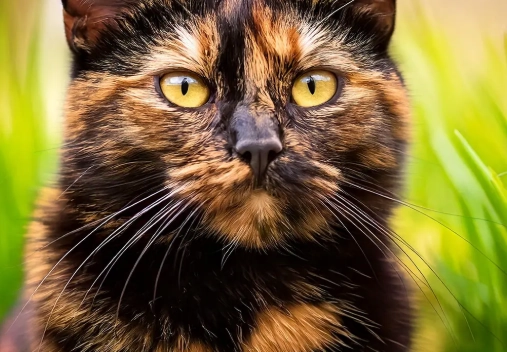
Living with a Tortie: Practical Care and Considerations
Okay, so you've got the personality lowdown. What about day-to-day life? Caring for a tortoiseshell cat isn't fundamentally different from caring for any other cat, but understanding their potential quirks helps you set up for success.
Health and Wellness: What to Watch For
Since "tortoiseshell" isn't a breed, there are no breed-specific diseases tied to the coat color. Their health concerns are those of their underlying breed or the general domestic cat population. However, being proactive is key.
- Spaying is Non-Negotiable: Unless you are a responsible, experienced breeder (and breeding torties is complex due to the genetics), spay your female tortie. It prevents uterine infections, reduces breast cancer risk, and stops the distressing heat cycles. For the rare male tortoiseshell cat, neutering is also essential.
- Routine Vet Care: Annual check-ups, vaccinations, and parasite control are the bedrock of health. As they age, bi-annual visits become important. The Cornell Feline Health Center is an impeccable resource for understanding core feline healthcare needs.
- Weight Management: This is crucial for all cats. A lean cat is a healthy cat, avoiding a cascade of issues like diabetes and arthritis. Torties are not exempt.
- Dental Health: Dental disease is a silent epidemic in cats. Get them used to tooth brushing early, or use dental treats/water additives as recommended by your vet.
I learned the hard way with Mocha. I ignored her slightly stinky breath for too long, and it turned into a costly dental extraction. Don't be like me. Pay attention to the small signs.
Grooming Needs: It Depends on the Fur
Is your tortie a short-haired domestic or a fluffy Maine Coon mix? The grooming needs vary wildly.
For the classic short-haired tortoiseshell cat, a weekly brush with a slicker brush or grooming glove is usually plenty to remove loose hair and distribute skin oils. During shedding seasons (spring and fall), you might need to brush more often. For long-haired torties, daily brushing is a must to prevent painful mats and hairballs. Start grooming sessions when they're young and make them positive with treats and praise.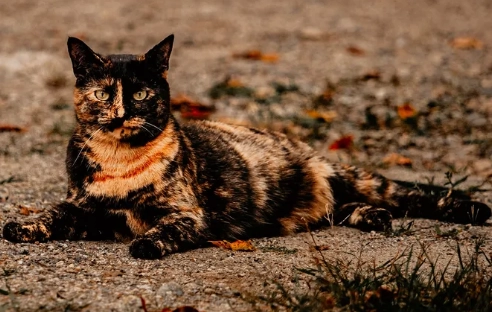
"The key with any cat, but especially one with a reputation for being strong-willed like many torties, is to make every necessary task—nail trims, brushing, medication—a calm, predictable, and reward-based experience. Force creates fear, and fear creates problems."
Tortoiseshell Cat vs. The World: How Do They Compare?
People often wonder how a tortie stacks up against other cats. It's a flawed question, but let's try to break down common comparisons in a useful way.
| Trait | Tortoiseshell Cat (Generalization) | Common Comparison | Bottom Line |
|---|---|---|---|
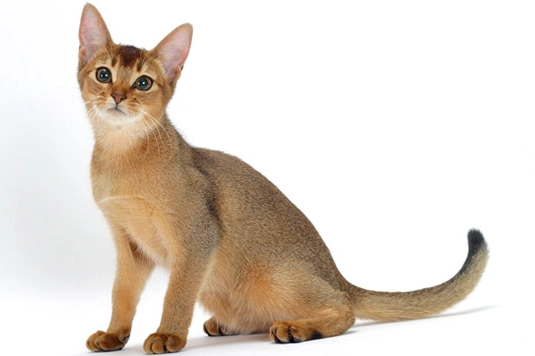
| Energy Level | Often moderate to high; playful and inquisitive. | Similar to many domestic mixes. Less predictable than specific high-energy breeds (e.g., Abyssinian) or low-energy ones (e.g., Persian). | Be ready for playtime. A bored tortie is more likely to find "entertainment" you won't appreciate. |
| Affection Style | Frequently "on their own terms" and deeply bonded to one person. | Less consistently social than a typical Ragdoll or Siamese. More selective than some other random-bred cats. | Don't expect a constant lap cat. Their affection feels earned and is therefore special. |
| Vocalization | Can be quite vocal, using sounds to communicate. | Not as incessantly chatty as a Siamese, but often more talkative than a British Shorthair. | They'll likely tell you about their day. Have conversations with them. |
| Adaptability | Can be sensitive to change; thrives on routine. | Often less adaptable than easygoing breeds like the American Shorthair. New people/pets may require slow introductions. | Provide a stable environment. Use Feliway diffusers during moves or changes. |
See? It's less about "better" or "worse" and more about "different." A tortoiseshell cat might not be the ideal first cat for someone who wants a guaranteed cuddle-puddle, but they could be perfect for someone who appreciates a complex, interactive companion.
Your Tortie's Home Environment: Setting Up for Harmony
Cats are environmental creatures. A happy cat is a cat whose environment meets its needs. For a potentially sensitive and intelligent tortoiseshell cat, this is doubly important.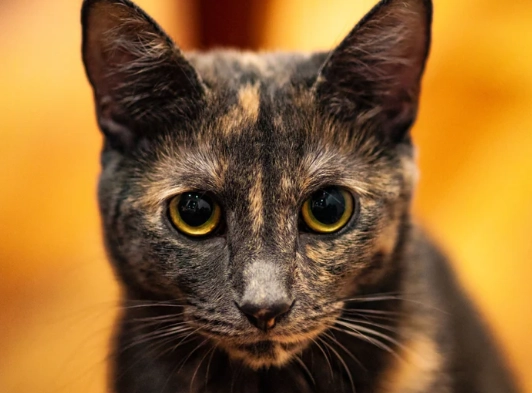
Vertical Space is Crucial. Cats feel safe up high. Cat trees, wall shelves, and window perches are not luxuries; they are necessities. My tortie Willow's confidence skyrocketed when I installed a cat highway along my wall. She could survey her kingdom and escape the dog's occasional interest.
Scratching Posts in Key Locations. Place sturdy scratching posts (sisal is great) near where they sleep (they love a stretch after a nap) and in social areas. It saves your furniture and lets them mark territory healthily.
Play is Hunting. Use wand toys to mimic prey (birds, bugs) and let them stalk, chase, and pounce. Laser pointers are fun but always end the session with a physical toy they can "catch" to avoid frustration. A tired tortoiseshell cat is a well-behaved tortoiseshell cat.
Food Puzzles. They're smart. Dump food in a bowl is boring. Use puzzle feeders or hide kibble around the house to engage their brains and slow down eating.
A bored tortie is a recipe for mischief.
Litter box rules apply fiercely. One box per cat, plus one extra. Keep them clean, in quiet but accessible locations, and use a litter your cat likes. If your tortie starts going outside the box, it's a red flag—first rule out medical issues with a vet, then look at environmental stressors. The Merck Veterinary Manual provides a solid, clinical overview of behavior problems and their potential causes.
Straight Answers to Your Burning Questions
Are tortoiseshell cats more expensive?
No, not because of the color. In purebred cats, certain color patterns might be rarer and priced higher by breeders. But in shelters, a tortoiseshell cat costs the same as any other cat: an adoption fee covering vaccines, spay/neuter, and microchip. Please adopt. Shelters are full of stunning torties waiting for homes.
How long do tortoiseshell cats live?
Again, it's not the color. A healthy, indoor-only domestic tortoiseshell cat has the same average lifespan as any other mixed-breed cat: 12 to 20 years, with 15 being a good average. Genetics, diet, and preventative care are the deciding factors.
Do they get along with other pets/kids?
This is entirely individual. Their often selective nature means introductions to other pets must be slow and careful. With kids, it depends on the cat's temperament and the child's ability to be gentle and respectful. A tortie is less likely to tolerate rough handling than some more placid breeds. Always supervise interactions and teach children to let the cat come to them.
Why is my tortie so attached to me?
You're their person. That deep, selective bond is a hallmark for many. It's a sign they feel safe and loved with you. Enjoy it. But also ensure they have enough stimulation when you're not around to prevent separation anxiety.
Is the "tortoiseshell cat personality" real?
As a fixed, universal trait? No. As a common cluster of personality tendencies observed by many owners? Possibly. The combination of mostly female hormones, the genetics linked to the X chromosome, and generations of anecdotal reporting creates a pattern. But your tortie is an individual first. Get to know her, not the stereotype.
The Final Word: Is a Tortoiseshell Cat Right for You?
Look, living with a tortoiseshell cat can feel like a rollercoaster. There are days of breathtaking beauty and profound connection, and there might be days of baffling stubbornness. They are not a low-maintenance, decorative pet. They are a participant in your life.
Choose a tortie if:
- You want a cat with a vivid, noticeable personality.
- You appreciate a companion who is interactive and communicative.
- You can provide a stable, enriching environment with plenty of play and vertical space.
- You understand cat body language and are willing to respect their boundaries.
- You're okay with affection being a privilege, not a given.
Think twice if:
- You need a guaranteed, always-snuggly lap cat.
- Your home is chaotic or unpredictable.
- You have very young children who might not understand gentle handling.
- You get easily frustrated by an independent streak.
At the end of the day, my torties have taught me more about patience, observation, and the depth of animal personality than any other pets. They're not easy, but the best things in life rarely are. They're living art with claws and attitude.
If you welcome one of these marvelous mosaics into your home, don't just see a color. See a cat. Learn her. Respect her. The rewards—a headbutt from your chosen one, a chirp from the windowsill, the sight of that gorgeous patchwork fur curled up in *your* spot—are absolutely worth it.