Bringing a cat home is more than just getting a pet. It's inviting a new personality into your life. The choice between a sleek Siamese and a cuddly Maine Coon, or naming that tiny ball of fluff "Sir Reginald Fluffington" versus "Taco," sets the tone for your entire journey together. Most guides just list facts. Let's talk about what it's actually like to live with these different types of cats, and how a name can sometimes fit a little too well.
What's Inside This Guide?
Popular Cat Breeds and Their Defining Traits
Forget just "fluffy" or "playful." The real difference between cat breeds often comes down to lifestyle fit. I learned this the hard way when my highly social Abyssinian decided my 10-hour workdays were a personal insult. Let's break down some of the most popular types of cats, not just by looks, but by the daily reality of living with them.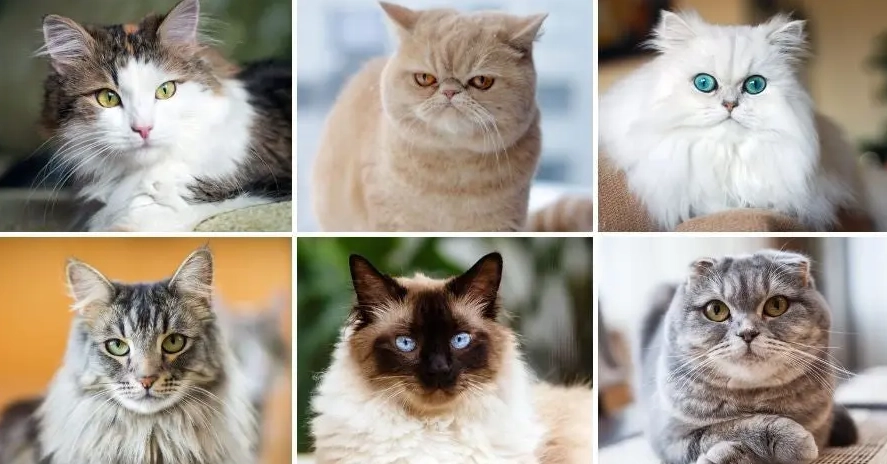
| Breed | Key Personality | Grooming Need | Ideal For | Potential Drawback |
|---|---|---|---|---|
| Maine Coon | Gentle giant, dog-like, playful into adulthood. | High (long, thick fur) | Families, homes with other pets, people wanting an interactive companion. | Size (can be 18+ lbs), shedding, requires space. |
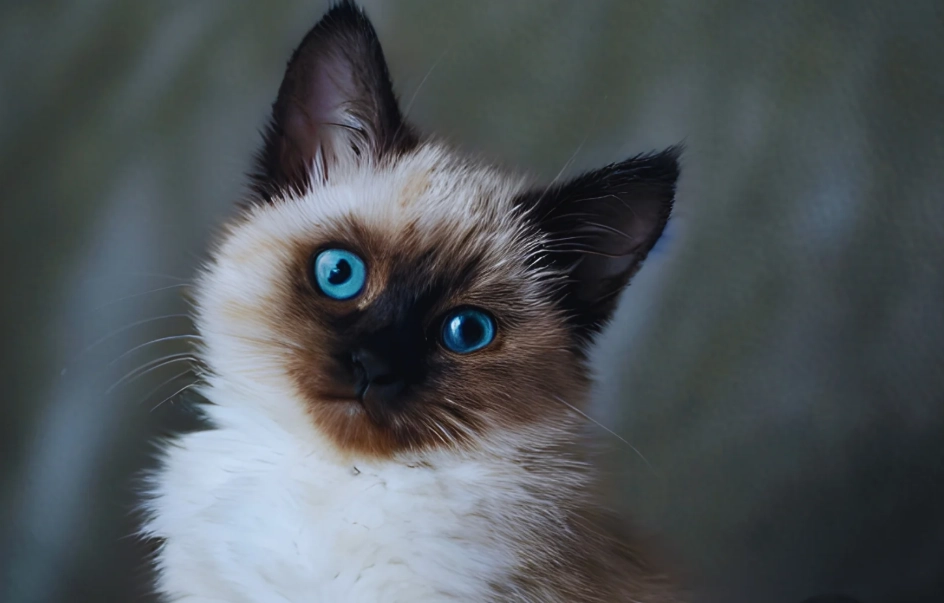
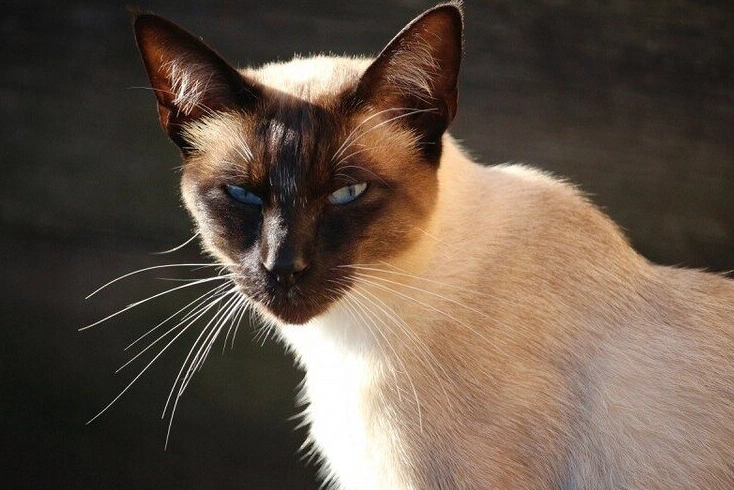
| Siamese | Vocal, demanding, extremely affectionate and social. | Low (short coat) | People who are home often, those who want a "talkative" shadow. | Can be loud and prone to separation anxiety. Not for quiet seekers. |
| Ragdoll | Docile, floppy when held, very relaxed. | Moderate-High (semi-long fur) | Apartment dwellers, first-time owners, calm households. | Needs regular brushing to prevent mats. Can be too passive for some. |
| Bengal | Energetic, curious, intelligent, loves water. | Low (short, pelt-like coat) | Active individuals, experienced owners, homes with catios or safe outdoor access. | Destructive if bored. Needs tons of interactive play. Not a lap cat. |
| British Shorthair | Calm, independent, dignified, not clingy. | Low (dense, plush coat) | Busy professionals, quieter homes, people who appreciate a low-key presence. | Can be reserved. Prone to obesity if diet isn't watched. |
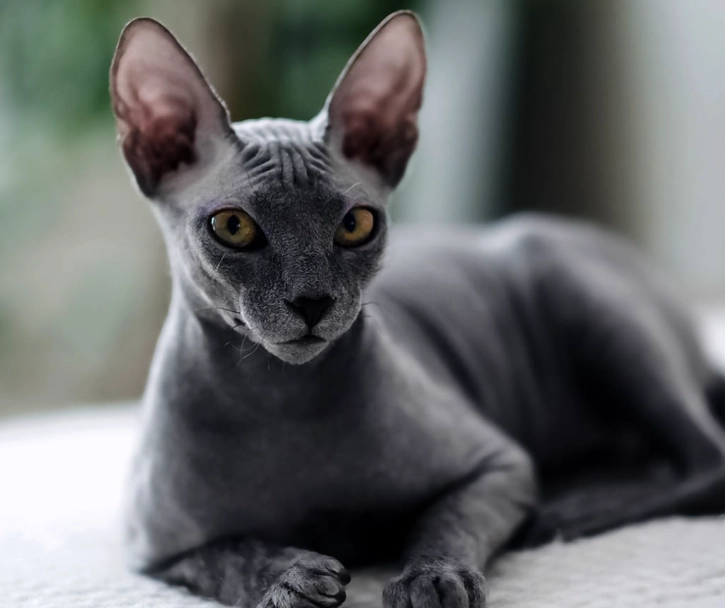
| Sphynx | Affectionate, attention-seeking, energetic. | Very High (needs weekly bathing) | Allergy sufferers (to dander, not saliva protein), people who don't mind a high-maintenance routine. | Skin care is mandatory (oily, needs cleaning). Gets cold easily. |
That table gives you the blueprint, but here's the nuance they don't always tell you. According to The International Cat Association (TICA), breed standards are about more than appearance; they define expected temperament. But within a litter, you can get a lazy Bengal or a hyper Ragdoll. Spend time with the specific kitten or cat if you can.
My non-consensus take? People get too hung up on "hypoallergenic" lists. A Sphynx needs a bath every week. If you're not up for that, you'll have a miserable, greasy cat. Sometimes a short-haired domestic shorthair from a shelter, whose personality you've met, is a better fit than chasing a specific purebred ideal.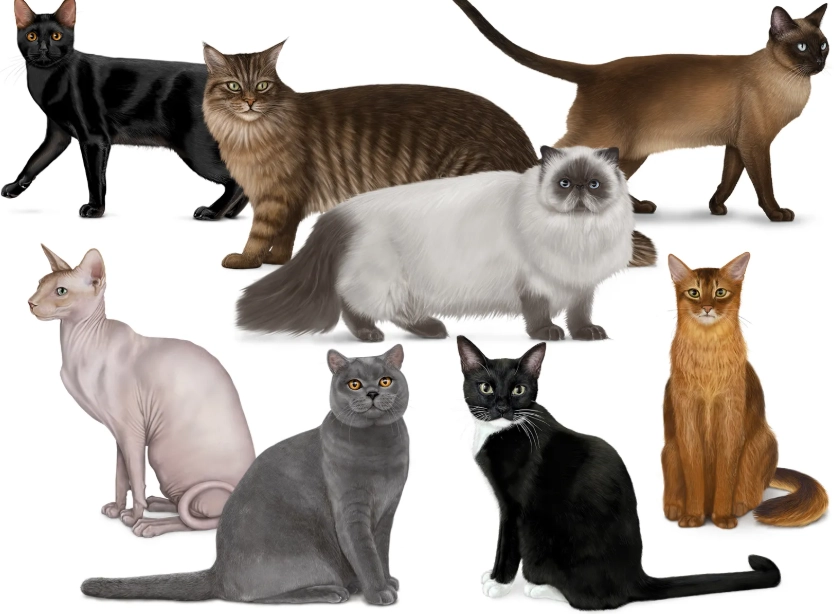
How to Choose the Perfect Name for Your Cat
Naming feels like a huge responsibility. You'll be saying it for 15+ years. The classic advice is to pick a 1-2 syllable name ending in an "ee" sound. That's actually good advice for training—cats respond better to high-pitched sounds. But let's get creative.
I've found names often fall into a few categories, and the best ones come from observing your cat for a few days.
- The Personality Name: Does she zoom around at 3 AM? Zoomer or Comet. Is he unusually dignified? Winston or Eleanor. My friend's cat who steals socks is named Klepto.
- The Appearance Name: Shadow for a black cat, Marshmallow for a white fluffy one, Patches for a calico. These are safe, but a bit predictable. Dig deeper: Mocha for a brown cat, Ash for a grey one, Rusty for an orange tabby.
- The "Human" Name: Steve, Dave, Barbara. These are endlessly amusing. There's something hilarious about yelling "Gerald, get off the counter!"
- The Food Name: Taco, Waffles, Biscuit, Mochi. Universally cute and usually fit any cat.
- The Literary/Geek Name: Luna (Sailor Moon, Harry Potter), Gandalf, Khaleesi, Sherlock. Shows off your interests.
A common mistake is choosing a name that's embarrassing to say at the vet. Test it out loud. "Come here, Princess Fluffybutt!" is fine at home, but you might find yourself just saying "Princess" in the waiting room.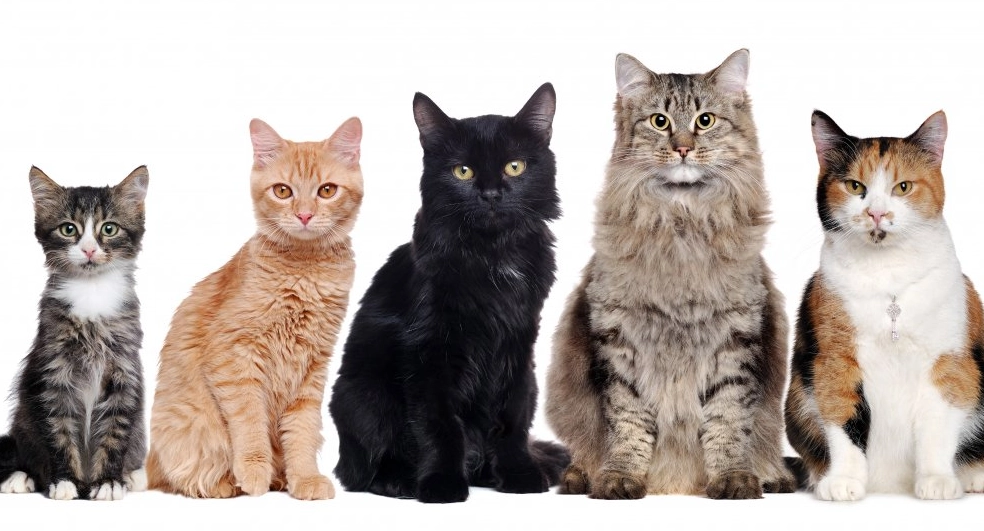
Pro Tip: Have a short, easy "call name" derived from the official one. Alexander the Great becomes Lex or Xander when you need him to come. This gives you a formal and a functional option.
What Are the Most Common Cat Health Issues by Breed?
This is the less fun, but critical, part of choosing a type of cat. Purebreds, due to selective breeding, often have genetic predispositions. Being aware isn't to scare you, but to prepare you. Responsible breeders screen for these conditions.
Breeds with Specific Health Considerations
Persians & Other Flat-Faced (Brachycephalic) Cats: Their adorable squished faces lead to brachycephalic syndrome. Think chronic snoring, noisy breathing, and dental issues because their teeth are crowded. They also have excessive tearing that needs daily wiping to prevent stains and infections. Their coat mattes easily, so grooming is non-negotiable, not optional.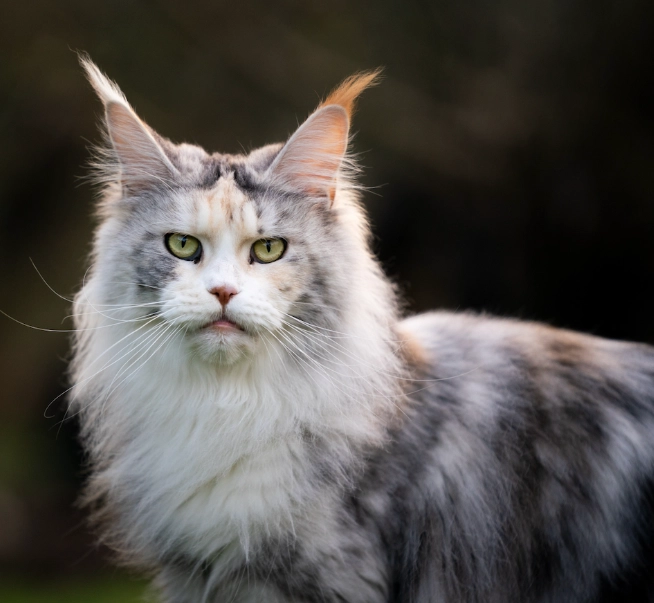
Maine Coons & Ragdolls: Both have a higher incidence of Hypertrophic Cardiomyopathy (HCM), a heart condition. A reputable breeder will have their breeding cats regularly echocardiogrammed. Ask for proof.
Siamese & Related Breeds (Oriental, Balinese): They can be prone to certain respiratory conditions and dental issues. They also have a higher rate of progressive retinal atrophy (PRA), which can lead to blindness. Again, screening is key.
Bengals: Generally robust, but some lines can be prone to a condition called Bengal neuropathy in kittens. Their high energy also means they're more likely to get into trouble and injure themselves.
Don't let this list deter you. It means do your homework. A well-bred cat from a breeder who does genetic testing is a world apart from a backyard breeder's kitten. Or, consider a mixed-breed cat from a shelter—hybrid vigor often means fewer congenital issues.
Matching Cat Breeds with Creative Names: Ideas and Inspiration
Now for the fun part: putting it all together. Here’s how breed traits can inspire truly fitting names.
For a vocal, chatty Siamese, names with a sharp, clear sound work: Kai, Zara, Echo, Siren. A name like Mime would be ironically funny.
A majestic, large Maine Coon deserves a name with gravitas: Thor, Freya, Atlas, Sequoia. I met one named Moose, which was perfect.
The sleek, wild-looking Bengal calls for names from nature or mythology: Jaguar ("Jags" for short), Phoenix, River, Khan.
The elegant, poised British Shorthair suits classic or aristocratic names: Charles, Victoria, Churchill, Poppy.
The hairless, unique Sphynx often gets names that match their alien-like appearance: Gollum, Yoda, Cleopatra (Cleo), Rumple (for their rumpled skin).
Ultimately, the name that sticks is the one that feels right to you and seems to get a flick of the ear or a purr in response from your new feline overlord.
Your Cat Choice Questions Answered
What is the best cat breed for a first-time owner who lives in an apartment?
For apartment living, prioritize breeds known for being adaptable, moderately active, and quiet. The Ragdoll is a top contender. They're famously relaxed, don't demand constant attention, and are less prone to destructive behavior when left alone compared to high-energy breeds. British Shorthairs are another excellent choice. They're independent, easygoing, and their plush coat requires minimal grooming. Avoid very vocal breeds like Siamese or highly energetic ones like Bengals in a small space unless you're committed to extensive daily play sessions.
How do I choose a name that my cat will actually respond to?
Cats respond best to names that are one or two syllables and end with a long 'ee' or high-pitched sound. Names like "Chloe," "Loki," or "Milo" are easier for their ears to pick up. The key is consistency and positive association. Use their name exclusively when giving treats, during playtime, or for gentle petting. Never use their name when scolding them. Start with a simple nickname based on their full name for training. For instance, "Alexander" can become "Lex" for recall commands.
Are there any cat breeds that are truly hypoallergenic?
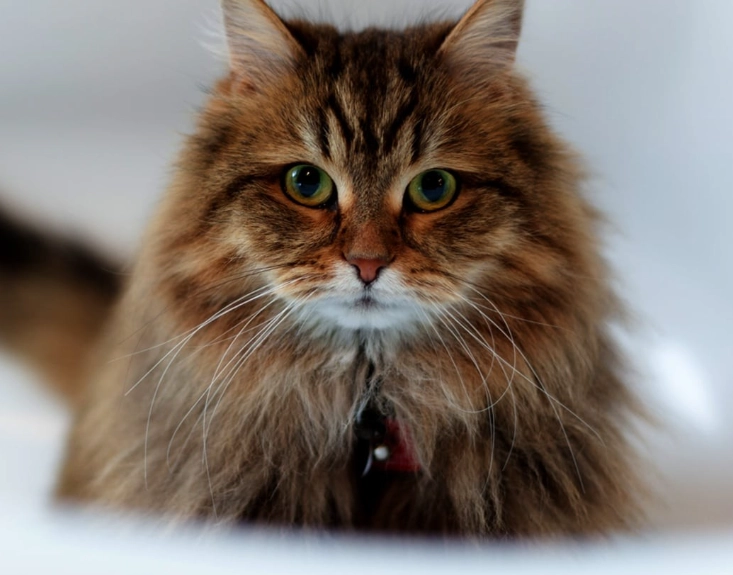
No cat breed is 100% hypoallergenic. Allergies are primarily triggered by a protein called Fel d 1 found in cat saliva and skin glands, not just fur. However, some breeds produce less of this allergen or shed less, spreading it around more slowly. The Siberian and Balinese are often mentioned for reportedly lower Fel d 1 production. Hairless breeds like the Sphynx need weekly baths to remove oily skin residue that carries allergens. The Devon Rex sheds very little. It's crucial to spend time with a breed before committing, as individual reactions vary widely.
What are some unique name ideas for a pair of sibling kittens?
Thematic pairs are fun and help create a bond. Consider literary duos like Romeo & Juliet or Fitz & Darcy. Food pairs work well for mischievous siblings: Mocha & Latte, Peanut & Butter, Gin & Tonic. For a classic touch, use names that rhyme or share a first letter: Willow & Winnie, Jasper & Jupiter, Finn & Flynn. My own siblings were named after constellations: Orion and Vega. Avoid names that sound too similar (like Bella and Ella) to prevent confusion during training.
The journey to finding your cat is part of the joy. Whether you're drawn to the silent grace of a rescue tabby or the dramatic presence of a purebred, the goal is the same: a lifelong friend whose name and personality become a beloved part of your home's story. Look beyond the photos, ask the hard questions about health and lifestyle, and let the right name find you. Happy cat hunting.