Quick Navigation
- The Core Pillars of the British Shorthair Temperament
- What Shapes This Wonderful Temperament?
- British Shorthair vs. Other Breeds: A Temperament Comparison
- Is a British Shorthair's Temperament Right for YOUR Home?
- Caring for a British Shorthair Temperament
- The Final Verdict on the British Shorthair Cat Personality
Let's cut to the chase. If you're picturing a cat that's the feline equivalent of a laid-back, slightly chunky teddy bear who enjoys a good nap more than a wild chase, you're on the right track. But there's so much more to it. I've had friends with British Shorthairs, and my own experience researching and visiting breeders has painted a pretty consistent picture. They're not your typical aloof cat, nor are they the clingy shadow type. They occupy this wonderful, middle ground that makes them incredibly special.
When people ask me "What is the temperament of a British Shorthair cat?" I usually start with one word: equable. It's an old-fashioned word, but it fits perfectly. It means even-tempered, calm, and not easily disturbed. Think of the most unflappable person you know – that's a British Shorthair in cat form.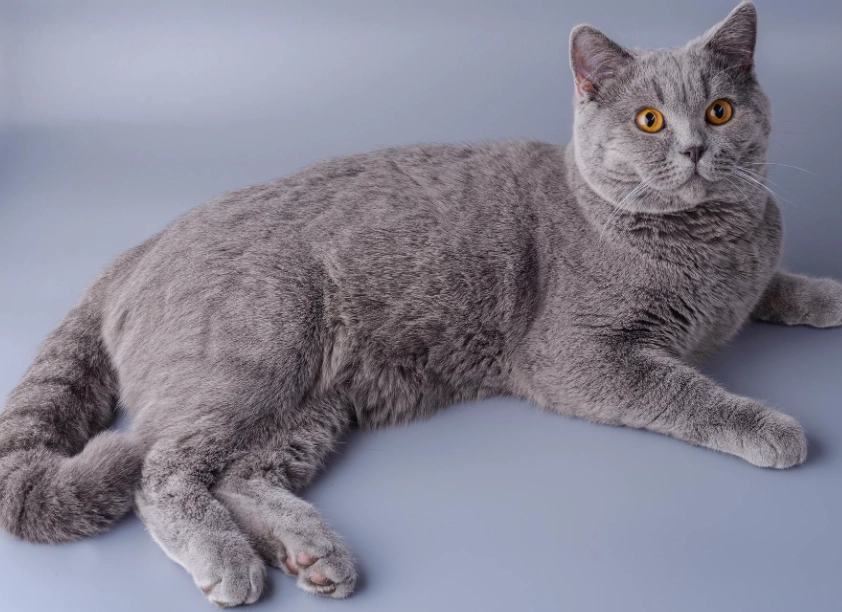
The British Shorthair Personality, At a Glance
Before we dive deep, here’s the snapshot. The British Shorthair cat temperament is famously calm, affectionate without being needy, deeply loyal, and surprisingly playful in a gentle, undemanding way. They are observant, intelligent, and form strong bonds with their families while maintaining a dignified independence. They're not known for being lap cats in the traditional sense (though some defy this!), but they are always present, preferring to be in the same room as their people, just a few feet away.
The Core Pillars of the British Shorthair Temperament
To really understand them, you need to look at the key traits that define their character. It's not just one thing; it's a combination that creates their unique vibe.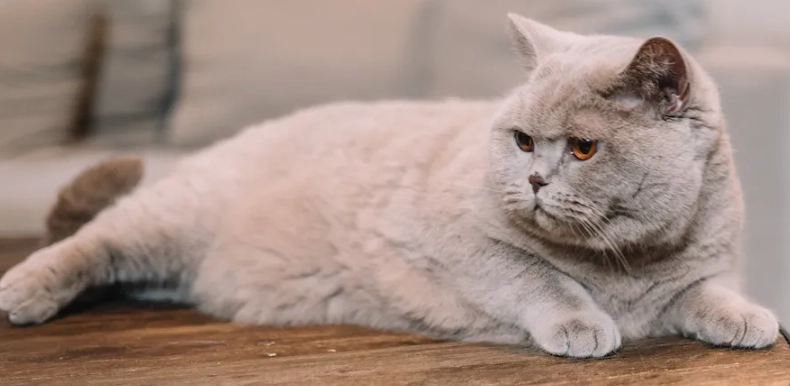
Calmness and Stability (Their Superpower)
This is their defining feature. While a Siamese might serenade you with opinions and a Bengal might redesign your living room for fun, the British Shorthair is an oasis of calm. Loud noises, visitors, moving furniture – these things rarely faze them. I remember visiting a friend whose BSH (that's the common abbreviation) barely lifted its head when a delivery person rang the doorbell loudly. My own cat at the time would have been under the bed for hours. This makes them fantastic for busy households, apartments, or homes with a steady flow of people. They're just...unbothered.
Affectionate, But On Their Own Terms
Don't expect constant cuddles or a cat that follows you from room to room begging for attention. Their affection is quieter, more subtle. It's in the slow blink from across the couch. It's the way they lean gently against your leg. It's the soft, quiet purr that starts when you sit down next to them. They seek out companionship, but often just beside you, not on top of you. This isn't aloofness; it's a confident, independent form of love. They assume you know they adore you, so they don't feel the need to be overly demonstrative. Some owners do report their BSH becoming more cuddly as they age, though.
Playful Intelligence, Not Hyperactivity
They're not kittens forever, but they retain a playful streak well into adulthood. It's a dignified play, though. Think batting at a feather wand while mostly lying down, or cleverly figuring out a puzzle feeder for treats. They enjoy interactive play sessions but are just as happy to entertain themselves with a crinkly ball. Their intelligence is practical. They learn routines quickly and can sometimes be surprisingly good at training you to provide treats at certain times.
What Shapes This Wonderful Temperament?
It didn't happen by accident. The temperament of a British Shorthair cat is a product of its history and breeding. Originally working cats on British farms and streets, they needed to be robust, intelligent, and steady. Over time, breeders selectively emphasized these calm, friendly traits, creating the modern companion we know. Reputable breeders, like those registered with organizations such as The International Cat Association (TICA), prioritize health and temperament, ensuring these wonderful personality traits are passed down. It's why getting a cat from a responsible source is so crucial – you're not just getting a pet, you're getting generations of carefully nurtured personality.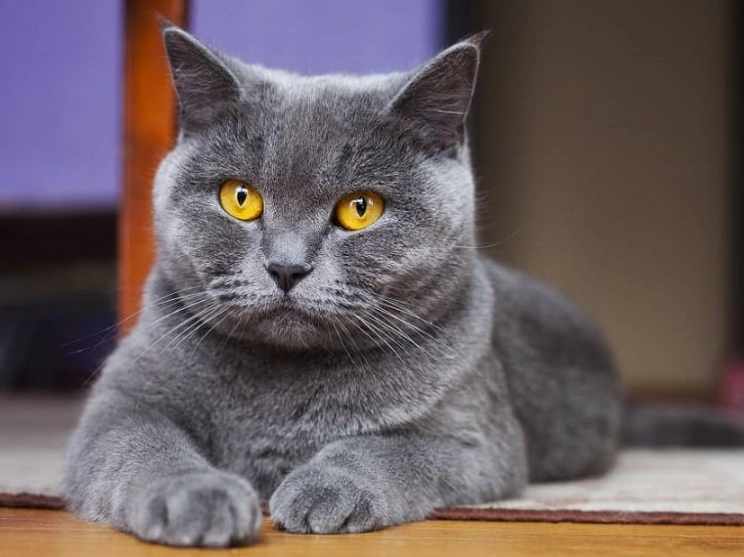
British Shorthair vs. Other Breeds: A Temperament Comparison
Sometimes, the best way to understand something is to see it side-by-side with others. How does the British Shorthair cat personality stack up?
| Breed | Energy Level | Affection Style | Vocalness | Best For |
|---|---|---|---|---|
| British Shorthair | Low to Moderate | Independent, quietly loyal | Very quiet | Calm homes, families, first-time owners |
| Siamese | High | Demanding, "velcro"-like | Extremely vocal | Active owners who want constant interaction |
| Maine Coon | Moderate to High | Dog-like, friendly | Chatty (chirps & trills) | Families, those wanting a playful giant |
| Persian | Very Low | Sweet, lap-oriented | Quiet | Quiet, adult-only homes, gentle handling |
| Bengal | Very High | Interactive, but on their own hyper terms | Can be loud | Very experienced owners with lots of space & time |
See the difference? The BSH occupies that sweet spot of being present and loving without being overwhelming or requiring exhausting levels of engagement.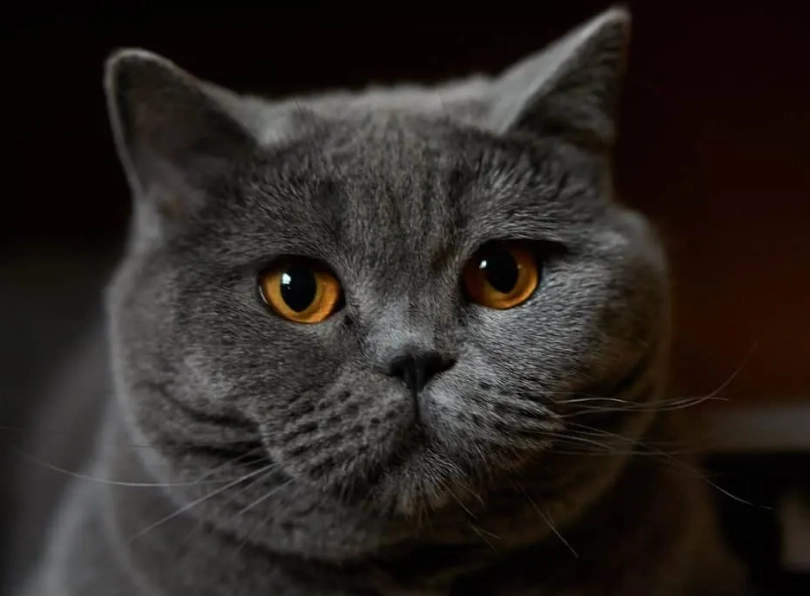
A Quick Reality Check
It's not all perfect. That famous calmness can sometimes border on stubbornness. If they don't want to move, good luck convincing them. And while they're gentle, their play can be a bit...clumsy? They're solidly built, and a paw bat can have more heft behind it than you expect. Also, that independence means they might not come when called (unless they think you have food). They're companions, not servants.
Is a British Shorthair's Temperament Right for YOUR Home?
This is the million-dollar question. Let's break it down by lifestyle.
They're a GREAT Match For:
- First-time cat owners: Their forgiving nature and easygoing attitude make them less daunting.
- Families with children: Their patience and stability are legendary. They tolerate gentle handling well, though young kids should always be supervised.
- Busy professionals: They don't suffer from separation anxiety and are content to hold down the fort while you're at work.
- Apartment dwellers: Quiet, not overly active, and unlikely to try to scale your curtains.
- Multi-pet households (with careful intro): Their non-confrontational nature often helps them get along with other calm cats and even dog-friendly dogs.
- People who want a low-drama pet: If you crave a peaceful home atmosphere, a BSH contributes to that.
You Might Want to Think Twice If:
- You want a constant lap cat: You may be disappointed. They show love differently.
- You crave high-energy play sessions: They'll play, but in short, gentle bursts.
- Your home is constantly chaotic and loud: While tolerant, every creature has its limits.
- You're looking for a "talking" companion: They are famously quiet. You'll get a meow, but it's often a soft, little chirp.
Caring for a British Shorthair Temperament
Their personality influences their care needs. You can't just plop a cat with this temperament into any environment and expect it to thrive.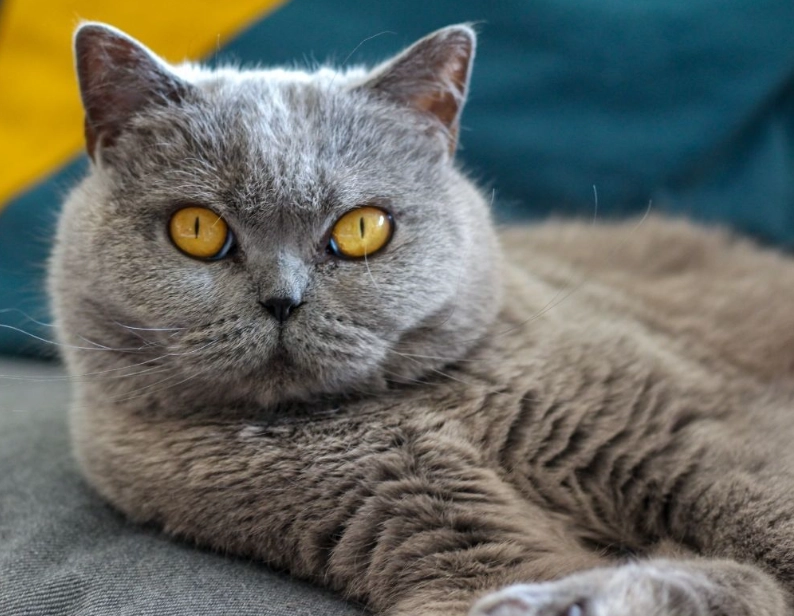
Creating the Right Environment
They love routine and predictability. Feed them at the same times. Keep their litter box immaculately clean (they're quite fastidious). Provide stable, secure perches by windows for bird-watching – a favorite pastime. They aren't great jumpers compared to some breeds, so ensure their favorite spots are accessible via steps or lower furniture. A couple of cozy beds in different rooms will make them feel like the house is truly theirs.
Engaging Their Mind (Without Overdoing It)
Puzzle feeders are brilliant for them. It turns mealtime into a gentle mental workout. Rotate a few sturdy toys—things they can bat around on their own. Daily short play sessions with a wand toy will satisfy their hunting instinct and keep them in good shape. Remember, they are prone to gaining weight, so combining mental stimulation with gentle physical activity is key. Resources from experts like the Feline Nutrition Foundation offer great insights into keeping indoor cats like the BSH healthy and engaged.
Socialization and Training
Start early if you get a kitten. Gently handle their paws (for future claw trims), get them used to being brushed, and expose them to normal household sounds. They are intelligent and can learn basic commands or tricks, especially with food motivation. Use positive reinforcement only; they shut down completely if scolded harshly. Their temperament is built on mutual respect.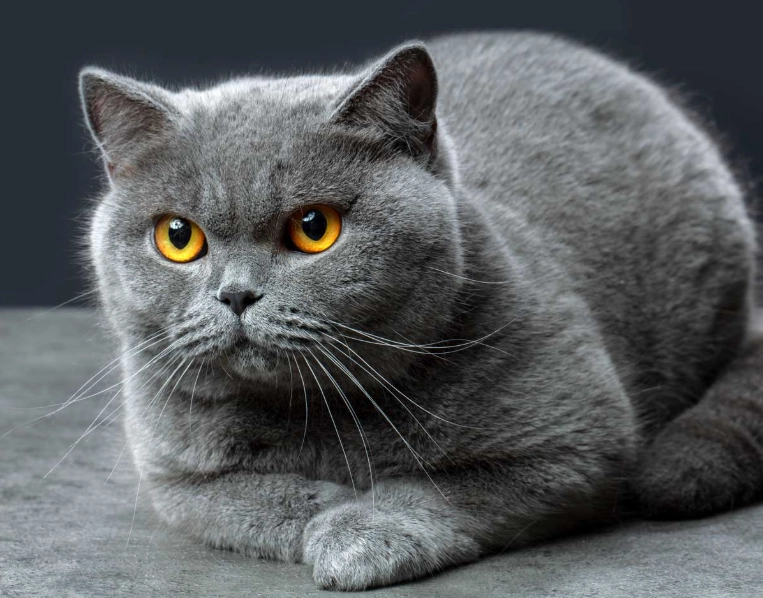
Your Questions on British Shorthair Temperament, Answered
Are British Shorthair cats friendly to strangers?
Typically, yes, but in a reserved way. They likely won't hide, but they probably won't run to greet your guests either. They'll observe from a distance, and if the stranger is calm, they may eventually approach for a sniff. They're not hostile, just cautiously polite.
Do British Shorthairs like to be held and cuddled?
This is the big one. Most do not enjoy being held for long periods. They can feel trapped. They much prefer to be petted while they are on solid ground—next to you on the couch, at your feet, or on a nearby chair. Some individuals are more tolerant than others, but forcing cuddles is a surefire way to make them avoid you.
Are they good with dogs?
They can be, thanks to their calm demeanor. The success depends hugely on the dog's temperament. A calm, cat-respectful dog can become a great companion. A high-prey-drive, boisterous dog will cause stress. Always introduce slowly and with controlled, positive associations.
Do British Shorthairs get lonely?
They are more independent than many breeds, so they tolerate being alone better. However, they are social creatures and thrive on the quiet presence of their family. For very long workdays, consider a second calm pet for company, or ensure you dedicate quality time when you are home.
Are British Shorthairs aggressive?
Extremely rarely. Aggression is wholly out of character for a well-bred, well-socialized BSH. If one is showing aggression, it's a major red flag for illness, pain, or extreme fear, and a vet visit is urgent.
How vocal are they?
One of the quietest breeds. They communicate with subtle body language, soft chirps, and the occasional quiet meow. You'll never be kept awake by a yowling British Shorthair.
The Final Verdict on the British Shorthair Cat Personality
Look, if you're seeking a feline friend who is low-maintenance in the drama department, who offers steady, quiet companionship, and who brings a sense of peaceful stability to your home, then the temperament of a British Shorthair cat might be your perfect match. They are the definition of a gentle giant (even if not giant in size, certainly in spirit and build).
They won't demand your attention every minute, but they will enrich your life simply by being their wonderfully consistent, charmingly plush selves. They ask for respect, routine, and a few good scratching posts in return for a lifetime of dignified affection. Understanding what is the temperament of a British Shorthair cat is the first step to building a truly wonderful relationship with one of the cat world's most reliably lovely characters.
Just be prepared for a lot of people to comment on how incredibly calm and beautiful your cat is. And you'll just smile, give your BSH a gentle stroke on the head (if they allow it), and say, "Yeah, that's just how they are."