In This Guide
- What Exactly Is a Black Abyssinian Cat? Appearance & Genetics
- The Black Abyssinian Cat Personality: Think "Feline CEO"
- Caring for Your Black Abyssinian Cat: A Practical Daily Guide
- Health & Lifespan: What to Watch For
- The Real Cost of a Black Abyssinian Cat
- Finding Your Black Abyssinian Cat: Breeder vs. Rescue
- Common Questions About Black Abyssinian Cats
- Final Thoughts: Is a Black Abyssinian Cat Right for You?
So, you're curious about the Black Abyssinian cat. Maybe you saw a picture online—this stunning creature with a sleek, dark coat and those huge, expressive ears—and you just had to know more. I get it. The first time I met one at a friend's house, I was hooked. It wasn't just the looks; it was the way it moved, like a tiny panther, and the intense, curious stare it gave me from across the room.
But here's the thing you need to know right off the bat: the term "Black Abyssinian cat" is a bit of a puzzle in the cat fancy world. It's not one of the standard, widely recognized colors you'll see winning top prizes at every show. That doesn't make them any less amazing, of course. It just means there's a fascinating story behind their coat color, and if you're considering bringing one of these intelligent, energetic cats into your home, you need the full picture—the good, the challenging, and the downright adorable.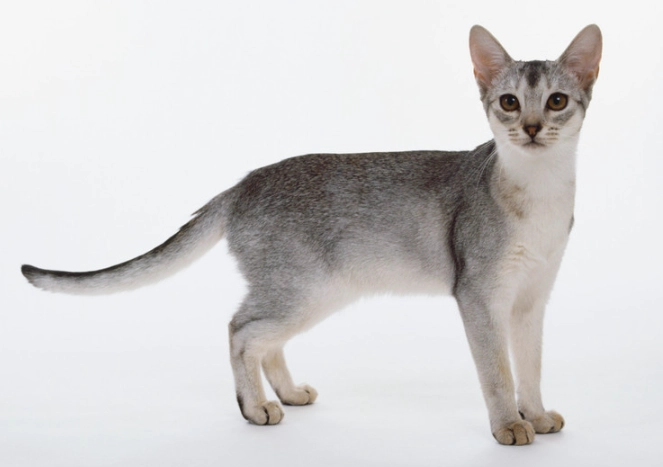
This guide isn't just a dry list of facts. It's what I wish I'd had when I started researching. We'll dig into what their personality is really like (hint: they're not couch potatoes), what it actually costs to care for one properly, and the health stuff you absolutely must be aware of. Whether you're just browsing or seriously planning to adopt a Black Abyssinian cat, consider this your one-stop shop.
What Exactly Is a Black Abyssinian Cat? Appearance & Genetics
Forget the idea of a plain, flat black coat. An Abyssinian's beauty is all about its "ticking." Each hair has multiple bands of color, which gives the coat a shimmering, warm depth. On a Ruddy Aby (the most common color), the base is a burnt orange or apricot, ticked with black or dark brown. When this ticking is exceptionally heavy and dark, the overall effect in dim light can be a rich, sable blackness. It's breathtaking.
A genetically solid black coat would lack this signature ticking, which is a core breed characteristic. Breeders dedicated to preserving the classic Aby look typically focus on the standard colors. However, through genetic variations or outcrossing in the breed's history, you can find cats with darker, smokier, or non-standard coats that enthusiasts lovingly call Black Abyssinians. They are the same breed, with all the same traits—just wearing a different, incredibly striking shade.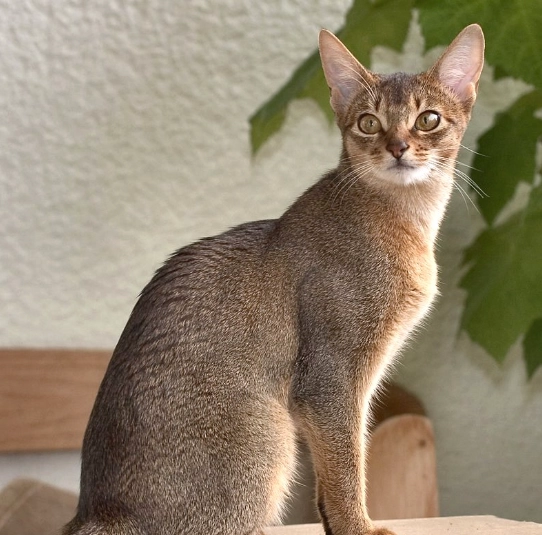
The "Aby-sinian" Look: Key Physical Traits
No matter the coat color, all Abys share a distinct body type. They are medium-sized, muscular, and elegant, giving an impression of poised energy. You'll never mistake them for a cobby, round-faced breed.
- The Head: A modified wedge shape with a slight break at the muzzle. Those ears are a dead giveaway—large, alert, and cupped at the base, like they're always listening. Between them, you'll often see a distinctive "M" marking on the forehead.
- The Eyes: Almond-shaped, large, and expressive. They range in color from gold to green, and they're always full of intelligence and curiosity. A Black Abyssinian cat with golden eyes against that dark coat is a particularly stunning combination.
- The Coat & Ticking: Short, fine, and lying close to the body. The feel is incredibly soft. The ticking (2-3 bands of color per hair) creates a warm, glowing effect. Even on a very dark Aby, you'll see this warmth in sunlight.
- The Body & Tail: They feel surprisingly dense and muscular when you pick them up. The legs are long and slender, making them look like they're up on their toes. The tail is fairly long and tapers to a point.
The Black Abyssinian Cat Personality: Think "Feline CEO"
If you want a cat that will quietly sleep 20 hours a day, look elsewhere. An Abyssinian, regardless of coat color, is a participant in your life. They don't just live with you; they oversee your activities. My friend calls hers the "supervisor." She'll be cooking, and her Aby is on the kitchen island, watching every chop, occasionally reaching out a paw to investigate a vegetable.
Their intelligence is off the charts. This is a pro and a con. Pro: They can learn tricks (fetch is a common favorite), figure out puzzle feeders in seconds, and even open cabinets or doors if not properly secured. Con: They get bored easily, and a bored Aby is a mischievous Aby. They might "reorganize" your desk, bat your keys under the fridge, or serenade you at 5 AM because they're ready for playtime.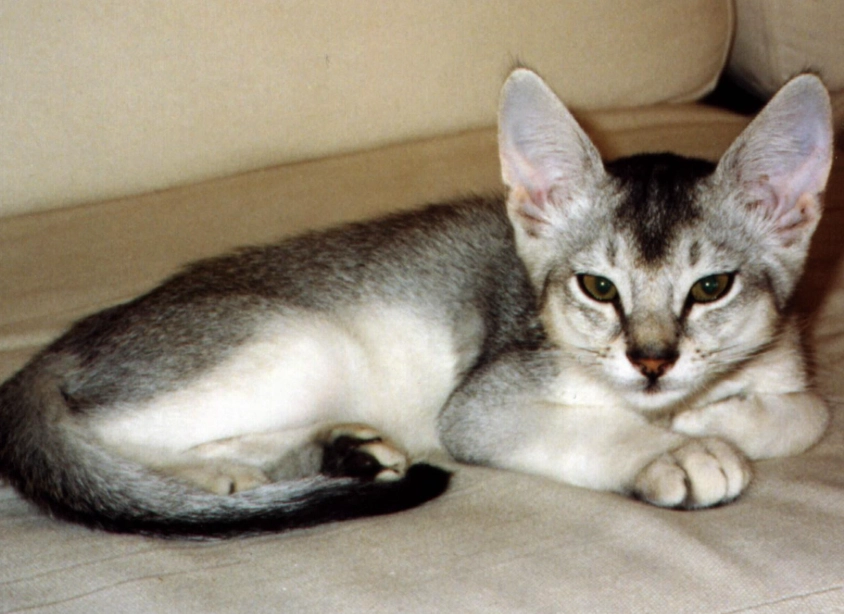
- Endlessly Curious: Everything is interesting. A new grocery bag, a running faucet, a bug on the window—it all requires immediate investigation.
- Highly Social & People-Oriented: They often follow their favorite person from room to room. They tend to be less "lap cats" and more "perimeter cats," preferring to be near you, often on a high shelf or the back of the couch, overseeing their domain.
- Playful Well Into Adulthood: That kitten-like energy doesn't fade at six months. A 10-year-old Black Abyssinian cat will still initiate games of chase and pounce.
- Vocal, But Not Loud: They have a soft, pleasant chirp or trill rather than a demanding yowl. They use it to comment on things, greet you, or remind you it's playtime.
- Often Good with Other Pets: Their social nature means they usually do well with another playful cat or even a dog that respects feline boundaries. They hate being alone for long periods.
Are they good with kids? Generally, yes, if the kids are respectful. They'll tolerate gentle petting and may even enjoy playing with older, calm children. But they're not overly tolerant of tail-pulling or rough handling—they'll simply remove themselves from the situation with a dignified leap to a higher perch.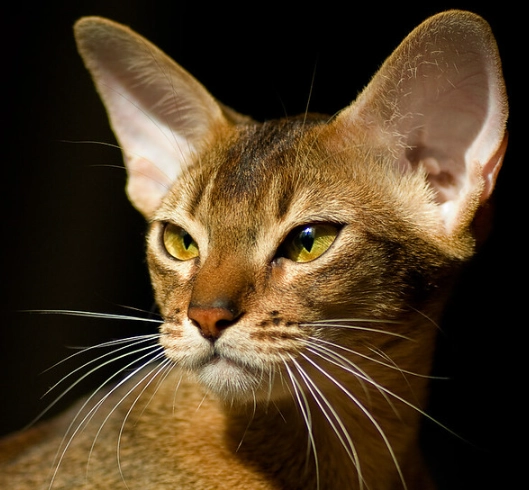
Caring for Your Black Abyssinian Cat: A Practical Daily Guide
Owning an Aby is a commitment to active companionship. Their care is straightforward but requires engagement.
Grooming: Easier Than You Think
That short coat is low-maintenance. A weekly brush with a soft rubber grooming mitt or a fine-toothed comb is plenty. It removes loose hair and distributes skin oils, keeping that dark coat shiny. During shedding seasons (spring and fall), you might need to do it twice a week. The beauty of a dark-coated cat? Loose hairs can be more visible on light furniture, so regular brushing helps a lot.
They are famously clean cats and usually excellent self-groomers. Other basics are standard: trim claws every couple of weeks, check ears weekly for dirt, and introduce tooth brushing early if possible. Many Abyssinians don't mind water, so occasional baths aren't the battle they can be with other breeds.
Diet & Nutrition: Fuel for an Athlete
This is an active, lean breed with a fast metabolism. They need high-quality food rich in animal protein. Look for named meat sources (chicken, turkey, fish) as the first ingredients. Whether you choose wet, dry, or a combination is a personal and veterinary decision, but ensure it's nutritionally complete.
Portion control is key. Because they're so active, it's easy to think they can eat endlessly, but obesity can sneak up and is terrible for their joints. Follow feeding guidelines and adjust based on your individual cat's activity level. Always provide fresh water. A cat water fountain can be a great investment, as many Abys love moving water.
Exercise & Enrichment: Non-Negotiable
This is the most critical part of care. A bored Abyssinian is an unhappy, potentially destructive Abyssinian. Physical and mental stimulation are not luxuries; they are necessities.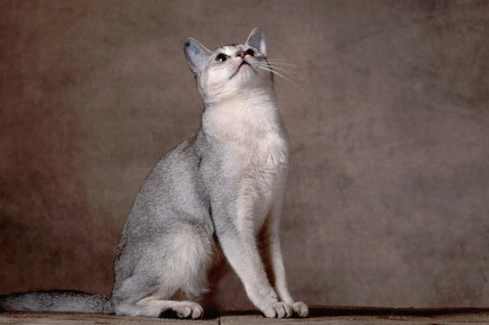
- Interactive Play: Daily sessions are mandatory. Think wand toys with feathers, laser pointers (always end with a physical toy they can "catch"), and balls they can chase. A Black Abyssinian cat in full sprint is a sight to behold—incredibly fast and agile.
- Climbing & Perching: They love height. A tall, sturdy cat tree is essential. Adding wall shelves or perches near windows creates a "cat highway" that they will adore.
- Puzzle Feeders: Turn mealtime into brain time. Food-dispensing balls or puzzle mats make them work for their kibble, satisfying their natural hunting instincts.
- Training: They excel at clicker training. Teaching them to sit, high-five, or jump through a hoop provides fantastic mental exercise and strengthens your bond.
- Companionship: Seriously consider getting two cats if you work long hours. Another playful cat (another Aby or a similarly active breed like a Siamese) can be the best toy you ever provide.
Health & Lifespan: What to Watch For
Abyssinians are generally healthy, robust cats with a typical lifespan of 12-15 years, with many living into their late teens with good care. However, like all purebreds, they have some predispositions to certain conditions that a responsible owner should know about.
A reputable breeder will be the first line of defense. They should test their breeding cats for genetic issues and provide you with documentation. Always ask for health clearances. The Cornell Feline Health Center is a great resource for understanding feline health in general.
| Health Concern | Description | Prevention & Action |
|---|---|---|
| Gingivitis/Periodontal Disease | Abys seem prone to dental issues. Plaque builds up easily, leading to inflamed gums and tooth loss. | Annual vet dental checks. Start tooth brushing early. Dental treats or water additives can help. A dental cleaning under anesthesia may be needed periodically. |
| Patellar Luxation | The kneecap can temporarily slip out of place. You might see the cat skip a step or hold a leg up for a moment. | Keep your cat at a healthy weight to reduce joint stress. Most cases are mild, but severe cases may require surgery. |
| Progressive Retinal Atrophy (PRA) | A genetic disorder causing gradual degeneration of the retina, leading to blindness. A specific type (rdAc) is known in Abys. | Reputable breeders test for the PRA gene and will not breed affected cats. Ask for proof of this test. |
| Renal Amyloidosis | A serious condition where abnormal protein deposits damage the kidneys. It is more prevalent in Abyssinians than in many other breeds. | There is no genetic test yet. Regular vet check-ups with bloodwork (including kidney values) are crucial for early detection. Ensure constant access to fresh water. |
| Hyperesthesia Syndrome | A neurological condition that can cause episodes of skin rippling, frantic grooming, or sudden aggression when the back is touched. | It's manageable. Stress reduction is key. Your vet may prescribe anti-anxiety medication or recommend behavioral modification. |
The key takeaway? Find a good vet you trust, stick to a schedule of annual or bi-annual check-ups (more frequent for seniors), and be observant. Any changes in appetite, litter box habits, energy level, or behavior warrant a call to the vet.
The Real Cost of a Black Abyssinian Cat
Let's talk money, because it's a big part of the decision. The initial purchase price is just the start.
Initial Costs (First Year)
- Kitten from a Breeder: This is the biggest variable. A pet-quality Abyssinian kitten from a reputable breeder typically ranges from $1,200 to $2,500. Rare colors or show prospects cost more. A non-standard color like a very dark or "black" Aby might fall within this range or be priced similarly. Beware of anyone selling "rare black Abyssinians" for exorbitant prices as a marketing gimmick. The price should reflect health testing and quality care, not just coat color.
- Adoption/Rescue: Occasionally, purebred Abyssinians end up in breed-specific rescues or general shelters. Adoption fees are much lower, usually $150-$400. This is a wonderful option if you find one.
- Start-Up Supplies: Cat tree, carrier, litter boxes, scratching posts, high-quality food bowls, toys, initial food and litter supply. Budget at least $300-$500.
- Initial Vet Care: First vet visit, vaccinations, spay/neuter, microchipping. This can easily be $300-$700.
Ongoing Annual Costs
- High-Quality Food: $400-$800 per year.
- Litter: $150-$300 per year.
- Routine Vet Care: Annual check-up, vaccines, parasite prevention. $200-$400 per year.
- Pet Insurance OR Emergency Fund: This is highly recommended. Insurance can cost $300-$600 per year. Alternatively, start a dedicated savings account and put $50-$100 a month into it for unexpected medical expenses. A single emergency can cost thousands.
- Toys & Replacement Items: $100-$200 per year. They wear out toys and scratching posts!
Finding Your Black Abyssinian Cat: Breeder vs. Rescue
This is a crucial step. Doing it right prevents heartache.
Finding a Reputable Breeder:
- Start with the breed club. The Abyssinian Breed Club often has a breeder referral list.
- A good breeder will interview you thoroughly. They will want to know about your home, lifestyle, and experience.
- They will invite you to visit their home (or do a thorough video call) to see the kittens and the mother cat in their environment.
- They will provide health clearances for the parents (PRA test, etc.) and a written health guarantee for the kitten.
- They will keep kittens until at least 12-14 weeks old for proper socialization.
- They will be a resource for you for the cat's entire life.
Red Flags in a Breeder: Multiple litters always available, multiple breeds for sale, unwilling to let you see where the cats live, no health testing, pressure to pay online without meeting, kittens going home before 8 weeks old.
Considering Rescue: Check Petfinder or Adopt-a-Pet.com and set alerts for "Abyssinian" in your region. Also search for "Abyssinian rescue" or "purebred cat rescue." You might find an adult cat who needs a home. The benefit is you often get a cat whose personality is already known, and you're giving a second chance.
Common Questions About Black Abyssinian Cats
Final Thoughts: Is a Black Abyssinian Cat Right for You?
Let's be honest—the idea of a sleek, intelligent, panther-like cat following you around is incredibly appealing. And for the right person, a Black Abyssinian cat is a phenomenal companion. They are engaging, loving, and endlessly entertaining.
But they are not for everyone. They demand interaction. They get into things. They need mental challenges. If you want a quiet, independent cat that mostly keeps to itself, an Aby will drive you both crazy.
Think about your lifestyle. Are you active at home? Do you enjoy interactive play? Can you provide structure and enrichment? Are you prepared for the financial and time commitment for the next 15+ years?
If you answered yes, then this unique, beautiful, and brainy breed might just be your perfect feline match. The journey to finding your own Black Abyssinian cat—whether through a careful breeder or a lucky rescue—is well worth it for the years of dynamic companionship you'll receive in return. Just be ready for your life to get a whole lot more interesting.