Quick Navigation
- What Exactly IS a Tortoiseshell Cat? It's All in the Genes
- The Infamous "Tortitude": Myth, Reality, and My Living Room Experience
- Health and Care: What's Special for a Tortie?
- Living in Harmony: Your Tortie Care and Enrichment Guide
- Your Tortoiseshell Cat Female Questions, Answered
- The Final Word on Your Patchwork Princess
Let's get one thing straight from the start. If you're here, you're probably either living with one of these beautifully chaotic creatures, or you're thinking about it. And you've heard the stories. The "tortitude." The sass. The sheer, unpredictable will of a tortoiseshell cat female. I've had my girl, Mosaic, for eight years now, and let me tell you, the rumors aren't entirely wrong. But they're also not the whole picture. Not by a long shot.
This isn't just another fluffy article repeating the same old lines. We're going to dig into the why behind that stunning patchwork coat. We're going to unpack the personality, not just label it. And most importantly, we're going to talk about what it actually takes to live happily with a tortoiseshell cat female, because it's a unique experience that deserves honest, practical advice.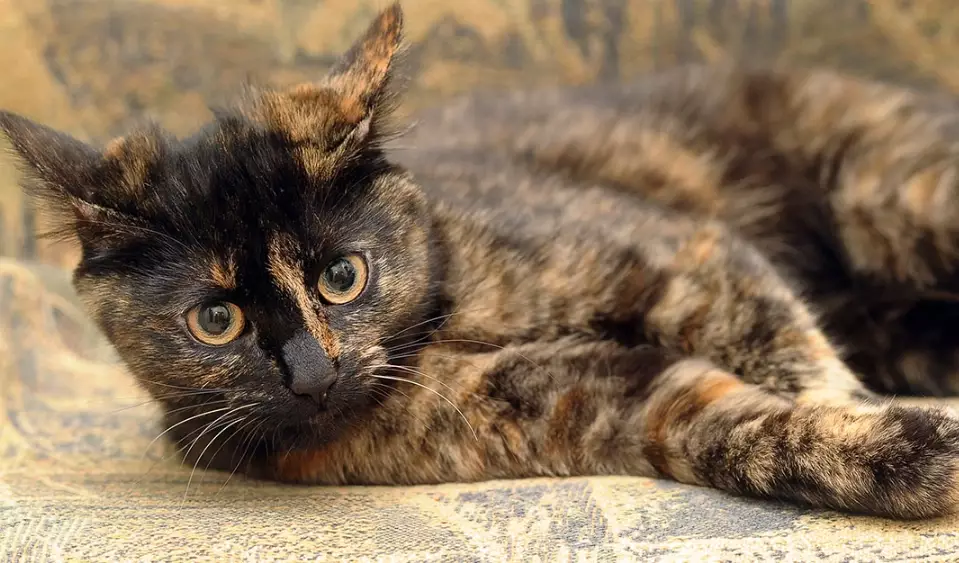
What Exactly IS a Tortoiseshell Cat? It's All in the Genes
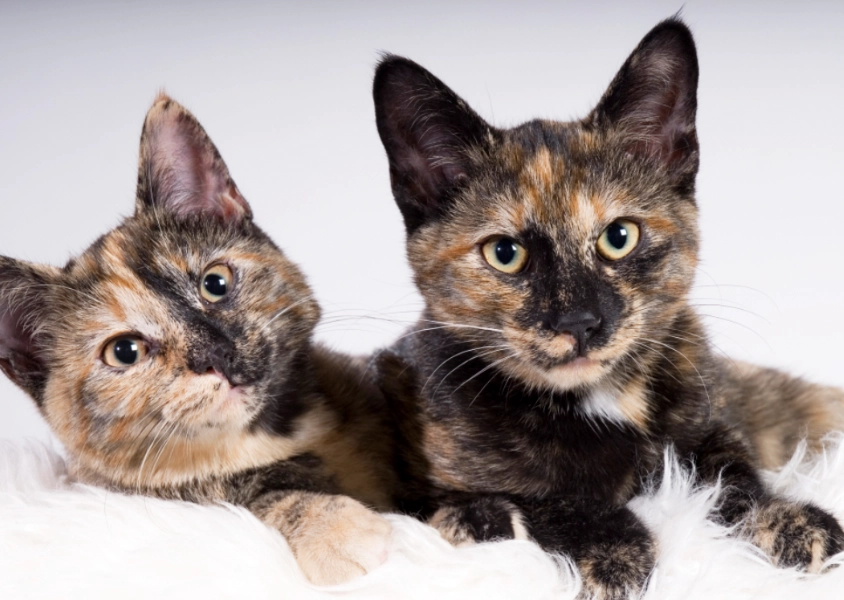
First, a bit of science to cut through the confusion. A "tortoiseshell" isn't a breed. It's a color pattern. You can find this pattern in many breeds and, almost exclusively, in female cats. That last part is the key. The classic tortoiseshell coat is a mesmerizing, brindled mix of black and orange (red) fur, sometimes with little patches of cream or gold. No two are ever alike. My Mosaic has this perfect little orange smudge on her forehead, like she was dipped in paint.
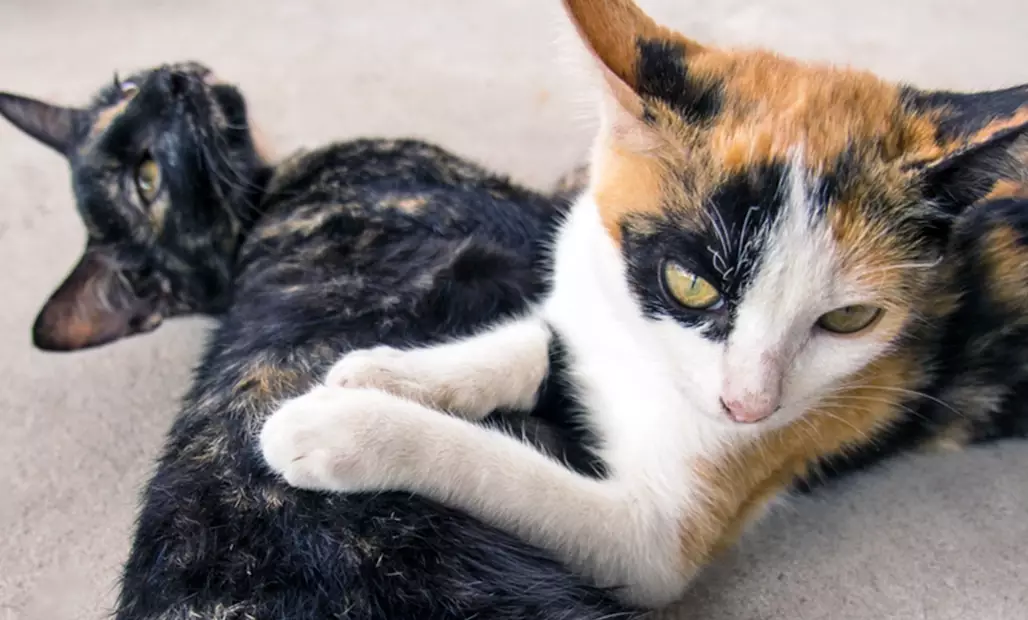
Then there's the "calico" or "tricolor" cat. People mix them up all the time. A calico has the same black and orange, but with distinct, separate patches of white. A tortie's colors are blended and mottled, like the shell of a tortoise (hence the name). If you see big, clean blocks of white, you're looking at a calico. Simple as that.
Here's the genetic magic trick: The gene for orange fur and the gene for black fur are both located on the X chromosome. Female cats have two X chromosomes (XX). In a tortoiseshell cat female, one X might carry the orange instruction, and the other X carries the black instruction. Early in her development, one X chromosome gets randomly "turned off" in each cell—a process called X-inactivation. The cells where the "orange" X is active produce orange fur. The cells where the "black" X is active produce black fur. The result? That beautiful, random patchwork.
So what about male tortoiseshell cats? They're incredibly rare. A male cat is XY. To have both orange and black, he'd need two X chromosomes... which means he'd have a genetic condition like XXY (Klinefelter syndrome). These males are usually sterile. So, when you see a tortoiseshell cat, you can be about 99.9% sure it's a female. Nature's little giveaway.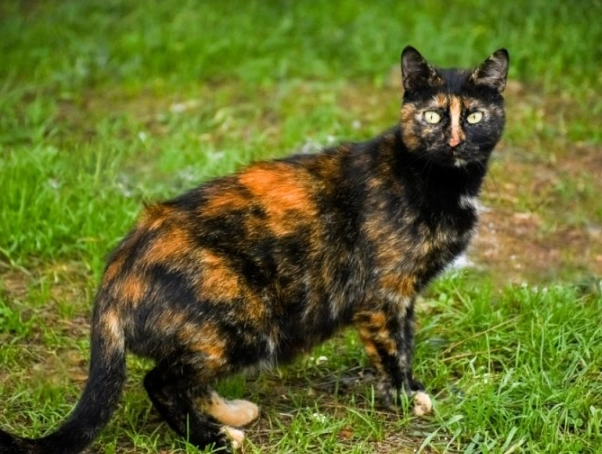
| Feature | Tortoiseshell Cat | Calico Cat | Tabby Cat |
|---|---|---|---|
| Primary Colors | Black & Orange/Red (blended) | Black, Orange/Red, & White (in patches) | Brown, grey, orange with stripes/spots |
| Pattern | Brindled, mottled, marbled | Distinct, separate patches of color | Stripes (mackerel), swirls (classic), spots |
| White Fur | Little to none | Significant amounts, in clear patches | Varies, not defining |
| Almost Always Female? | Yes | Yes | No |
| Genetic Basis | X-inactivation of color genes | X-inactivation + white spotting gene | Agouti gene & tabby pattern gene |
The Infamous "Tortitude": Myth, Reality, and My Living Room Experience
Ah, the big one. Tortitude. It's a cute portmanteau, but it carries a lot of weight. The idea is that tortoiseshell cat females are more strong-willed, feisty, unpredictable, and sassy than your average cat. From my experience and from talking to countless other tortie owners, there seems to be a kernel of truth here. But let's break it down, not just sensationalize it.
Mosaic has two speeds: deeply affectionate lovebug and defiant, yowling diva. There is no in-between. She'll demand pets, then bite my hand when she's had enough (a love bite, she claims). She has very specific opinions on where her toys belong (the water bowl) and when breakfast should be served (3 AM).
Is this scientifically proven? Well, it's tricky. A study published in the Journal of Applied Animal Welfare Science did survey cat owners and found that tortoiseshell, calico, and gray-and-white cats were more likely to be reported as "aggressive" in certain situations. But "aggressive" is a strong word. I'd call it... highly assertive. They know what they want.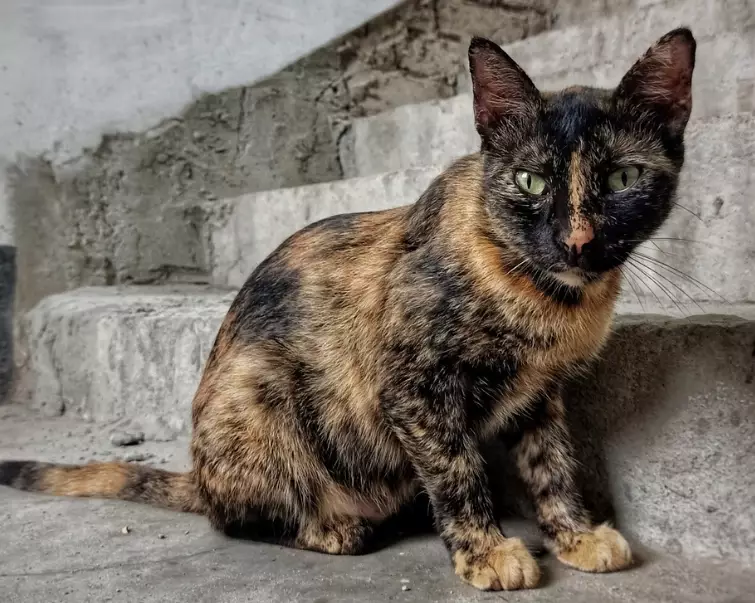
Why might this be? Some theories:
- The Genetic Mosaic Theory: Remember X-inactivation? It doesn't just affect fur. It can influence brain development. The theory is that the same random cell expression that creates the patchy coat might create a more complex, variable neurological wiring. It's a fascinating idea, though hard to prove conclusively.
- Hormonal Influence: Being almost always female, they are subject to different hormonal profiles than males, which can influence behavior.
- The Self-Fulfilling Prophecy: If everyone expects a tortoiseshell cat female to be sassy, we might interpret normal cat behavior through that lens. A regular cat ignoring you is aloof. A tortie ignoring you is giving you 'tude.
Let's debunk a big myth right now: Not every tortie is a hellion. I've met some that were shy and sweet. The "tortitude" is a spectrum, not a guarantee. But the tendency towards a big, bold personality is common enough that it's become legend.
So, if you're considering adopting a tortoiseshell cat female, go in with your eyes open. Expect a cat with character. A cat that will keep you on your toes. Don't expect a docile lap cat that just blends into the furniture (unless it's on her terms). The reward is a companion with immense personality, fierce loyalty (again, on her terms), and a never-ending source of entertainment and stories.
Health and Care: What's Special for a Tortie?
Okay, beyond the personality, are there any specific health or care needs for a tortoiseshell cat female? The short answer is: not really because of her color. Her care needs are defined by her breed, age, and health status, not her tortoiseshell pattern. However, there are a few things to be aware of.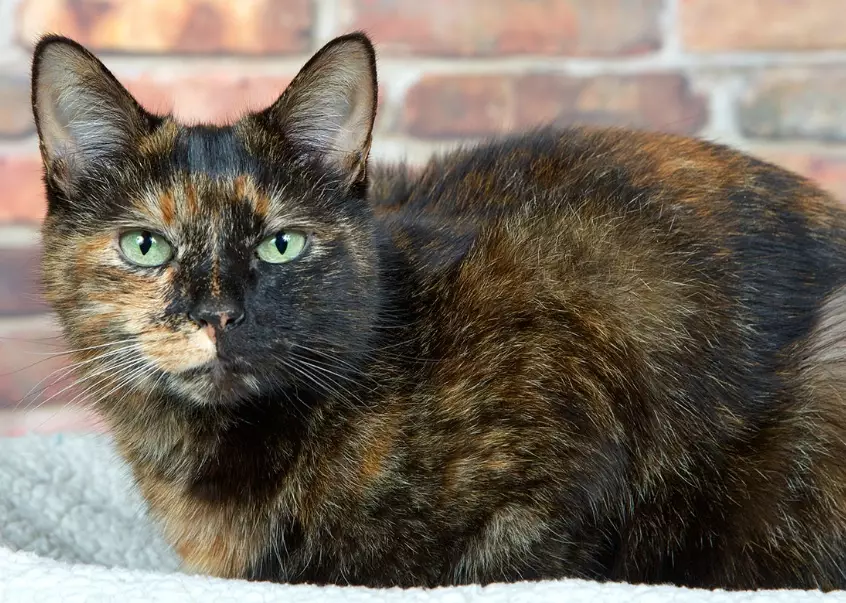
Sun Sensitivity and Skin Cancer
This is a big one, especially for cats with white ears or noses (more common in calicos, but some torties have small white patches). The pink skin under white fur has no melanin protection. A tortoiseshell cat female who loves sunbathing on the windowsill is at a higher risk for squamous cell carcinoma, a type of skin cancer, often on the ear tips, eyelids, or nose. If your tortie has any white on her, it's wise to apply pet-safe sunscreen to those areas or limit direct sun exposure during peak hours.
The Spaying Conversation (It's Non-Negotiable)
Since virtually all tortoiseshell cats are female, you must spay yours. Beyond preventing unwanted litters (and the challenge of finding homes for kittens), spaying eliminates the risk of ovarian and uterine cancers and greatly reduces the risk of mammary cancer. It also, frankly, saves you from the trials of a cat in heat. A female tortoiseshell cat in heat is a force of nature—loud, restless, and determined to escape. Spaying is a cornerstone of responsible ownership.
Some people wonder if spaying changes their personality. In my experience, it mellows the extreme hormonal edges but doesn't erase the core tortitude. Mosaic was just as opinionated after her surgery, just without the frantic heat cycles.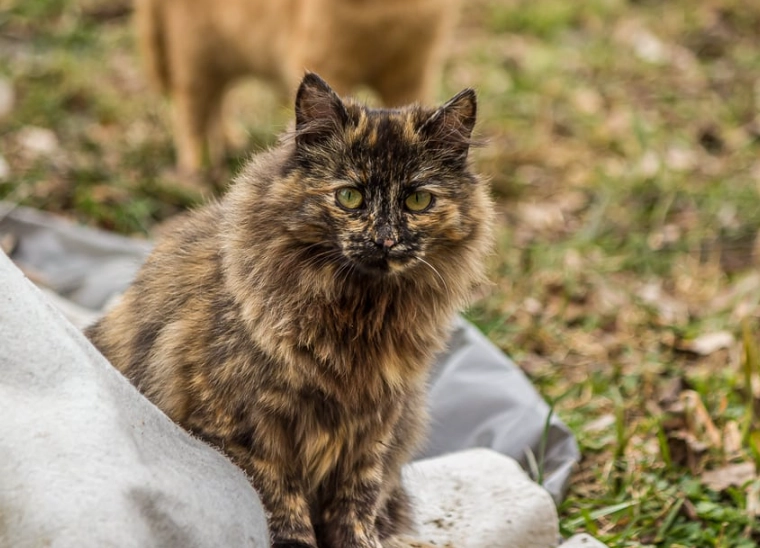
Living in Harmony: Your Tortie Care and Enrichment Guide
So you've brought home your beautiful, chaotic tortoiseshell cat female. How do you create a happy home for both of you? It's about management, respect, and smart enrichment.
The Tortie Owner's Mantra: Provide choices, not commands. Offer, don't force. And always, always respect the boundaries she communicates (often loudly).
Grooming: Their coats are usually short to medium-length. A weekly brush is great for bonding and reducing hairballs. Mosaic tolerates it for exactly three minutes before swatting the brush away. I've learned to work in short, positive sessions.
Nutrition: No special diet for color. Feed a high-quality, age-appropriate cat food. The challenge? Torties can be picky. Be prepared to experiment with textures (pate vs. shreds) and flavors. And stick to a schedule. They thrive on routine and will loudly inform you of any deviations.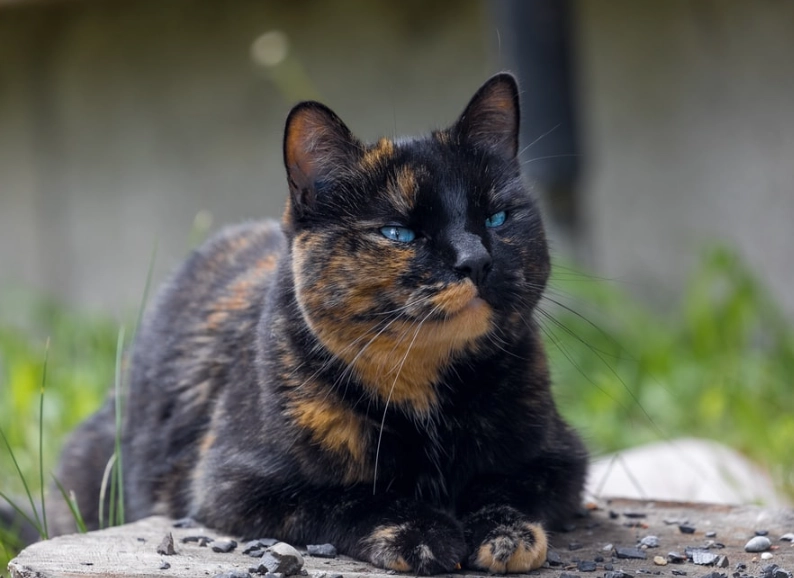
Environmental Enrichment (This is CRUCIAL): A bored tortoiseshell cat female is a destructive tortie. They are clever and need mental stimulation.
- Vertical Space: Cat trees, shelves, window perches. They love to survey their kingdom from on high.
- Puzzle Feeders: Make her work for her kibble. It engages her brain and slows down eating.
- Interactive Play: Daily play sessions are non-negotiable. Wand toys that mimic prey (feathers, mice) are best. Let her "catch" it often to satisfy her hunter's instinct. This is also the best way to bond and work out any feisty energy.
- Safe Outdoor Access: If possible, a secure catio (cat patio) or harness training can be wonderful. The sights and smells provide incredible mental stimulation. Mosaic goes for walks on a leash, and it's her favorite thing in the world (after chicken treats).
Handling the Sass: When the tortitude flares up—the yowling, the swatting, the general defiance—don't punish. It doesn't work and will damage your trust. Instead:
- Check her basic needs: Is her litter box clean? Is her water fresh? Is she hungry or bored?
- Redirect. If she's swatting, pull out a wand toy to channel that energy.
- Sometimes, they just want to be heard. Acknowledge her. I'll often say, "I hear you, Mo, but dinner is at 6." It sounds silly, but sometimes she just quiets down after being acknowledged.
- Learn her triggers. Mosaic hates the vacuum cleaner with a passion. I now give her a high-value treat in a distant room when I need to vacuum. It's turned a meltdown into a positive association.
Your Tortoiseshell Cat Female Questions, Answered
I get DMs and emails all the time from new tortie owners. Here are the most common questions, straight from the inbox.
The Final Word on Your Patchwork Princess
Living with a tortoiseshell cat female is not a passive hobby. It's an active partnership. Some days are filled with head-butts and purrs so loud they sound like motors. Other days, she'll knock your favorite pen off the desk while maintaining direct eye contact, just to see what you'll do.
It's never boring.
If you want a predictable, low-maintenance pet, you might want to look elsewhere. But if you want a companion with depth, intelligence, and a personality as unique and complex as her coat, a female tortoiseshell cat might just be your perfect match. They challenge you, make you laugh, and love you with a fierce, unforgettable intensity.
Embrace the tortitude. Stock up on wand toys. Learn her quirks. And get ready for one of the most rewarding relationships you can have with a feline. Just maybe keep your good pens in a drawer.