Explore This Guide
- What Exactly is an Orange Tabby? Genetics Behind the Ginger
- The Infamous Orange Tabby Personality: Fact vs. Fiction
- Caring for Your Orange Tabby Cat: A Practical Guide
- Orange Tabby Cat Health: What to Watch For
- Debunking Myths About Orange Tabby Cats
- Frequently Asked Questions About Orange Tabbies
- Final Thoughts
Let's get one thing straight right away. When people talk about an orange tabby cat, they're not talking about a specific breed. That's the first big misconception. You're actually talking about a coat color and pattern that shows up across many different cat breeds. It's like meeting a bunch of people with red hair – they can come from all sorts of backgrounds.
I've lived with a loud, opinionated orange tabby for eight years now. His name is Marmalade, and he's taught me more about this specific type of cat than any book ever could. He's also destroyed two couches, but that's a story for another day. The point is, there's a lot of folklore and half-truths floating around about these ginger cats. My goal here is to cut through the noise and give you the real, practical information you need, whether you're thinking of adopting one or you're just curious about the big orange guy sleeping on your lap.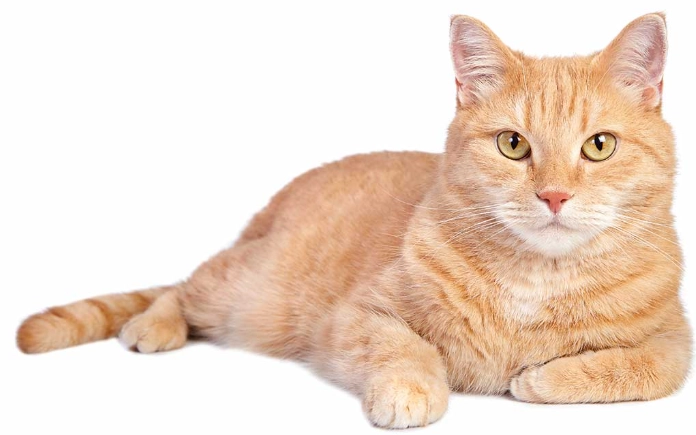
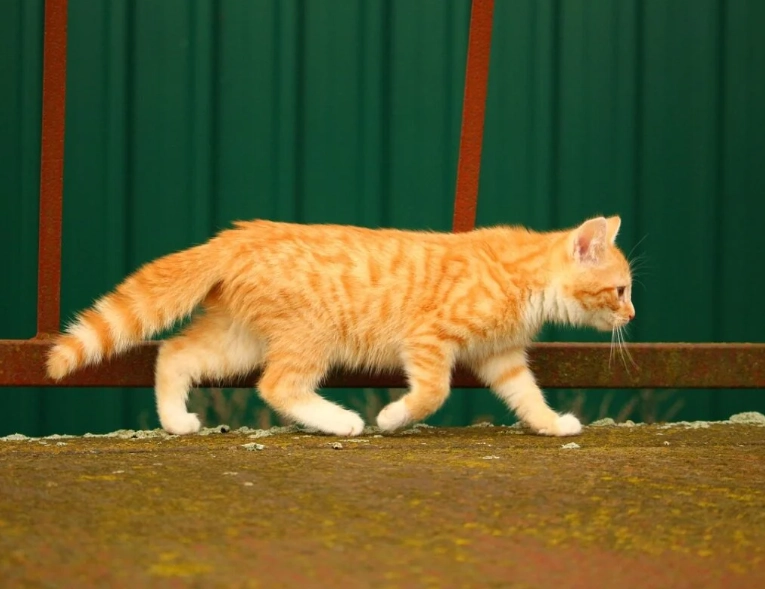
Key Takeaway: An "orange tabby" is defined by its fur, not its breed. The vibrant orange or ginger color combined with the distinctive tabby pattern (stripes, swirls, spots, or ticks) is what creates that classic look you instantly recognize.
What Exactly is an Orange Tabby? Genetics Behind the Ginger
So why are some cats this gorgeous sunset color? It all comes down to a single gene. The gene for orange fur (scientifically, the "O" gene for pheomelanin pigment) sits on the X chromosome. This has a huge consequence: about 80% of orange tabby cats are male.
Think about it. A female cat has two X chromosomes (XX). To be orange, she needs the orange gene on both of them. A male has one X and one Y (XY). If his single X has the orange gene, boom – he's an orange tabby cat. It's just statistically easier to be a male ginger. Female orange tabbies are less common, but they're not unicorns. They're just the lucky recipients of two orange genes.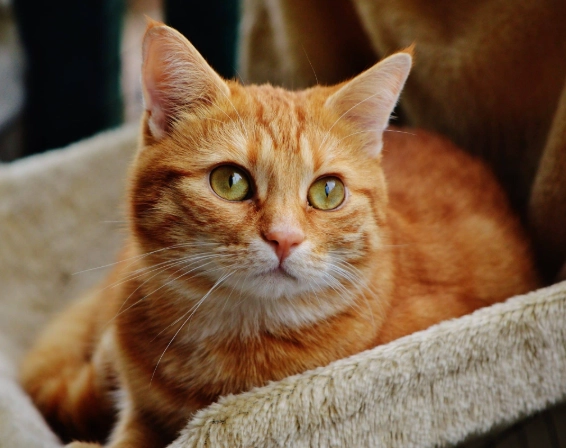
The Four Types of Tabby Patterns
Not all orange tabbies look the same. That classic pattern can show up in four main ways. I see people mix these up all the time.
- Mackerel (Striped): This is the most common. It looks like a tiger, with narrow, parallel stripes running down the sides. Marmalade is a mackerel tabby. His sides look like they've been carefully painted with fish bones (hence the name).
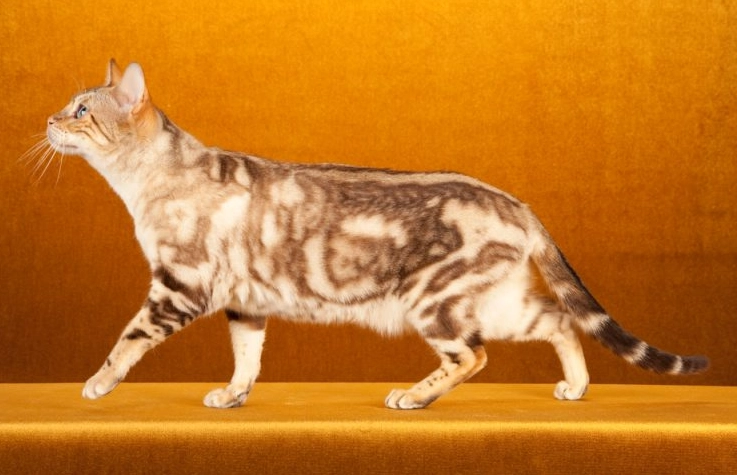
- Classic (Blotched or Marbled): This pattern has bold, swirling patterns that often form a bullseye or butterfly shape on the sides. It's beautiful and looks more dramatic.
- Spotted: Instead of stripes or swirls, the cat is covered in distinct spots. Some people think this is a separate thing, but it's a variation of the tabby pattern gene.
- Ticked (Agouti): This one is sneaky. From a distance, the cat looks like a solid sandy-orange color. But up close, each individual hair is banded with light and dark color. There are no clear stripes or spots on the body, though you'll often still see tabby markings on the face and legs.
And that distinctive "M" on the forehead? That's a universal tabby mark, not just for orange ones. Folklore says it stands for "Mau," the ancient Egyptian word for cat, or that it was placed by the Virgin Mary. In reality, it's just how the pattern genes express themselves on the forehead.
The Infamous Orange Tabby Personality: Fact vs. Fiction
Here's where it gets interesting, and where my personal experience really kicks in. You'll hear over and over that orange tabby cats are the friendliest, goofiest, most outgoing cats. The internet calls them the "golden retrievers of the cat world."
Is it true? Well, sort of. But it's not a hard rule.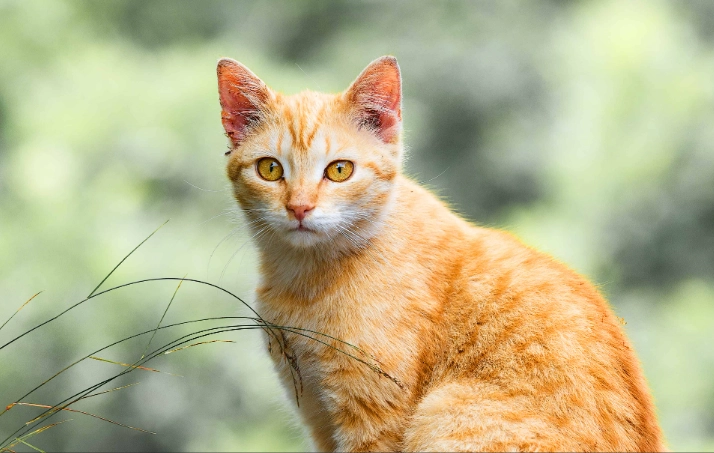
There's no scientific study that proves coat color directly dictates personality. A cat's temperament is shaped by a cocktail of genetics (breed, individual lineage), early socialization, and life experiences. However, anecdotal evidence from vets, shelters, and owners (like me) is overwhelmingly consistent. There seems to be a strong correlation.
Most orange tabby cats I've met, including Marmalade, lean hard into certain traits:
Marmalade is a social butterfly. He greets every guest, demands attention by plopping directly on your keyboard, and follows me from room to room talking the entire time. He's not subtle. But my friend's grey tabby is aloof and independent. The difference is night and day.
Common personality threads you'll hear about include:
- Highly Social & Affectionate: They often crave human interaction more than the average cat. They're lap cats, snugglers, and shadow-followers.
- Vocal: They like to chat. It's not always loud meowing; it can be chirps, trills, and murmurs. They have opinions and they share them.
- Playful & Goofy: They retain a kitten-like playfulness well into adulthood. They're the ones getting stuck in paper bags or sliding off the couch in a frenzy.
- Food-Motivated: This is a big one. Many owners report their orange tabbies are obsessed with food. You must be vigilant about portion control to prevent obesity.
But let's be real for a second. I've also met a skittish, shy orange tabby at the shelter. So while the odds are in your favor for getting a friendly cat, it's not a 100% guarantee. Don't adopt one expecting a guaranteed personality – adopt one because you connect with that cat.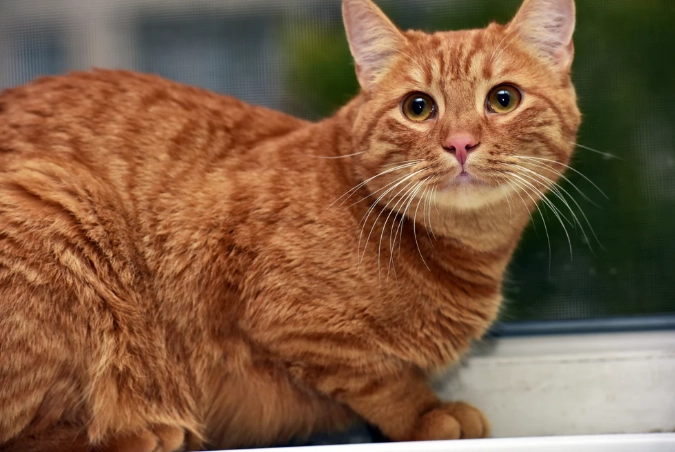
Caring for Your Orange Tabby Cat: A Practical Guide
Okay, so you have one or you're getting one. What do they actually need? Their care isn't radically different from other cats, but a few things deserve extra attention.
Diet and Nutrition: Tackling the Food Obsession
If there's one thing I wish I'd known earlier, it's how to manage the hunger. That strong food drive means an orange tabby cat can easily become overweight. I learned this the hard way when Marmalade started looking... rotund.
A structured feeding schedule is non-negotiable. Free-feeding (leaving a bowl of kibble out all day) is a recipe for disaster. Measure their portions based on their ideal weight, which your vet can help you determine. High-protein, moisture-rich diets (like quality wet food) are excellent for keeping them full and supporting urinary health.
Here’s a quick comparison of feeding approaches:
| Feeding Method | Pros | Cons for an Orange Tabby | My Recommendation |
|---|---|---|---|
| Free Feeding (Dry Food) | Convenient | Leads to overeating and obesity very quickly. Hard to monitor intake. | Avoid this. Just don't do it. |
| Scheduled Meals (2-3x/day) | Controls portions, creates routine. | They may beg relentlessly between meals. | Best option. Use puzzle feeders to slow them down. |
| Automatic Feeder | Precise timing and portions, good for busy owners. | Can be expensive. The cat learns to beg the machine, not you. | Great tool for consistency and breaking the "human = food" association. |
Grooming Needs
Their grooming is pretty straightforward. Most orange tabbies are short-haired (though long-haired versions like Maine Coons can be orange too!). A weekly brush is usually plenty to remove loose hair, reduce shedding, and distribute skin oils. It's also a fantastic bonding activity. Marmalade sees the brush as a treat and comes running.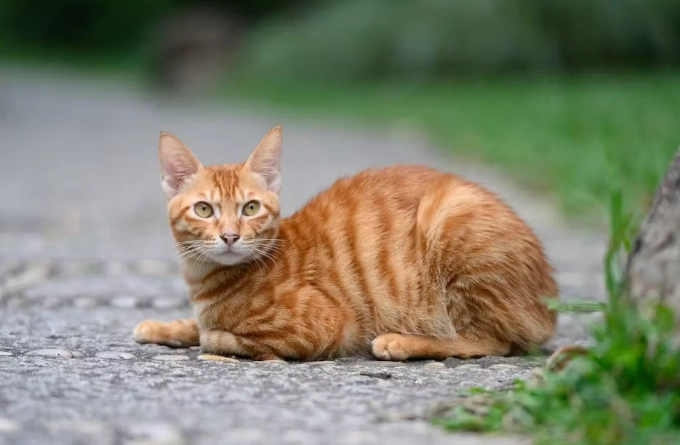
Pay special attention during seasonal changes in spring and fall when they "blow their coat." You'll be amazed at the amount of orange fur that comes off.
Exercise and Enrichment
A bored orange tabby is a mischievous orange tabby. That smart, playful brain needs stimulation. They aren't always great at self-entertaining.
- Interactive Play: Daily play sessions with wand toys (feathers, strings) are a must. It satisfies their hunting instinct and burns calories.
- Puzzle Toys: These are genius for food-motivated cats. They have to work for their kibble or treats, which provides mental exercise.
- Vertical Space: Cat trees, shelves, and window perches let them survey their kingdom, which they love.
Seriously, play with your cat. It's the number one way to prevent behavioral problems and keep them fit.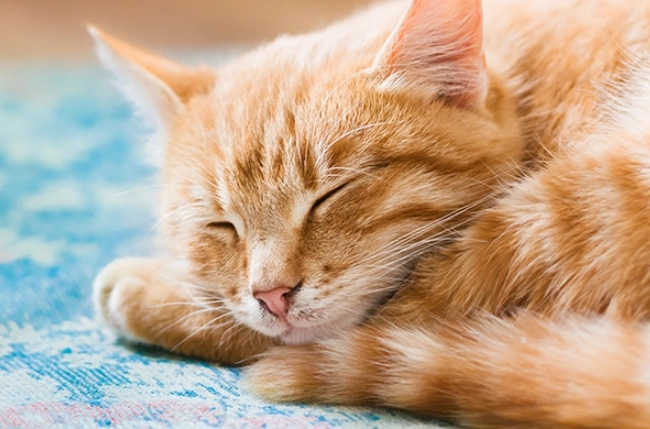
Orange Tabby Cat Health: What to Watch For
Again, their health profile is largely linked to their breed, not their color. A domestic shorthair orange tabby is generally robust. However, some conditions seem to pop up in conversations more often with these ginger cats.
Obesity: I'm mentioning it again because it's the biggest, most preventable health risk. It leads to diabetes, arthritis, and urinary issues.
Dental Disease: Like all cats, they are prone to plaque and gingivitis. Regular dental check-ups and dental care (like approved water additives or brushing if you can manage it) are important.
Feline Lower Urinary Tract Disease (FLUTD): This is a concern for many cats, especially males. The key prevention is ensuring they get enough moisture. A diet with wet food and encouraging water intake (with a cat fountain) can help significantly. The Cornell Feline Health Center has excellent, trustworthy resources on this common issue.
Sunburn/Skin Cancer: This is a lesser-known but important one for light-colored or thinly-furred orange tabbies. The pink skin on their ears and nose is susceptible to sun damage. If your cat loves sunbathing, talk to your vet about pet-safe sunscreen, especially if they have white ears.
Always, always partner with a good veterinarian for regular check-ups. Don't rely on internet advice (even this article!) to diagnose. Use it to inform questions for your vet.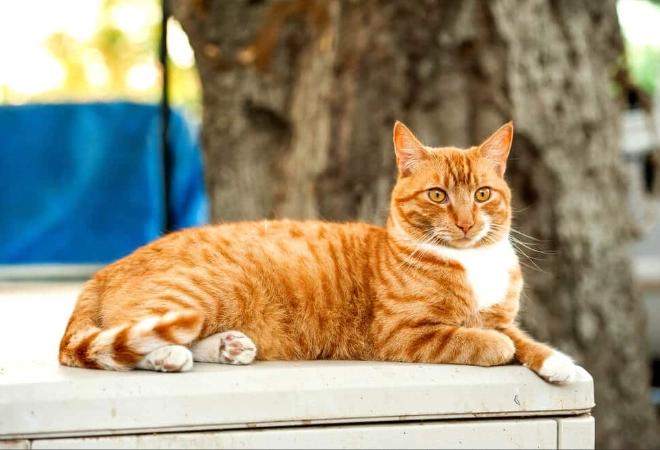
Debunking Myths About Orange Tabby Cats
Myth: All orange tabbies are male.
Truth: About 80% are male. Females are less common but not rare. They require a specific genetic combination.
Myth: They are a specific breed.
Truth: They are a color/pattern found in many breeds (Persian, Maine Coon, Munchkin) and most commonly in the Domestic Shorthair.
Myth: They are always friendly and outgoing.
Truth: They have a strong tendency toward sociability, but individual personality varies based on many factors. You can find a shy orange tabby.
Frequently Asked Questions About Orange Tabbies
Not because of their color. If you're adopting from a shelter, the fee is the same. If you're buying from a breeder of a specific breed (like an orange Persian), the price is based on the breed standards, pedigree, and the breeder's reputation, not the orange color itself. In fact, in some breeds, certain colors might be less common and thus more sought after, but it's not a universal rule for the orange tabby pattern.
There's no difference due to color. Lifespan is determined by breed, genetics, and most importantly, care. A well-cared-for indoor domestic shorthair orange tabby can easily live 15-20 years. The International Cat Care organization provides great general guidance on maximizing your cat's health and longevity.
It's likely part of their personality profile. They often use vocalization to communicate needs, greet you, or just comment on the day. First, rule out any medical issue with a vet (pain or discomfort can cause vocalization). If they're healthy, it's probably just them being chatty. You can try to ignore demand meowing and only reward quiet behavior, but for many, it's just a trait to accept. Marmalade has full conversations with me every evening.
Their often-sociable nature can make them good candidates for multi-pet households, but this depends entirely on the individual cat's socialization. Introduce any new pets slowly and carefully, following established protocols. Their playful side might be great for another cat or a dog with a similar energy level, but always supervise initial interactions.
Final Thoughts
Living with an orange tabby cat is rarely boring. It's a daily dose of loud purrs, insistent head-butts, and occasional chaos. They are not a magical, personality-cloned subset of cats, but the trends are strong enough that if you're looking for an affectionate, engaging companion, a ginger cat is an excellent bet.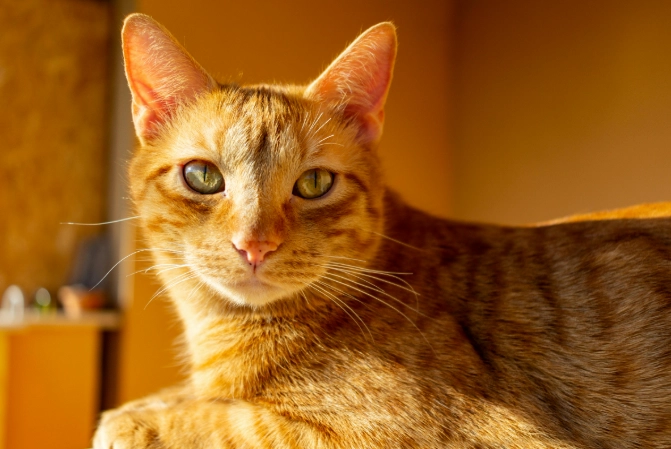
The most important thing is to look beyond the stunning orange and white fur or those bright copper eyes. See the individual cat in front of you. Visit them at the shelter, interact, and see if your energies match. Whether you end up with a lazy classic tabby or a hyperactive mackerel, you're bringing home a living being with its own quirks.
Do your homework on general cat care. Be prepared for the food obsession. Invest in a good brush and a feather wand. And get ready for a lot of love, in the loud, messy, wonderful way that an orange tabby cat delivers it.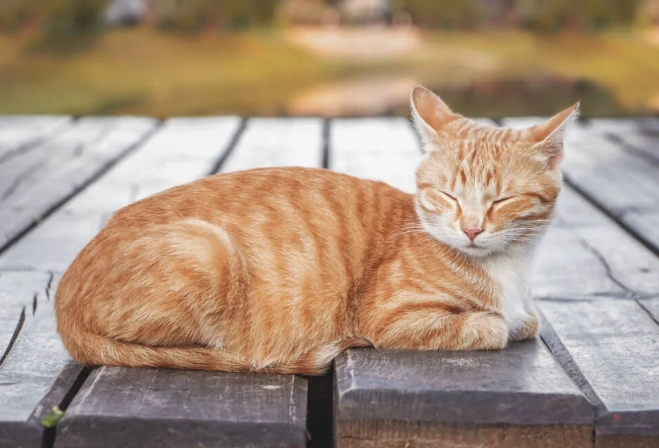
Maybe you'll get lucky and yours won't destroy your furniture. But I can't make any promises on that one.