Quick Guide
You see them everywhere—in old movies, on Instagram feeds, curled up in sunny windows. Those sleek bodies, piercing blue eyes, and dark "points" on their ears, face, paws, and tail. Siamese cats have a look you can't mistake. But if you've ever lived with one, or even just spent an hour chatting with a Siamese owner, you know there's way more to them than just a pretty face. It's like they're cats, but with the software of a very opinionated, very chatty little person. So what's the deal? Why are Siamese cats so special, really? Is it just hype, or is there something genuinely different about them?
I've wondered this for years. My first real encounter wasn't with my own cat, but with a friend's Siamese named Loki. I walked in, said hello, and this creature looked me dead in the eye and let out this long, raspy meow that sounded like a question. "Meeeee-OW?" It wasn't demanding food; it was demanding an introduction. Over the evening, he followed conversations, chiming in with noises at seemingly appropriate times. He'd pat someone's leg if they stopped petting him. It was wild. That experience sent me down a rabbit hole, talking to breeders, owners, and reading everything I could. Turns out, the reasons why Siamese cats are so special are a mix of ancient history, unique biology, and a personality that's off the charts.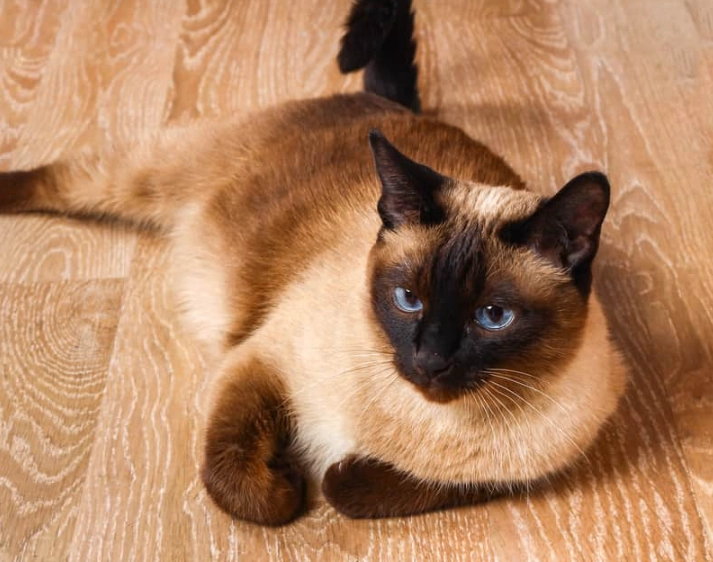
It Starts With Their Royal History (Like, Literally Royal)
You can't talk about what makes them special without going back to where they came from. The Siamese cat breed hails from Thailand, which was once called Siam. And they weren't just street cats. They were temple and palace cats. Historical manuscripts from Siam, like the Tamra Maew (The Cat-Book Poems), depict cats with light bodies and dark points centuries ago. They were considered so special that they were often given as lavish gifts to visiting dignitaries and were believed to bring good fortune.
This royal treatment isn't just a cute backstory. It likely influenced their personality evolution. Cats bred and valued for companionship in quiet, attentive environments—rather than just for mousing in barns—might develop different traits. They were companions, not just utilities. This historical context sets the stage for the deeply social creature we know today. The Cat Fanciers' Association (CFA) notes their history as a natural breed from Asia, and that legacy of being a prized companion shines through.
The Three Pillars of "Special": Looks, Voice, and Brain
When people ask why are Siamese cats so special, the answers usually cluster around three big things: their stunning and unusual appearance, their legendary vocalizations, and their off-the-charts intelligence and personality. It's the combination that creates the magic.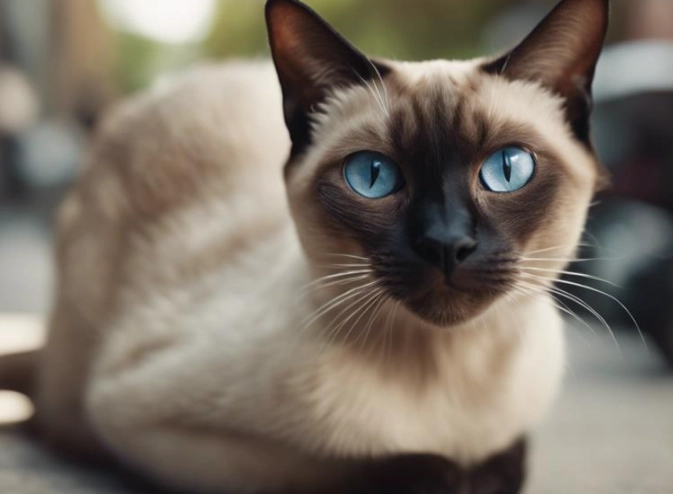
1. That Striking, Color-Changing Coat
Let's get the obvious out of the way first. They're gorgeous. But the science behind their look is cooler than just aesthetics. Those dark points (seal, chocolate, blue, lilac) are the result of a temperature-sensitive albinism gene. Basically, the enzyme responsible for producing dark pigment (melanin) doesn't work properly at normal body temperature. It only activates in cooler areas of the body—the extremities where blood is slightly cooler. That's why kittens are born all white; they've been in the uniformly warm womb. Their points develop as they grow and their body temperature regulates.
Here’s a quick rundown of the four traditional point colors recognized by major associations like The International Cat Association (TICA):
| Point Color | Body Color | Point Color (Ears, Face, Paws, Tail) | Nose Leather & Paw Pads |
|---|---|---|---|
| Seal Point | Pale fawn to cream | Deep seal brown | Dark seal brown |
| Chocolate Point | Ivory | Milk-chocolate brown | Cinnamon-pink |
| Blue Point | Bluish-white, glacial white | Slate blue | Slate blue |
| Lilac Point | Magnolia (white with pinkish tone) | Frosty grey with pinkish tone | Lavender-pink |
Fun fact: An older Siamese cat might darken overall if they live in a consistently cool climate or as a natural part of aging. It's a living art piece that changes over time.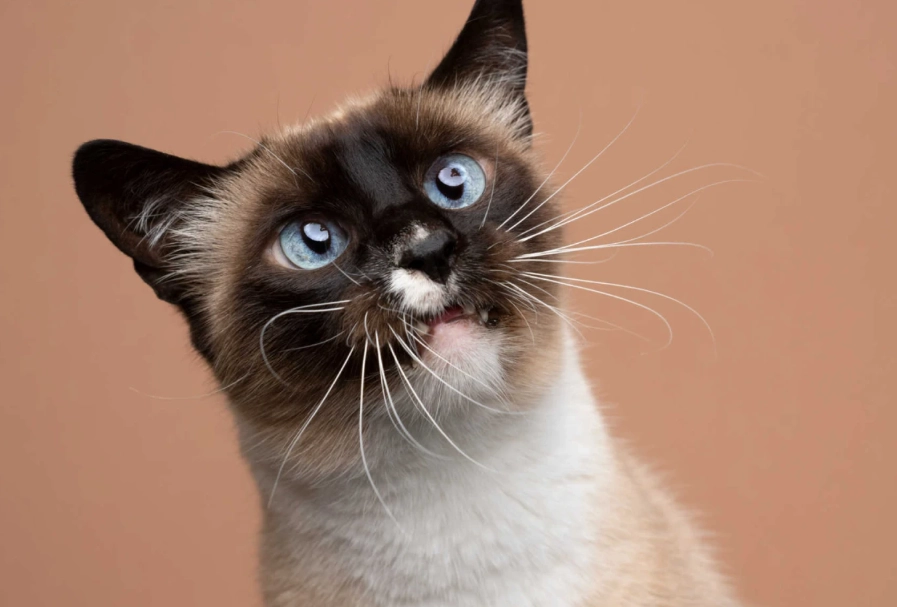
2. The Voice That Won't Be Ignored
Ah, the famous Siamese yowl. It's not a standard meow. It's low, loud, raspy, and incredibly persistent. They don't just vocalize to say "I'm hungry." They vocalize to comment on the weather, question why you're late from work, express opinions on your choice of TV show, and narrate their journey from the couch to the food bowl.
This trait is so ingrained it's a breed hallmark. It likely stems from that same social, companion-driven history. They see you as part of their social circle and are trying to communicate. Ignoring them often just makes them talk louder. You don't train a Siamese to be quiet; you learn to have dialogues with them. Which leads perfectly to the third pillar...
3. The Dog-Like Personality in a Cat's Body
This is the big one for me. The Siamese cat personality is what truly seals the deal. They are often described as "dog-like," and for good reason:
- They fetch. Seriously. Many Siamese owners report their cats will happily chase and retrieve a crumpled paper ball or a small toy.
- They form intense bonds. They tend to choose a favorite person and become their shadow. This isn't aloof cat behavior; this is "I must supervise your every move" devotion.
- They are leash-trainable. With patience, many Siamese can learn to walk on a harness and leash, eager to explore the world with their human.
- They are problem-solvers. A cabinet door is a puzzle to be opened. A faucet is a challenge to be turned on. They learn routines quickly and will remind you if you deviate from them.
This intelligence means they need mental stimulation. Boredom in a Siamese cat can lead to mischief—the kind of mischief that involves figuring out how to open the treat jar or turn on the sink to play with water.
So, when you combine a look that's a walking science lesson, a voice like a rusty hinge, and a brain that's constantly plotting and bonding, you get a pet that feels more like a roommate. That's a core part of why Siamese cats are so special.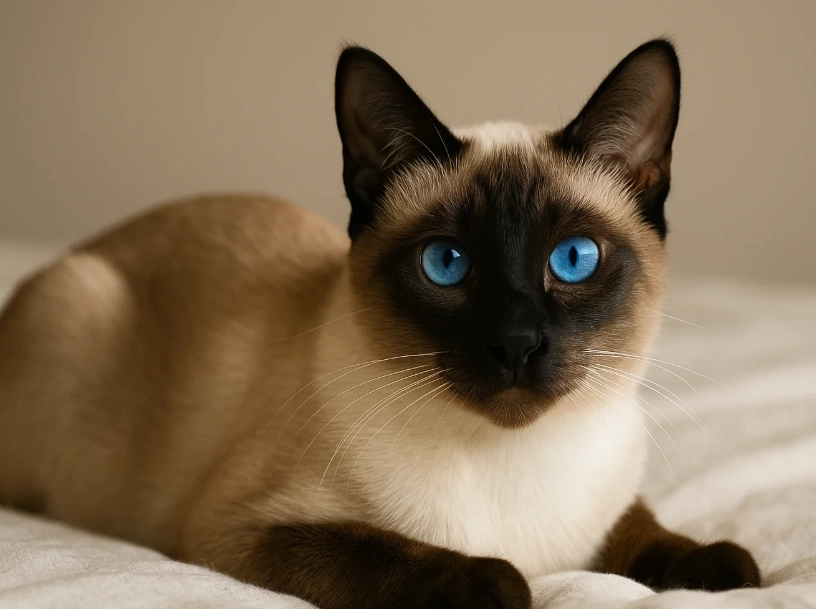
Living With a Siamese: The Real Deal (Not Just the Highlights)
Okay, so they're smart, beautiful, and social. Sounds perfect, right? Well, like any breed, their greatest strengths come with considerations. Understanding these is key to knowing if a Siamese is special for you.
The Need for Companionship
This cannot be overstated. Siamese cats are not independent loners. They suffer from separation anxiety more than most breeds. Leaving a Siamese alone for long, regular periods is a recipe for a very unhappy, destructive, and noisy cat. They often do best in pairs (another Siamese or a similarly social breed is ideal) or in homes where someone is around a lot. If you work 12-hour days and want a pet that's fine with it, look elsewhere.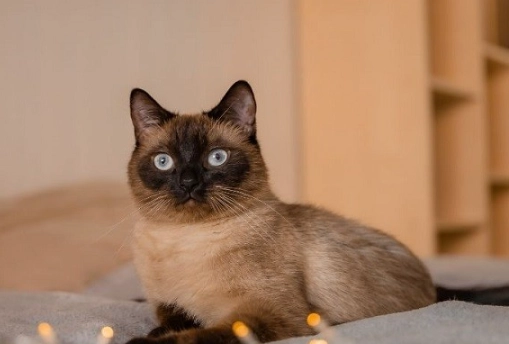
Health Considerations to Know About
They're generally healthy, but like many purebreds, they have some predispositions. Being aware means you can be a proactive owner.
- Progressive Retinal Atrophy (PRA): A genetic condition that can lead to blindness. Reputable breeders test for this.
- Dental Issues: They can be prone to gingivitis and periodontal disease. Regular teeth brushing or dental care is a must.
- Respiratory Issues: Some lines, especially the traditional or "apple-headed" Siamese, may have less pronounced issues than the extreme wedge-headed show lines, but any cat with a slender face can be more susceptible to minor respiratory quirks.
- Amyloidosis: A rare but serious disease involving protein deposits in organs, which the Cornell Feline Health Center notes can affect some breeds more than others.
Getting a cat from a breeder who does genetic screening and prioritizes health over extreme looks is crucial. Ask for health clearances for the parents.
Grooming and Care: Easier Than You Think
Here's a nice surprise: their short, fine coat is low-maintenance. A weekly brush with a rubber grooming mitt is usually plenty to remove loose hair and distribute skin oils. They don't have an undercoat, so they shed less than many breeds. The main grooming focus should be on those teeth and ears. And those brilliant blue eyes might need a gentle wipe now and then if they get weepy.
Siamese Cat Myths vs. Reality
With a breed this famous, myths abound. Let's clear a few up.
Myth: Siamese cats are mean and spiteful.
Reality: This old stereotype is just plain wrong. They are highly sensitive and emotional. What might look like "spite" (like peeing outside the litter box) is almost always a sign of stress, illness, or unhappiness. They feel things deeply and react strongly.
Myth: They are hypoallergenic.
Reality: No cat is truly hypoallergenic. Allergies are usually to a protein in cat saliva (Fel d 1), not just fur. While their short coat may spread less hair around, they still groom and produce the allergen. The ASPCA advises spending time with a breed before bringing one home if you have allergies.
Myth: All Siamese are cross-eyed and have kinked tails.
Reality: Historically, the gene for the point coloration was linked to the gene for strabismus (crossed eyes) and tail kinks. Responsible modern breeding has largely eliminated these traits. You might see them in some cats, but they are no longer considered standard or desirable.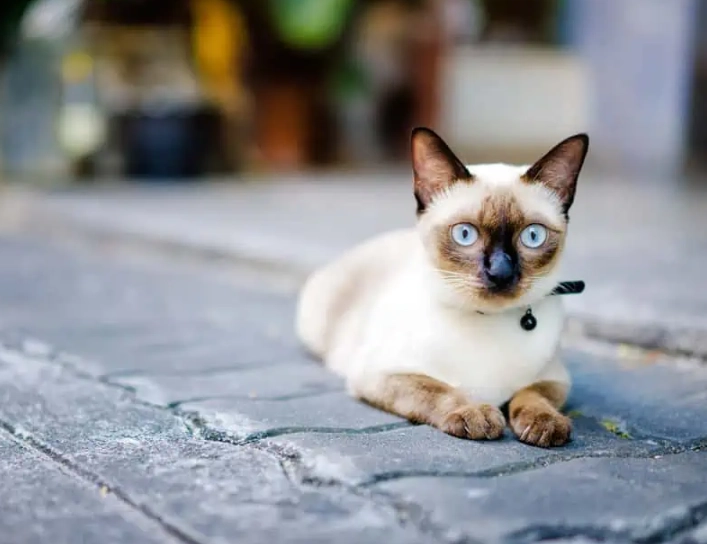
Answering Your Big Questions
Final Thoughts: Is a Siamese Cat Right For You?
So, after all this, why are Siamese cats so special? It's because they break the mold of what people expect from a cat. They are not furniture with fur. They are participants. They demand to be part of your life, your conversations, your daily routines. They are a pet that will challenge you, make you laugh with their antics, and awe you with their loyalty.
They're not for everyone.
If you want a quiet, low-interaction pet that does its own thing, a Siamese will be a nightmare for you. But if you want a companion who will greet you at the door, "talk" to you about their day, play fetch until your arm is tired, and curl up on your lap with a purr that sounds like a motorboat, then you might just find that a Siamese cat is the most special pet you'll ever have. They're not just cats; they're little lifelong friends with blue eyes and a lot to say.
The magic is in the partnership. You don't just own a Siamese; you have a relationship with one. And that, when you get down to it, is the real secret.