Quick Guide
Let's be honest, if you're here, you've probably seen a stunning cat with that gorgeous, mottled mix of black, orange, and sometimes cream fur. Maybe it's a photo online that stopped your scroll, or perhaps you've met one in person and heard the owner whisper, "And get this, he's a boy." That's when the eyebrows go up. A male tortoiseshell cat? I thought those were all females. That's what everyone says, right? Well, everyone is mostly right, but nature loves a good plot twist. Finding a male tortoiseshell cat is like finding a four-leaf clover in a well-mowed lawn – it happens, but it's a genuine event. It sparks a ton of questions. Is he magic? Is he unlucky? What's wrong with him? Can he have kittens? I've dug through the science, talked to vets (one of my close friends is a feline specialist, and she groans every time someone brings in a "rare male tortie" expecting a unicorn), and sorted through the mountain of folklore to give you the straight story. This isn't just about a pretty coat; it's a fascinating dive into genetics, cat personality, and what it really means to care for one of these uncommon felines.
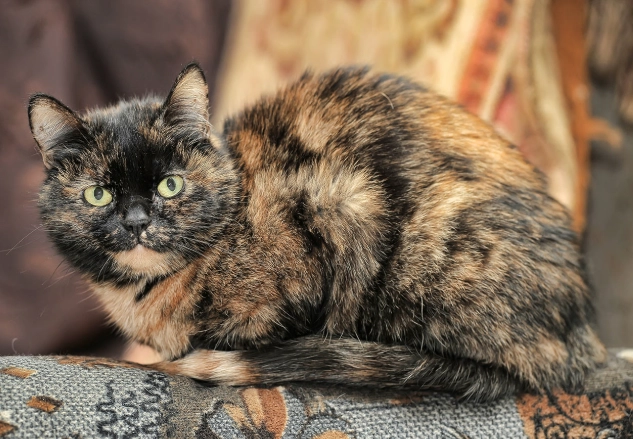
The Bottom Line Up Front: A male tortoiseshell cat is exceptionally rare because the tortoiseshell pattern requires two X chromosomes. Males are typically XY. For a male to be tortoiseshell, he usually has a genetic condition like Klinefelter syndrome (XXY). This makes him almost always sterile. So yes, they exist, but they're a genetic anomaly, not a separate breed.
The Genetics: Why Your Male Tortie is a Biological Marvel
Okay, let's get into the weeds a bit, but I promise to keep it painless. The key to the whole tortoiseshell mystery is locked in chromosomes and color genes. You remember the basics from school: females are XX, males are XY. The gene for orange or black coat color is on the X chromosome. Here’s the simple version.
A female cat (XX) can carry a gene for black on one X and a gene for orange on the other X. In her cells, one X chromosome gets randomly "switched off" in a process called X-inactivation. This creates a mosaic. Some patches of fur express the black gene, others express the orange gene. Voila – the beautiful, brindled tortoiseshell pattern. This is why over 99.9% of tortoiseshell cats are female. It's just how the cookie crumbles genetically.
So, where does that leave our male tortoiseshell cat? A standard XY male has only one X chromosome. He can only be either black or orange (or variations like grey/cream), not both. He can't be a tortie. For a male to sport those mixed colors, he needs two X chromosomes. That's the non-negotiable part.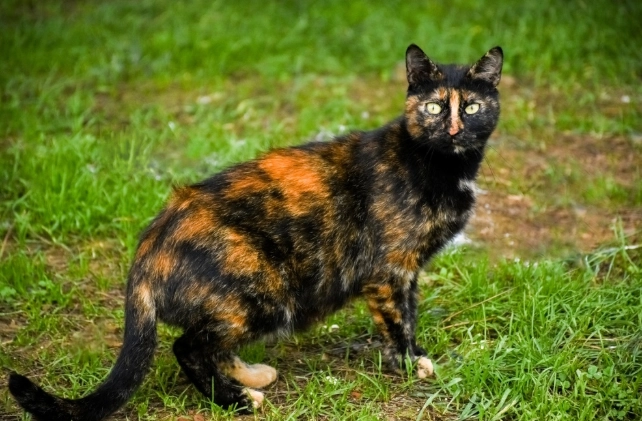
The Two (Main) Ways a Male Cat Gets the Tortoiseshell Pattern
Nature finds a way, usually through a genetic hiccup. Here are the main scenarios:
| Genetic Scenario | Chromosome Makeup | How It Happens | Likelihood & Notes |
|---|---|---|---|
| Klinefelter Syndrome (XXY) | XXY | An extra X chromosome is present. This is by far the most common reason for a male tortoiseshell cat. | Accounts for about 1 in 3,000 tortoiseshell males. These cats are male (due to the presence of a Y chromosome) but are almost always sterile. |
| Chimerism | Two fused embryos (e.g., XX/XY) | Two fertilized eggs fuse very early in development, creating a single cat with two sets of DNA. | Extremely rare. The cat may have subtle physical asymmetries. They might be fertile if the reproductive tissue comes from the XY cell line. |
| XX Male Syndrome | XX with a male-determining gene translocation | The SRY gene (which triggers male development) accidentally moves to an X chromosome. | Very, very rare. The cat is genetically XX but develops as a male and can be tortoiseshell. |
See? It's not magic, it's biology being weird and wonderful. The XXY condition is the star of the show here. It's important to know this because it directly impacts the cat's life. That sterility I mentioned? It's a near-certainty for the XXY male tortoiseshell cat. This is a crucial point for anyone thinking about breeding – it's essentially impossible, and frankly, unethical to try given the associated health considerations we'll talk about.
If you want to fall down a very credible rabbit hole on feline genetics, the experts at the UC Davis Veterinary Genetics Laboratory have an excellent, detailed resource on cat coat color inheritance. It confirms just how tightly linked the tortie pattern is to the X chromosome.
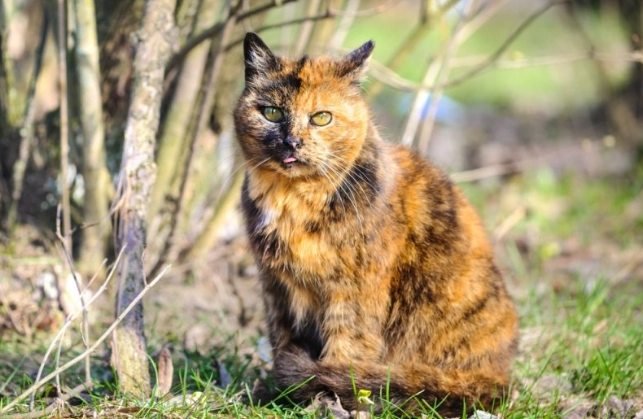 So, he's rare. But what's he actually like to live with?
Personality: Busting the "Tortitude" Myth for Males
Ah, "tortitude." The internet is flooded with claims that all tortoiseshell cats – females and the mythical males – are sassy, strong-willed, and temperamental. Owners love to swap stories about their tortie's diva moments. But here's my take, and my vet friend agrees: this is mostly confirmation bias and anthropomorphism. We see a flashy, rare cat and attribute a flashy personality to it.
There is no scientific evidence that coat color determines personality in cats. A 2015 study published in the Journal of Applied Animal Welfare Science found some weak owner-reported links between certain colors and behaviors, but nothing conclusive for torties specifically, and certainly nothing separating male from female torties. Personality is a complex soup of genetics (breed traits), early socialization, individual experience, and plain old chance.
Let's Debunk: The idea of a universal "tortitude" is a fun story, but a poor predictor of any individual cat's behavior. Assuming your male tortoiseshell cat will be a handful because of his coat is like assuming a red-haired person has a quick temper. It's a stereotype, not a fact.
That said, what might influence a male tortie's demeanor? His genetic condition. Some vets and researchers speculate that the hormonal differences in an XXY male cat could potentially lead to behavioral variations compared to a standard XY male. Think of it this way: his body is navigating a slightly different hormonal landscape. This might make him slightly less prone to certain stereotypical "tomcat" behaviors like extreme territorial spraying or aggression, but it's highly individual. I've heard anecdotes from owners of male tortoiseshell cats who describe them as incredibly sweet and clingy, while others report typical, active cat personalities.
The truth is, your male tortie will be his own cat. His personality will be shaped far more by whether he was well-socialized as a kitten, if he feels safe in his environment, and how you interact with him, than by the beautiful accident of his pigmentation.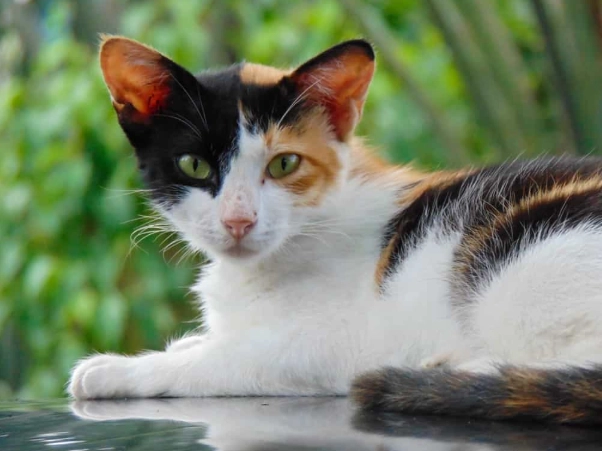
Health and Care: What's Different for a Male Tortie?
This is the most important section for any current or prospective owner. The genetic makeup that gives a male tortoiseshell cat his looks can come with some extra health considerations. It's not about scaring you, but about being a prepared and proactive pet parent. Knowledge is power.
The primary concern stems from Klinefelter syndrome (XXY). In humans, this condition is associated with certain health risks. In cats, the full spectrum isn't as well-documented, but veterinary consensus points to a few areas of potential increased risk.
Proactive Care Checklist for a Male Tortoiseshell Cat Owner:
- Infertility & Neutering: Assume he is sterile. Neutering is still absolutely recommended. It prevents unwanted behaviors (like attempts to mate, which will be fruitless but stressful), reduces roaming, and eliminates the risk of testicular cancer. The surgery is standard.
- Joint & Bone Health: Some vets note that XXY cats may be slightly more prone to joint laxity or developmental bone issues. Keep him at a healthy weight to minimize joint stress. Discuss glucosamine supplements with your vet.
- Dental Vigilance: There's anecdotal chatter among breeders and vets about a possible higher incidence of dental problems. No solid studies prove it, but it won't hurt to be extra diligent with dental check-ups and home care like brushing or dental treats.
- Regular Vet Partnership: This is key. Find a vet who is curious and informed. Regular check-ups (at least annually for adults, biannually for seniors) are your best tool for early detection of any issue.
On the topic of lifespan, there's no data suggesting a male tortoiseshell cat lives a shorter or longer life than any other domestic cat. With excellent care, a safe indoor environment, good nutrition, and regular veterinary attention, he has every chance of living a long, full life of 15 years or more. The American Veterinary Medical Association's feline care guidelines provide a great framework for any cat owner, and they're especially useful to follow when you have a cat with a unique genetic background.
One thing I feel strongly about: please, keep him indoors. His unique appearance might make him a target for theft or unwanted attention. More importantly, indoor cats live significantly longer, safer lives, free from cars, predators, diseases, and fights.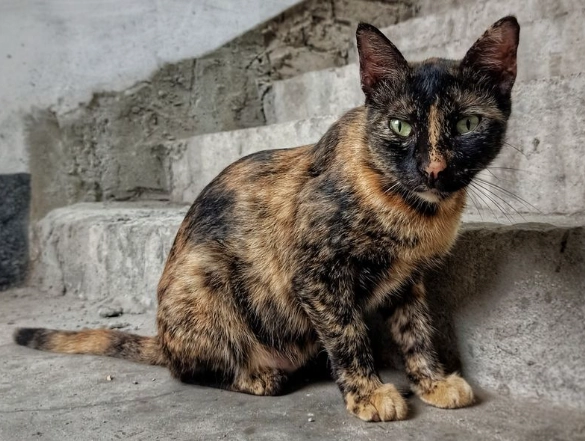
Frequently Asked Questions (The Stuff You're Actually Searching For)
Let's get to the nitty-gritty. These are the questions I see popping up everywhere, and the answers based on current veterinary and genetic understanding.
How rare is a male tortoiseshell cat?
The classic statistic is about 1 in 3,000 tortoiseshell cats is male. Since tortoiseshells themselves are common, you can do the math. They're rare, but not extinct. You're more likely to find one in a shelter than from a breeder (because no ethical breeder sets out to create them).
Can a male tortoiseshell cat have kittens?
Almost certainly not. The vast majority are sterile due to their abnormal chromosome count interfering with normal sperm production. It's theoretically possible in the astronomically rare case of certain types of chimerism, but for all practical purposes, the answer is no. Don't count on it, and never acquire one with the intent to breed.
Are male tortoiseshell cats worth money?
This question makes me sigh. He's a living creature, not a trading card. While his rarity might make him "valuable" in a novelty sense, no reputable cat registry or ethical breeder recognizes "male tortoiseshell" as a breed or standard. His value is as a companion. Beware of anyone selling a male tortoiseshell cat for a hugely inflated price; it's a red flag for a scam or a backyard breeder exploiting a genetic accident.
What's the difference between a tortoiseshell, calico, and torbie?
Great question, as these terms are always mixed up.
- Tortoiseshell: A mottled, interwoven mix of black (or grey) and orange (or cream) with little to no white.
- Calico: Has distinct, separate patches of black, orange, and white. Think of it as a tortoiseshell with white spotting.
- Torbie: A "patched tabby." A tortoiseshell cat where the black patches are actually tabby-striped.
The same genetic rules apply to all three patterns. So, a male calico or male torbie is just as rare as a male tortoiseshell cat.
Do male torties have more health problems?
They may have a slightly higher predisposition to certain issues, as discussed in the health section. But it's not a guarantee. Many live perfectly healthy lives. The key is awareness and preventative care, not worry.
Finding and Adopting a Male Tortoiseshell Cat
If you've read this far and are now dreaming of finding one, let's get realistic. You don't find a male tortoiseshell cat; he finds you. They are almost never purposefully bred. They occur spontaneously in litters from parents carrying the orange and black genes.
Your best chance? Shelters and rescue organizations. Check their websites regularly. Use broad search terms like "tortoiseshell cat" or "calico cat" on Petfinder or Adopt-a-Pet, and then look at the listed sex. Sometimes, a shelter might not even realize they have a rare male tortoiseshell cat if they haven't done a deep genetic test (they usually just go by physical appearance). I know of one case where a cat listed as a "female brown tabby" turned out to be a male torbie upon closer vet examination!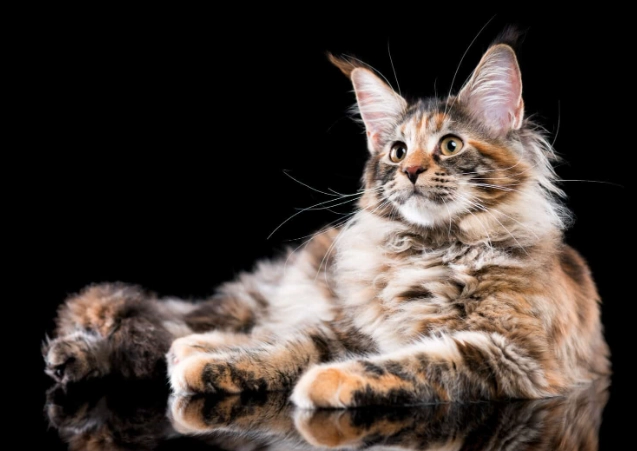
If you do find one, adopt him for who he is, not for his rarity. His needs are the same as any other cat: love, security, play, good food, and a comfy spot in the sun. The fact that he's a male tortoiseshell cat is just a cool footnote to his story.
And what a story it is. From a genetic fluke that paints his fur in a unique tapestry, to the centuries of lore calling him a bringer of good luck (especially in Japanese and Celtic traditions), he's a walking piece of living science and history. Owning one is a responsibility to look past the myth and provide the best care for his unique biology. It's a commitment to understanding that his true value isn't in his chromosomes, but in the purr he makes when he curls up in your lap, his beautiful, improbable coat a testament to nature's wonderful complexity.
Just don't expect him to know he's special. He probably just thinks he's a cat. And really, that's the best part.