In This Article
- What Exactly Is a Tuxedo Cat?
- The Genetics Behind the Tuxedo Pattern
- So, Are Tuxedo Cats Rare? The Statistical Reality
- Tuxedo Cats in Popular Culture: Fame vs. Rarity
- Tuxedo Cat Personality: Myth vs. Reality
- Caring for Your Tuxedo Cat
- Thinking of Adopting a Tuxedo Cat?
- Frequently Asked Questions (FAQs)
You know the look. That sharp, dapper, black-and-white coat that makes a cat look like it's perpetually dressed for a fancy gala. It's the tuxedo cat. I've had people ask me more than once, often with a hint of hope in their voice, "Are tuxedo cats rare?" Maybe they're hoping their feline friend is a hidden gem, or perhaps they're on the hunt for one and worried they'll never find one. It's a question that pops up a lot in cat circles, online forums, and vet waiting rooms.
So, let's cut to the chase and then dive into the wonderful, whiskered details.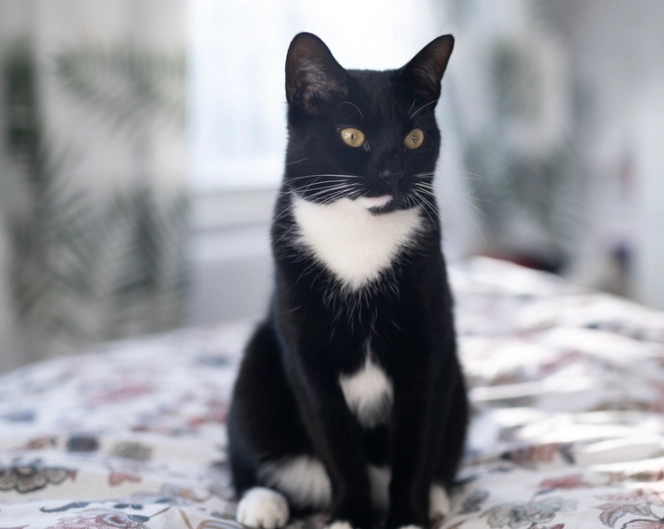
But that's just the starting point. If they're not rare, why do they look so unique? Why do they capture our hearts so completely? And where did the myth of their rarity even come from? That's what we're really here to talk about. We're going to dig into the genetics that create that perfect little suit, explore just how common they are (and in which breeds), bust some myths, and celebrate what makes tuxedo cats truly wonderful pets. Because even if they're not rare, they're absolutely remarkable.
What Exactly Is a Tuxedo Cat?
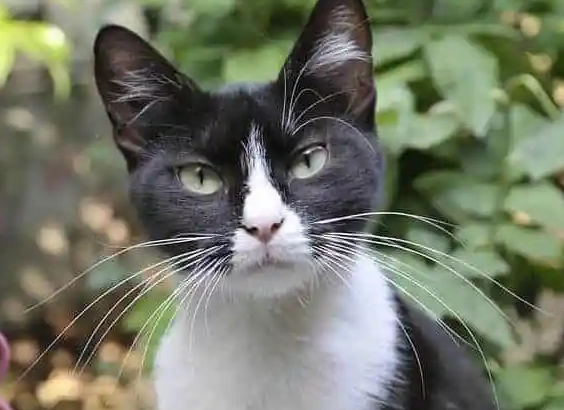
First things first, let's define our terms. A "tuxedo cat" isn't a specific breed like a Persian or a Siamese. It's a color pattern—a type of bicolor coat. The classic tuxedo look is defined by solid black fur with distinct white patches. But it's not just any old black and white splotches. The "tuxedo" label is reserved for a specific, elegant distribution.
Think of it like a human tuxedo. You've got the black jacket (the back, sides, and top of the head), the white shirt (the chest, belly, and often paws), and sometimes even little white "spats" on the feet. A true tuxedo pattern typically involves:
- A predominantly black body.
- A crisp white chest and belly, like a bib or shirtfront.
- White paws, as if wearing little gloves or spats.
- Often a white chin or a white blaze on the face. Sometimes the blaze can be a perfect little white mustache, which is just unbearably charming.
You might see cats with more white than black, or with the colors reversed (white with black patches). Those are still gorgeous bicolor cats, but purists might argue they've strayed from the formal "tuxedo" specification. My own friend's cat, Socks, has a mostly white body with a black "saddle" and a black tail—I lovingly call him a tuxedo in reverse, but technically he's just a cool bicolor.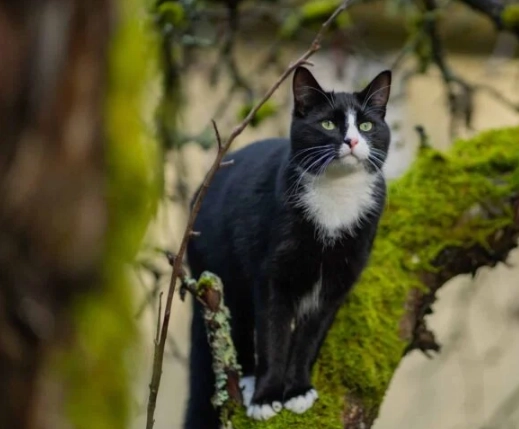
The Genetics Behind the Tuxedo Pattern
This is where it gets really interesting. The reason tuxedo cats are common lies in their DNA. That sharp contrast isn't magic; it's science. The pattern is primarily controlled by what's called the piebald or white spotting gene.
This gene doesn't add white color. Instead, it inhibits pigment cells (melanocytes) from reaching certain areas of the skin during embryonic development. Where the cells don't go, the fur grows in white. The size and distribution of the white patches depend on the strength of this gene's expression.
The Piebald Gene: A Common Player
This piebald gene is incredibly widespread in the general domestic cat population. It's not linked to any one breed and has been floating around in cat gene pools for centuries. Because it's a dominant gene, it doesn't take much for it to show up in kittens. If one parent carries it, there's a good chance some of the offspring will display some degree of white spotting.
This genetic commonality is the fundamental reason why the answer to "are tuxedo cats rare?" is a resounding no. The recipe for a tuxedo is a basic, frequently used ingredient in the feline genetic cookbook.
It's Not a Breed, It's a Coat!
This is a crucial point to remember. You can find the tuxedo pattern in almost any breed that allows for solid and bicolor coats in its breed standard, and overwhelmingly in the vast population of non-pedigreed domestic shorthairs and longhairs (what we lovingly call moggies).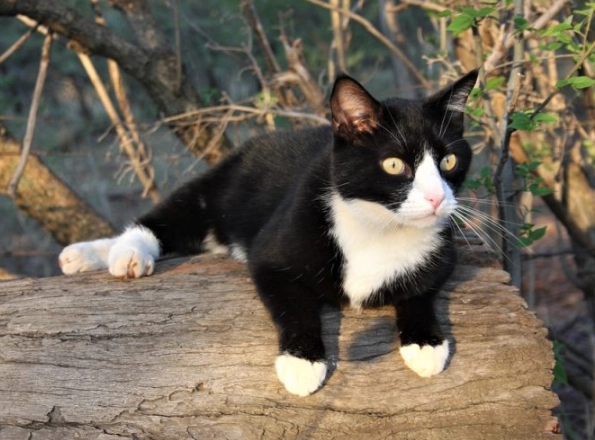
Let's look at where you're most likely to find these dapper felines:
| Cat Type / Breed | Likelihood of Tuxedo Pattern | Notes |
|---|---|---|
| Domestic Shorthair (DSH) / Moggie | Very High | The vast majority of tuxedo cats fall into this category. The diverse gene pool of random-bred cats makes the piebald gene expression extremely common. |
| Domestic Longhair (DLH) | Very High | Same genetics as DSH, just with a longer coat. A long-haired tuxedo is a magnificent, fluffy sight. |
| Maine Coon | Common | Many Maine Coon color standards include solid and bicolor. A large, fluffy Maine Coon in a tuxedo is impressively regal. |
| British Shorthair | Common | The classic "teddy bear" cat can come in black and white bicolor, including tuxedo patterns. |
| American Shorthair | Common | Another breed where the pattern is accepted and seen regularly. |
| Turkish Van | Not Applicable | Interesting side note: This breed is famous for its *color-restricted* pattern (color mostly on the head and tail), which is genetically different from the piebald tuxedo pattern. |
As you can see, the pattern is widespread. For authoritative information on cat coat genetics and color standards accepted across various breeds, organizations like The International Cat Association (TICA) and the Cat Fanciers' Association (CFA) provide detailed breed standards that often include bicolor specifications.
So, Are Tuxedo Cats Rare? The Statistical Reality
Let's put some numbers to the feeling. While no central feline census bureau keeps perfect track, observations from animal shelters, veterinary associations, and large-scale pet surveys give us a clear picture.
Bicolor cats (which include tuxedos) consistently rank as one of the most common coat types. In the huge population of domestic shorthairs—which make up the bulk of the world's cats—it's estimated that a significant percentage, perhaps as high as one in four or five, display some form of black-and-white bicoloring. A subset of those will have the precise, formal tuxedo markings.
Walk into almost any animal shelter in North America or Europe. Go on, I'll wait. You will almost certainly find at least one black-and-white cat, and there's a very high probability its markings will resemble a tuxedo. This everyday presence in shelters is the most practical, real-world proof that tuxedo cats are not rare.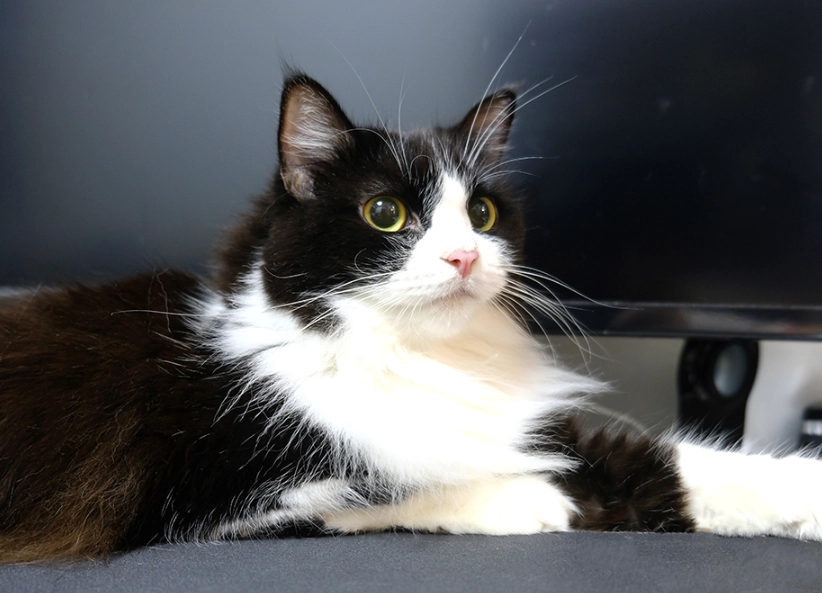
A Matter of Perspective
I think the perception of rarity comes from a few places. First, their pattern is so definitive and striking. A perfect tuxedo stands out in your memory more than a standard tabby or a plain black cat. You notice them. You remember them. That creates a cognitive bias where they feel more special and less common than they are.
Second, people often confuse "unique-looking" with "rare." A tuxedo cat's appearance is unique and instantly recognizable, which is not the same as being genetically scarce. They are uniquely common!
The "Rarity" of Specific Features
Now, here's a twist. While tuxedo cats as a whole are common, specific variations within the tuxedo pattern can be less common. For example:
- The Perfect Mustache: A symmetrically split white blaze that creates a perfect mustache on a black face is a delightful and less frequent facial marking.
- Odd-Eyed Tuxedos: A tuxedo cat with heterochromia (one blue eye and one green or gold eye) is stunning and relatively uncommon, though this trait is rare in any cat.
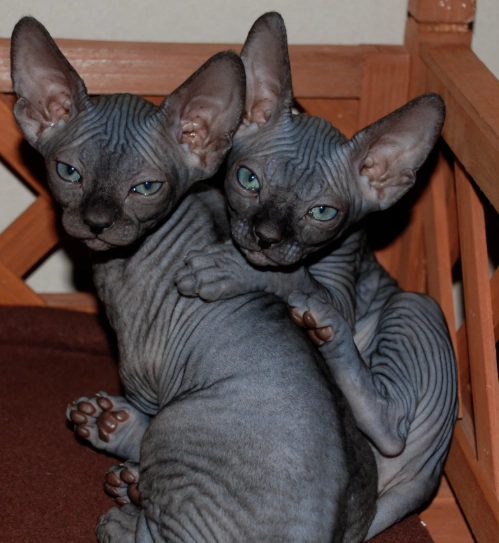
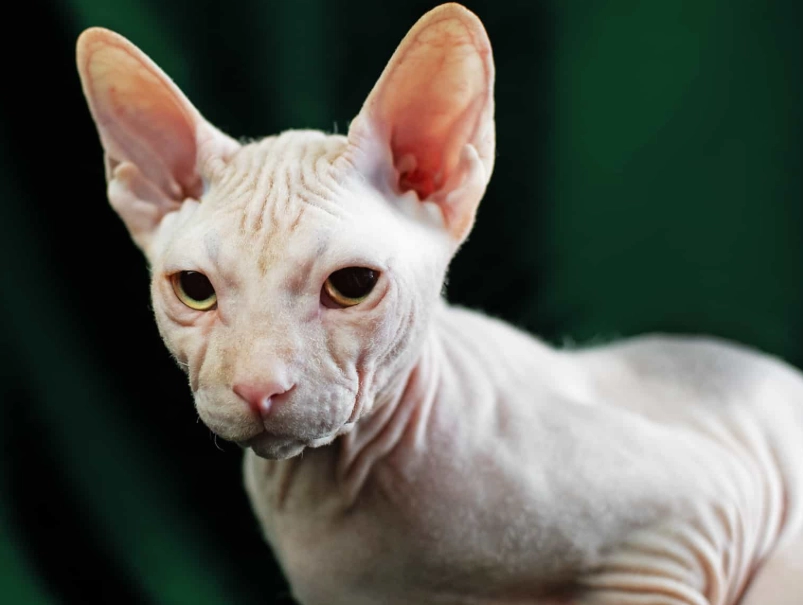
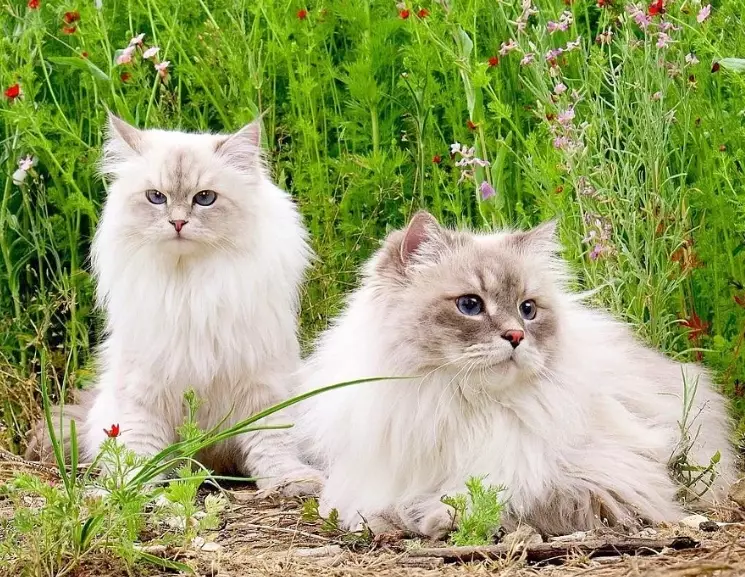
- Specific Breed + Tuxedo: While a tuxedo Domestic Shorthair is common, a pedigreed tuxedo Persian or a tuxedo Sphynx (yes, hairless cats can have the pattern on their skin!) is less frequently seen, simply because the overall population of those breeds is smaller.
So, if someone asks, "are tuxedo cats rare?" you can say: the core pattern is wonderfully common, but nature can still create uniquely rare masterpieces within that common template.
Tuxedo Cats in Popular Culture: Fame vs. Rarity
Their striking looks have made tuxedo cats stars. This fame might also contribute to the myth of their rarity—we associate celebrity with exclusivity. But in this case, the celebrities represent a very large, non-exclusive group!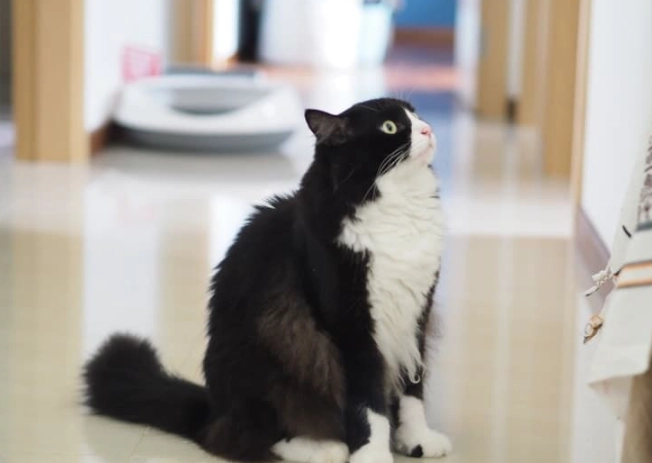
Some of the most famous fictional and real cats are tuxedos:
Felix the Cat: One of the earliest animated stars. His magic bag of tricks is iconic, but so is his simple black body and white face/chest.
Figaro: From Disney's "Pinocchio," Geppetto's mischievous kitten.
The "Million Dollar Cat": A internet-famous tuxedo named Sparky, known for his perpetually grumpy yet dapper expression.
Their prevalence in media reflects their prevalence in life. Artists and creators are drawn to their high-contrast, easily recognizable, and character-filled look. It's good design. It's also a reflection of reality—these are cats people see and know.
Tuxedo Cat Personality: Myth vs. Reality
Ah, the million-dollar question. Does the coat color relate to personality? This is a hot topic. You'll find endless anecdotes online about tuxedo cats being extra clever, mischievous, dog-like, or affectionate. Some even call them "the comedians of the cat world."
Let's be real. There is no definitive scientific evidence linking specific coat colors to specific personality traits in cats. Personality is a complex soup of genetics (breed-influenced), early life experiences, socialization, and individual quirks.
However, the reason the "tuxedo personality" myth persists is likely because of that same visibility bias. Their looks make them memorable, so their antics become memorable too. When a plain gray cat does something silly, you might just chuckle. When a cat that looks like it's wearing a little suit does the same thing, it's instantly funnier and more noteworthy. You're more likely to post a video of it, tell a friend about it, and cement the idea in your mind.
That said, in my own completely unscientific experience with friends' tuxedo cats and stories from shelter volunteers, many do seem to have big, bold personalities. But I'd wager that's because they, as a group, are often confident, outgoing cats—a trait that can be linked to the genetics of color (specifically, non-agouti/solid color cats sometimes showing bolder behavior in some studies), but is far from a guarantee.
Wikipedia's entry on Bicolor cats touches on some of the folklore and limited studies around coat color and temperament, but rightly emphasizes the lack of concrete proof.
The bottom line? Expect the unexpected. Your tuxedo cat could be a laid-back couch potato, a mischievous genius who learns to open doors, or a shy sweetheart. Don't get the cat expecting a specific personality based on its suit. Get it because you love its look and are ready to love whatever character comes with it.
Caring for Your Tuxedo Cat
Since they're not a distinct breed, caring for a tuxedo cat is about caring for whatever breed or mix they are. A tuxedo Persian needs daily grooming. A tuxedo Domestic Shorthair needs much less. However, their striking coat does deserve a mention.
Grooming Needs
The good news is, their coat is usually low-maintenance. Most are short-haired. Regular brushing (once a week) is plenty to remove loose hair and keep that white chest shining. The white fur, especially on the belly and paws, can show dirt more easily. You might find yourself giving the occasional gentle wipe with a damp cloth if they get into something messy.
For long-haired tuxedos, commitment to regular brushing is key to prevent mats, especially in the dense black fur.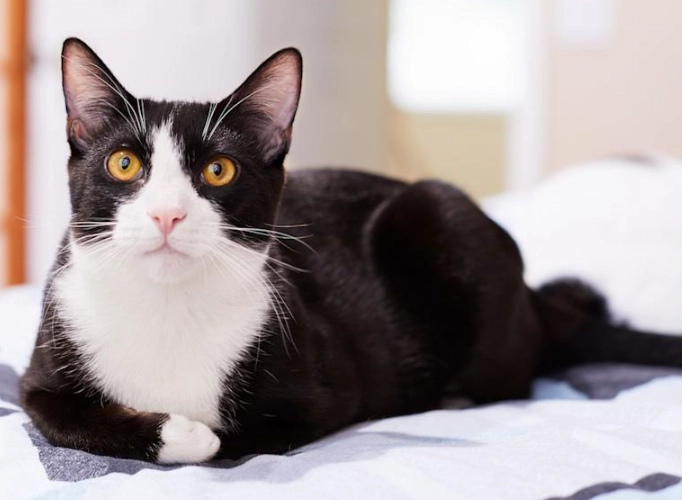
Health Considerations
The piebald gene itself is not linked to any specific health problems. The health of a tuxedo cat depends entirely on its breed and individual genetics. However, one important note: white ears on a tuxedo cat. Just like white cats, if the white spotting gene results in white fur on the ears, the skin underneath lacks protective pigment. This makes those ears more susceptible to sunburn and, over a long lifetime of sun exposure, a higher risk of skin cancer (squamous cell carcinoma).
Nutrition and Exercise
No different from any other cat! A high-quality diet appropriate for their age and activity level, plenty of fresh water, and regular playtime to keep them mentally and physically stimulated are the pillars of good care. Their black fur might get a reddish-brown tinge in sunlight if they are deficient in certain amino acids (like tyrosine), which is something a vet can advise on regarding diet.
Thinking of Adopting a Tuxedo Cat?
If you've fallen for their looks, I have fantastic news. Adopting a tuxedo cat is likely one of the easiest missions you'll ever undertake. You are not searching for a unicorn.
Where to Find Them
Your local animal shelter or rescue organization is absolutely brimming with them. Seriously. Black-and-white cats, including beautiful tuxedos, are often overrepresented in shelters. Some people sadly still pass over black cats or bicolor cats due to silly superstitions or a desire for "more exotic" looks. Their loss is your gain.
Websites like Petfinder or Adopt-a-Pet.com allow you to search locally. Try filtering by color—select "Black & White" or "Tuxedo" if it's an option. You'll be amazed at the number of dapper candidates waiting for a home.
What to Look For
Look past the suit. When you meet a potential tuxedo companion, focus on personality. Are they curious? Shy? Playful? Do they lean into your hand for pets? This is what will define your life together for the next 15-20 years, not the crispness of their white bib.
Ask the shelter staff about their history and observed behavior. They know the cat best.
The Cost of Adoption
Adoption fees are typically the same regardless of coat color—usually ranging from $50 to $200, which almost always covers initial veterinary care like spay/neuter, vaccinations, and a microchip. This is a fraction of the cost of buying a pedigreed kitten from a breeder.
So, to circle back to our original question one last time: are tuxedo cats rare? No. And that's the beautiful part. Their commonness means they are waiting in shelters, hoping for someone like you to see past the commonness and see the unique individual inside the timeless suit. You're not getting a rare collectible; you're getting a classic, timeless companion whose beauty is matched only by its availability to share a life with you.
Frequently Asked Questions (FAQs)
So there you have it. The complete picture. Are tuxedo cats rare? Not in the slightest. But are they wonderful, charismatic, and deserving of a loving home? Absolutely, 100%, without a doubt. And the best part is, one is probably waiting for you at a shelter right now, ready to bring its common, extraordinary magic into your life.