Quick Navigation: Hairless Cat Essentials
- First Things First: What Exactly Is a "Hairless Cat"?
- The Naked Truth About Their Personality (It's Not What You Expect)
- The Not-So-Glamorous Side: Care and Maintenance
- Health Considerations: What You Need to Watch For
- The Decision Matrix: Is a Hairless Cat Right For YOU?
- Finding a Healthy Hairless Cat: Avoiding Scams and Heartbreak
- Living the Hairless Life: The First Few Months
- Answering Your Burning Questions
- The Final Verdict
You've seen the pictures. Those wrinkly, alien-like creatures with huge ears and curious eyes, looking like they just stepped out of a sci-fi movie. Maybe you stumbled upon a Sphynx cat video where one is cuddled up in a blanket, or you've heard they're the solution for pet allergies. The question is burning in your mind: are hairless cats good pets, truly, for someone like you?
Let me tell you right off the bat, the answer isn't a simple yes or no. It's a massive “it depends.” Owning a hairless cat is a completely different ballgame compared to having a furry feline. It's less like getting a low-maintenance pet and more like adopting a permanent toddler made of warm suede that needs constant attention. I've talked to breeders, spent time with owners, and dug through veterinary resources to put together this no-nonsense guide. We're going to strip away the myths (pun intended) and look at the bald truth about living with these unique animals.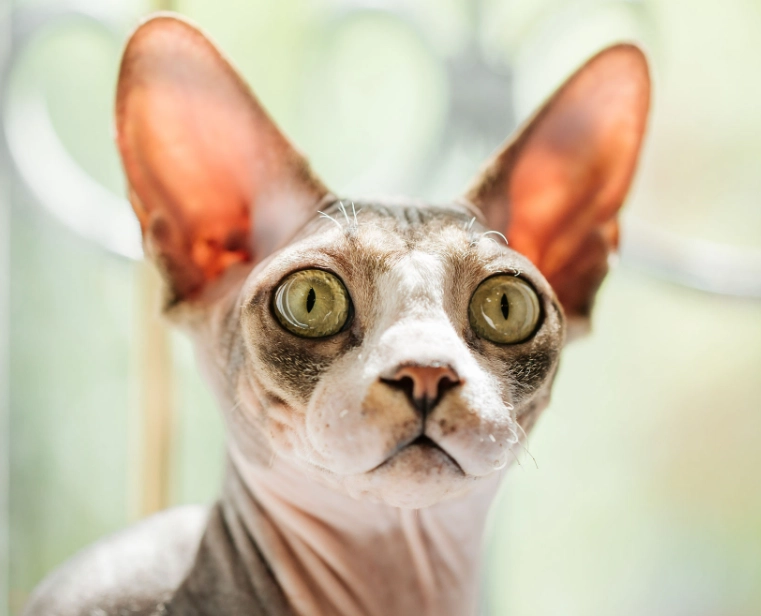
First Things First: What Exactly Is a "Hairless Cat"?
When people ask “are hairless cats good pets,” they're usually picturing the Sphynx. That's the poster child. But did you know there are a few other breeds out there? The hairlessness is caused by different genetic mutations. The Cat Fanciers' Association (CFA) recognizes the Sphynx, known for its prominent cheekbones and sturdy body. Then you have the Donskoy (or Don Sphynx), which originated in Russia and can sometimes have a light coat that comes and goes. The Peterbald is another, often with an even more slender build.
They're not actually completely hairless, by the way.
Most have a fine layer of fuzz, like the texture of a peach or a warm chamois cloth. This is a key point a lot of people miss. That peach fuzz means they're not maintenance-free. In fact, it changes everything about their care.
Myth Buster: A huge reason people search "are hairless cats good pets" is the allergy hope. The idea is no fur, no allergens. This is dangerously misleading. The primary cat allergen, Fel d 1, is produced in saliva and skin glands, not the fur itself. The fur just carries it around. Since hairless cats groom and have skin, they still produce allergens. Some allergic people react better to them because there's no flying fur, but they are not hypoallergenic. If allergies are your main driver, please, please spend time with a hairless cat before committing.
The Naked Truth About Their Personality (It's Not What You Expect)
If you're looking for an aloof, independent cat that ignores you all day, you've come to the wrong place. This is the biggest factor in whether are hairless cats good pets for your home. Their temperament is their most famous and demanding trait.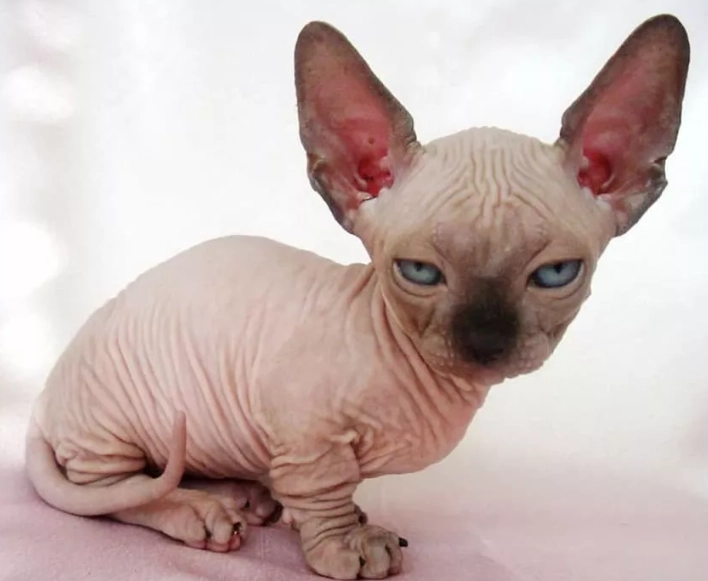
Imagine a cross between a dog, a monkey, and a cuddle addict. They are famously:
- Extremely Affectionate & Clingy: They crave physical contact. We're talking follow-you-into-the-bathroom, sleep-under-the-covers, sit-on-your-keyboard levels of cling. They often suffer from separation anxiety if left alone for too long.
- Energetic and Playful: They retain kitten-like energy well into adulthood. They need interactive play sessions, puzzle toys, and cat trees to climb. A bored Sphynx is a destructive Sphynx.
- Remarkably Dog-like: Many will greet you at the door, learn tricks like fetch, and are generally more outgoing and social with strangers than most cats.
- Chatty: They have a lot to say! Not always loud meows, but chirps, trills, and purrs. They'll converse with you.
I remember visiting a breeder (responsible one, health testing and all) and being swarmed by a wrinkle of kittens. They weren't shy at all. They climbed into my lap, poked at my notebook, and one even tried to get into my bag. The breeder laughed and said, "See? They think they own you already." That lack of typical cat aloofness is either a dream or a nightmare, depending on what you want.
So, are hairless cats good pets for busy professionals who work 10-hour days? Probably not. For a family that's home often and wants an interactive, engaging pet? Much closer to a yes.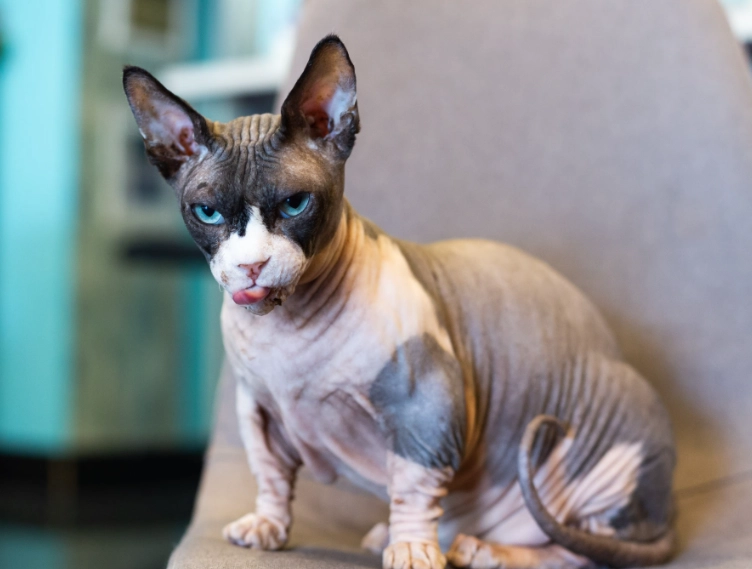
The Not-So-Glamorous Side: Care and Maintenance
Okay, let's get into the nitty-gritty. This is where the fantasy of a low-shedding pet meets the reality of high-maintenance skin care. Their lack of a fur coat means their body oils, which would normally be absorbed by hair, build up on their skin.
The Non-Negotiable Grooming Routine
Forget brushing. You're now on bath duty. Most hairless cats need a weekly bath with a gentle, hypoallergenic pet shampoo to prevent their skin from becoming greasy, clogged, and prone to acne or infections. Between baths, you'll need to wipe them down with pet-safe wipes every few days.
Their ears are another big one. Without hair to protect them, they produce a lot of wax. You'll need to gently clean their ears weekly to prevent buildup and mites.
And their nails? Because they often lack the hair tufts (hairs between toes), the nail sheaths can build up. You need to trim their nails regularly and gently squeeze their toes to help shed the old sheath. It sounds like a lot because it is.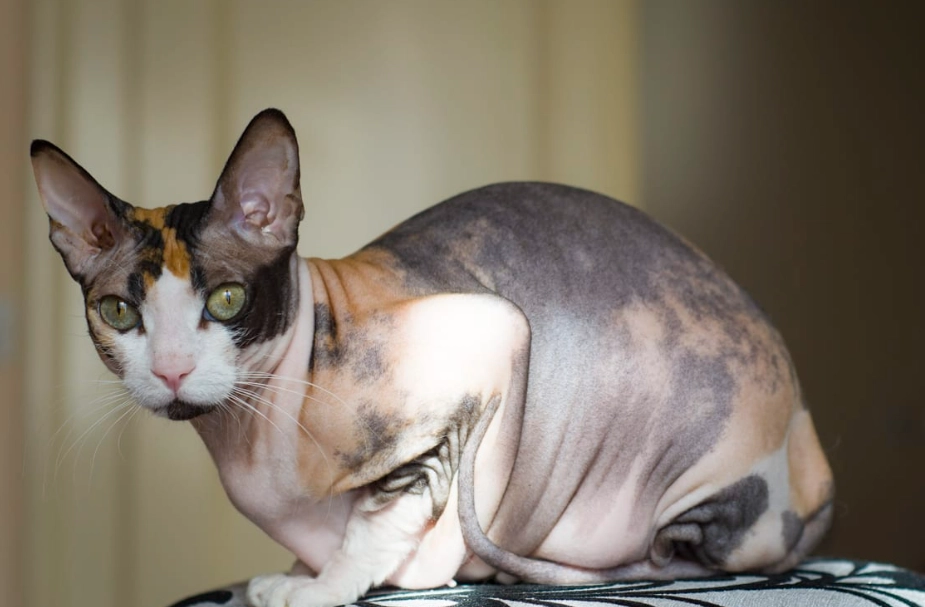
| Care Task | Frequency | Why It's Critical |
|---|---|---|
| Full Bath | Weekly | Removes oil buildup (sebum) that can cause skin infections, acne, and stain furniture. |
| Ear Cleaning | Weekly | Prevents painful wax blockages and ear mites, which they are more susceptible to. |
| Skin Wiping | Every 2-3 Days | Keeps skin clean between baths, especially in skin folds (wrinkles). |
| Nail Trimming & Care | Every 1-2 Weeks | Prevents overgrowth and issues with retained nail sheaths. |
| Dental Care | Daily (ideal) or Weekly | They can be prone to dental issues; regular brushing is a must. |
See what I mean? Asking "are hairless cats good pets" is really asking if you're ready for this level of commitment. It's like having a skincare routine for your pet.
They Get Cold. And Sunburned.
No fur means no insulation. Your hairless cat will be on a perpetual quest for warmth. You'll find them on top of computers, under lamps, burrowed in blankets, or better yet, on you. You will need to invest in cat sweaters, heated beds, and ensure your home is kept at a comfortable, warm temperature. Drafty houses are a no-go.
Also, that pale skin burns easily. If they have access to a sunny window or go outside (on a harness, never free-roam!), you must use pet-safe sunscreen. The Cornell Feline Health Center notes that cats with little to no hair are at higher risk for solar dermatitis and skin cancers, so sun protection is a serious health measure, not a fashion statement.
Cost Check: Beyond the initial purchase price (which is high from a reputable breeder), budget for ongoing costs: special shampoos, wipes, ear cleaners, clothing, high-quality food (they have fast metabolisms to stay warm), and inevitably, higher veterinary bills for potential skin and heart issues.
Health Considerations: What You Need to Watch For
All purebred cats can have breed-specific concerns, and hairless breeds are no exception. A responsible breeder will screen for these, but you should know what's on the radar.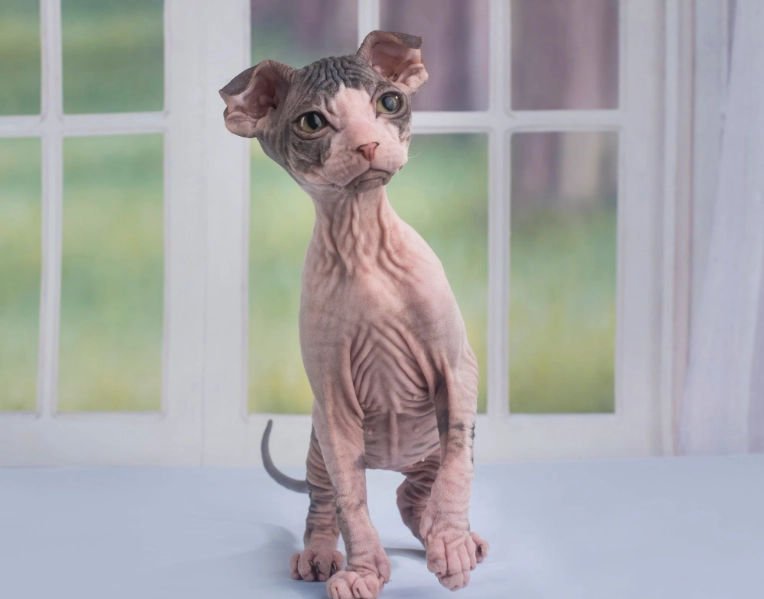
- Hypertrophic Cardiomyopathy (HCM): This is a serious heart condition that is prevalent in many cat breeds, including Sphynx. Reputable breeders will have their breeding cats regularly screened by a veterinary cardiologist. You must ask for proof of these HCM scans for the parents.
- Skin Conditions: As discussed, they are prone to yeast infections, bacterial infections, and feline acne. Their skin folds need to be kept clean and dry.
- Dental Issues: Some lines may have weaker dentition. A consistent dental care routine from a young age is crucial.
- Sun-Related Issues: As mentioned, sunburn and skin cancer are real risks.
"Prospective owners must understand that the Sphynx requires dedicated, informed care. Their unique appearance comes with unique health management responsibilities, particularly for their skin and cardiovascular system." – This echoes the sentiment from many veterinary resources, including articles referenced on the American Veterinary Medical Association (AVMA) website regarding special-needs breeds.
This isn't meant to scare you, but to arm you with facts. When evaluating if are hairless cats good pets, you have to factor in the potential for these health issues and the associated emotional and financial responsibility.
The Decision Matrix: Is a Hairless Cat Right For YOU?
Let's make this practical. Instead of a vague feeling, let's break down the ideal and the deal-breaker scenarios.
You Might Be a Great Match If You:
- Are home a lot and want a constant, interactive companion.
- Don't mind (or even enjoy) a high-touch, hands-on grooming routine.
- Can provide a warm, stable indoor environment.
- Have a budget for higher ongoing care costs and pet insurance.
- Want a pet with a playful, clownish, and deeply affectionate personality.
- Are prepared for a 15+ year commitment to a potentially high-maintenance animal.
You Should Probably Look Elsewhere If You:
- Want a low-maintenance, independent pet.
- Have severe cat allergies (test first!).
- Are gone for long hours most days.
- Live in a cold, drafty home and aren't willing to sweater-up your cat and heat the space.
- Are squeamish about cleaning ears, giving baths, or dealing with minor skin issues.
- Have a tight budget for pet care.
It's all about alignment.
Their needs are so specific that if they don't align with your lifestyle, it's unfair to both of you. I've heard stories of people who got a Sphynx for the "look" and were quickly overwhelmed, leading to the cat being rehomed. That's the worst outcome.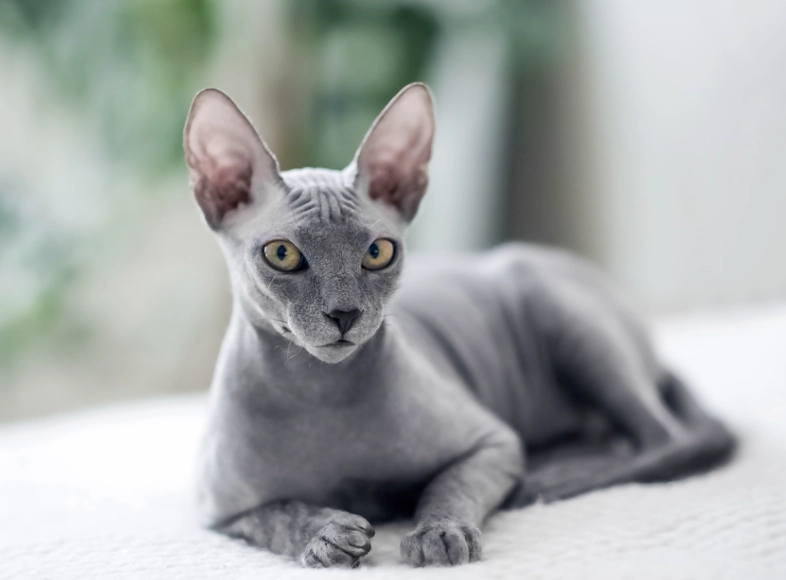
Finding a Healthy Hairless Cat: Avoiding Scams and Heartbreak
If you've read this far and are still thinking, "Yes, this could be for me," the next step is critical. The internet is riddled with scams and backyard breeders for popular breeds like this.
A responsible breeder is your only ethical source for a kitten. They will:
- Screen for Health: Provide documented proof of HCM echocardiograms (not just vet checks) on the parents, as well as testing for other genetic issues.
- Raise Kittens in-home: Kittens should be socialized in a family environment, not a cage.
- Ask YOU Questions: They will interview you extensively to ensure you're a good fit. They care where their kittens go.
- Have a Contract: This includes a health guarantee, a spay/neuter agreement, and a clause requiring you to return the cat to them if you can't keep it.
- Be Knowledgeable: They can talk in detail about the breed's needs, their lines' health history, and will be a resource for you for the cat's life.
Check breed-specific clubs like The International Cat Association (TICA) or the CFA for their breeder referral lists. Expect to be on a waitlist. Good breeders don't have litters available every week.
Red Flags: Anyone who has multiple litters always available, sells kittens under 12-16 weeks old, won't let you visit the home, offers "no papers" at a discount, or can't provide health clearances is a major red flag. You're likely supporting a kitten mill and buying a cat with a high risk of health and behavioral problems.
Living the Hairless Life: The First Few Months
Let's say you did everything right and brought your wrinkly buddy home. What now?
Start the grooming routine early, but gently. Get them used to being handled—touching paws, looking in ears, wiping with a damp cloth—before jumping into a full bath. Make it positive with treats and praise. A kitten who learns bath time is normal will be much easier to handle as an adult.
Kitten-proof aggressively. They are curious and intelligent. Secure cabinets, hide cords, and make sure there are no small spaces they can get stuck in.
Provide vertical space and warmth. A tall cat tree by a safe, sunny window (with a shade option!) is perfect. Have multiple cozy beds and blankets in warm spots.
Find a vet who understands the breed. Schedule a wellness check immediately. Discuss a preventive care plan that focuses on their skin, heart, and dental health.
Answering Your Burning Questions
The Final Verdict
So, circling back to the core question one last time: are hairless cats good pets?
For the right person, they are extraordinary pets. They offer a level of companionship, humor, and affection that is rare in the animal kingdom. They are living, purring pieces of art with huge personalities.
But they are not easy pets. They are a commitment of time, money, and energy. They will demand your attention, your lap, and your bathroom sink every week for a bath.
Don't get a hairless cat for the Instagram likes.
Get one because you've honestly assessed your life and found a space that matches their intense needs for warmth, companionship, and care. Get one because you want a relationship with a creature that is more like a best friend than just a pet. If that's you, then yes, a hairless cat can be an incredibly good pet—perhaps one of the best you'll ever have. If not, there are many wonderful, lower-maintenance furry friends in shelters waiting for a home. The best pet is always the one whose needs you can fully meet.