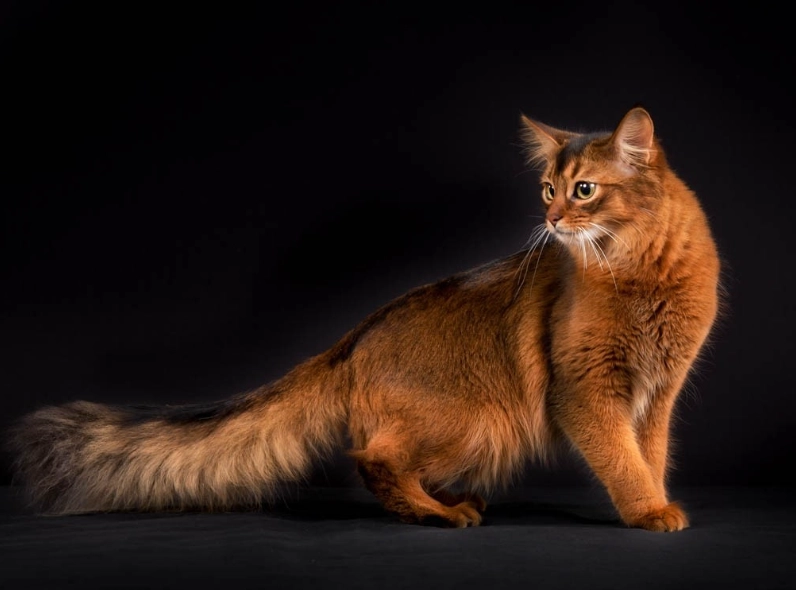
Picture this: a cat that moves like liquid shadow, with a plume of a tail and ears that look like they're tipped with charcoal. Its fur isn't just black—it's a tapestry of dark russet, ebony, and slate, shimmering with a hidden warmth in the sunlight. That's the Somali cat black, a creature that often gets mistaken for a tiny fox or a longhaired panther. It's not your average house cat, and it's certainly not just an "Abyssinian with long hair." This is a specific, and frankly stunning, color expression of a breed known for its wild look and boundless energy.
I've been around cats my whole life, and Somalis for over a decade. The black ones? They're the unicorns. You see ruddy Somalis (the classic orange-ticked ones) and blues, but a true, well-bred black Somali is a rare sight. And there's a lot of confusion out there. Is it just a black cat? How do you even get one? And more importantly, what's it really like to live with one of these energetic, intelligent shadows? Let's cut through the myths and get into the details.
What's Inside?
What Exactly is a Somali Cat Black?
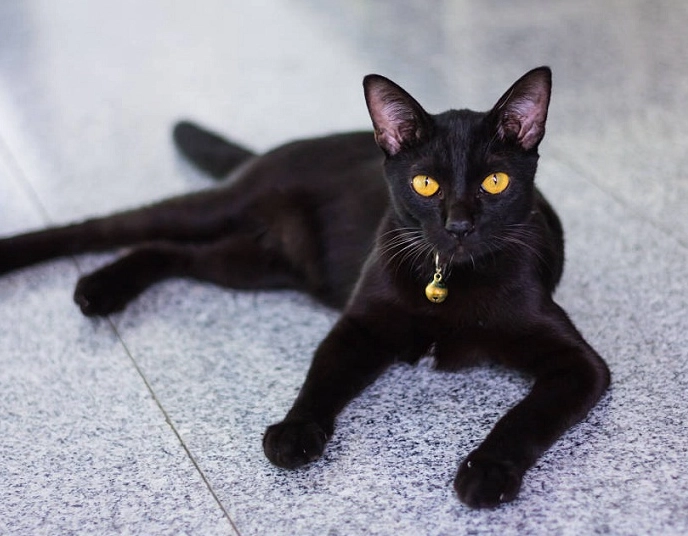
First things first: genetics. The Somali is the longhaired version of the Abyssinian. The black color (called "usual" or "ruddy" in Abyssinians, but that's a misnomer here) in Somalis is a specific ticking pattern on a black base. It's not a solid, flat black like you see on a Bombay cat. Each hair has multiple bands of color—dark orange, brown, and black—giving it that incredible depth and "wild" appearance. The Cat Fanciers' Association (CFA) and The International Cat Association (TICA) have strict standards for this ticking.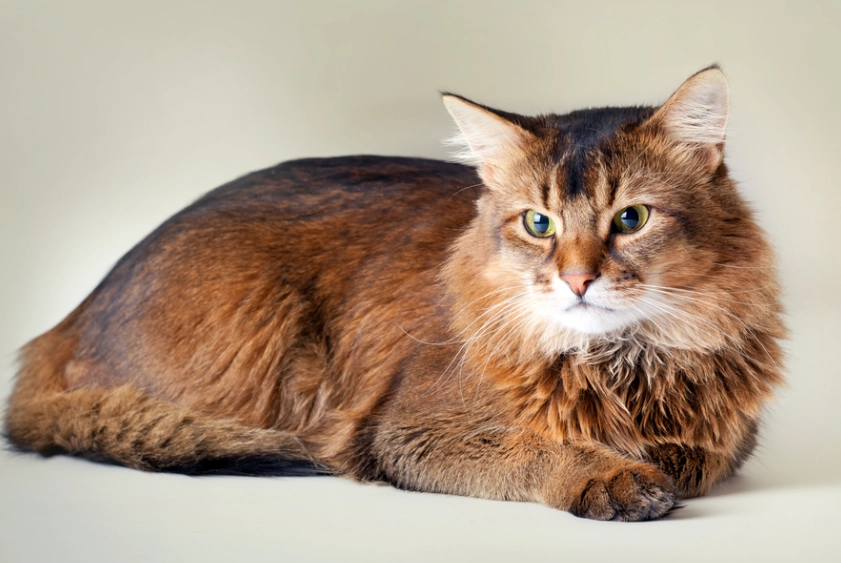
Getting a true Somali cat black is tricky. The gene for long hair is recessive, and the specific ticking pattern is complex. Both parents must carry the right genes. This is why you can't just breed two black domestic longhairs and get a Somali. Reputable breeders, like those registered with TICA or CFA, spend years carefully planning litters to produce kittens that meet the breed standard in both type and color.
So, what are you looking at?
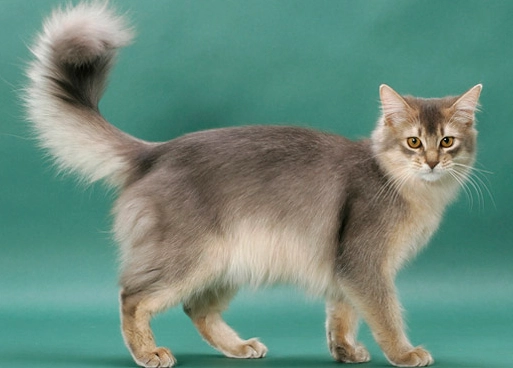
- Coat: Medium to long, incredibly soft and fine. It's a double coat, with a dense undercoat. The black Somali's coat has a warm, reddish cast (called "rust") in the undercoat and between the ticking bands.
- Eyes: Gold, green, or hazel. They're large, almond-shaped, and expressive. No blue eyes here—that's a different genetic line.
- Build: Medium-sized, muscular, and graceful. They feel heavier than they look. The legs are long, and the paws are small and oval.
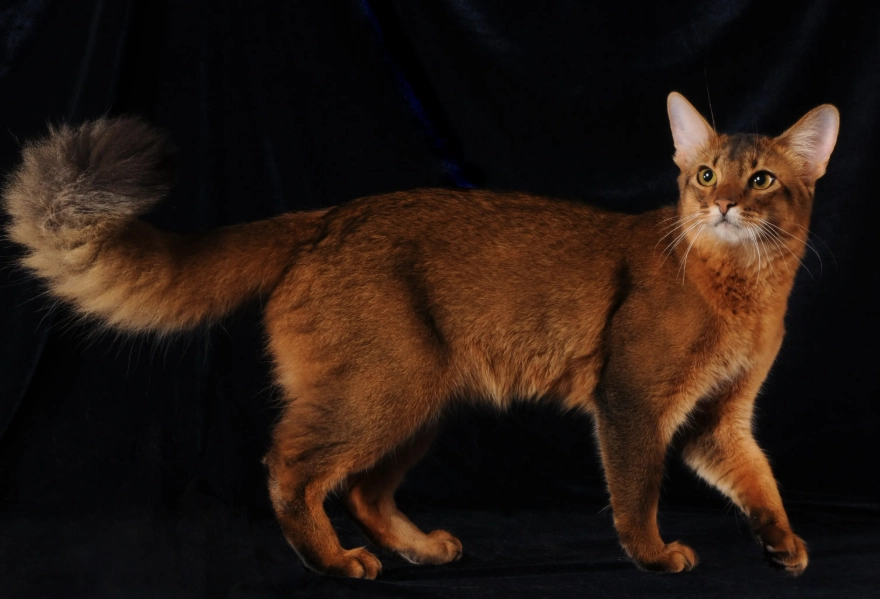
- The Tail: Full, bushy, and often carried high like a banner. It's a defining feature.
A quick comparison: How does the black Somali stack up against other popular longhaired or black cats? It's not about which is better, but which fits your life.
| Breed | Coat & Color | Energy Level | Key Personality Trait | Grooming Need |
|---|---|---|---|---|
| Somali (Black) | Fine, long, ticked black with rust highlights. | Very High | Intelligent, playful, curious, "busy." | High (daily combing crucial) |
| Maine Coon | Heavy, long, can be solid black. | Moderate-High | Gentle, friendly, dog-like. | High (regular brushing) |
| Bombay | Short, sleek, patent-leather solid black. | Moderate | Affectionate, lap-loving, social. | Low (weekly wipe-down) |
| Domestic Longhair (Black) | Variable, long, often solid black. | Variable | Variable, often affectionate. | Moderate-High |
The Somali Cat Personality: Not Your Average Lap Cat
If you want a cat that will sleep 20 hours a day on your couch, look elsewhere. A Somali cat black is a perpetual motion machine wrapped in silk. They are famously intelligent, often compared to dogs in their ability to learn tricks, play fetch, and even walk on a harness. They need mental stimulation as much as physical exercise.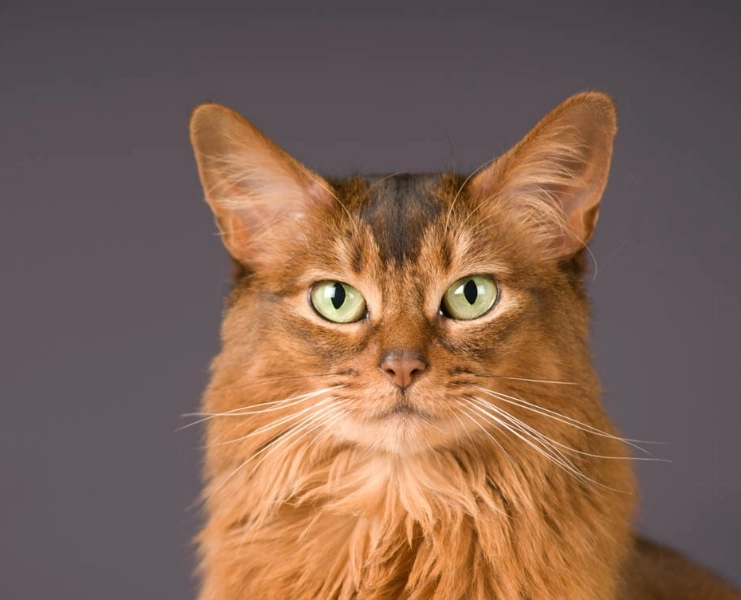
Here's the thing most websites gloss over: their intelligence can be a double-edged sword. A bored Somali is a destructive Somali. I learned this the hard way when my first Somali, Kael, figured out how to open the lower kitchen cabinets. Not by accident—by watching me and then systematically testing the handles. He then proceeded to "reorganize" my pots and pans at 3 AM.
They are social but on their own terms. They'll follow you from room to room, supervising your every move, but they might not be keen on being held like a baby for long periods. They prefer to be near you, interacting. Expect them to be on top of the refrigerator, inside open closets, and perched on the highest bookshelf. Vertical space is non-negotiable for this breed.
They're usually good with other pets and children who understand how to interact respectfully with an active cat. But they can be a bit stubborn. You don't own a Somali; you coexist with a very clever, furry roommate.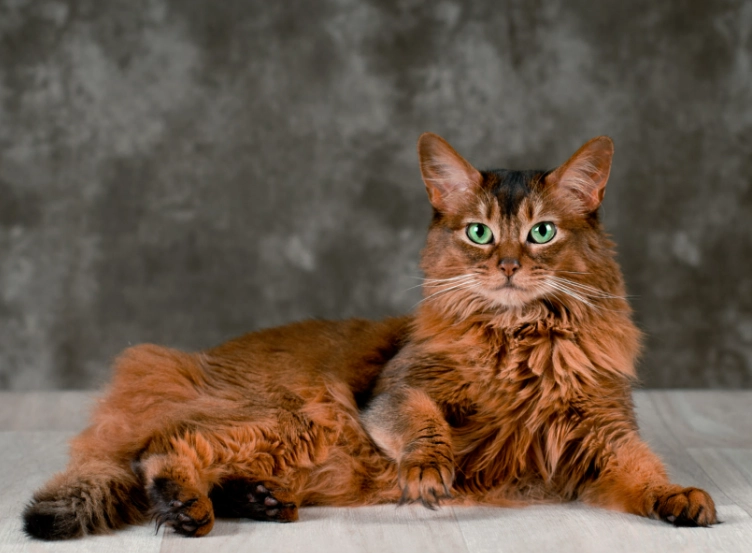
Caring for Your Somali Cat Black: The Real Deal
Grooming: The Daily Ritual
This is the biggest commitment. That beautiful coat mats easily. Unlike a Persian's coarse hair, the Somali's fine fur tangles into tight knots almost invisibly close to the skin. Waiting until you see a mat is too late.
- Toolkit: A stainless-steel comb with medium and wide teeth is your best friend. A slicker brush for finishing. Forget those cheap plastic brushes—they're useless on this coat.
- Frequency: Five minutes of combing every single day. Make it a bonding ritual. Focus on the armpits, behind the ears, and the belly—common matting zones.
- Bathing: Rarely needed unless they get into something. Their coat tends to stay clean. If you must, use a cat-specific shampoo and ensure they are completely dry to prevent chilling and matting.
Diet and Nutrition
High-energy cats need high-quality fuel. Look for a diet rich in animal protein. Many Somali owners and breeders I've spoken to report good results with premium wet food or a balanced raw diet (done under veterinary guidance). Dry food alone often isn't enough for their metabolism. Always ensure fresh water is available; a cat water fountain can encourage drinking.
Exercise and Environment
A couple of wand toys and a mouse won't cut it.
- Interactive Play: Schedule two or three 15-minute intense play sessions daily. Da Bird-type feather wands are a huge hit. They love to jump and chase.
- Puzzle Feeders: Essential. Make them work for their kibble. It tires their brain.
- Catification: Wall shelves, tall cat trees (at least 6 feet), and secure window perches are not luxuries; they are necessities for this breed's wellbeing.
- Consider a Friend: A Somali cat black often does best with another active cat as a playmate, especially if you're away from home for work.
Health and Lifespan of Somali Cats
Generally healthy, Somalis have a lifespan of 12-16 years. However, being derived from Abyssinians, they can be prone to certain genetic conditions. A reputable breeder will test for these.
- Progressive Retinal Atrophy (PRA): A degenerative eye disease that can lead to blindness. Genetic testing is available, and ethical breeders screen their breeding stock.
- Renal Amyloidosis: A serious kidney disease more prevalent in Abyssinian lines. Ask the breeder about the health history of the lineage.
- Patellar Luxation: A kneecap issue. Good breeders have their breeding cats evaluated.
- Dental Issues: They can be prone to gingivitis. Regular teeth brushing and veterinary dental check-ups are important.
Your first line of defense is choosing a breeder who is open about health testing. Don't be shy—ask for proof of testing for PRA and ask about the incidence of kidney issues in their lines. The Abyssinian & Somali Cat Club of America provides resources on health.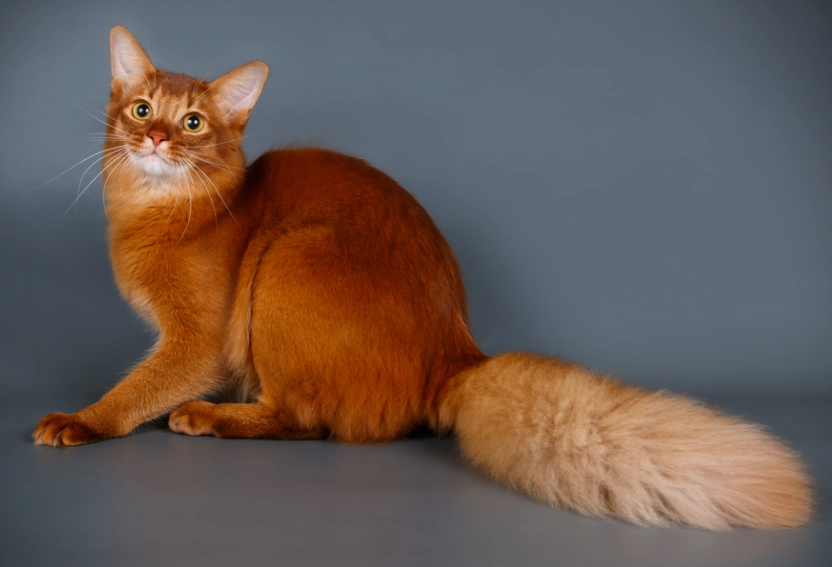
Is a Somali Cat Black Right for You?
Let's be honest. This breed isn't for everyone. It's for active individuals or families who want a participant in their life, not just a decoration.
You might be a great match if: You work from home, have an active lifestyle, enjoy interactive pets, have time for daily grooming, and can provide a stimulating, vertical environment.
Think twice if: You're away 10+ hours a day, prefer a low-maintenance pet, dislike cat hair (they shed, especially seasonally), or want a constant lap cat.
Finding a Somali Cat Black
From a Breeder: Expect to pay $1,200 to $2,500+ for a pet-quality kitten. Show-quality cats cost more. Use the breeder directories on the TICA or CFA websites. Visit in person if possible. A good breeder will interview you as much as you interview them.
Adoption: While rare, purebred Somalis do sometimes end up in rescue. Check breed-specific rescues like the Abyssinian & Somali Cat Rescue or national sites like Petfinder. You might also find Somali mixes in shelters that have the look and personality. Don't overlook a wonderful black domestic longhair who needs a home—they can be just as amazing.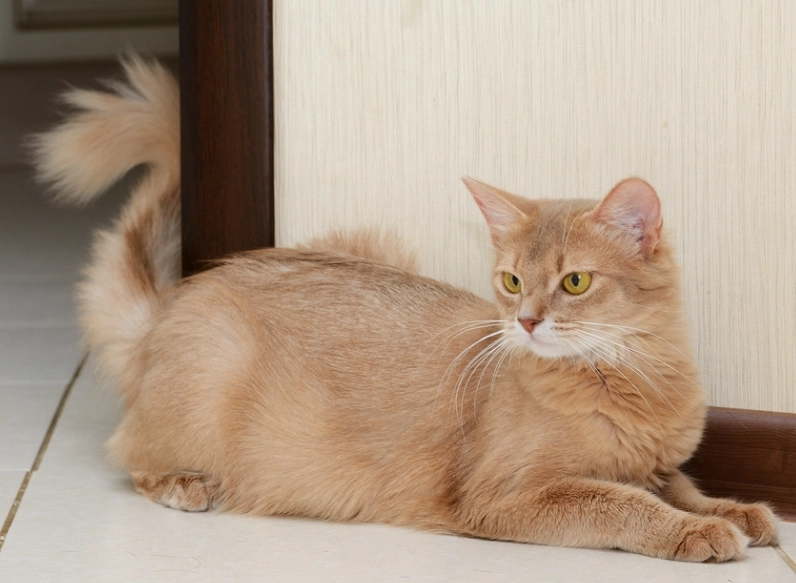
Your Somali Cat Black Questions Answered
So, there you have it. The Somali cat black is a breathtaking, energetic, and deeply engaging companion. It demands more than most—more time, more interaction, more understanding. But for the right person, the reward is a relationship with a cat that feels more like a partner in mischief, a shadow with a mind of its own, and a daily dose of wild beauty right in your living room. If you're ready for the commitment, you won't find another cat quite like it.